Author: AIPM

  • Train Like An Olympian

    BE FIT

    Image of women running.

    Olympic athletes inspire us with their fierce discipline and natural talent as they smash records, going higher, farther and faster. Their can-do   spirit motivates us all to take on  new challenges.

    Whether your goal is to complete your first marathon or improve your golf game, there are lessons to be learned from the best of the best.

    Saint Louis University assistant professor of physical therapy, Chris Sebelski, gives this guidance on how to train like a champion:

    *Set a goal and break it down.For instance, if you’re training to get in shape for a cross-country hiking trip, you might aim to walk 3 miles a day for the first 2 weeks and build up to 10 miles a day by the end of 10 weeks.

    *Cross-train.Cross-training reduces risks of overtraining and helps avoid injury. It also enhances muscle performance and stimulates the mind so you don’t become bored by too much repetition.

    *Work out with others.Olympic athletes don’t train alone and they don’t train only with those at the same skill level. Run with different people. On one day, partner with someone slower than your normal pace. You’ll stay out longer and practice endurance. Another day, run with someone faster than your average pace. You’ll do a more intense cardio workout.

    *Create a team.Olympic athletes know that they cannot do it on their own. You shouldn’t expect to either. Seek people and methods that can help you accomplish your goal. It could be a face-to-face session with a trainer, a nutrition class, or an online chat room of like-minded people.

    *Find your motivation.Olympians use lots of techniques to manage their emotions. This year, for example, athletes reported using yoga, meditation, and even watching their favorite TV shows to calm themselves before an event.

    *Put on an Olympic attitude.For most of us, our jobs, families and personal commitments mean we can’t spend as much time training as a world champion might. But  you can adopt the mentality of  an Olympian during the time you  do train.

    *Enjoy.Regardless of the scale of your goal, train for and accomplish a physical goal you set for yourself. Crossing that finish line is a feeling unlike any other.

    © American Institute for Preventive Medicine
  • Traveling With Diabetes

    SELF-CARE CORNER

    Image of pricked finger about to test blood glucose levels.

    The American Association of Diabetes Educators suggests a plan for ensuring your next travel adventure is safe and successful.

    Over-pack your medications.

    Gone for a week? Pack two weeks’ worth of your diabetes medications in case of travel delays or misplaced supplies (insulin, syringes, testing strips, extra batteries for your pump, a first-aid kit, glucagon emergency kit). If you use an insulin pump, ask the company if you can bring a backup in case yours fails. Have a prescription from your doctor for insulin or oral medication in case of an emergency.

    Protect your supplies.

    Keep your medications and supplies close at hand and don’t put them in checked luggage or in the car trunk, where they can be exposed to harmful extreme temperatures (too hot or too cold). If you’re flying, keep them in the original packaging (so no one questions they’re yours) in a bag separate from your toiletries, as requested by the TSA. Don’t worry, the TSA allows you to go over the 3.4 liquid-ounce carry-on limit for diabetes medications and supplies.

    Identify yourself.

    Wear your medical bracelet or necklace that notes you have diabetes and take insulin (if you do). Bring a doctor’s note that explains you have diabetes and lists your medications, as well as a prescription in case you need more. Carry a health card that includes your emergency contact and doctor’s name and phone number. Learn how to say “I have diabetes,” “sugar,” and “orange juice, please” in the language of the country you are visiting.

    Carry snacks and low blood sugar treatment.

    Low blood sugar (hypoglycemia) can strike any time and food access during travel is unpredictable, so be sure to bring plenty of snacks such as peanut butter crackers, granola bars, and trail mix as well as glucose tablets or gel.

    Simplify flying.

    Tell the TSA folks that you have diabetes (they’re used to accommodating people with health issues). Visitwww.tsa.gov/traveler-information/passengers-diabetesbefore your trip to learn about current screening policies. If you plan to inject insulin while flying, be forewarned-the pressurized air can make it more challenging to draw up your insulin, if using a vial and syringe, so be extra careful not to inject air into the bottle.

    Test often.

    New foods, increased activity, and different time zones can throw your glucose levels out of whack, so be sure to test frequently, including before and after meals. If you take insulin, keeping your levels steady can be tricky when changing time zones, so make a plan to adjust your schedule for injecting. Before your trip, see a diabetes educator, who can help you with this challenging process.

    Favor your feet.

    Wear comfortable well-fitting shoes and socks at all times. Never go barefoot. Check your feet often, especially after a hike or long walk. Feet and ankles often swell during flights so consider wearing light knee-high compression stockings or bring thinner socks to change into if your feet swell. Wear a shoe that can be loosened if that occurs. Pointing and flexing your ankles during a flight can improve blood flow in your calf muscles and decrease swelling as well as lower the risk of blood clots.

    Prepare for a health emergency.

    If you need medical treatment, ask your hotel to recommend a local doctor who treats diabetes. Before you travel overseas, get a list of local English-speaking doctors through the International Association for Medical Assistance to Travelers atwww.iamat.org.

    © American Institute for Preventive Medicine

  • Turn Off, Tune In

    FAMILY LIFE

    Image of family sitting on couch watching TV.

    Parents, turn off the television when your children are with you. And when you do let them watch TV, make sure the programs stimulate their interest in learning.

    That’s the advice arising from University of Iowa researchers who examined the impact of television and parenting on children’s social and emotional development.

    The researchers found that background television-when the TV is on in a room where a child is doing something other than watching-can divert a child’s attention from play and learning. It also found that non-educational programs can negatively affect children’s mental development.

    Best advice:Sit down and watch a TV show. When it’s over, turn off the TV.

    © American Institute for Preventive Medicine
  • Turn Awareness Into Action

    WELL-BEING

    Image of 2 women holding a sign with the word "Prevent" written.

    Breast cancer screening guidelines vary with different health groups. The U.S. Preventive Service Task Force advises women ages  50-74 to get a mammogram every 2 years.

    Women ages 40-49 and 74+ should discuss their breast cancer risk and the pros and cons of breast cancer screening with their doctors or health care providers. Women at a high risk for breast cancer should seek expert medical advice about breast cancer screening and prevention.

    Many women can survive breast cancer if it’s found and treated early.

    Your doctor can help you decide if you should take medication to help prevent breast cancer and if you should seek genetic counseling.

    Even though you cannot control breast cancer risk factors such as aging and inheriting certain breast cancer gene mutations, you can take action to help prevent breast cancer.

    *  If you have babies, breast-feed them.

    *  Talk to your doctor about the risks and benefits of taking hormone therapy using estrogen and progestin for menopausal symptoms. Taking both estrogen and progestin for more than five years increases breast cancer risk.

    *  Lose weight if you are overweight, especially if you have reached menopause.

    *  Limit alcohol. The more alcohol you drink, the greater the risk.

    *  Be physically active. Strenuous exercise for more than four hours a week may help lower breast cancer risk.

    © American Institute for Preventive Medicine

  • Tvs Can Injure Kids

    FAMILY LIFE

    Image of boy watching TV.

    How about that shocking headline? Although most parents do not consider furniture and TVs to be dangerous, children are often injured when these items tip over.

    A study conducted by the Center for Injury Research and Policy of The Research Institute at Nationwide Children’s Hospital found that nearly 15,000 children younger than age 18 go to ERs annually for injuries received from furniture tip-overs.

    According to the study, published in Clinical Pediatrics, most furniture tip-over-related injuries occurred among children younger than age 7 and resulted from TVs tipping over. More than one quarter of the injuries occurred when children pulled over or climbed on furniture.

    Older children were more likely to suffer injuries from desks, cabinets, or bookshelves tipping over. Head and neck injuries were most common among younger children, while children older than age 9 were more likely to suffer injuries to the lower body.

    Despite warnings from the U.S. Consumer Product Safety Commission, the number of tip-over injuries has increased since the early 1990s.

    Parents can reduce risks to children by placing TVs low to the ground and near the back of their stands and strapping televisions and furniture to the wall with safety straps or L-brackets. Purchase furniture with wide legs or with solid bases. Install drawer stops on chests of drawers, and place heavy items close to the floor on shelves.

    Also, parents can reduce a child’s desire to climb furniture by not placing attractive items, such as toys or the remote control, high on top of furniture or the TV.

    © American Institute for Preventive Medicine
  • Ulcers Not Caused By Stress

    MEDICAL NEWS

    Image of man holding this stomach.

    The lining of your stomach makes acid and enzymes that help break down food into the nutrients you need. The lining protects itself from acid damage by releasing mucus. But sometimes the lining gets inflamed and starts making less acid, enzymes, and mucus. This type of inflammation is called gastritis.

    You may have gastritis if you have pain or an uncomfortable feeling in your upper stomach. You could have nausea or vomiting. Or you may have no symptoms at all.

    Untreated, some types of gastritis can lead to ulcers. These are sores in the stomach lining.

    Some people think ulcers are caused by stress and spicy foods. But according to the NIH in Health, bacteria called H. pylori are often to blame. These bacteria break down the inner protective coating in the stomach and can cause inflammation.

    H. pylori can spread by passing from person to person or through contaminated food or water. Infections can be treated with antibiotics.

    One type of gastritis, called erosive gastritis, wears away the stomach lining. The most common cause of erosive gastritis is long-term use of medications called non-steroidal anti-inflammatory drugs. These include aspirin and ibuprofen. Stop taking these pain relievers and the gastritis usually clears up.

    Less common causes of gastritis include digestive disorders (such as Crohn’s disease) and autoimmune disorders in which the body’s protective immune cells attack healthy cells in the stomach lining.

    Gastritis can be diagnosed with an endoscope. A thin tube with a tiny camera on the end is inserted through the patient’s mouth or nose and into the stomach. The doctor looks at the stomach lining and may remove some tissue samples for testing. Treatment will depend on the type of gastritis found.

    Although stress and spicy foods don’t cause gastritis and ulcers, they can make symptoms worse. Milk might provide brief relief, but it also increases stomach acid, which can worsen symptoms. Your doctor may advise taking antacids or other drugs to  reduce acid in the stomach.

    Gastritis can lead to ulcers over time. Symptoms of ulcers include pain between the belly button and breastbone that starts between meals or during the night. It briefly stops if you eat or take antacids, lasts for minutes to hours, and comes and goes for several days or weeks.

    Contact your doctor right away if you have sudden sharp stomach pain that doesn’t go away, black or bloody stools, or vomit that is bloody or looks like coffee grounds.

    © American Institute for Preventive Medicine

  • Under Pressure: What To Know About Glaucoma

    MEDICAL NEWS

    Image of eldery women getting her eyes checked.

    Glaucoma is a leading cause of blindness for people over 60, so it’s important to know what you can do about it.

    Glaucoma happens when too much fluid builds up in the eye. This extra fluid causes pressure that damages the optic nerve. This damage cannot be undone once it happens. It can lead to loss of all or part of your vision. But, glaucoma can be managed and the damage to vision can be decreased with proper medical care.

    People at highest risk for glaucoma

    Anyone can get glaucoma. But certain groups of people may be more likely to get it, including:

    *  People with a family history of glaucoma

    *  African Americans over age 40

    *  Anyone over age 60, but Mexican Americans are especially at risk

    *  People who have high eye pressure, thin corneas or optic nerve problems

    *  People with high blood pressure that’s not well controlled

    Signs and symptoms

    Glaucoma often doesn’t have early signs and symptoms until damage has already been done. That’s why getting regular eye exams is so important. For many people, the first sign of glaucoma is loss of their peripheral (side) vision.

    Don’t assume you don’t have glaucoma because your eyes “feel fine.” Many people develop glaucoma without any symptoms.

    Illustration of eye with excessive pressure which can lead to glaucoma.

    What can you do about glaucoma?

    Glaucoma has no cure, but there are things you can do to slow it down and save your vision:

    *  If you have glaucoma, take your medicines every day. Ask your eye doctor how often you need to be seen, and stick to your appointments.

    *  Get a complete eye exam at least every 2 years or as often as recommended. This includes a dilated eye exam.

    *  Even if you don’t have glaucoma, ask your eye doctor about your risk. This includes telling your doctor about any family history of glaucoma.

    People with certain risk factors for glaucoma may be given special eye drops. These drops can lower the risk of getting glaucoma but they must be used regularly to be effective.

    If you are diagnosed with glaucoma, you and your doctor will discuss what treatment is best for you. It may depend on what type of glaucoma you have and how severe it is. Treatments may include:

    *  Eye drops that lower pressure in the eye

    *  Surgery done with a laser that helps the eye drain fluid better

    *  Traditional surgery that may include placing a new drainage tube in the eye

    Save your sight – see your eye doctor to get checked for glaucoma!

    Sources: American Academy of Ophthalmology, National Eye Institute

    © American Institute for Preventive Medicine

  • Understanding Carbs

    HEALTHY EATING

    Image of different type of breads.

    Carbohydrates (or carbs) are one of the main types of nutrients in our diets. Fats and protein are other nutrients.

    Carbs with a simple chemical structure are called sugars. Sugars are found naturally in foods such as fruits, vegetables, and milk products. They’re also added to many foods and drinks.

    Complex carbs, such as starches and fiber, are found in whole-grain breads and cereals and in starchy vegetables such as potatoes.

    Your digestive system changes the carbs you eat into glucose, a type of sugar that your body uses for energy.

    Simple carbs are more quickly digested and absorbed than complex carbs, so simple carbs can raise your blood glucose levels faster and higher. If you have diabetes, you need to manage your blood glucose levels. High blood glucose can damage your tissues and organs.

    It makes sense to eat more complex carbs, according to researchers at NIH. And not just people with diabetes, but everyone. Complex carbs are more gradually absorbed and help control blood sugar levels.

    Whole foods with complex carbs will give you more minerals and vitamins too and are usually good sources of fiber.

    Make Wise Carb Choices

    *  Try different kinds of beans and lentils.

    *  Choose cereals high in fiber (5 or more grams per serving, read the label for this information).

    *  Switch to whole grains. Look for whole-grain bread, whole-wheat pasta, brown or wild rice, barley, quinoa, and bulgur.

    *  Eat more fresh fruits and vegetables and drink less juice.

    *  Snack on fruit and small portions of nuts and seeds.

    *  Limit candy.

    © American Institute for Preventive Medicine

  • Understanding Enlarged Prostate

    MEDICAL NEWS

    Image of older male smiling.

    Benign prostatic hyperplasia, sometimes called BPH or enlarged prostate, is a condition where a man’s prostate gland gets larger. It is the most common prostate problem for men older than age 50. And, up to 90 percent of men over age 80 have it.

    An enlarged prostate is not cancer, and for many men, it’s not serious. But, it can cause some symptoms that are bothersome, such as urinating too frequently, trouble starting or stopping urinating and incontinence. This happens when the prostate gets too large and blocks the urethra, which lets urine out of the body. Or, it can stress the bladder as it tries to force urine past the blockage.

    In rare cases, an enlarged prostate can cause serious problems such as kidney damage. That’s why it’s important to talk with a doctor about enlarged prostate and to follow your doctor’s recommendations.

    Don’t ignore these signs

    Enlarged prostate is usually not serious. But, some symptoms could signal a more serious problem. Get medical care right away if you notice any of these signs:

    *  Complete inability to urinate

    *  Fever and chills along with frequent and painful urination

    *  Blood in urine

    *  Severe pain in lower belly and/or urinary tract

    How enlarged prostate is treated

    Treatment is based on symptoms and lifestyle. Many men who have mild symptoms find that lifestyle changes can help. Some recommendations include:

    *  Drink less fluids, especially before bedtime or when you won’t be near a bathroom.

    *  Avoid caffeine and/or alcohol. These can irritate the bladder and increase urination, which can worsen symptoms of an enlarged prostate.

    *  Avoid medications that can cause urination problems, including cold medicines with decongestants, antihistamines for allergies, diuretics and some antidepressants.

    *  Train your bladder, which means to gradually hold urine for longer periods.

    *  Exercises to strengthen muscles in the pelvic floor region of your body.

    *  Prevent and/or treat constipation, which can irritate a stressed bladder.

    Lifestyle changes usually help improve quality of life for men with an enlarged prostate. But if they don’t, your doctor may discuss medications or minimally invasive procedures. Surgery is usually not needed, but it is an option for severe cases.

    Fortunately, this common health issue can be managed and treated. Get regular checkups with your doctor or urologist to keep symptoms under control.

    Sources: National Institutes of Health, National Institute of Diabetes and Digestive and Kidney Diseases

    © American Institute for Preventive Medicine
  • Understanding Psoriasis – A Misunderstood Skin Condition

    MEDICAL NEWS

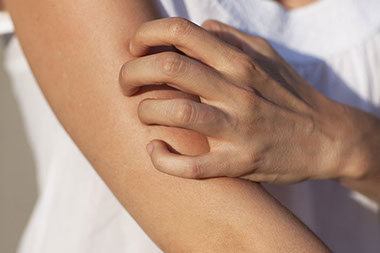
    Close up image of psoriasis on arm.

    Psoriasis is a chronic, genetic skin disease that’s not contagious. It results when faulty signals in the immune system prompt skin cells to redevelop too quickly, causing red, scaly areas that crack and bleed. It often affects the elbows, knees, scalp, and torso but can appear anywhere on the body.

    Psoriasis affects far more than the skin. It can have serious physical and emotional effects. Research shows that psoriasis can cause as much disability as other major diseases. Some people with psoriasis develop a type of arthritis.

    Often, people with psoriasis wear long sleeves and clothing that can cover the itchy and painful patches of skin to avoid embarrassment.

    There’s no cure but treatment with medications from a dermatologist can help.

    The National Psoriasis Foundation (www.psoriasis.org) is leading the drive to educate others about this condition that affects more than 7 million Americans.

    © American Institute for Preventive Medicine