Author: AIPM

  • What’S Waking You Up?

    WELL-BEING

    Image of older man sitting up in bed.

    Dr. Michael Huckabee, professor at the University of Nebraska Medical Center, offers 3 not-so-well-known possible causes:

    Night cramps

    A sudden, intense pain in the calf from a muscle spasm can awake you from a dead sleep. Night cramps may occur once a year or less often, but some people have several a night.

    Dehydration, electrolyte imbalance, nerve or muscle disorders and medication side effects can cause night cramps. So can working the muscles hard earlier in the day. If you can find out the cause, treatment might be as simple as drinking plenty of water or stretching your legs before you go to bed. If leg cramps disturb your sleep often, visit your doctor for help.

    Restless legs

    Do you get a powerful urge to move your legs? Do they feel uncomfortable when you sit or lie down? They may also have a creeping, crawling, tingling, or burning sensation. These can be symptoms of restless leg syndrome (RLS).

    Sometimes, RLS is due to a health condition, such as anemia or to a side effect of some medications. In most cases, though, there is no known cause and it tends to run in families. Daytime exercise, relaxation techniques and other lifestyle changes can help. See your doctor for proper diagnosis and treatment.

    Sleep paralysis

    While fading off to sleep or waking up, you may experience a complete paralysis, unable to move or speak. You could also have a vivid nightmare or hallucination when your consciousness is drifting  between sleep and waking.

    The exact cause of sleep paralysis is unknown but it may be related to an imbalance or overlapping of the stages of sleep. Stress, erratic sleep schedules and some medications may also be factors, and there is likely a genetic component. Despite how frightening it is, there are no serious health problems with sleep paralysis. A variety of treatments, from simple home exercises to prescription medications, have been shown to be effective.

    © American Institute for Preventive Medicine

  • When Allergies Get Real Serious

    MEDICAL NEWS

    Image of candy bar with warning "Not suitable for Nut allergy sufferers."

    A severe allergic reaction can be life threatening. It’s called anaphylaxis. The symptoms begin within minutes of eating a trigger food or after a bee sting or touching poison ivy. Some drugs can cause these serious reactions too. The Asthma and Allergy Foundation of America offers this safety advice:

    *  Know the symptoms: flushed skin, rash, tissue swelling, stuffy nose, sweating, panting, nausea, stomach cramps, rapid pulse, wheezing, convulsions, or fainting.

    *  Know what you’re allergic to: check food labels and ingredients. Ask at restaurants if you’re unsure if a menu item contains something you’re allergic to. Skin or blood tests done by a specialist can confirm that you’re sensitive to certain substances that can cause a severe reaction.

    *  Carry an auto-injectable epinephrine device that allows you to use a rescue medication until emergency help arrives.

    *  Wear a medical alert bracelet to let others know of your allergy.

    *  Anaphylaxis is a 9-1-1 medical emergency.

    © American Institute for Preventive Medicine
  • When Buying A Home, Check Out The Neighborhood Too

    FAMILY LIFE

    Image of family in front of their new house.

    Choosing the right neighborhood is just as important as the actual home. A great neighborhood should have the features you need and also be extremely safe. The biggest mistake many homebuyers make is not realizing they’re investing in a good neighborhood, as much as in a good home.

    The team at AlarmSystemReport.com, an alarm review site of top companies, has put together a list of tips to help buyers find out if a neighborhood will suit their needs.

    *  Search, online, for crime data for particular areas and neighborhoods.

    *  Contact the local law enforcement agency. Learn about criminal activity in the area. Find out if the neighborhood has a community watch program and other safety measures.

    *  Drive and walk around the neighborhood to feel how safe it is. If it seems abandoned, dirty or has a lot of bars on windows, it’s probably not a safe choice. Look for signs of outdoor activity, such as families and people outside. It’s also more likely that homes that are well-kept are going to mean a safer neighborhood, since the neighbors take pride in their home and the surrounding area.

    *  Check out the neighborhood school. Does it have a good reputation? Ask teachers.

    *  Research if property values have improved over the last 5 or 10 years. Ask your real estate agent if property taxes have increased (a good sign).

    © American Institute for Preventive Medicine

  • When Can My Child By Home Alone?

    FAMILY LIFE

    Image of smiling family.

    As kids grow older, many parents wonder when they can safely leave their child home alone. There is no one right answer for everyone, as each child has a different personality and maturity level. To help you make the decision, the Child Welfare Information Gateway says parents should ask themselves these questions:

    *  Do state and local laws say my child is old enough to be left home alone? If you’re not sure, check with your local child protective services agency. To find yours, visitchildhelp.org.

    *  Is my child comfortable being left home alone?

    *  Can my child care for himself while I’m gone? (This may include getting food or drink, staying away from hazards, obeying house rules, and making good decisions.)

    *  Do I have neighbors or trusted adults nearby who could help if needed?

    *  Does my child know what to do if someone comes to the door?

    *  Can my child easily contact me if there’s an emergency?

    *  Does my child know his full name, my full name, his home address, and phone number?

    If you answered “yes” to these questions, and you and your child feel ready, try leaving him/her alone for a short time while you’re close by. Check in with your child while you’re gone and talk about the experience when you get back. If it was a positive experience for you and your child, consider leaving him/her alone for a longer period next time. Together, you and your child can make a smart decision about being home alone.

    © American Institute for Preventive Medicine
  • When Petting Pets Causes Disease

    SELF-CARE CORNER

    Image of women with her dog.

    Salmonella, E. coli, and roundworms are among the nearly 20 different diseases that people most commonly get from their pets, said Jason Stull, assistant professor of veterinary preventive medicine at Ohio State. Infants, the elderly, pregnant women, and people with limited immune function are most at risk for animal-borne, or zoonotic, diseases.

    Since different species of pets-dogs, cats, rodents, birds, fish, reptiles, and amphibians-carry different types of diseases and at different stages of life, Stull and his colleagues suggest that families talk to both their doctor and veterinarian about what pet is the safest choice for their family.

    Here are some safe tips for pet ownership:

    *  Wear protective gloves to clean aquariums and cages and to remove feces.

    *  Wash hands after pet contact.

    *  Don’t let your pets lick your face.

    *  Cover playground sandboxes when not in use (cats love them).

    *  Avoid contact with higher risk animals such as reptiles, amphibians, and exotic animals.

    *  Regularly clean and disinfect animal cages, feeding areas, and bedding.

    *  Put litter boxes away from areas where food is eaten and prepared.

    *  Schedule regular veterinary visits.

    © American Institute for Preventive Medicine
  • When The Wind Blows

    WELL-BEING

    Image of emergency items, such as flash lights.

    When a winter blizzard (or any natural disaster) leaves you without power, are you prepared to weather the storm?

    Know these facts from the University of Nebraska Extension service:

    *  Keep the refrigerator and freezer doors closed as much as possible to maintain the cold temperature. Once the power goes off, the refrigerator will keep food safely cold for about 4 hours if it’s unopened. A full freezer will hold the temperature for about 48 hours (24 hours if it’s half full) if the door remains closed.

    *  Keep an insulated cooler on hand and gel packs or water-filled and frozen milk cartons in the freezer to cool perishable items. Outside sub-freezing temps will also preserve frozen food if the power stays out for days.

    Stock one gallon of drinking water per person per day. Also stock up on staples that don’t need to be refrigerated such as canned foods (and a hand-held can opener), soups, dried or smoked meats, dried fruits and vegetables, powdered or evaporated milk, peanut butter, trail mix, granola bars, pet food, and ready-to-eat cereals.

    © American Institute for Preventive Medicine
  • When To Brush Your Teeth

    SELF-CARE CORNER

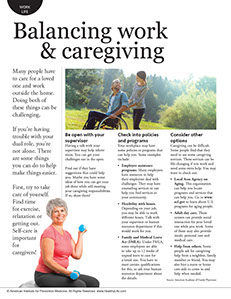
    Image of soda in a glass.

    Consuming acidic foods and beverages, such as sports and energy drinks, citrus fruits, wine, and tomatoes, can erode tooth enamel-the glossy outer layer of the tooth. Brushing your teeth too soon after eating and drinking these items can cause more damage because you are essentially brushing the acid into the teeth, not getting rid of it, say experts at the Academy of General Dentistry. Instead, you should rinse your mouth with water after consuming acidic foods and beverages and wait at least 30 minutes before brushing your pearly whites!

    © American Institute for Preventive Medicine

  • When You Don’T Like Your Spouse’S Friends

    FAMILY LIFE

    Image of 2 couples having lunch.

    If you don’t like your significant other’s friends, it can add tension to your relationship. If you find you don’t get along with some – or all – of them, take a calm approach:

    *  Get to know them better. Sometimes, first impressions are misleading. Try not to form a solid opinion of your partner’s friends until you’ve spent more time with them. You may start to like them if you form your own relationship with them.

    *  Focus on behaviors, not people. Think about what the person has done that you are upset about. If they are doing something irresponsible or illegal, for instance, this should be discussed with your spouse. But, if you just don’t like their sense of humor or love of football, you may have to accept your differences.

    *  Be open, but kind. You should be able to talk to your partner about things that are bothering you. Bring up specific behaviors of their friend that bother you and tell them why you are upset. Try not to insult your partner’s friend or accuse them. Together, with your partner, discuss ways to avoid future problems with the friend.

    Focus on keeping your own relationship healthy, even when you must have tough conversations about their friends.

    Friends are good for you

    It feels good to talk to a friend and share a few laughs. But having friends may have more benefits than smiles and memories. Research has shown that a good network of support from friends may lower your risk of some health problems. Some evidence suggests that people who have social connections may be less likely to have a heart attack. In addition, people who give support to others can help lower their blood pressure.

    Source: Current Opinion in Psychiatry. 2008;21(2):201-205.

    © American Institute for Preventive Medicine
  • Where Does The Money Go?

    FINANCIAL HEALTH

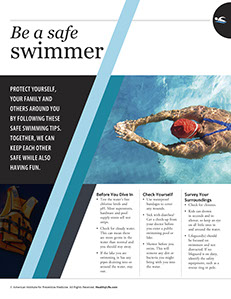
    Image of scale with bills on one side and a piggy bank on the other side.

    Regular expenses are a necessary part of life. In your household, you probably have a certain amount of money coming in and a different amount going out.

    Even if you have a rough idea of how much you spend, tracking your monthly expenses can help you find out a lot about your money. Small amounts here and there can quickly add up. For one month, write down everything you spend on bills, food, gas, clothes, and any other purchases – even your morning latte. Then, you can look for ways to cut back on unnecessary costs. Money you have left at the end of the month can be saved for an emergency fund or for future needs.

    © American Institute for Preventive Medicine