Author: AIPM

  • Breaking Bad Habits Now

    WELL-BEING

    Doctor holding an apple in hand wrap with a tape measure.

    If you’re hoping to make a change, these tips may help:

    Avoid.If certain places or people make you want to engage in unhealthy habits, try your best to stay away.

    Replace.Focus on what you can do instead of the bad habit. For instance, take a walk or drink a glass of water.

    Plan.If you know you’ll be tempted with a bad habit, practice what you can do. Picture yourself not giving in. Have a plan for yourself.

    Buddy up.Ask a friend or family member to support you. They can cheer you on and encourage you when you need it.

    Source: National Institutes of Health

    © American Institute for Preventive Medicine

  • Burn Calories Without Trying

    BE FIT

    Image of women holding up tablet with calorie tracking.

    When you’re not exercising, you can still burn extra calories! Use little ways to get more fit every day.

    Don’t make things convenient.

    Take the stairs instead of the elevator. Park farther away from your destination and walk. Use your bike instead of a car for quick grocery store runs. Put your favorite snack foods in the basement, rather than on the main floor near the TV.

    Get up.

    Take a short break every hour if you sit at a desk. Get up, move your arms and legs or even do a few jumping jacks. Use a hands-free headset so you can get up and walk or lift weights while you’re on the phone. Have a meeting? See if you can stand during part of it or even have a walking meeting.

    Sneaky exercises.

    Do some isometric exercises if you sit a lot. Try squeezing your glute muscles and knees together for eight counts, holding for five seconds then release. Do this every couple of hours.

    Move whenever you can. Walk in place instead of standing still.

    © American Institute for Preventive Medicine

  • Be Smart About Credit Card Offers

    FINANCIAL HEALTH

    Image of man getting mail from mailbox.

    Offers in the mail

    Credit card companies, auto loan companies and other lenders can get a list of names for their credit card offers. They get information from credit reporting agencies about people who have a minimum credit score. Then, they use that list to send out offers for a new card.

    Saying “no” to mail offers

    If you are receiving credit card offers in the mail and don’t want them, there are two things you can do.

    You can opt out of credit card offers for five years. Call 1-888-5-OPTOUT  (1-888-567-8688) or visitoptoutprescreen.com. To opt out forever, you must download and mail a signed paper form. You can get the form on the opt-out website.

    Beware – the opt-out feature only works for certain credit card offers, though. Companies may get your name if they have done business with you before. They may also get your name from other sources that aren’t connected to the credit reporting agencies, such as memberships or subscriptions.

    Why is my child getting a credit card offer?

    Sometimes, a person under 21 years of age gets a credit card offer in the mail. This may happen if the company purchased a list of names and didn’t know that the person was not an adult. But, credit card companies cannot intentionally send their offers to people under 21 years old without permission.

    Phone calls

    Like mail offers, credit card companies can get your name from credit agencies and call you with an offer. You can register your number with the National Do Not Call Registry to stop these calls. Visitwww.donotcall.govor call 1-888-382-1222 to put your phone number on the do not call list.

    What is a prescreened credit card offer?

    Credit card companies can find out if you have a certain credit score. Then, they can offer you a credit card based on that information. This is known as a prescreened offer because they already have some information about your credit. It is not a guarantee that you will get the card. You still have to apply for it and be approved.

    Source: Consumer Financial Protection Bureau

    © American Institute for Preventive Medicine

  • Beating Jet Lag

    SELF-CARE CORNER

    Man sleeping on plane.

    Summer travel plans may take you to places across the globe. While this can be exciting, switching to a different time zone can take a toll on the body.

    The body has its own internal clock that tells you when to be awake and when to sleep. This is your circadian rhythm.

    If you travel to a different time zone, the clock gets disrupted:

    You may be awake when it’s nighttime or want to sleep during the day. This can make you exhausted. Jet lag can also cause:

    *  Headaches

    *  Feeling irritable

    *  Trouble concentrating

    *  Loss of appetite

    *  Upset stomach

    *  Diarrhea

    There are some ways to fight jet lag so you can enjoy your trip:

    *  Stay hydrated. Drink plenty of water before, during, and after your arrival.

    *  Avoid alcohol. Some people think a nightcap will help them sleep. But alcohol actually disrupts sleep and makes you more tired.

    *  Use your travel time wisely. If you’ll be on a plane during the “new” night time, try to rest. Use a sleep mask and ear plugs. Avoid staring at TV screens or other devices.

    *  Be careful with caffeine. If you must have caffeine, drink it in the new time zone’s morning hours. Avoid it after lunch.

    *  Get out in the sun. When you get to your destination, go outside if it’s daytime. This will help to tell your body when to be awake.

    *  Skip naps if possible. Napping could make it harder for you to fall asleep at the correct time. If you take a nap at 6 p.m., you could be awake most of the night.

    *  Consider melatonin. Melatonin is a hormone that your body makes to tell you that it’s time for sleep. Taking melatonin at your new bedtime can help you sleep better. It is available over-the-counter, but ask your doctor before trying it.

    Source: National Sleep Foundation

    © American Institute for Preventive Medicine
  • Bloated Belly: Ways To Get Relief

    SELF-CARE CORNER

    Image of tea and different tea leaves.

    Most people have felt a bloated stomach after a big meal. Usually, the belly feels overly full. It can make clothing feel tighter. The belly may look swollen. Bloating is usually caused by too much food or air and gas getting trapped in the intestines.

    But some people get bloated even when they didn’t eat too much. In some cases, it can be downright painful. The best way to address painful bloating is to find the cause and know how you can treat it.

    Bloating culprits

    The most common causes include:

    *  Dairy foods. If you notice bloating after eating cheese, ice cream, or drinking milk, you could have lactose intolerance.

    *  Gum. Swallowing air while chewing can cause bloating.

    *  Eating too much fiber at once. Fiber is great for you, but if your body isn’t used to it, you can get bloated and uncomfortable. Increase the amount you eat gradually.

    *  Bowel problems. Being constipated or having irritable bowel syndrome (IBS) can cause painful bloating. Drinking plenty of water can help with constipation and fiber absorption.

    *  Menstrual cycles. Some women get bloated because their body holds extra water before or during their periods.

    Treat bloating at home

    Many times, bloating can be managed at home. Here’s how:

    *  Write down what you eat and drink. Record when you get stomach pain or bloating.

    *  Cut back on gum.

    *  Avoid carbonated drinks.

    *  Drink plenty of water to keep the bowels moving. Don’t use a straw when drinking.

    *  Eat enough fiber. Start with fruits and vegetables. Eat only small amounts of beans, lentils and other gas-causing foods until you get used to them.

    *  Watch out for sugar-free foods. Some artificial sweeteners can cause bloating and gas.

    *  Ginger, peppermint, chamomile or fennel herbal teas may help. Always ask a doctor before using herbs if you have a health condition or take any medicines.

    *  Over-the-counter anti-gas medicines with simethicone help move gas bubbles out of the body.

    When to see your doctor

    Call a doctor or seek immediate medical care if you notice bloating with:

    *  Blood with bowel movements (stool)

    *  Losing weight without making an effort

    *  Nausea or vomiting

    *  For women: menstrual bleeding between periods or after menopause

    *  Fever

    *  Severe pain that won’t go away

    These could be signs of a serious health issue that needs treatment.

    Source: American Academy of Family Physicians

    © American Institute for Preventive Medicine
  • Breastfeeding And Work

    WORK LIFE

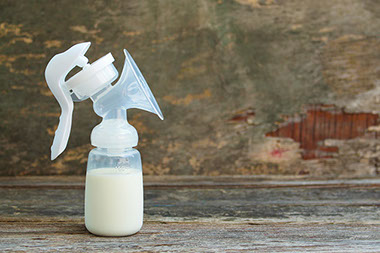
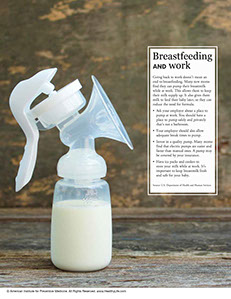
    Breast pump bottle filled with milk.

    Going back to work doesn’t mean an end to breastfeeding. Many new moms find they can pump their breastmilk while at work. This allows them to keep their milk supply up. It also gives them milk to feed their baby later, so they can reduce the need for formula.

    *  Ask your employer about a place to pump at work. You should have a place to pump safely and privately that’s not a bathroom.

    *  Your employer should also allow adequate break times to pump.

    *  Invest in a quality pump. Many moms find that electric pumps are easier and faster than manual ones. A pump may be covered by your insurance.

    *  Have ice packs and coolers to store your milk while at work. It’s important to keep breastmilk fresh and safe for your baby.

    Source: U.S. Department of Health and Human Services

    © American Institute for Preventive Medicine

  • Busting Diet Myths

    HEALTHY EATING

    Salad bowl.

    Losing weight can be challenging. It means you have to change your eating and exercise habits. But does it mean you have to give up all the foods you love?

    Many myths about a healthy diet can make the task harder than it needs to be. But the truth is, you can change your diet for the better and still enjoy your food.

    Learn to recognize these common diet myths. You can make a healthy change to your eating habits.

    Myth:Dieting means I can’t eat my favorite foods.

    Fact:You can use moderation to still enjoy your favorite foods. Moderation means you can have a small amount once in a while. It means you may have to cut back, but you don’t have to give it up.

    Having your favorite high-calorie foods in small amounts can be fine for most people. A small piece of cake at a birthday party or a little piece of dark chocolate can still fit into your healthy eating plan.

    Myth:To lose weight, you have to give up breads, pasta and other grains.

    Fact:Many grains can be part of your healthy diet. You should limit refined, processed grains like white bread and white pasta. But whole grains contain fiber and nutrients you need. Examples of healthy grains include:

    *  Whole wheat bread and pasta

    *  Brown rice

    *  Quinoa

    *  Oats

    Read the nutrition label on whole grain products to help avoid high-calorie choices and added sugars.

    Myth:Gluten-free foods are healthier options for weight loss.

    Fact:Only people who have celiac disease or sensitivities to gluten need to avoid gluten.

    Just because a food says it is “gluten-free” does not mean it’s healthier or has fewer calories than a food that contains gluten. In fact, if you avoid gluten, you could miss out on important nutrients. See a doctor if you think you have a gluten sensitivity.

    Myth:You should avoid fat to lose weight.

    Fact:Some fat in your food is necessary and healthy. Try to eat foods that contain healthy monounsaturated or polyunsaturated fats. Eating small amounts of healthy fat can even help you feel full.

    These foods contain healthy fats that are important for overall health:

    *  Olive oil

    *  Avocadoes

    *  Nuts

    *  Seeds

    *  Eggs

    *  Salmon, trout

    Source: National Institute of Diabetes and Digestive and Kidney Diseases

    © American Institute for Preventive Medicine