Author: AIPM

  • Questions About A1C Answered

    MEDICAL NEWS

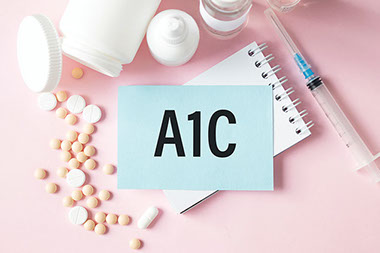
    Paper with A1C printed along with pills and syringe.

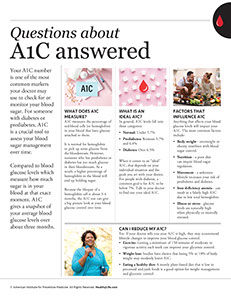
    Your A1C number is one of the most common markers your doctor may use to check for or monitor your blood sugar. For someone with diabetes or prediabetes, A1C is a crucial tool to assess your blood sugar management over time.

    Compared to blood glucose levels which measure how much sugar is in your blood at that exact moment, A1C gives a snapshot of your average blood glucose levels over about three months.

    What does A1C measure?

    A1C measures the percentage of red blood cells (or hemoglobin) in your blood that have glucose attached to them.

    It is normal for hemoglobin to pick up some glucose from the bloodstream. However, someone who has prediabetes or diabetes has too much glucose in their bloodstream. As a result, a higher percentage of hemoglobin in the blood will end up holding sugar.

    Because the lifespan of a hemoglobin cell is about 3-4 months, the A1C test can give a big picture look at your blood glucose control over time.

    What is an ideal A1C?

    In general, A1C levels fall into three categories:

    *  Normal: Under 5.7%

    *  Prediabetes: Between 5.7% and 6.4%

    *  Diabetes: Over 6.5%

    When it comes to an “ideal” A1C, that depends on your individual situation and the goals you set with your doctor. For people with diabetes, a common goal is for A1C to be below 7%. Talk to your doctor to find out your ideal A1C.

    Factors that influence A1C

    Anything that affects your blood glucose levels will impact your A1C. The most common factors include:

    *  Body weight – overweight or obesity interferes with blood sugar control.

    *  Nutrition – a poor diet can impair blood sugar regulation.

    *  Movement – a sedentary lifestyle increases your risk of prediabetes and diabetes.

    *  Iron deficiency anemia – can result in a falsely high A1C due to low total hemoglobin.

    *  Illness or stress – glucose levels are naturally high when physically or mentally stressed.

    Can I reduce my A1C?

    Yes. If your doctor tells you your A1C is high, they may recommend lifestyle changes to improve your blood glucose control.

    *  Exercise: Getting a minimum of 150 minutes of moderate to vigorous activity each week can improve your glycemic control.

    *  Weight loss: Studies have shown that losing 5% to 10% of body weight may modestly lower A1C.

    *  Eating a healthy diet: A mostly plant-based diet that is low in processed and junk foods is a good option for weight management and glycemic control.
    © American Institute for Preventive Medicine
  • Pros & Cons Of Beef

    HEALTHY EATING

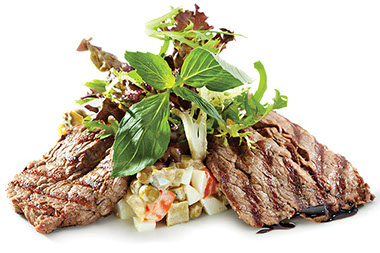
    Two pieces of beef with garnish.

    If you feel confused about whether it’s OK to eat burgers and steak, you are not alone. While there is no one right answer for everyone, there are helpful guidelines that can aid you in deciding whether eating beef is right for you.

    Some people choose to give up beef completely, and that’s perfectly fine and healthy.

    However, if beef is a food you enjoy, you don’t necessarily have to cut it out of your diet. There is a middle path that can help you prevent some of the drawbacks of eating beef and still enjoy this nutritious protein source.

    Pros of eating beef

    *  Concentrated source of protein

    *  Provides essential nutrients such as vitamin B12 and iron

    *  Grass-fed beef can provide healthy omega 3 fats

    *  Cattle raised using regenerative agriculture techniques can provide environmental benefits

    Cons of eating beef

    *  High intake of red meat is linked to increased risk of heart disease, cancer, and diabetes.

    *  Cattle raised on feedlots may have a negative environmental impact

    *  Conditions in some feedlots may be concerning

    *  Processed red meats contain chemicals that can be cancer-causing

    If you eat meat

    Limit your overall intake: Moderation is key, not only in portion size but also frequency. The recommended portion size of beef is about 3-4 ounces. Limit red meat consumption to two or three times a week.

    Choose lean red meat: Avoid processed, smoked, or cured meats such as hot dogs, cold cuts, and jerky. Instead, opt for lean cuts of beef such as:

    *  90% or more lean ground beef

    *  Sirloin cuts

    *  Round cuts

    Choose grass-fed beef: Grass-fed beef is lower in total and saturated fat. It also contains more healthy fats, such as omega 3’s while still providing vitamin B12 and iron.

    Source: Centers for Disease Control and Prevention

    © American Institute for Preventive Medicine
  • Positive Parenting Hacks

    FAMILY LIFE

    Parents with son, smile.

    Don’t focus on mistakes or bad behavior. Catch your child doing good things and point them out.

    Chores don’t have to be a punishment. Chores at home can help children learn life skills and independence.

    Spend a little time connecting each day. Take a few minutes to talk to your child without phones or screens.

    © American Institute for Preventive Medicine

  • Pasta With Chickpeas, Tomato & Spinach

    HEALTHY EATING

    Pasta with chickpeas, tomato and spinach.

    Ingredients

    *  1 small yellow onion (peeled and chopped into ¼-inch pieces)

    *  8 ounces medium-size whole-wheat pasta (such as rotini or shells)

    *  1 tablespoon vegetable oil

    *  2 cloves garlic (peeled and minced)

    *  2 carrots (scrubbed and diced into 1/4-inch pieces)

    *  1 celery stalk (diced into 1/4-1/2-inch pieces)

    *  1/2 teaspoon dried rosemary

    *  1 can 16-ounce low-sodium chickpeas (drained and rinsed with cold water)

    *  1 can 14.5-ounce low-sodium diced tomatoes (including the liquid)

    *  2 cups spinach (washed and chopped)

    *  1/2 teaspoon chopped red pepper flakes (optional)

    *  1/4 cup grated Parmesan cheese (optional)

    *  1/4 cup whole olives (optional)

    Directions

    1.  To cook the pasta, fill a large pot halfway with water. Bring it to a boil over high heat. When the water is boiling, add the pasta and cook until just tender, about 12 minutes or the time listed on the package. Just before draining, reserve 1 ½ cups of the pasta water. Drain the pasta and set aside.

    2.  While the pasta is cooking, cook the sauce: Put the skillet on the stove over medium-low heat and when it is hot, add the oil. Add the garlic, onion, carrots, celery, and rosemary and cook until the garlic is golden, about 15 minutes.

    3.  Add the chickpeas and using the fork, lightly mash half of them. Add the reserved pasta water and tomatoes and cook 10 minutes.

    4.  Add the pasta and spinach to the skillet mixture and cook until the spinach is tender and most of the liquid has been absorbed by the pasta, about 10 minutes. Add the red pepper flakes and olives, if desired.

    5.  Mix well and serve immediately, garnished with Parmesan cheese if desired.

    Note: Kale can be used instead of spinach.

    Nutrition Facts: Servings 4. Calories 395; Total Fat 8 g; Saturated Fat 2 g; Total Carbohydrate 68 g; Dietary Fiber 13 g; Protein 19 g.

    Source: What’s Cooking? USDA Mixing Bowl

    © American Institute for Preventive Medicine

  • Natural Remedies For Menopause Symptoms

    SELF-CARE CORNER

    Women sitting with eyes closed and relaxed.

    Menopause symptoms range from annoying to nearly unbearable. Hot flashes, mood changes and sleep problems are just a few things that come with this transition.

    Some women get relief from their menopause symptoms with complementary or “natural” approaches. Here’s what you should know about these remedies.

    Acupuncture

    Acupuncture involves stimulating specific points on the body. Usually, a practitioner will insert thin needles into the surface of the skin. Some studies have found acupuncture lowered the frequency and severity of hot flashes. But other studies have found no benefit.

    If you decide to try acupuncture, make sure you use a licensed and experienced practitioner. They should only use sterile, single-use needles.

    Hypnotherapy

    Hypnotherapy is when a provider uses hypnosis for health reasons. During a hypnotherapy session, your attention is concentrated and focused. You’ll have a stronger response to things that your provider says.

    Some evidence suggests that hypnotherapy can provide relief from hot flashes. Hypnosis is generally safe if a trained, licensed health care provider performs it. But if you have any mental health conditions, ask a provider before trying hypnotherapy.

    Mindfulness meditation

    Mindfulness meditation is a mental training exercise. It means you completely focus on what’s happening in the moment. It might include breathing, guided imagery or other techniques.

    Some evidence suggests that mindfulness meditation training helps menopausal women with:

    *  How much hot flashes bothered them

    *  Anxiety

    *  Sleep quality

    *  Stress

    *  Overall quality of life

    Meditation is generally safe. But ask a doctor before trying it if you have any physical or mental health conditions.

    Herbs for menopause symptoms

    Some studies have shown benefits to taking herbs for menopause. But others found that they didn’t help and could even be dangerous.

    Many supplements can interfere with medicines or cause problems if you have health conditions. In some cases, herbal supplements may contain things that aren’t listed on the label.

    Always talk to your health care provider before taking any herbal or vitamin supplement.

    Sources: National Center for Complementary and Integrative Health, U.S. Department of Health & Human Services Office on Women’s Health

    © American Institute for Preventive Medicine