Author: AIPM

  • What’s The Secret To A Long Life?

    MEDICAL NEWS

    Father and adult son talking while drinking coffee.

    Today many people are living longer than ever. Part of this is because of advances in medical care. But there are things you can do to live a long, healthy life too. Here are some tips that could help you live longer.

    Exercise

    Experts in aging and health say exercise may be the most important thing you can do to live longer. But why?

    As we age, we lose some muscle. This can lead to less energy and achy joints, which may cause you to exercise less and sit more. This, in turn, raises the risk of disease as well as death.

    People of any age can learn to get active. Not sure how to start? Talk to your doctor about options that are safe and healthy for you.

    Shed extra pounds

    Having a BMI higher than 30 raises the risk of all causes of mortality (death). It can lead to health problems like heart disease, stroke, diabetes and some cancers.

    You may not need to lose a lot to improve your health. Even losing 10-15 pounds can make a difference.

    Losing weight isn’t easy. But there are safe and healthy ways to do it. Eating healthier foods and getting regular exercise will help, but ask your doctor for advice.

    Quit smoking (or don’t smoke)

    Smoking increases the risk of lung disease, cancers, heart disease and diabetes. The good news is that when you quit smoking, your risk of smoking-related death starts to decrease. It can add years to your life if you quit today!

    Many people are able to quit smoking with help from a doctor or therapist. They may also use nicotine replacement products like patches, gum or an inhaler. Ask your doctor for help with your plan to quit.

    Do I need good genes?

    We may think a long life is all in our family history. But genes are only a piece of the health puzzle.

    Experts in aging say that your own healthy behaviors mean much more than genes. In fact, many people could live to 90 with a healthy lifestyle, regardless of genes, according to experts at the National Institutes of Health.

    Harness the power to live longer by starting healthy habits!

    Sources: Centers for Disease Control and Prevention, National Institutes of Health

    © American Institute for Preventive Medicine

  • Tips For Joining A Gym

    BE FIT

    Older adults using dumb bells in fitness class.

    A gym can be a great option if you like to work out indoors, but out of your house. And they can help you beat boredom if they offer classes and a variety of equipment. Before you join a gym, keep these things in mind:

    Ask the right questions

    The gym staff should allow people to visit and check it out before signing a contract. See if the equipment is clean and well-maintained. You should also ask:

    *  Do you have a membership limit? If they allow unlimited members, the gym could get very crowded at peak times. This could mean waiting in line to use equipment or full classes.

    *  Do classes cost extra? Some gyms include classes. Others charge a fee.

    *  Who are your instructors? Ask if the gym staff, teachers and trainers have fitness backgrounds.

    Pricing it out

    Many gyms have you sign a monthly or yearly contract. Think about how many times per week you will go to the gym. Then divide it up and see how much you will pay each time you work out.

    Find out if you are locked into a long-term contract. What is their cancellation policy?

    Good health is worth the cost of the gym – but only if you use it!

    YMCAs  often have discounted programs for seniors that may be covered as a Medicare benefit at no cost.

    Check out reviews

    Before signing up, search reviews of the gym on the Internet. See what others have to say about the gym’s staff, facilities and equipment.

    This is a good way to get some insider information before you move forward. And don’t let them pressure you into joining before you’re ready. Tell them, “I need to think about it” if you’re not sure yet. Then sleep on it for a day or two and check reviews – before you decide.

    Source: Federal Trade Commission

    © American Institute for Preventive Medicine

  • Turmeric

    HEALTHY EATING

    Small bowl filled with turmeric spice.

    Turmeric is a member of the ginger family and widely grown in India. Its color comes from curcumin, the major active compound in turmeric.

    Using Turmeric In Cooking

    The savory, earthy flavor of turmeric can add depth to many dishes. Experiment with adding it to some of the foods you commonly eat. You might be surprised how well it complements dishes you already love.

    Here are some foods that are delicious when flavored with turmeric:

    *  Rice

    *  Eggs

    *  Smoothies

    *  Soups and stews

    *  Vegetable dishes

    *  And, of course, curry

    Whenever you use turmeric, add a bit of pepper as well. Pepper contains a compound called piperine, which enhances the absorption of the curcumin in turmeric.

    © American Institute for Preventive Medicine

  • Understanding Autoimmunity

    MEDICAL NEWS

    Smiling female.

    The immune system is a finely tuned network of organs and cells that protect you. When the body senses a threat, such as an injury, bacteria, or virus, the immune system swings into action. An autoimmune disease occurs when the immune system mistakenly targets your own tissues, causing damage.

    Common autoimmune conditions

    *  Type 1 diabetes

    *  Lupus

    *  Rheumatoid arthritis

    *  Irritable bowel syndrome

    *  Graves’ disease

    *  Hashimoto’s disease

    *  Multiple sclerosis

    *  Psoriasis

    *  Celiac disease

    *  Alopecia areata

    Symptoms

    The specific symptoms vary by type of autoimmune condition. However, many autoimmune diseases share some common symptoms:

    *  Fatigue

    *  Dizziness

    *  Redness and swelling

    *  Muscle aches

    *  Low-grade fevers

    *  Symptoms that come and go, called flares and remission

    Causes

    No one knows exactly why some people develop an autoimmune disease. However, they are more common in some groups of people:

    *  Women are more likely than men to develop an autoimmune condition.

    *  Genetics may predispose a person to certain autoimmune diseases.

    *  Exposure to certain viruses, bacteria, or chemicals may trigger an autoimmune reaction.

    *  Some autoimmune disorders are more common among certain racial or ethnic groups.

    Treatment

    Your doctor is your best resource to properly diagnose and treat autoimmune diseases. The exact treatment depends on the type of autoimmune condition, the areas of the body affected, and your own health and medical history.

    Treatment goals include:

    *  Suppress or slow down the immune system to prevent it from damaging tissues.

    *  Control symptoms, including pain, inflammation, rash, etc.

    *  Replace any substances your body can no longer make, for example, insulin if you have type 1 diabetes.

    © American Institute for Preventive Medicine

  • Understanding Epilepsy

    MEDICAL NEWS

    Purple ribbon and brain to represent epilepsy awareness.

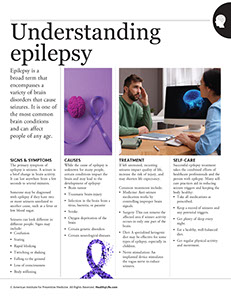
    Epilepsy is a broad term that encompasses a variety of brain disorders that cause seizures. It is one of the most common brain conditions and can affect people of any age.

    Signs & symptoms

    The primary symptom of epilepsy is seizures. A seizure is a brief change in brain activity. It can last anywhere from a few seconds to several minutes.

    Someone may be diagnosed with epilepsy if they have two or more seizures unrelated to another cause, such as a fever or low blood sugar.

    Seizures can look different in different people. Signs may include:

    *  Confusion

    *  Staring

    *  Rapid blinking

    *  Twitching or shaking

    *  Falling to the ground

    *  Loss of consciousness

    *  Body stiffening

    Causes

    While the cause of epilepsy is unknown for many people, certain conditions impact the brain and may lead to the development of epilepsy:

    *  Brain tumor

    *  Traumatic brain injury

    *  Infection in the brain from a virus, bacteria, or parasite

    *  Stroke

    *  Oxygen deprivation of the brain

    *  Certain genetic disorders

    *  Certain neurological diseases

    Treatment

    If left untreated, recurring seizures impact quality of life, increase the risk of injury, and may shorten life expectancy.

    Common treatments include:

    *  Medicine: Anti-seizure medication works by controlling improper brain signals.

    *  Surgery: This can remove the affected area if seizure activity occurs in only one part of the brain.

    *  Diet: A specialized ketogenic diet may be effective for some types of epilepsy, especially in children.

    *  Nerve stimulation: An implanted device stimulates the vagus nerve to reduce seizures.

    Self-care

    Successful epilepsy treatment takes the combined efforts of healthcare professionals and the person with epilepsy. Many self-care practices aid in reducing seizure triggers and keeping the body healthy:

    *  Take all medications as prescribed.

    *  Keep a record of seizures and any potential triggers.

    *  Get plenty of sleep every night.

    *  Eat a healthy, well-balanced diet.

    *  Get regular physical activity and movement.

    © American Institute for Preventive Medicine
  • What’s A Flexitarian Diet?

    HEALTHY EATING

    Cauliflower steak with spices, sauce, almond flakes. Capers, olives, herbs, side by side.

    Flexitarian diet encourages mostly plant foods but allows animal products and meat occasionally.

    A flexitarian diet may be right for you if you are working to decrease your meat intake and eat more plant foods.

    How to eat flexitarian style

    Here are some general guidelines of what flexitarian eating might look like:

    *  Plant foods are the center of every meal. Your primary foods should include:

    – Vegetables

    – Fruits

    – Whole grains

    – Oils, herbs, and spices

    – Nuts and nut butter

    – Plant proteins such as beans, legumes, and tofu

    – Dairy products

    – Eggs

    *  If meat is a big part of your diet, begin by making one to two meals a day meat-free.

    *  Over time, as you adapt to less meat, choose two to three days a week as meat-free days.

    *  Eventually, many flexitarians try to eat meat one or two days a week or less.

    Potential benefits of flexitarian eating

    Diets high in plant foods have been shown to improve health and decrease the risk of disease. Because a flexitarian diet is plant-based, it may provide many of the same benefits.

    Studies that examined the benefits of a flexitarian diet found it may help you:

    *  Lose weight

    *  Reduce the risk of diabetes

    *  Lower blood pressure

    © American Institute for Preventive Medicine
  • What Is Lymphoma?

    MEDICAL NEWS

    Illustration of vein with blood cells.

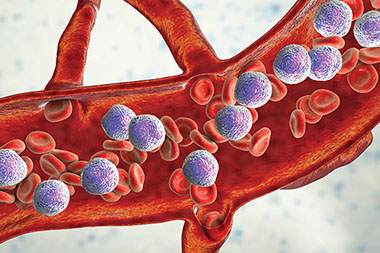
    There are several different types of blood cancers. About half of all blood cancers are lymphomas. Lymphoma is cancer in the lymph system. The lymph system is part of the immune system that fights off illnesses and infections. It also helps control the flow of fluids in the body.

    Lymphoma is not one type of cancer. It is a group of many types.

    Hodgkin lymphoma is one type. It was named after the doctor who discovered it. All other lymphomas are called non-Hodgkin lymphomas. There are more than 60 types of non-Hodgkin lymphomas.

    What’s the difference?

    Hodgkin and non-Hodgkin lymphomas affect lymphocytes, which are cells in the lymphatic system. Doctors can tell which type of lymphoma a person has by looking at their cells under a microscope.

    Hodgkin lymphoma has a special cell with two centers, or nuclei. These are known as Reed-Sternberg cells, and they only occur in people with Hodgkin lymphoma.

    Similar signs

    Even though there are different types of lymphoma, the signs look alike. Some signs include:

    *  A painless lump in the neck, armpit or groin

    *  Excessive sweating

    *  Fever

    *  Trouble breathing

    *  Weight loss

    *  No appetite

    *  Feeling weak

    *  Itching

    Know the risk

    Lymphoma can attack almost any area of the body. Often its symptoms are hard to spot, or they may be blamed on other health issues. That’s why it’s good to know if you’re at a higher risk of getting lymphoma. Risk factors include:

    *  Having a close relative with lymphoma

    *  Previously being exposed to radiation or chemotherapy

    *  Long-term exposure to chemicals

    *  Having a weakened immune system

    Talk to your doctor

    There is no surefire way to prevent lymphoma. However, you can get regular checkups and talk to your doctor about your health. Ask them about your risk of cancer and ways you can lead the healthiest life possible. If you notice changes in your health or symptoms, tell them.

    Sources: American Cancer Society, Leukemia and Lymphoma Society

    © American Institute for Preventive Medicine

  • What To Know About Blood Clots

    SELF-CARE CORNER

    Veins on the back of a women's leg.

    Healthy blood is designed to clot. When blood clots, it prevents heavy bleeding. But, if a clot happens inside a vein, it can be dangerous. This is called a deep vein thrombosis (DVT). Sometimes, the blood clot may move through the body and get stuck in the lungs. This is called a pulmonary embolism (PE).

    Up to 100,000 Americans die from a DVT or PE every year. These clots kill more people than breast cancer, car collisions, and HIV/AIDS combined.

    Signs of a clot

    Signs of a DVT or PE include:

    *  Swelling, tenderness, redness or warmth in one area of the body

    *  Chest heaviness or pain

    *  Sweating

    *  Feeling out of breath

    *  Weakness or fainting

    *  Fast heart beat

    *  Feeling of impending doom

    Know your risk

    Certain things make you more likely to get a blood clot. They include:

    *  Recent surgery or an injury

    *  Being in bed for long periods

    *  Not moving a certain body part, such as a broken leg

    *  Sitting for a long time, including during travel

    *  Higher levels of estrogen from birth control pills, pregnancy or hormone replacement therapy

    *  Medical conditions, such as cancer, Crohn’s disease, ulcerative colitis, heart disease, blood clotting disorders or lung disease

    *  Obesity

    *  Smoking

    *  History of atrial fibrillation (A-fib)

    Reduce your risk

    Talk about your risk with your doctor. You can lower your risk of getting a blood clot by:

    *  Getting up from sitting at least every two hours

    *  Moving around after surgery or being in bed for a long time

    *  Moving legs and feet while on plane trips

    *  Wearing loose-fitting clothes while sitting for a long time

    *  Exercising regularly

    *  Wearing compression stockings if recommended by your doctor

    What to do?

    If you think you or a loved one might have a blood clot, see a doctor right away. A blood clot can be treated if it’s caught early. Sometimes, doctors use medicines that dissolve the clot. Other times, doctors will perform surgery to remove the clot.

    Sources: American Society of Hematology, Centers for Disease Control and Prevention

    © American Institute for Preventive Medicine