Author: AIPM

  • Bone Broth:Worth The Hype?

    HEALTHY EATING

    Image of bone broth soup.

    People have been cooking bones to make bone broth for thousands of years.

    Today, this age-old recipe is being promoted as a superfood. But, do these health claims hold water? Here are three main points to keep in mind:

    1.  Homemade bone broth usually contains more protein than store-bought broth.

    2.  You can make your broth healthier by adding vegetables and herbs – and skipping the salt.

    3.  Currently, there is no solid evidence that bone broth has any additional or special medicinal properties, but research is ongoing.

    © American Institute for Preventive Medicine

  • Work-Related Skin Problems

    WORK LIFE

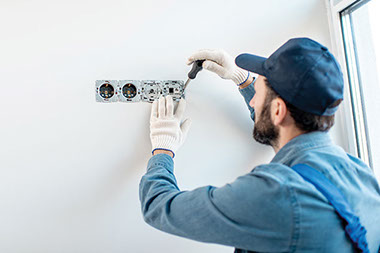
    Electrician wearing gloves while working.

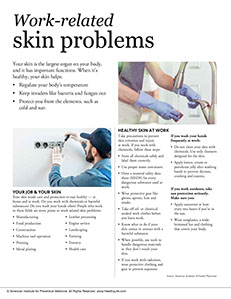
    Your skin is the largest organ on your body, and it has important functions. When it’s healthy, your skin helps:

    *  Regulate your body’s temperature

    *  Keep invaders like bacteria and fungus out

    *  Protect you from the elements, such as cold and sun

    Your job & your skin

    Your skin needs care and protection to stay healthy – at home and at work. Do you work with chemicals or harmful substances? Do you wash your hands often? People who work in these fields are more prone to work-related skin problems:

    *  Manufacturing

    *  Food production

    *  Construction

    *  Machine tool operation

    *  Printing

    *  Metal plating

    *  Leather processing

    *  Engine service

    *  Landscaping

    *  Farming

    *  Forestry

    *  Health care

    Healthy skin at work

    Take precautions to prevent skin irritation and injury at work. If you work with chemicals, follow these steps:

    *  Store all chemicals safely and label them correctly.

    *  Use proper waste containers.

    *  Have a material safety data sheet (MSDS) for every dangerous substance used at work.

    *  Wear protective gear like gloves, aprons, hats and masks.

    *  Take off oil- or chemical-soaked work clothes before you leave work.

    *  Know what to do if your skin comes in contact with a harmful substance.

    *  When possible, use tools to handle dangerous materials so they don’t touch your skin.

    *  If you work with radiation, wear protective clothing and gear to prevent exposure.

    If you wash your hands frequently at work:

    *  Do not clean your skin with chemicals. Use only cleansers designed for the skin.

    *  Apply lotion, cream or petroleum jelly after washing hands to prevent dryness, cracking and eczema.

    If you work outdoors, take sun protection seriously. Make sure you:

    *  Apply sunscreen at least every two hours if you’re in the sun.

    *  Wear sunglasses, a wide-brimmed hat and clothing that covers your body.

    Source: American Academy of Family Physicians

    © American Institute for Preventive Medicine

  • Boost Your Exercise With Caffeine

    BE FIT

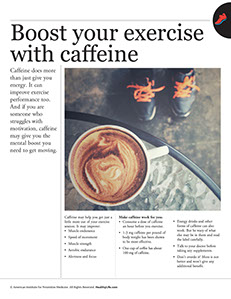
    Caffeine does more than just give you energy. It can improve exercise performance too. And if you are someone who struggles with motivation, caffeine may give you the mental boost you need to get moving.

    Caffeine may help you get just a little more out of your exercise session. It may improve:

    *  Muscle endurance

    *  Speed of movement

    *  Muscle strength

    *  Aerobic endurance

    *  Alertness and focus

    Make caffeine work for you:

    *  Consume a dose of caffeine an hour before you exercise.

    *  1-3 mg caffeine per pound of body weight has been shown to be most effective.

    *  One cup of coffee has about 100 mg of caffeine.

    *  Energy drinks and other forms of caffeine can also work. But be wary of what else may be in them and read the label carefully.

    *  Talk to your doctor before taking any supplements.

    *  Don’t overdo it! More is not better and won’t give any additional benefit.

    © American Institute for Preventive Medicine

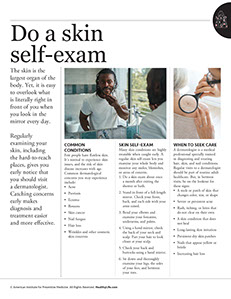
  • Do A Skin Self-Exam

    SELF-CARE CORNER

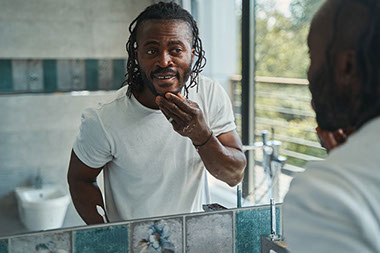
    Man looking at himself in mirror.

    The skin is the largest organ of the body. Yet, it is easy to overlook what is literally right in front of you when you look in the mirror every day.

    Regularly examining your skin, including the hard-to-reach places, gives you early notice that you should visit a dermatologist. Catching concerns early makes diagnosis and treatment easier and more effective.

    Common conditions

    Few people have flawless skin. It’s normal to experience skin issues, and the risk of skin disease increases with age. Common dermatological concerns you may experience include:

    *  Acne

    *  Psoriasis

    *  Eczema

    *  Rosacea

    *  Skin cancer

    *  Nail fungus

    *  Hair loss

    *  Wrinkles and other cosmetic skin concerns

    Skin Self-exam

    Many skin conditions are highly treatable when caught early. A regular skin self-exam lets you examine your whole body and monitor any moles, blemishes, or areas of concern.

    1.  Do a skin exam about once a month after exiting the shower or bath.

    2.  Stand in front of a full-length mirror. Check your front, back, and each side with your arms raised.

    3.  Bend your elbows and examine your forearms, underarms, and palms.

    4.  Using a hand mirror, check the back of your neck and scalp. Part your hair to look closer at your scalp.

    5.  Check your back and buttocks using a hand mirror.

    6.  Sit down and thoroughly examine your legs, the soles of your feet, and between your toes.

    When to seek care

    A dermatologist is a medical professional specially trained in diagnosing and treating hair, skin, and nail conditions. Regular visits to a dermatologist should be part of routine adult healthcare. But, in between visits, be on the lookout for these signs:

    *  A mole or patch of skin that changes color, size, or shape

    *  Severe or persistent acne

    *  Rash, itching, or hives that do not clear on their own

    *  A skin condition that does not heal

    *  Long-lasting skin irritation

    *   Persistent dry skin patches

    *  Nails that appear yellow or brittle

    *  Increasing hair loss

    © American Institute for Preventive Medicine

  • Rucking For Beginners

    BE FIT

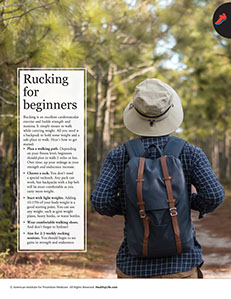
    Rucking is an excellent cardiovascular exercise and builds strength and stamina. It simply means to walk while carrying weight. All you need is a backpack to hold some weight and a safe place to walk. Here’s how to get started:

    *  Plan a walking path. Depending on your fitness level, beginners should plan to walk 2 miles or less. Over time, up your mileage as your strength and endurance increase.

    *  Choose a sack. You don’t need a special rucksack. Any pack can work, but backpacks with a hip belt will be most comfortable as you carry more weight.

    *  Start with light weights. Adding 10-15% of your body weight is a good starting point. You can use any weight, such as gym weight plates, heavy books, or water bottles.

    *  Wear comfortable walking shoes. And don’t forget to hydrate!

    *  Aim for 2-3 weekly rucking sessions. You should begin to see gains in strength and endurance.

    © American Institute for Preventive Medicine

  • Understanding Perimenopause

    MEDICAL NEWS

    Women outside looking out to the distance.

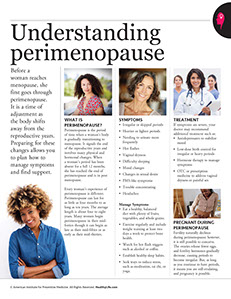
    Before a woman reaches menopause, she first goes through perimenopause. It is a time of adjustment as the body shifts away from the reproductive years. Preparing for these changes allows you to plan how to manage symptoms and find support.

    What is perimenopause?

    Perimenopause is the period of time when a woman’s body is gradually transitioning to menopause. It signals the end of the reproductive years and involves many physical and hormonal changes. When a woman’s period has been absent for a full 12 months, she has reached the end of perimenopause and is in post menopause.

    Every woman’s experience of perimenopause is different. Perimenopause can last for as little as four months to as long as ten years. The average length is about four to eight years. Many women begin perimenopause in their mid-forties though it can begin as late as their mid-fifties or as early as their mid-thirties.

    Symptoms

    *  Irregular or skipped periods

    *  Heavier or lighter periods

    *  Needing to urinate more frequently

    *  Hot flashes

    *  Vaginal dryness

    *  Difficulty sleeping

    *  Mood changes

    *  Changes in sexual desire

    *  PMS-like symptoms

    *  Trouble concentrating

    *  Headaches

    Manage Symptoms

    *  Eat a healthy, balanced diet with plenty of fruits, vegetables, and whole grains.

    *  Exercise regularly and include weight training at least two days a week to protect bone health.

    *  Watch for hot flash triggers such as alcohol or coffee.

    *  Establish healthy sleep habits.

    *  Seek ways to reduce stress, such as meditation, tai chi, or yoga.

    Treatment

    If symptoms are severe, your doctor may recommend additional treatment such as:

    *  Antidepressants to stabilize mood

    *  Low-dose birth control for irregular or heavy periods

    *  Hormone therapy to manage symptoms

    *  OTC or prescription medicine to address vaginal dryness or painful sex

    Pregnant during perimenopause

    Fertility naturally declines during perimenopause; however, it is still possible to conceive. The ovaries release fewer eggs, and fertility hormones gradually decrease, causing periods to become irregular. But, as long as you continue to have periods, it means you are still ovulating, and pregnancy is possible.

    © American Institute for Preventive Medicine

  • Be Strong At Any Age

    BE FIT

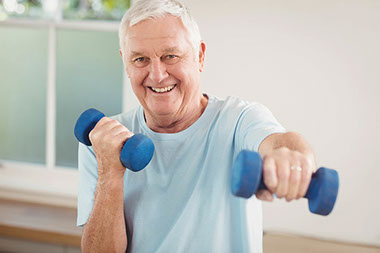
    Older man using weights.

    When you think of exercise, do you think of going for a run or taking an aerobics class? Those are great cardio workouts. But there is more to fitness than just cardio.

    Strong is healthy

    Strength training or lifting weights is a big part of being healthy and fit. Many people don’t do strength training because they don’t want to “bulk up.” Older adults might skip it because they think it’s only for younger people who are more muscular.

    You won’t get big bodybuilder muscles from doing strength training. That is, unless you train hard with that goal in mind. And many older adults can safely do strength training and find that they love how it makes them feel.

    If you do regular strength exercises, you will get a stronger body and better quality of life at any age. No bodybuilder is needed!

    Research shows that strength training can lower the risk of heart disease and other health conditions. It also helps you stay independent as you get older. Older adults who do strength training may find that everyday tasks are much easier. This can include things like getting out of a chair or climbing stairs.

    Strong is good for the mind

    The benefits of a strong body don’t stop at the muscles. Research also shows that strength training may reduce the effects of post traumatic stress disorder (PTSD). It can also help boost self-esteem.

    You can start today

    If you don’t have equipment, like weights, you can use things around the house, like soup cans. You can also use your own body weight. Think push-ups, planks and other similar exercises. They use your body weight and gravity to build muscles.

    A good way to start is with an exercise video or online class. You don’t have to go to a gym. But before you start, talk to your doctor. Ask if a new exercise program is safe for you. Talk about things you should or should not do to stay safe and help avoid injury.

    Give strength training a chance. You may find that it makes you feel better than you thought possible! A diet with adequate protein can help build muscle at any age and even promote healing. Talk to your doctor if you plan to make major diet changes.

    Source: National Institutes of Health

    © American Institute for Preventive Medicine

  • Benefits Of Stretching

    BE FIT

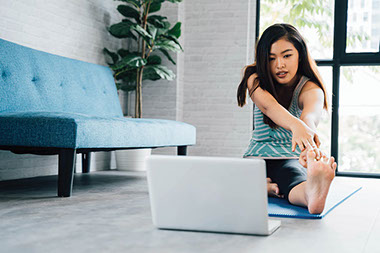
    Women stretching.

    When most people think of exercise they envision cardio or weight training. But, no workout routine is complete without stretching. Here are six unique benefits.

    Improve flexibility

    Flexibility is a well-known benefit of stretching. To increase your range of motion, hold each stretch for 90 seconds.

    Prevent injury

    Stretching increases blood flow to joints and muscles, decreasing stiffness and reducing the risk of injury.

    Decrease tension

    Stretching releases tension in your muscles, but it can also release mental tension if you take time to be still and breathe.

    Calm the mind

    Unlike vigorous exercise which pumps you up, the slow pace of stretching can be soothing for your mind.

    Counteract the effects of sitting

    If you are one of the many people who spend a lot of time sitting, stretching is essential to keep the body limber.

    Promotes mindfulness

    Stretching provides the chance to notice how your body feels, an essential aspect of mindfulness.

    © American Institute for Preventive Medicine