Author: AIPM

  • Breastfeeding And Work

    WORK LIFE

    Breast pump bottle filled with milk.

    Going back to work doesn’t mean an end to breastfeeding. Many new moms find they can pump their breastmilk while at work. This allows them to keep their milk supply up. It also gives them milk to feed their baby later, so they can reduce the need for formula.

    *  Ask your employer about a place to pump at work. You should have a place to pump safely and privately that’s not a bathroom.

    *  Your employer should also allow adequate break times to pump.

    *  Invest in a quality pump. Many moms find that electric pumps are easier and faster than manual ones. A pump may be covered by your insurance.

    *  Have ice packs and coolers to store your milk while at work. It’s important to keep breastmilk fresh and safe for your baby.

    Source: U.S. Department of Health and Human Services

    © American Institute for Preventive Medicine

  • Blood Cancer: Key Facts

    MEDICAL NEWS

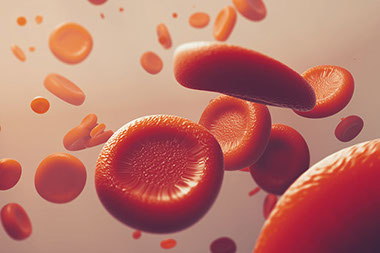
    Illustration of cancer attacking blood cells.

    Your blood is made up of many different types of cells. These include red blood cells, white blood cells, and platelets. White blood cells protect the body from harmful substances and prevent infections.

    Blood cancer is caused by the uncontrolled growth of abnormal white blood cells. The abnormal cells do not work properly, preventing them from carrying out their essential functions. As the dysfunctional cells accumulate in the blood, they crowd out healthy cells.

    It’s important to know what signs and symptoms to look for. Be sure to check with your doctor if you have any questions or concerns about blood cancer.

    Three main types of blood cancer

    Leukemia

    Leukemia is cancer that affects the bone marrow where blood cells are made. From the bone marrow, it spreads to the blood and can affect other organs.

    Lymphoma

    This type of blood cancer impacts the white blood cells in the lymphatic system. There are two types of lymphoma: Hodgkin, which spreads directly from one lymph node to another, and Non-Hodgkin, which spreads erratically through the lymph nodes.

    Multiple myeloma

    Myeloma affects plasma cells. These are white blood cells that produce antibodies to fight infections. When the plasma cells don’t function correctly, the body’s immune system doesn’t work properly.

    Symptoms of blood cancer

    Talk to your doctor if you experience the following:

    *  Fatigue

    *  Fever

    *  Unexplained weight loss

    *  Bone pain

    *  Swollen lymph nodes

    *  Frequent infections

    Survival rates have steadily increased

    Fifty years ago, there were few successful treatments for blood cancer. Now, there is a range of treatment options available, and more people achieve remission than ever before. Early detection and improved treatments have increased five-year survival rates and provide hope for the future.

    © American Institute for Preventive Medicine

  • Benefits Of Stretching

    BE FIT

    Women stretching.

    When most people think of exercise they envision cardio or weight training. But, no workout routine is complete without stretching. Here are six unique benefits.

    Improve flexibility

    Flexibility is a well-known benefit of stretching. To increase your range of motion, hold each stretch for 90 seconds.

    Prevent injury

    Stretching increases blood flow to joints and muscles, decreasing stiffness and reducing the risk of injury.

    Decrease tension

    Stretching releases tension in your muscles, but it can also release mental tension if you take time to be still and breathe.

    Calm the mind

    Unlike vigorous exercise which pumps you up, the slow pace of stretching can be soothing for your mind.

    Counteract the effects of sitting

    If you are one of the many people who spend a lot of time sitting, stretching is essential to keep the body limber.

    Promotes mindfulness

    Stretching provides the chance to notice how your body feels, an essential aspect of mindfulness.

    © American Institute for Preventive Medicine

  • Be Smart About Seizures

    MEDICAL NEWS

    A brain model.

    A seizure is a sudden surge of electrical activity in the brain. It can cause a person to have uncontrolled movements. A grand mal seizure or tonic-clonic seizure is the most serious. It usually involves jerking movements, shaking and the inability to talk or communicate.

    When it comes to seizures, there are plenty of myths. Knowing the truth about seizures could save someone’s life.

    Myth:A person having a seizure could swallow their tongue.

    Truth:This is not possible. Never put something in a person’s mouth if they are having a seizure.

    Myth:You should hold the person down.

    Truth:Do not try to hold or move the person unless they are in immediate danger of getting hurt. You can help get them on the floor and turn on their side. This keeps the person from injuring themselves or falling.

    Myth:You should always give mouth-to-mouth or CPR during a seizure.

    Truth:People usually start breathing normally after the seizure is over. But if the patient stops breathing for more than 30 seconds, call 911 and begin CPR.

    Should you call 911?

    Call 911 if:

    *  The person has never had a seizure before.

    *  The person stops breathing for more than 30 seconds, or has trouble breathing after the seizure.

    *  The seizure happened in the water.

    *  The person is pregnant.

    *  The person doesn’t wake up after the seizure.

    *  The person has a health condition like heart disease or diabetes.

    *  The seizure lasts longer than five minutes.

    *  The person is hurt.

    Source: Centers for Disease Control and Prevention

    © American Institute for Preventive Medicine

  • Be More Tech-Savvy

    WORK LIFE

    Man on laptop with thumbs up.

    Keeping up with the latest technology can be daunting. Being tech-savvy means being proficient in the use of technology, especially computers.

    While you may not need to be able to write complex codes, feeling confident and comfortable with modern technology makes you a valuable employee and helps you connect with family and friends. Here are some easy ways to boost your tech-savvy.

    Google it

    If you don’t know how to use a platform, software, or device, use a search engine like Google. The answer to most questions can be found online if you’re willing to take the time. Be as specific with your search terms as possible to find the best answer.

    Search YouTube

    A video with step-by-step instructions will get you in the know fast. There are videos out there on most devices, apps, programs, and even video games. Not all videos are equal, so take a few minutes to find one that provides the information you need.

    Take a class at the library

    Your local library likely offers classes that provide hands-on instruction on many new forms of technology. Plus, you get to learn in a supportive environment with others committed to broadening their horizons.

    Troubleshoot

    Impatience and frustration are barriers to learning. Take the time to explore new technology with a mindset of curiosity. Slow down and see what you can learn by clicking through menus and using the “help” function.

    Learn about cyber security

    Anyone who uses modern technology needs to know how to keep their personal information safe online. Password managers, updated software, and email security are some of the most essential tech-savvy tools out there.

    Update your technology

    While you don’t need to jump on every new gadget or device available, keeping your technology current will naturally keep you up-to-date. Newer technology is more user-friendly and offers a chance to gain new skills.

    © American Institute for Preventive Medicine

  • Clear Facts On Eye Drops

    SELF-CARE CORNER

    Image of man placing eye drop in eye.

    Staring at a computer, dry winter air, cold temperatures, allergies, medications. A number of things can make eyes red, dry or uncomfortable.

    Many people turn to a bottle of eye drops for quick relief. But, if you use eye drops often, there are a few things you should know.

    Seeing red

    Redness relief eye drops contain an ingredient that shrinks blood vessels in the eye, giving you that bright-eyed effect. But, these drops can be harmful if you overuse them.

    Using redness drops frequently can cause a “rebound” effect, making the redness even worse. Then you feel like you have to use the drops more and more to control the redness.

    Don’t use redness relief drops on a regular basis. If your eyes are often red, you should see an eye care professional to get to the root cause.

    Artificial tears

    Artificial tear eye drops are generally safe to use regularly. They don’t contain any active ingredients. Instead, they are designed to mimic your own tears. These work well for occasional dryness or discomfort.

    Keep an eye on preservatives

    Many eye drops contain preservatives. These keep germs from growing in the drops. They allow you to use the same bottle of drops for a longer period of time.

    Some people find that the preservatives in eye drops make their eyes itchy or irritated. If you notice any burning or stinging after using eye drops, even artificial tears, stop using them.

    Preservative-free eye drops are available. These work well for people who are sensitive to preservatives. They are usually in small single-use vials that come in a pack. You use the vial once and throw it away.

    Eye health red flags

    The best way to keep eyes healthy is to see your eye health professional regularly. Ask your optometrist or ophthalmologist how often they should see you. It will depend on your age, any health issues and your eye health history.

    Call your eye professional right away if you notice:

    *  Pain or itching in the eye

    *  Redness that won’t go away

    *  Dry eyes that aren’t relieved with artificial tears

    *  Changes in vision, such as not seeing as well

    *  Cloudy or blurry vision

    *  Floaters or other spots in your vision

    Source: American Academy of Ophthalmology

    © American Institute for Preventive Medicine

  • Cholesterol: To Eat Or Not To Eat?

    HEALTHY EATING

    Bowl with salman, nuts, cucumbers.

    Not that long ago, eggs were considered taboo, and heart healthy eating meant avoiding cholesterol. However, our understanding of the impact of dietary cholesterol on blood cholesterol has evolved in recent years.

    Instead of worrying about the amount of cholesterol in food, watching your overall fat intake is most important, especially the unhealthy fats. For the best heart protection, you should consume a diet low in unhealthy fats, such as saturated and trans fats.

    Moderation is key. Cholesterol-containing foods can be part of a healthy diet as long as you do not over-consume them.

    Foods that contain cholesterol & unhealthy fats

    *  Egg yolks (egg whites do not contain cholesterol)

    *  Cheese

    *  Butter

    *  Shellfish

    *  Red meat

    *  Full fat milk and yogurt

    *  Fried foods

    *  Processed meats

    *  Most fast foods

    *  Desserts such as cake, cookies, and pies

    Decrease intake of cholesterol & unhealthy fats

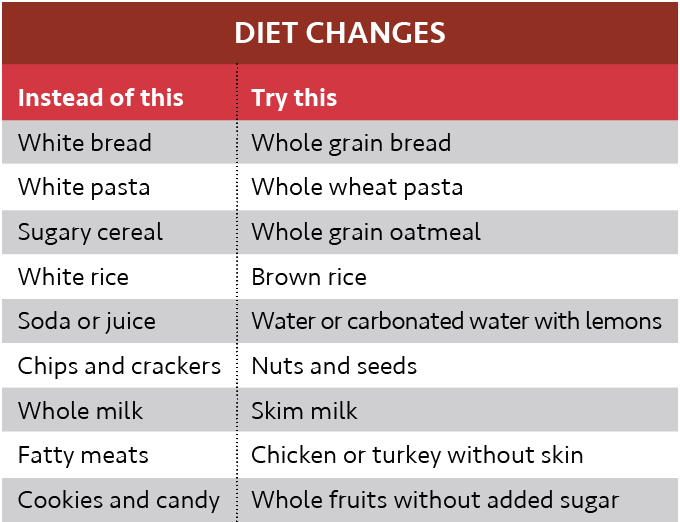
    A healthy diet is one high in plant foods such as fruits, vegetables, and whole grains. If you focus on eating more of these unprocessed, plant foods, you will naturally be eating a diet lower in fat and cholesterol.

    Try these tips to bring more balance to your diet:

    *  Eat 1-2 fruits and vegetables at each meal.

    *  If you consume dairy products, choose fat-free or low-fat.

    *  When you eat meat, choose lean cuts and limit your portion to 3 ounces.

    *  Choose baked over fried foods.

    *  Limit processed meats such as lunch meat, hot dogs, bacon, and salami.

    *  Eat more fiber from fruits, vegetables, oats, and beans.

    © American Institute for Preventive Medicine

  • Caring For Family From Afar

    FAMILY LIFE

    Nurse helping patient at home.

    Anyone, anywhere can help care for a loved one. You don’t have to live in the same town, or even the same state. If you live far away from an older relative, you may wonder how you can help. Long-distance caregiving is possible.

    Before you start

    Does your loved one already have a primary caregiver? Talk to that person about how you can help. It’s usually best to coordinate your efforts with the person who sees your loved one most often.

    If they don’t yet have a caregiver but need one, you can help with that too. Talk to other family members and discuss the options. You may be able to help with finding and hiring a nurse or aide if family members can’t do it.

    Even if you can’t visit often, know that your visits are valuable. It’s time to not only catch up, but to take on some caregiving duties. Maybe you can give the primary caregiver a break while you are there. You can also find out what kinds of things you can do to help when you’re away.

    Options for helping out

    Some ideas for helping your long-distance loved one include:

    *  Helping them manage their finances or bill paying, which often can be done online

    *  Arranging for in-home care such as home health or nursing aides

    *  Ordering medical equipment that they need

    *  Making calls to the pharmacy for medication when they need it

    *  Researching skilled nursing or assisted living facilities

    *  Calling them often to check in and provide emotional support

    *  Contacting their insurance company if there are questions about coverage

    *  Keeping other family members informed about their health and needs

    *  Creating paperwork for an emergency that lists their health conditions and medicines they take

    Finding local resources

    There may be many resources close to home that can help your relative. You can get started online with these websites:

    *  Eldercare Locator:www.eldercare.acl.gov

    *  National Institute on Aging:www.nia.nih.gov

    *  Family Caregiver Alliance:www.caregiver.org

    Source: National Institute on Aging

    © American Institute for Preventive Medicine