Author: AIPM

  • What You Need To Know About Measles

    MEDICAL NEWS

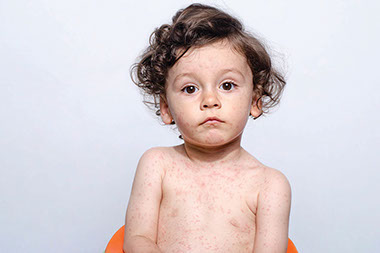
    Young child with measles.

    In 2019, the U.S. has seen the biggest measles outbreak since 1994. Measles was declared eliminated in the year 2000, but in recent years measles has come back.

    This outbreak is due to two main factors:

    1.  Many people travel abroad. They may travel to a place where measles is common. They catch measles there and bring it back to the U.S. with them. They may not even know they have measles until several days after they return.

    2.  Some people in the U.S. do not get the measles vaccine. If they are exposed, they get sick and can spread measles to others.

    Dangerously easy to catch

    Measles is highly contagious. It spreads through the air. An infected person can simply breathe and spread measles. It can also be spread through coughing and sneezing.

    You don’t even have to be near a person with measles to catch it from them. Measles stays in the air for a long time. In fact, you could go into a room two hours after an infected person has left and still catch measles.

    Many times, people spread measles before they even know they have it.

    Almost everyone who hasn’t gotten the measles vaccine will catch measles if they are exposed.

    Know the signs

    *  Very high fever (this usually comes first)

    *  Cough, runny nose and red eyes

    *  Diarrhea

    *  Ear infection

    *  Rash of tiny red spots, usually starting at the head and spreading all over

    Serious complications

    Serious problems can happen to a person who catches measles, especially babies and young children. This includes:

    *  Pneumonia (a serious lung infection)

    *  Brain swelling (encephalitis)

    *  Permanent brain damage

    *  Deafness

    *  Death

    Get the shot

    The best way to avoid getting measles is to get the measles vaccine. This can also keep you from spreading it to babies who are too young to get the shot.

    Two doses of the MMR (measles, mumps, rubella) shot are 97 percent effective in preventing measles. Children should get the first dose at 12 to 15 months of age. They get the second dose at 4 to 6 years of age.

    Some adults have not received the MMR shot. Even adults who have received it may need a booster shot. Your doctor can perform a simple blood test to see if you are immune to measles.

    Ask your doctor if you need the measles vaccine or if you should have the blood test done. The MMR vaccine is very safe and it works. Most health insurance covers the cost of the vaccine. If you have any concerns, discuss them with your doctor.

    Sources: American Medical Association, Centers for Disease Control and Prevention

    © American Institute for Preventive Medicine
  • When Blood Pressure Is Low

    MEDICAL NEWS

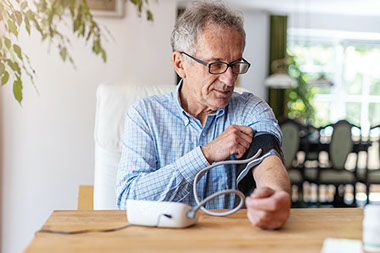
    Man taking his blood pressure at home.

    High blood pressure gets a lot of attention. But low blood pressure can cause health problems as well.

    If blood pressure is too low, your organs will not receive enough blood. This can quickly become dangerous. While a one-time low blood pressure reading is not usually concerning, a doctor should address chronic low blood pressure that occurs with other symptoms.

    Symptoms

    The normal range for blood pressure is between 90/60 mm/Hg to 120/80 mm/Hg. However, some people naturally have lower blood pressure than others. Low blood pressure is a problem when accompanied by any of these symptoms:

    *  Feeling dizzy or lightheaded

    *  Nausea or vomiting

    *  Blurry vision

    *  Confusion

    *  Fainting

    *  Fatigue

    *  Weakness

    *  Clammy, pale skin

    *  Rapid, shallow breathing

    *  Sleepiness

    *  Depression

    Causes

    Low blood pressure can be a sign of a problem that needs to be addressed right away. Causes may include:

    *  Severe allergic reaction

    *  Sudden loss of blood volume due to dehydration, injury, or internal bleeding

    *  Septic shock caused by infection impacts the blood vessels causing blood pressure to drop

    *  Heart problems such as heart attack or changes in heart rhythm, which may prevent the heart from pumping blood efficiently

    *  Certain medications or substances can lower blood pressure

    *  Orthostatic hypotension which is temporary and happens when you change position quickly

    *  Endocrine or hormone imbalances

    Treatment

    If you have low blood pressure, your doctor is your best resource for treatment. Depending on the specific cause, treatment may include:

    *  Changing or switching medications if recommended by your doctor

    *  Drinking more fluids to stay well hydrated

    *  Moving slowly when going from sitting to standing

    *  Wearing compression socks to prevent blood from pooling in the legs

    *  Medicines to increase heart strength and improve blood pressure

    *  Avoiding alcohol

    *  In severe cases, receiving blood through an IV

    © American Institute for Preventive Medicine
  • Which Std Tests Do You Need?

    MEDICAL NEWS

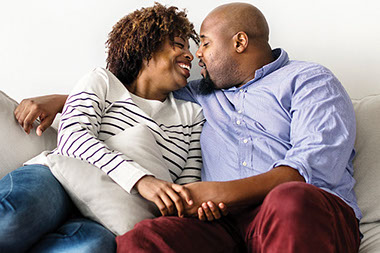
    Couple embracing each other.

    Sexually transmitted diseases (STDs) can occur when people have sexual contact with a person who also has an STD.

    People of all ages can get STDs. If you have unprotected sexual contact with someone who is infected, you risk getting an STD. This includes oral, anal and vaginal sex.

    Don’t be afraid or embarrassed to ask a health care provider about STDs. Getting tested is important so you can get treatment for STDs. The most common ones include:

    *  Human papilloma virus (HPV)

    *  Chlamydia

    *  Gonorrhea

    *  Syphilis

    *  Herpes

    *  Trichomoniasis

    *  HIV/AIDS

    Why do I need tests?

    Testing is the only way to know for sure if a person has an STD. Many STDs don’t cause any symptoms. This means people could spread STDs to others without knowing. They could also have long-term health problems.

    Risks of STDs include:

    *  Spreading STDs to others

    *  Infertility (trouble getting pregnant)

    *  Long-term pain in the pelvic area

    *  Pelvic inflammatory disease (PID), which can cause pain and infertility

    *  Serious health and immune system problems (from HIV infection)

    Who needs to be tested?

    The Centers for Disease Control and Prevention (CDC) lists the following recommendations for testing:

    *  Everyone ages 13 to 64 should be tested at least once for HIV.

    *  Anyone who has unprotected sex or shares injection drug equipment should get tested for HIV at least once a year.

    *  All sexually active women younger than 25 years should be tested for gonorrhea and chlamydia every year.

    *  Some women 25 years and older should also be tested for gonorrhea and chlamydia every year. This includes women at a higher risk. They may have multiple sex partners or have a partner who has a known STD.

    *  All pregnant women should be tested for syphilis, HIV and hepatitis B. Some pregnant women may also need tests for chlamydia and gonorrhea. Pregnant women may need more than one test throughout pregnancy.

    *  Sexually active gay and bisexual men may need HIV tests every 3 to 6 months.

    *  All sexually active gay and bisexual men should be tested at least once a year for syphilis, chlamydia and gonorrhea. Some men may need to get tested more often if they have multiple partners.

    Many health departments offer STD testing or can help people find a testing site. To find STD testing sites near you visitgettested.cdc.gov.

    Source: Centers for Disease Control and Prevention

    © American Institute for Preventive Medicine
  • Workout Wear 101

    BE FIT

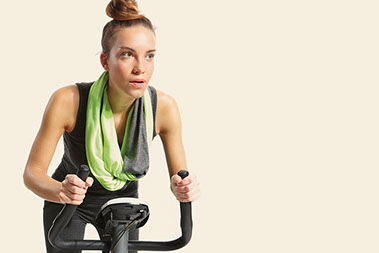
    Women riding stationary bike.

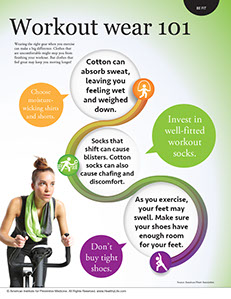
    Wearing the right gear when you exercise can make a big difference. Clothes that are uncomfortable might stop you from finishing your workout. But clothes that feel great may keep you moving longer!

    *  Choose moisture-wicking shirts and shorts. Cotton can absorb sweat, leaving you feeling wet and weighed down.

    *  Invest in well-fitted workout socks. Socks that shift can cause blisters. Cotton socks can also cause chafing and discomfort.

    *  Don’t buy tight shoes. As you exercise, your feet may swell. Make sure your shoes have enough room for your feet.

    Source: American Heart Association

    © American Institute for Preventive Medicine
  • Boost Your Exercise With Caffeine

    BE FIT

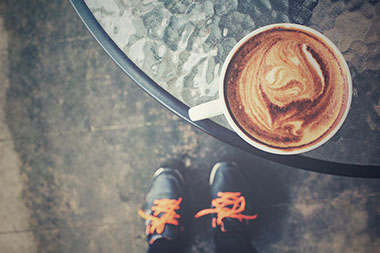
    Caffeine does more than just give you energy. It can improve exercise performance too. And if you are someone who struggles with motivation, caffeine may give you the mental boost you need to get moving.

    Caffeine may help you get just a little more out of your exercise session. It may improve:

    *  Muscle endurance

    *  Speed of movement

    *  Muscle strength

    *  Aerobic endurance

    *  Alertness and focus

    Make caffeine work for you:

    *  Consume a dose of caffeine an hour before you exercise.

    *  1-3 mg caffeine per pound of body weight has been shown to be most effective.

    *  One cup of coffee has about 100 mg of caffeine.

    *  Energy drinks and other forms of caffeine can also work. But be wary of what else may be in them and read the label carefully.

    *  Talk to your doctor before taking any supplements.

    *  Don’t overdo it! More is not better and won’t give any additional benefit.

    © American Institute for Preventive Medicine
  • Exercise For Free

    BE FIT

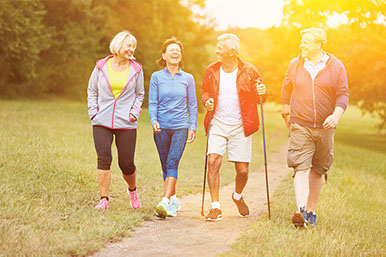
    Group of older friends walking through the park.

    Staying fit shouldn’t cost a fortune. While trying each new fitness fad is tempting, not everyone has the money to invest in gym memberships or fancy equipment.

    And the good news is, you don’t need to! There are endless options for healthy movement that don’t cost a thing.

    Join a walking club

    Find an existing group that walks in your area, or gather friends to start a club of your own. It won’t cost anything. As a bonus, you get quality time to invest in meaningful relationships, all while moving.

    Find free yoga

    Many yoga studios that train new teachers offer free community classes as a chance for their trainees to practice teaching. Not only do you get to do yoga for free, but you also get to support the teachers as they learn.

    Outdoor games

    When the weather is nice, get your friends and family together for frisbee, badminton, bocce, and any other yard game you can think of. Don’t sit on the sidelines; get in there and play! It’s quality time combined with quality movement.

    Online videos

    A quick search online will reveal a wealth of free exercise videos you can try. If you don’t have any equipment, no problem; just search for “free no-equipment exercise videos,” and you’ll find lots of options. All you need is a bit of space and yourself.

    Check local library & parks

    Many non-profit organizations offer occasional free fitness classes to get the community involved and active. You may need to sign up in advance to get a spot. Find information before you go so you arrive prepared.

    Check nearby athletic stores

    Running stores, athletic clothing stores, and sporting goods stores often have free fitness classes or exercise meet-ups. It’s a great way to connect with people in your area who share common fitness goals.

    © American Institute for Preventive Medicine
  • Garden Barley Soup

    HEALTHY EATING

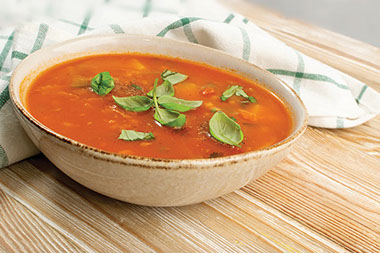
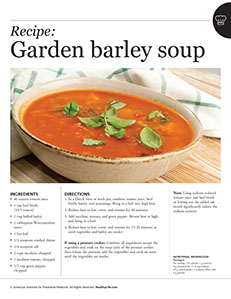
    Garden barley soup in bowl.

    Ingredients

    *  46 ounces tomato juice

    *  1 can beef broth  (10.5 ounces)

    *  1 cup hulled barley

    *  1 tablespoon Worcestershire sauce

    *  1 bay leaf

    *  1/2 teaspoon crushed thyme

    *  1/4 teaspoon salt

    *  2 cups zucchini, chopped

    *  1 medium tomato, chopped

    *  1/2 cup green pepper, chopped

    Note: Using sodium-reduced tomato juice and beef broth or leaving out the added salt would significantly reduce the sodium content.

    Directions

    1.  In a Dutch oven or stock pot, combine tomato juice, beef broth, barley, and seasonings. Bring to a boil over high heat.

    2.  Reduce heat to low, cover, and simmer for 40 minutes.

    3.  Add zucchini, tomato, and green pepper. Return heat to high and bring to a boil.

    4.  Reduce heat to low, cover, and simmer for 15-20 minutes or until vegetables and barley are tender.

    If using a pressure cooker: Combine all ingredients except the vegetables and cook on the soup cycle of the pressure cooker, then release the pressure, add the vegetables and cook on saute until the vegetables are tender.

    Nutritional Information: Servings 6

    Per serving: 170 calories, 1 g total fat, 0 g saturated fat, 1122 mg sodium, 40 g carbohydrates, 6 g dietary fiber, and 6 g protein

    © American Institute for Preventive Medicine
  • Start A Walking Group

    BE FIT

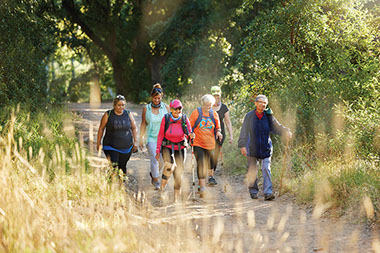
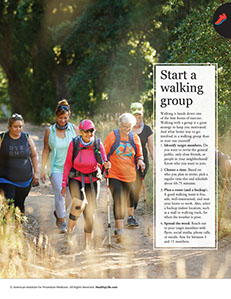
    Group of friends walking on a trail.

    Walking is hands down one of the best forms of exercise. Walking with a group is a great strategy to keep you motivated. And what better way to get involved in a walking group than to start one yourself!

    1. Identify target members. Do you want to invite the general public, only close friends, or people in your neighborhood? Know who you want to join.

    2. Choose a time. Based on who you plan to invite, pick a regular time slot and schedule about 60-75 minutes.

    3. Plan a route (and a backup). A good walking route is free, safe, well-maintained, and near your home or work. Also, select a backup indoor location, such as a mall or walking track, for when the weather is poor.

    4. Spread the word. Reach out to your target members with flyers, social media, phone calls, or emails. Aim for between 5 and 15 members.

    © American Institute for Preventive Medicine