Author: AIPM

  • Compression Socks: A Fitness Friend?

    BE FIT

    Close up of running legs wearing compression socks.

    Some athletes use compression socks during their exercise or sports activities. They look like tights, knee-high socks or sleeves that go over the calves.

    Compression socks are not new. They have been used for years to help with leg pain, swelling, blood clots and varicose veins. They work by gently squeezing the legs to help move blood upward.

    But do they help with exercise performance?

    Lack of evidence for exercise performance

    While compression socks aren’t usually harmful, they’re not proven to be helpful for exercise. Studies have not found that compression socks help a person’s athletic ability.

    Still, there may be some benefit to using them if your doctor says it’s okay. Some evidence suggests that compression socks may help slightly with exercise recovery. A review of several small studies found that for some people, compression socks could help with muscle soreness. But, because these results haven’t been proven in large studies, it’s too early to say whether they will work for most people.

    Some people enjoy the feeling of pressure on the legs. They may feel that it helps them exercise longer. If that’s the case, compression socks can be a good way to help you stay active.

    Using compression socks

    If you’re interested in compression socks, ask your doctor about them. They can help with:

    *  Legs that feel achy or heavy

    *  Swelling in the feet or legs from standing or sitting for long hours

    *  Pain from varicose veins

    *  Preventing blood clots, especially after surgery or for people who can’t move around easily. This could be after an injury or for people who have an illness that requires them to be in bed for long periods.

    Some compression socks are tighter than others. Your doctor can give you a prescription for them, or you may purchase them online. Ask your doctor how long you should wear them, and what to do if you find the socks uncomfortable.

    Sources: British Journal of Sports Medicine, Journal of Sports Science and Medicine, U.S. National Library of Medicine

    © American Institute for Preventive Medicine

  • Clear Facts On Eye Drops

    SELF-CARE CORNER

    Image of man placing eye drop in eye.

    Staring at a computer, dry winter air, cold temperatures, allergies, medications. A number of things can make eyes red, dry or uncomfortable.

    Many people turn to a bottle of eye drops for quick relief. But, if you use eye drops often, there are a few things you should know.

    Seeing red

    Redness relief eye drops contain an ingredient that shrinks blood vessels in the eye, giving you that bright-eyed effect. But, these drops can be harmful if you overuse them.

    Using redness drops frequently can cause a “rebound” effect, making the redness even worse. Then you feel like you have to use the drops more and more to control the redness.

    Don’t use redness relief drops on a regular basis. If your eyes are often red, you should see an eye care professional to get to the root cause.

    Artificial tears

    Artificial tear eye drops are generally safe to use regularly. They don’t contain any active ingredients. Instead, they are designed to mimic your own tears. These work well for occasional dryness or discomfort.

    Keep an eye on preservatives

    Many eye drops contain preservatives. These keep germs from growing in the drops. They allow you to use the same bottle of drops for a longer period of time.

    Some people find that the preservatives in eye drops make their eyes itchy or irritated. If you notice any burning or stinging after using eye drops, even artificial tears, stop using them.

    Preservative-free eye drops are available. These work well for people who are sensitive to preservatives. They are usually in small single-use vials that come in a pack. You use the vial once and throw it away.

    Eye health red flags

    The best way to keep eyes healthy is to see your eye health professional regularly. Ask your optometrist or ophthalmologist how often they should see you. It will depend on your age, any health issues and your eye health history.

    Call your eye professional right away if you notice:

    *  Pain or itching in the eye

    *  Redness that won’t go away

    *  Dry eyes that aren’t relieved with artificial tears

    *  Changes in vision, such as not seeing as well

    *  Cloudy or blurry vision

    *  Floaters or other spots in your vision

    Source: American Academy of Ophthalmology

    © American Institute for Preventive Medicine
  • Cholesterol: To Eat Or Not To Eat?

    HEALTHY EATING

    Bowl with salman, nuts, cucumbers.

    Not that long ago, eggs were considered taboo, and heart healthy eating meant avoiding cholesterol. However, our understanding of the impact of dietary cholesterol on blood cholesterol has evolved in recent years.

    Instead of worrying about the amount of cholesterol in food, watching your overall fat intake is most important, especially the unhealthy fats. For the best heart protection, you should consume a diet low in unhealthy fats, such as saturated and trans fats.

    Moderation is key. Cholesterol-containing foods can be part of a healthy diet as long as you do not over-consume them.

    Foods that contain cholesterol & unhealthy fats

    *  Egg yolks (egg whites do not contain cholesterol)

    *  Cheese

    *  Butter

    *  Shellfish

    *  Red meat

    *  Full fat milk and yogurt

    *  Fried foods

    *  Processed meats

    *  Most fast foods

    *  Desserts such as cake, cookies, and pies

    Decrease intake of cholesterol & unhealthy fats

    A healthy diet is one high in plant foods such as fruits, vegetables, and whole grains. If you focus on eating more of these unprocessed, plant foods, you will naturally be eating a diet lower in fat and cholesterol.

    Try these tips to bring more balance to your diet:

    *  Eat 1-2 fruits and vegetables at each meal.

    *  If you consume dairy products, choose fat-free or low-fat.

    *  When you eat meat, choose lean cuts and limit your portion to 3 ounces.

    *  Choose baked over fried foods.

    *  Limit processed meats such as lunch meat, hot dogs, bacon, and salami.

    *  Eat more fiber from fruits, vegetables, oats, and beans.

    © American Institute for Preventive Medicine

  • Can You Lower Triglycerides Naturally?

    SELF-CARE CORNER

    Illustration of blood cells.

    Triglycerides are a type of lipid, or fat, in your blood. Everyone has some triglycerides. But high triglycerides, when combined with high “bad” cholesterol and low “good” cholesterol, could be bad for heart health.

    How do I know my triglyceride levels?

    High triglycerides have no signs or symptoms. The only way to know whether you have high triglycerides is through a blood test.

    Ask your doctor how often you should get this test. Most adults need a cholesterol or “lipid” test at least every four to six years. But if you have a family history of heart disease or other risk factors, your doctor may recommend the test more often.

    If your cholesterol tests shows that triglyceride levels are high, you may be able to bring them down by making some lifestyle changes.

    Chart of Diet Changes - Try this instead of this.

    Heart healthy changes are key

    Talk to your doctor about your triglyceride levels. Your doctor may recommend making certain diet and exercise changes to improve your heart health. If you have diabetes, ask your doctor how you can keep blood sugar levels under good control.

    Exercise and weight loss

    Exercise is great for overall health, and it can lower your triglycerides. Try to walk or do another exercise you enjoy for 30 minutes, five days a week.

    Even a small amount of weight loss can improve triglyceride levels. Losing just 5 percent of your weight can boost your health and lower heart disease risk. Ask your doctor or nutritionist for tips on how to lose excess weight.

    Limit or Avoid Alcohol

    Your doctor may also recommend you limit or avoid alcohol to lower your triglyceride levels.

    Prescription Medicine

    In addition to making lifestyle changes, prescription medicines may also be recommended to bring triglycerides down.

    Sources: Centers for Disease Control and Prevention, National Lipid Association

    © American Institute for Preventive Medicine
  • Campfire Safety

    WELL-BEING

    Group of people sitting around a campfire and tent.

    Whether roasting marshmallows or sitting up late to tell ghost stories, a campfire is a comforting and enjoyable way to spend time together. However, a fire should always be handled with caution. It’s essential to be smart when dealing with open flames. Here are three ways to stay safe around the campfire:

    1.Choose the campfire spot wisely.If possible, always use a fire pit designed for proper fire containment. Campfires should be located at least 15 feet away from any buildings, tents, or shrubs.

    2.Keep the area clear.There should be 10 feet of cleared space around the campfire, so remove any branches or debris. Keep all clutter clear of the site. And, of course, watch the kids closely. It’s never too early to teach them how to be safe around a fire.

    3.Douse the fire correctly at the end of the evening.Pour water over the fire until all coals are extinguished. Once the fire is completely out, stir the ash and test by carefully holding your hand above the area to be sure there is no residual heat. Repeat the process if needed.

    Source: Recreation.gov

    © American Institute for Preventive Medicine
  • Build A Strong Family Foundation

    FAMILY LIFE

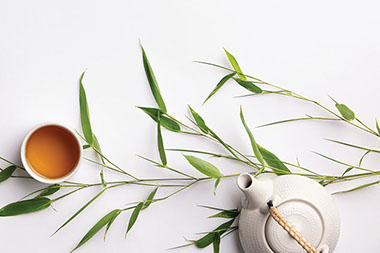
    Family gardening together.

    Happy families have a strong foundation. This helps parents and children deal with changes and hard times. Every family faces challenges and stress. Here’s how to protect your family from whatever life throws at you.

    Show love through attention

    Connect with your kids or spouse each day. Take time to ask about their day or do an activity together. Have family meals when you can, play games or take walks together. Avoid being on screens too much, when no one is talking or noticing one another.

    Be open to learning

    Having a strong family takes knowledge and care. No one knows everything about families and relationships. Parents can take classes about child development. See a marriage counselor if your marriage is having trouble. You can also look into support groups. Ask your family’s doctor if you need help dealing with specific challenges.

    Care for yourself

    If you get burned out, you can’t help others in your family. Take quiet time to listen to music, take a bath or do whatever relaxes and calms you. Get regular exercise, such as walking, and include family members if you can. Talk to a trusted friend when you’re stressed or overwhelmed.

    Build your community

    Connect with others who understand and support you. Join a sports team, a group or a religious organization that supports family life. Community can make life fun and help you learn from others, too.

    Be open about problems

    If you’re stressed and need some time alone, tell your spouse or your kids. Explain that you need some time to calm down, rather than blowing up or feeling resentment toward them.

    Don’t overschedule

    Try to keep your activities and family calendar reasonable. When everyone is too busy, there’s not much time to connect.

    Sources: American Academy of Family Physicians, U.S. Department of Health and Human Services

    © American Institute for Preventive Medicine
  • Brown Rice Pilaf

    HEALTHY EATING

    Image of brown rice in a bowl.

    Brown rice and almonds are both good sources of magnesium. They also offer fiber and protein. This simple side dish can be a meatless main dish, paired with a green salad and some fruit.

    Ingredients

    1 ½ cups brown rice (rinsed)

    3 cups water

    ¼ cup almonds (chopped)

    1 teaspoon parsley (dried)

    ½ teaspoon garlic powder

    ¼ teaspoon black pepper

    Directions

    1.  Place all ingredients in a rice cooker and cook until the water evaporates, about 30 minutes. You can also cook rice on the stovetop as directed on the package.

    2.  Fluff cooked rice with a fork. Add almonds, parsley, garlic powder and black pepper.

    Nutrition Facts: Serving size: 1 cup, 1/4 of recipe. Calories 320; Total Fat 8 g; Saturated Fat 1 g; Cholesterol 0 mg; Sodium 53 mg; Total Carbohydrate 56 g; Dietary Fiber 5 g; Protein 8 g

    Source: What’s Cooking? USDA Mixing Bowl

    © American Institute for Preventive Medicine

  • Blood Cancer: Key Facts

    MEDICAL NEWS

    Illustration of cancer attacking blood cells.

    Your blood is made up of many different types of cells. These include red blood cells, white blood cells, and platelets. White blood cells protect the body from harmful substances and prevent infections.

    Blood cancer is caused by the uncontrolled growth of abnormal white blood cells. The abnormal cells do not work properly, preventing them from carrying out their essential functions. As the dysfunctional cells accumulate in the blood, they crowd out healthy cells.

    It’s important to know what signs and symptoms to look for. Be sure to check with your doctor if you have any questions or concerns about blood cancer.

    Three main types of blood cancer

    Leukemia

    Leukemia is cancer that affects the bone marrow where blood cells are made. From the bone marrow, it spreads to the blood and can affect other organs.

    Lymphoma

    This type of blood cancer impacts the white blood cells in the lymphatic system. There are two types of lymphoma: Hodgkin, which spreads directly from one lymph node to another, and Non-Hodgkin, which spreads erratically through the lymph nodes.

    Multiple myeloma

    Myeloma affects plasma cells. These are white blood cells that produce antibodies to fight infections. When the plasma cells don’t function correctly, the body’s immune system doesn’t work properly.

    Symptoms of blood cancer

    Talk to your doctor if you experience the following:

    *  Fatigue

    *  Fever

    *  Unexplained weight loss

    *  Bone pain

    *  Swollen lymph nodes

    *  Frequent infections

    Survival rates have steadily increased

    Fifty years ago, there were few successful treatments for blood cancer. Now, there is a range of treatment options available, and more people achieve remission than ever before. Early detection and improved treatments have increased five-year survival rates and provide hope for the future.

    © American Institute for Preventive Medicine

  • Benefits Of Stretching

    BE FIT

    Women stretching.

    When most people think of exercise they envision cardio or weight training. But, no workout routine is complete without stretching. Here are six unique benefits.

    Improve flexibility

    Flexibility is a well-known benefit of stretching. To increase your range of motion, hold each stretch for 90 seconds.

    Prevent injury

    Stretching increases blood flow to joints and muscles, decreasing stiffness and reducing the risk of injury.

    Decrease tension

    Stretching releases tension in your muscles, but it can also release mental tension if you take time to be still and breathe.

    Calm the mind

    Unlike vigorous exercise which pumps you up, the slow pace of stretching can be soothing for your mind.

    Counteract the effects of sitting

    If you are one of the many people who spend a lot of time sitting, stretching is essential to keep the body limber.

    Promotes mindfulness

    Stretching provides the chance to notice how your body feels, an essential aspect of mindfulness.

    © American Institute for Preventive Medicine
  • Be Smart About Seizures

    MEDICAL NEWS

    A brain model.

    A seizure is a sudden surge of electrical activity in the brain. It can cause a person to have uncontrolled movements. A grand mal seizure or tonic-clonic seizure is the most serious. It usually involves jerking movements, shaking and the inability to talk or communicate.

    When it comes to seizures, there are plenty of myths. Knowing the truth about seizures could save someone’s life.

    Myth:A person having a seizure could swallow their tongue.

    Truth:This is not possible. Never put something in a person’s mouth if they are having a seizure.

    Myth:You should hold the person down.

    Truth:Do not try to hold or move the person unless they are in immediate danger of getting hurt. You can help get them on the floor and turn on their side. This keeps the person from injuring themselves or falling.

    Myth:You should always give mouth-to-mouth or CPR during a seizure.

    Truth:People usually start breathing normally after the seizure is over. But if the patient stops breathing for more than 30 seconds, call 911 and begin CPR.

    Should you call 911?

    Call 911 if:

    *  The person has never had a seizure before.

    *  The person stops breathing for more than 30 seconds, or has trouble breathing after the seizure.

    *  The seizure happened in the water.

    *  The person is pregnant.

    *  The person doesn’t wake up after the seizure.

    *  The person has a health condition like heart disease or diabetes.

    *  The seizure lasts longer than five minutes.

    *  The person is hurt.

    Source: Centers for Disease Control and Prevention

    © American Institute for Preventive Medicine