Author: AIPM

  • Weight Loss & Gain

    Weight Control

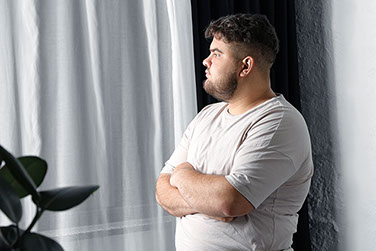
    Man staring out of the window.

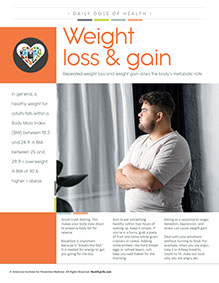
    Repeated weight loss and weight gain slows the body’s metabolic rate.

    In general, a healthy weight for adults falls within a Body Mass Index (BMI) between 18.5 and 24.9. A BMI between 25 and 29.9 = overweight. A BMI of 30 & higher = obese.

    Avoid crash dieting. This makes your body slow down to preserve body fat for reserve.

    Breakfast is important because it “breaks the fast.” It is needed for energy to get you going for the day.

    Aim to eat something healthy within two hours of waking up. Keep it simple. If you’re in a hurry, grab a piece of fruit and some whole grain crackers or cereal. Adding some protein, like hard boiled eggs or refried beans, will keep you well fueled for the morning.

    Eating as a response to anger, boredom, depression, and stress can cause weight gain.

    Deal with your emotions without turning to food. For example, when you are angry, take 3 or 4 deep breaths, count to 10, state out loud why you are angry, etc.

    Page from HealthyLife Weigh book by the American Institute for Preventive Medicine. www.HealthyLife.com. All rights reserved.

    © American Institute for Preventive Medicine

  • Warm Up & Cool Down Properly

    Fitness

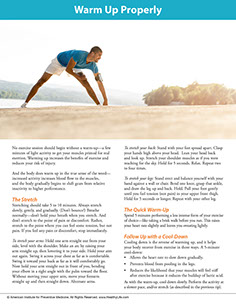
    No exercise session should begin without a warm-up-a few minutes of light activity to get your muscles primed for real exertion. Warming up increases the benefits of exercise and reduces your risk of injury.

    And the body does warm up in the true sense of the word-increased activity increases blood flow to the muscles, and the body gradually begins to shift gears from relative inactivity to higher performance.

    The Stretch

    Stretching should take 5 to 10 minutes. Always stretch slowly, gently, and gradually. (Don’t bounce!) Breathe normally-don’t hold your breath when you stretch. And don’t stretch to the point of pain or discomfort. Rather, stretch to the point where you can feel some tension, but not pain. If you feel any pain or discomfort, stop immediately.

    To stretch your arms: Hold one arm straight out from your side, level with the shoulder. Make an arc by raising your arm straight up, then lowering it to your side. Hold your arm out again. Swing it across your chest as far as is comfortable. Swing it toward your back as far as it will comfortably go. Now hold your arm straight out in front of you, bending your elbow in a right angle with the palm toward the floor. Without moving your upper arm, move your forearm straight up and then straight down. Alternate arms.

    To stretch your back: Stand with your feet spread apart. Clasp your hands high above your head. Lean your head back and look up. Stretch your shoulder muscles as if you were reaching for the sky. Hold for 5 seconds. Relax. Repeat two to four times.

    To stretch your legs: Stand erect and balance yourself with your hand against a wall or chair. Bend one knee, grasp that ankle, and draw the leg up and back. Hold. Pull your foot gently until you feel tension (not pain) in your upper front thigh. Hold for 5 seconds or longer. Repeat with your other leg.

    The Quick Warm-Up

    Spend 5 minutes performing a less intense form of your exercise of choice-like taking a brisk walk before you run. This raises your heart rate  slightly and leaves you sweating lightly.

    Follow Up with a Cool-Down

    Cooling down is the reverse of warming up, and it helps your body recover from exercise in three ways. A 5-minute cool-down:

    *  Allows the heart rate to slow down gradually.

    *  Prevents blood from pooling in the legs.

    *  Reduces the likelihood that your muscles will feel stiff after exercise because it reduces the buildup of lactic acid.

    As with the warm-up, cool down slowly. Perform the activity at a slower pace, and/or stretch.

    Page image from A Year of Health Hints book by the American Institute for Preventive Medicine. www.HealthyLife.com. All rights reserved.

    © American Institute for Preventive Medicine

  • Vinaigrette Salad Dressing

    Nutrition

    4 Servings, about 2 Tbsp. each

    Ingredients:

    1 bulb garlic, separated and peeled

    1/2 cup water

    1 Tbsp. red wine vinegar

    1/4 tsp. honey

    1 Tbsp. virgin olive oil

    1/4 tsp. black pepper

    Directions:

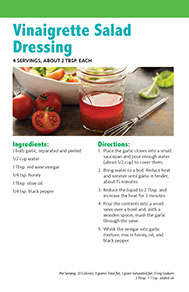
    1.  Place the garlic cloves into a small saucepan and pour enough water (about 1/2 cup) to cover them.

    2.  Bring water to a boil. Reduce heat and simmer until garlic is tender, about 15 minutes.

    3.  Reduce the liquid to 2 Tbsp. and increase the heat for 3 minutes.

    4.  Pour the contents into a small sieve over a bowl and, with a wooden spoon, mash the garlic through the sieve.

    5.  Whisk the vinegar into garlic mixture; mix in honey, oil, and black pepper.

    Per Serving:

    Calories – 33

    Total fat – 3 grams

    Saturated fat – 1 gram

    Sodium – 0 mg

    Page from HealthyLife Weigh Recipe book by the American Institute for Preventive Medicine. www.HealthyLife.com. All rights reserved.

    © American Institute for Preventive Medicine

  • Using Alcohol Wisely

    Substance Use & Abuse

    Alcohol is a depressant. It is the most widely used drug in the world.

    Harmful Effects of Alcohol

    *  Heavy drinkers have a greater risk of depression, heart disease, liver disease, sleep disorders, stroke, and some cancers. These include cancers of the mouth, liver, and breast.

    *  Alcohol plays a factor in about 60% of fatal burn injuries, drownings, and homicides.

    *  About 40% of suicides and deaths from falls and vehicle accidents include alcohol use.

    Facts

    Sources of Alcohol

    *  Beer. This has about 5% alcohol. Lite beers have about 3% alcohol.

    *  Wine. This usually has between 11 and 14% alcohol.

    *  Hard liquors (e.g., gin, rum, vodka, whiskey). The word “proof” means 2 times the % of alcohol. For example, 100-proof means 50% alcohol.

    *  Some medicines. Read the labels.

    *  One standard drink has about 1/2 oz. of pure alcohol. Examples are:

    – 12 oz. of regular beer

    – 8-9 oz. of malt liquor

    – 5 oz. of wine

    – 1-1/2 oz. of 80-proof hard liquor (40% alcohol)

    Low-Risk Guidelines

    *  In general, alcohol should be limited to:

    – Two drinks per day for men

    – One drink per day for women and persons age 65 and older

    You Should Not Drink Alcohol If:

    *  You are pregnant.

    *  You are under the legal age to drink, (e.g., 21 years old).

    *  You are driving or operating equipment.

    *  You are alcohol or drug dependent.

    Drugs other than alcohol include:

    *  Some prescribed drugs. These include fentanyl, muscle relaxants, stimulants, tranquilizers, and strong pain relievers, such as oxycodone and other opioids. {Note: Discuss, with your doctor, the benefits and risks of opioid use to control pain. Opioid abuse is a common cause of death from prescribed drugs.}

    *  Marijuana and “synthetic marijuana” (e.g., K-2 and Spice)

    *  Inhalants. These are vapors from substances, such as glue, solvents, and paints, that are used to get “high.”

    *  Illicit drugs:

    – Cocaine / Crack

    – Ecstacy

    – Heroin

    – Ketamine

    – Opium

    – LSD and PCP (“angel dust”)

    – Date rape drugs (e.g., GHB, Rohypnol)

    *  About half of emergency room visits due to drug misuse or abuse involve illicit drugs.

    *  About 75% of illegal drug users age 18 and older work full time or part time.

    *  In the workplace, employees who abuse drugs have 300% higher medical costs than nondrug abusers.

    Wise Use of Alcohol

    *  Some prescribed drugs and alcohol do not mix. Some mixtures can be fatal. Don’t have alcohol with prescribed drugs if the drug’s label or your doctor tells you not to. Ask your doctor if and how much alcohol you can have if you take any prescribed drugs.

    *  Know your limit and stick to it. You may decide it is better not to drink at all.

    *  Drink slowly. You are apt to drink less.

    *  When you have a drink, take pauses between sips.

    *  In a mixed drink, use less alcohol and more mixer.

    *  After you have 1 or 2 drinks with alcohol, drink ones without alcohol.

    *  Eat when you drink to slow alcohol absorption.

    *  If you drink when you eat out, order your drink with, not before, your meal.

    *  Don’t drink and drive. Designate a driver who will not be drinking.

    *  Coffee or fresh air cannot make you sober. To get sober, stop drinking.

    How to Avoid Problems

    *  Ask your doctor about the risks of addiction with prescribed medicines, such as sleeping pills and pain pills. Ask if your problem can be treated without medicine.

    *  Stop the use of prescribed pain pills as soon as you can. Don’t use more than you need.

    *  Don’t socialize with drug and alcohol abusers.

    *  If your friends insist that you drink alcohol or take drugs in order to be with them, just say NO!

    *  Talk to persons who will listen to your feelings without putting you down.

    *  Seek help for mental health problems, such as depression or chronic anxiety.

    *  If you have been drinking or taking drugs, don’t take part in risky behaviors. Examples are unsafe sex, sharing needles, and using non-sterile needles.

    *  Learn how to relax without alcohol or drugs. Develop healthy interests.

    – Listen to calm music.

    – Do deep breathing exercises.

    – Do regular exercise, such as swimming, jogging, or walking.

    – Learn something new. Take a class that interests you. Spend time with a hobby that you enjoy.

    – Do things that you know and do well in order to feel confident.

    *  Contact your Employee Assistance Person (EAP) at work. He or she can help evaluate your risk level or help you get treatment.

    Addiction

    Alcohol & Drug Abuse

    Abuse is misusing alcohol or drugs. You are an abuser when you use alcohol or drugs and it leads to one or more of the problems, listed below, in a 12-month period.

    *  You fail to fulfill work, school, or home duties.

    *  You drink or use drugs and put you or others in danger (e.g., when you drive a car or operate machines).

    *  You have a legal problem from alcohol or drugs.

    *  You keep drinking or taking drugs even though it causes or worsens problems with others.

    Alcohol & Drug Dependence (Addiction)

    Dependence is addiction. An alcoholic is addicted to alcohol. A person who depends on drugs is a drug addict. When you are addicted:

    *  You crave the substance. The craving can feel as strong as the need for food or water.

    *  You are often unable to stop using the substance.

    *  You get withdrawal symptoms when you stop using the substance. The symptoms vary with the drug used. The symptoms go away if you drink alcohol or use the drug.

    *  You need more and more alcohol or drugs to get “high.” This is known as developing a tolerance.

    Risk Factors for Alcohol/Drug Abuse and Dependence

    *  Increased use and tolerance of alcohol or a drug

    *  Family history of alcohol or drug abuse. You are about 4 times more likely to be an alcoholic if one of your parents is. You are 10 times more likely if both parents are.

    *  Mental health problems, such as depression, anxiety, or poor self-esteem

    *  Prolonged use of prescribed pain pills

    *  Prolonged fatigue or stress

    *  Peer pressure. This is especially true for teens.

    *  Ongoing financial or family problems

    Questions to Detect an Alcohol Problem

    Answer the 4 questions that follow. These can apply to you or someone else. A key word in each of these questions spells CAGE.

    *  Have you ever felt you should Cut down on your drinking?

    *  Have people Annoyed you by criticizing your drinking?

    *  Have you ever felt bad or Guilty about your drinking?

    *  Have you ever had a drink to steady your nerves or  to get rid of a hangover (Eye opener)?

    One “Yes” answer means there might be an alcohol problem. Two or more “Yes” answers means it is highly likely that there is an alcohol problem. In either case, contact your doctor or other health care provider to discuss your responses to these questions. You may have answered “No” to all four CAGE questions, but there could still be a problem. Some people say, “But I only drink beer.” This doesn’t mean they don’t have an alcohol problem.

    Signs of Alcohol/Drug Abuse and Dependence

    Signs will depend on the substance. They include:

    *  Drugs or items used to take drugs are found. Examples are glass pipes (to smoke drugs); straws (to sniff drugs); and needles (to inject drugs).

    *  Alcohol is found hidden at home or at work.

    *  Withdrawal symptoms. These include:

    – Tremors of the hand or face

    – Chills, sweating

    – Nausea, vomiting

    – Fatigue. Depression.

    – Anxiety. Panic.

    – Being very edgy

    – Insomnia

    – Blackouts

    – Acting “spaced out”

    – Hallucinations

    – Delirium

    – Seizures

    *  Behavior changes. These include:

    – Being late or absent for work or school. Often, this happens on Mondays and Fridays.

    – Abrupt change in mood or attitude

    – Temper flare-ups that are not usual

    – Asking for money, more than usual, from family and friends

    – Stealing items from work, home, stores, school, etc.

    – Being more and more secretive about actions and things that are owned

    – Being with a new group of people, especially with those who drink a lot or use drugs

    – Having problems dealing with others

    Alcohol Poisoning

    Call 9-1-1 for one or more of the following signs of alcohol poisoning or combining alcohol and other drugs, such as sedatives or tranquilizers. Act quickly. Alcohol poisoning can be fatal.

    *  Unconsciousness. This means the person is hard to rouse and can’t be made aware of his or her surroundings. This can be brief, such as with fainting or blacking out. It can put a person into a coma.

    *  No breathing or slow and shallow breathing. This means 10 or fewer breaths per minute or time lapses of more than 8 seconds between breaths.

    *  Slow pulse rate (40 or fewer beats per minute).

    *  Skin that is cold, clammy, and/or pale or blue in color.

    {Note: Before emergency care arrives, place the person on his or her side with the knees bent, to prevent choking if he or she vomits. Loosen the person’s clothing around the neck and check the mouth and back of the throat to see that nothing obstructs the person’s breathing. Stay with the person.}

    Getting Help

    The first step is to admit there is a problem. Often, the person who has the problem does not see the harm that it causes. Other persons around him or her see the problem first. Knowing how harmful alcohol and drug abuse and dependence are can help a person seek treatment.

    Reasons to Get Help

    Alcohol and drug abuse and dependence can lead to:

    *  Problems at work. This includes being late or not showing up for work; making errors; and crimes at work, such as stealing.

    *  Problems with your family

    *  Injury to oneself or others from accidents

    *  Damage to body organs that cannot  be fixed

    *  Poor nutrition

    *  Sexually transmitted infections and HIV

    *  Conditions, such as hepatitis and blood poisoning, from IV injections with nonsterile needles

    *  Death caused by overdose

    Where to Get Help

    *  Your Employee Assistance Program (EAP) at work, if you have one. You make the choice to go. No one else is told about it.

    *  Your doctor or other health care provider

    *  A drug treatment clinic

    *  Support groups

    Your EAP person or health care provider will refer you to a treatment program best suited for you, such as a treatment or “rehab” center. Treatment can be given in outpatient or inpatient settings. Components of treatment are:

    *  A complete physical exam

    *  “Detox” – Getting the person off the abused substance. Sometimes other drugs are used to control the withdrawal symptoms that occur.

    *  Counseling – One-on-one, group therapy, and/or family sessions. The goals are:

    – To understand the addiction

    – To get the person to be well, physically and mentally

    – To help the addict stay alcohol and drug free. Learning life-coping skills and how to deal with “high-risk” times and places can help prevent the addict from using the substance again.

    You may be advised to take part in a self-help group, such as Alcoholics Anonymous.

    Resources

    Alcoholics Anonymous (AA)

    www.aa.org

    Al-Anon Family Groups (includes Alateen)

    888.4AL-ANON (425.2666)

    www.al-anon.org

    American Council for Drug Education

    800.488.DRUG (488.3784)

    www.acde.org

    Cocaine Anonymous (CA) World Services

    310.559.5833

    www.ca.org

    Narcotics Anonymous (NA) World Services

    818.773.9999

    www.na.org

    Substance Abuse and Mental Health Services Administration (SAMHSA)

    www.samhsa.gov

    National Helpline: 800.662.HELP (662.4357)

    www.samhsa.gov/find-help/national-helpline
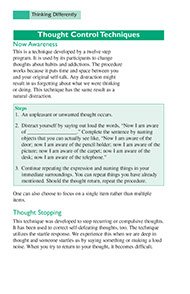
    Cover image to the Alcohol and Drugs brochure by the American Institute for Preventive Medicine. www.HealthyLife.com. All rights reserved.

    © American Institute for Preventive Medicine

  • Turkey Meatloaf

    Nutrition

    5 Servings, about 1 slice (3 oz.) each

    Ingredients:

    1 pound ground turkey, lean

    1/2 cup oats, regular, dry

    1 large egg, whole

    1 Tbsp. onion, dehydrated

    1/4 cup ketchup

    Directions:

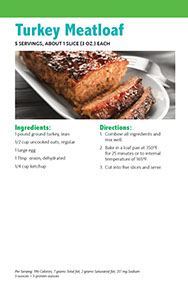
    1.  Combine all ingredients and mix well.

    2.  Bake in a loaf pan at 350ºF for 25 minutes or to internal temperature of 165ºF.

    3.  Cut into five slices and serve.

    Per Serving:

    Calories – 196

    Total fat – 7 grams

    Saturated fat – 2 grams

    Sodium – 217 mg

    Page from HealthyLife Weigh Recipe book by the American Institute for Preventive Medicine. www.HealthyLife.com. All rights reserved.

    © American Institute for Preventive Medicine

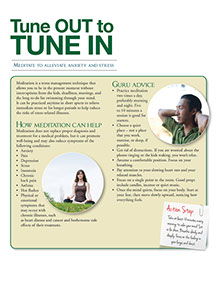
  • Tune Out To Tune In

    Stress Management

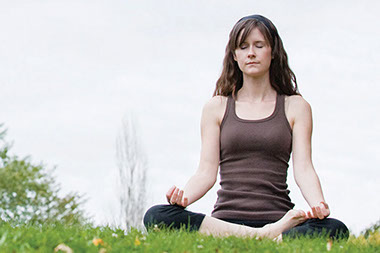
    Image of women meditating.

    Meditate to alleviate anxiety and stress.

    Meditation is a stress management technique that allows you to be in the present moment without interruptions from the kids, deadlines, meetings, and the long to-do list swimming through your mind. It can be practiced anytime in short spurts to relieve immediate stress or for longer periods to help reduce the risks of stress-related illnesses.

    How meditation can help

    Meditation does not replace proper diagnosis and treatment for a medical problem, but it can promote well-being and may also reduce symptoms of the following conditions:

    *  Anxiety

    *  Pain

    *  Depression

    *  Stress

    *  Insomnia

    *  Chronic back pain

    *  Asthma

    *  Hot flashes

    *  Physical or emotional symptoms that may occur with chronic illnesses, such as heart disease and cancer and bothersome side effects of their treatment.

    Guru advice:

    *  Practice meditation two times a day, preferably morning and night. Five to 10 minutes a session is good for starters.

    *  Choose a quiet place – not a place that you work, exercise, or sleep, if possible.

    *  Get rid of distractions. If you are worried about the phone ringing or the kids waking, you won’t relax.

    *  Assume a comfortable position. Focus on your breathing.

    *  Pay attention to your slowing heart rate and your relaxed muscles.

    *  Focus on a single point in the room. Good props include candles, incense or quiet music.

    *  Once the mind quiets, focus on your body. Start at your feet, then move slowly upward, noticing how everything feels.

    Action Step

    Take at least 10 minutes every morning to calm your mind. Sit or lie down. Breathe slowly and deeply. Focus on the feeling in your lungs and chest.

    Page from Ways to Well-Being book by the American Institute for Preventive Medicine. www.HealthyLife.com. All rights reserved.

    © American Institute for Preventive Medicine

  • Travel Hints For Retirees On The Go

    Healthy Travel

    Image of retired couple traveling.

    Some of the most avid travelers are in their fifties, sixties, and seventies. Yet people in this age group are susceptible to certain health problems. To minimize your risk of health trouble away from home, take these precautions.

    *  Before confirming your reservations, be sure the itinerary is not too demanding for you or your traveling companions.

    *  Visit your doctor and dentist before your trip. Schedule your appointments far enough in advance to allow time to take care of any health problems that need to be resolved before departure.

    *  If you’re being treated for an ongoing medical condition, carry copies of your medical records when you travel in case you become ill.

    *  Get adequate sleep before and during your trip. Fatigue aggravates existing medical conditions and reduces resistance to illness.

    *  Pace yourself, and take time to rest once or twice a day.

    *  Medicare recipients who need supplemental travel health insurance for travel outside the United States should contact the American Association of Retired Persons (AARP) Insurance Division at 1.800.523.5800 orwww.aarphealthcare.comfor further information.

    Page image from A Year of Health Hints book by the American Institute for Preventive Medicine. www.HealthyLife.com. All rights reserved.

    © American Institute for Preventive Medicine

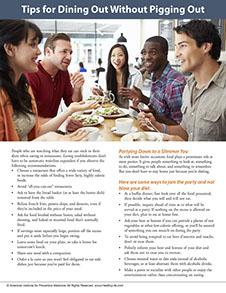
  • Tips For Dining Out Without Pigging Out

    Nutrition

    Image of friends eating out.

    People who are watching what they eat can stick to their diets when eating in restaurants. Eating establishments don’t have to be automatic waistline expanders if you observe the following recommendations.

    *  Choose a restaurant that offers a wide variety of food, to increase the odds of finding fewer fatty, highly caloric foods.

    *  Avoid “all-you-can-eat” restaurants.

    *  Ask to have the bread basket (or at least the butter dish) removed from the table.

    *  Refuse french fries, potato chips, and desserts, even if they’re included in the price of your meal.

    *  Ask for food broiled without butter, salad without dressing, and baked or steamed food that’s normally fried.

    *  If servings seem especially large, portion off the excess and put it aside before you begin eating.

    *  Leave some food on your plate, or take it home for tomorrow’s lunch.

    *  Share one meal with a companion.

    *  Order a la carte so you won’t feel obligated to eat side dishes just because you’ve paid for them.

    Here are some ways to join the party and not blow your diet.

    *  At a buffet dinner, first look over all the food presented, then decide what you will and will not eat.

    *  If possible, inquire ahead of time as to what will be served at a party. If nothing on the menu is allowed on your diet, plan to eat at home first.

    *  Ask your host or hostess if you can provide a platter of raw vegetables or other low-calorie offering, so you’ll be assured of something you can munch on during the party.

    *  To avoid being tempted to eat hors d’oeuvres and snacks, don’t sit near them.

    *  Politely inform your host and hostess of your diet and ask them not to coax you to overeat.

    *  Choose mineral water or diet soda instead of alcoholic beverages, or at least alternate them with alcoholic drinks.

    *  Make a point to socialize with other people or enjoy the entertainment rather than concentrating on eating.

    Partying Down to a Slimmer You

    As with most festive occasions, food plays a prominent role at most parties. It gives people something to look at, something to do, something to talk about, and something to remember. But you don’t have to stay home just because you’re dieting.

    Page from A Year of Health Hints book by the American Institute for Preventive Medicine. www.HealthyLife.com. All rights reserved.

    © American Institute for Preventive Medicine