Author: AIPM

  • Vinaigrette Salad Dressing

    Nutrition

    4 Servings, about 2 Tbsp. each

    Ingredients:

    1 bulb garlic, separated and peeled

    1/2 cup water

    1 Tbsp. red wine vinegar

    1/4 tsp. honey

    1 Tbsp. virgin olive oil

    1/4 tsp. black pepper

    Directions:

    1.  Place the garlic cloves into a small saucepan and pour enough water (about 1/2 cup) to cover them.

    2.  Bring water to a boil. Reduce heat and simmer until garlic is tender, about 15 minutes.

    3.  Reduce the liquid to 2 Tbsp. and increase the heat for 3 minutes.

    4.  Pour the contents into a small sieve over a bowl and, with a wooden spoon, mash the garlic through the sieve.

    5.  Whisk the vinegar into garlic mixture; mix in honey, oil, and black pepper.

    Per Serving:

    Calories – 33

    Total fat – 3 grams

    Saturated fat – 1 gram

    Sodium – 0 mg

    Page from HealthyLife Weigh Recipe book by the American Institute for Preventive Medicine. www.HealthyLife.com. All rights reserved.

    © American Institute for Preventive Medicine

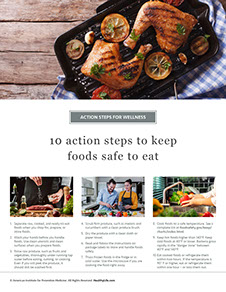
  • 10 Action Steps To Keep Foods Safe To Eat

    Home Safety

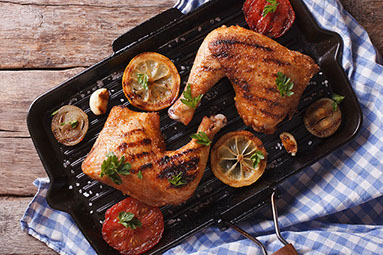
    Cooked meat, chicken, on grill pan.

    1.  Separate raw, cooked, and ready-to-eat foods when you shop for, prepare, or store foods.

    2.  Wash your hands before you handle foods, Use clean utensils and clean surfaces when you prepare foods.

    3.  Rinse raw produce, such as fruits and vegetables, thoroughly under running tap water before eating, cutting, or cooking. Even if you will peel the produce, it should still be washed first.

    4.  Scrub firm produce, such as melons and cucumbers with a clean produce brush.

    5.  Dry the produce with a clean cloth or paper towel.

    6.  Read and follow the instructions on package labels to store and handle foods safely.

    7.  Thaw frozen foods in the fridge or in cold water. Use the microwave if you are cooking the food right away.

    8.  Cook foods to a safe temperature. See a complete list atfoodsafety.gov/keep/charts/index.html.

    9.  Keep hot foods higher than 140ºF. Keep cold foods at 40ºF or lower. Bacteria grow rapidly in the “danger zone” between 40ºF and 140ºF.

    10. Eat cooked foods or refrigerate them within two hours. If the temperature is 90ºF or higher, eat or refrigerate them within one hour – or toss them out.

    A Year of Health Hints book by the American Institute for Preventive Medicine. www.HealthyLife.com. All rights reserved.

    © American Institute for Preventive Medicine

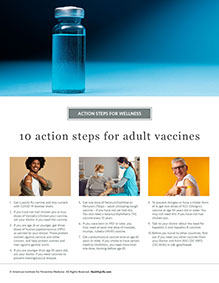
  • 10 Action Steps For Adult Vaccines

    Medical Exams

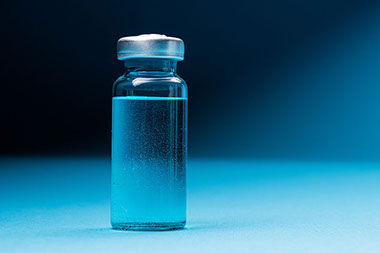
    A vaccine bottle.

    1.  Get a yearly flu vaccine and stay current with COVID-19 booster shots.

    2.  If you have not had chicken pox or two doses of Varicella (chicken pox) vaccine, ask your doctor if you need this vaccine.

    3.  If you are age 26 or younger, get three doses of human papillomavirus (HPV) as advised by your doctor. These protect women against cervical and other cancers, and help protect women and men against genital warts.

    4.  If you are younger than age 55 years old, ask your doctor if you need vaccines to prevent meningococcal disease.

    5.  Get one dose of Tetanus/Diphtheria/Pertussis (Tdap) – adult whooping cough vaccine – if you have not yet had this. You also need a tetanus/diphtheria (Td) vaccine every 10 years.

    6.  If you were born in 1957 or later, you may need at least one dose of measles, mumps, rubella (MMR) vaccine.

    7.  Get a pneumcoccal vaccine once at age 65 years or older. If you smoke or have certain medical conditions, you need more than one dose, starting before age 65.

    8.  To prevent shingles or have a milder form of it, get two doses of RZV (Shingrix) vaccine at age 50 years old or older. You may not need this if you have not had chicken pox.

    9.  Talk to your doctor about the need for hepatitis A and  hepatitis B vaccines.

    10. Before you travel to other countries, find out if you need any other vaccines from your doctor and from 800.CDC.INFO (232.4636) orcdc.gov/travel.

    ays to Well-Being book by the American Institute for Preventive Medicine. www.HealthyLife.com. All rights reserved.

    © American Institute for Preventive Medicine

  • Your Pre-Vacation Checklist

    Healthy Travel

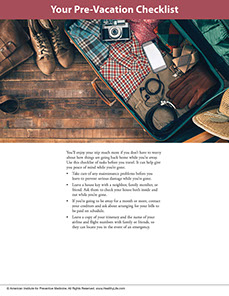
    Image of couple looking at passport and map.

    You’ll enjoy your trip much more if you don’t have to worry about how things are going back home while you’re away. Use this checklist of tasks before you travel. It can help give you peace of mind while you’re gone.

    *  Take care of any maintenance problems before you leave to prevent serious damage while you’re gone.

    *  Leave a house key with a neighbor, family member, or friend. Ask them to check your house both inside and out while you’re gone.

    *  If you’re going to be away for a month or more, contact your creditors and ask about arranging for your bills to be paid on schedule.

    *  Leave a copy of your itinerary and the name of your airline and flight numbers with family or friends, so they can locate you in the event of an emergency.

    Page image from A Year of Health Hints book by the American Institute for Preventive Medicine. www.HealthyLife.com. All rights reserved.

    © American Institute for Preventive Medicine

  • The “Write” Way To Healthy Habits

    Weight Control

    Keep a daily food and activity diary.

    How many calories have you consumed today? Your best guess is likely 10 to 25 percent less than you think. To find out how many calories you do have, keep a daily food diary. And, while you are at it, record your physical activity, too. Burning calories might make up for those little mouthfuls that add up.

    Set your target.

    Health experts say that the average woman should have 1800-2,000 calories per day, and the average man, 2200-2,500. Your needs may vary and depend on whether you need to lose weight, gain weight, or have other diet-related issues. You should discuss your caloric and physical activity needs with your doctor.

    Be honest.

    Record everything you eat from the time you wake until the time you go to bed. This means what you eat and drink at meals and in between meals. Include coffee drinks, mindless munchies, 20-ounce sodas, and peppermints you pop in your mouth throughout the day.

    Get ready for a reality check.

    You can find out how many calories are in foods and drinks from:

    *  Books like Calorie King Fat & Carbohydrate Counter or online atwww.calorieking.com

    *  SuperTracker atwww.choosemyplate.gov

    *  Smartphone apps like My Fitness Pal, Calorie Counter, and The Daily Burn.

    Enter physical activities you do, too. You may be in for an unpleasant surprise to find out how many calories you take in and how few you expend in energy.

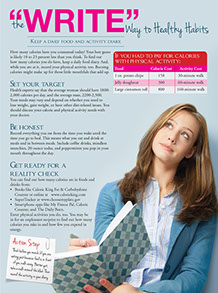
    If you had to pay for calories with physical activity:

    Food

    1 oz. potato chips

    Jelly doughnut

    Large cinnamon roll

    Calorie Cost

    150

    300

    800

    Activity Cost

    30-minute walk

    60-minute walk

    160-minute walk

    Action Step

    Think before you munch. If you are eating just because food is in front of you, walk away. Better yet, take a walk around the block. Then record the activity in your diary.

    Page from Ways to Well-Being book by the American Institute for Preventive Medicine. www.HealthyLife.com. All rights reserved.

    © American Institute for Preventive Medicine

  • Wise Food Choices When You’re Pressed For Time

    Nutrition

    Pressure…stress…time demands…family responsibilities…career demands. Many times a hectic lifestyle turns snacks into meals, the family dinner into a special occasion, and eating on the run into an everyday occurrence. This leaves less time to purchase and prepare food. No matter how fast paced your routine, you can still get nutritious meals in minutes.

    Streamline Meal Preparation

    *  Use a microwave to thaw and cook meats, cook vegetables, pasta, etc.

    *  Buy pre-cut vegetables and/or baby carrots to eat while preparing meals, as snacks, to take in lunches, and to cook with meats.

    *  Broil meats, chicken, and fish. It’s fast and eliminates the need to add fats during preparation.

    *  Keep a supply of staples on hand to avoid last minute trips to the store. Stock pasta, pasta sauce, (e.g., marinara), rice, and canned vegetables, (e.g., tomatoes), beans, and tuna.

    *  Prepare larger quantities. For example, if making a soup or stew, prepare enough for three or four meals and freeze in individual containers.

    *  Make one dish meals combining meats, vegetables, and grains to save on clean-up time. Try chili, ratatouille, or vegetable and rice casseroles and stir fries, and kabobs.

    *  If a frozen dinner is your meal, balance it by adding a salad, piece of fruit, and skim milk. Add canned chickpeas (garbanzo beans) to your salad.

    *  For a super quick meal, eat a sandwich, a bowl of vegetable or bean soup, and drink a glass of skim milk.

    *  Serve a nontraditional, but easy meal, for dinner. Try a stuffed potato with cut-up vegetables, plain yogurt, and Parmesan cheese, or a pizza with pizza sauce, fresh vegetables, and low-fat mozzarella cheese.

    *  Purchase ready-to-eat items at the deli counter and salad bar that you can eat when you get home or refrigerate and use for the next day’s lunch and/or dinner. Examples are a rotisserie turkey breast half or whole chicken, tossed greens and cut-up vegetables, sliced lean meats, hummus, etc.

    Choose Healthy Snacks

    *  Stock your kitchen with quick snack foods that are nutrient dense, such as low-fat yogurt, fresh fruit, cut-up vegetables, dry cereal, bagels, and whole grain crackers.

    *  Practice smart snacking with convenience foods that offer both taste and nutrition. It takes only seconds to pour a glass of milk, open a box of cereal, or wash a piece of fresh fruit.

    *  Practice moderation in your snack choices. Substitute fruit, yogurt, and plain popcorn for high-calorie snacks like chips and cookies. Pass on fat-free crackers and desserts. These may be lower in fat than regular varieties, but still have about the same number of calories.

    *  Prepare healthy snacks, such as muffins, mixed fruit, or a fresh vegetable dip with pita wedges.

    On the Go

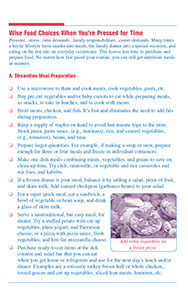
    Image of a man with one hand on his laptop computer and the other holding a fork about to take a bite of his healthy salad.

    *  Make an effort to include fruits and vegetables. Order skim milk with your meal.

    *  Pack a piece of fruit in your briefcase or purse for an afternoon snack or keep dried fruit in your desk drawer for an instant high fiber snack.

    *  Take along individually portioned juices, raw vegetables, low-fat cheese or peanut butter, and whole grain crackers.

    *  Opt for bottled water instead of sweetened soft drinks.

    *  At the vending machine, choose low-fat options like pretzels, plain popcorn, oatmeal raisin cookies, gingersnaps, vanilla wafers, or low-fat yogurt.

    *  When you go out for breakfast, try cereal with skim milk, waffles or pancakes with fresh fruit toppings, a bagel, or toast with fruit or juice.

    *  At the fast food restaurant, opt for grilled chicken, fish, or lean meat entrees. Choose a salad, baked potato, or bean chili, going light on the toppings.

    *  Order healthy “carry out” choices, such as grilled chicken, stir-fried dishes with rice (not fried noodles), pizza with a lot of vegetables and half the cheese, etc.

    Page from HealthyLife Weigh book by the American Institute for Preventive Medicine. www.HealthyLife.com. All rights reserved.

    © American Institute for Preventive Medicine

  • What To Know About Irradiated Food

    Nutrition

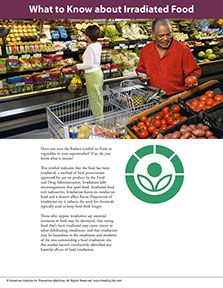
    Have you seen the Radura symbol on fruits or vegetables in your supermarket? If so, do you know what it means?

    This symbol indicates that the food has been irradiated, a method of food preservation approved for use on produce by the Food and Drug Administration. Irradiation kills microorganisms that spoil food. Irradiated food isn’t radioactive. Irradiation leaves no residue on food and it doesn’t affect flavor. Proponents of irradiation say it reduces the need for chemicals typically used to keep food fresh longer.

    Those who oppose irradiation say essential nutrients in food may be destroyed, that eating food that’s been irradiated may cause cancer or other debilitating conditions, and that irradiation may be hazardous to the employees and residents of the area surrounding a food irradiation site. But studies haven’t conclusively identified any harmful effects of food irradiation.

    Page from A Year of Health Hints book by the American Institute for Preventive Medicine. www.HealthyLife.com. All rights reserved.

    © American Institute for Preventive Medicine

  • Weight Loss Tips

    Weight Control

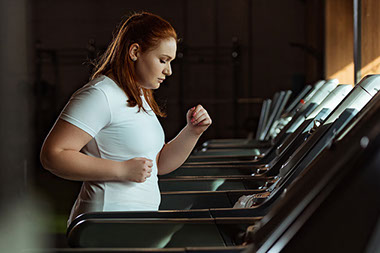
    Women using a treadmill.

    Make being active a priority every day.

    Try not to focus on the number on the scale. Instead, focus on healthy food choices, watching portion sizes, and getting regular physical activity.

    Muscle burns more calories than fat. To build muscle, do strengthening exercises. Use weights, a stretch band, etc.

    Walking just 2 flights of stairs every day for a year burns enough calories to lose almost 2 pounds of body fat.

    Make wise choices when you eat out. Eat at places that offer healthy food choices. Limit portions.

    Having just two 12 ounce regular soft drinks a day could add 30 pounds of weight in one year. Limit regular soda. Drink water instead.

    Fat-free and reduced fat foods are not calorie free. Some of these products may have as many calories as their regular counterparts. Read food labels. Find out the number of calories the food item has per serving.

    Page from HealthyLife Weigh book by the American Institute for Preventive Medicine. www.HealthyLife.com. All rights reserved.

    © American Institute for Preventive Medicine

  • Walkwell™ Tracker

    Fitness

    Use this tracker to:

    *  Write down your weekly walking goals.

    *  Assist you in meeting your goals.

    *  Learn about proper walking technique.

    *  Keep a walking and weight record for 52 weeks.

    Why Walk?

    Walking is an easy form of exercise and does not cost a lot. It provides many benefits and has a very low risk of injury. Check the benefits/goals you wish to get from walking.

    *  Have more energy

    *  Feel better

    *  Look better

    *  Burn calories

    *  Lose weight

    *  Maintain a healthy weight

    *  Relieve tension and stress

    *  Build stamina

    *  Increase muscle tone

    *  Improve heart health and lung health

    *  Lower risk of heart disease, type 2 diabetes, and some cancers

    *  Help treat arthritis, heart disease, depression, diabetes, and/or high blood pressure

    *  Slow down bone loss (osteoporosis)

    *  Improve balance and lower the risk of falling

    How Do I Get Started

    Walk How Much?

    Walking is an easy way to get moderate and/or vigorous-intensity physical activity that adults are advised to get each week:

    1.  At least 2 hours and 30 minutes (150 minutes) of moderate-intensity physical activity (walking briskly for 3 miles per hour or faster, but not race-walking) OR

    2.  At least 1 hour and 15 minutes (75 minutes) of vigorous-intensity physical activity (race walking, jogging, or running) OR

    3.  A mix of 1 and 2

    Does 75-150 minutes each week sound like a lot of time? You don’t have to do it all at once. You can break up your activity into shorter times during the day. For example, take a 10-minute walk, 3 times a day, 5 days a week.

    Adults are also advised to do muscle-strengthening activities on 2 or more days a week that work all major muscle groups (legs, hips, back, abdomen, chest, shoulders, and arms).

    How Do I Get Started

    *  Consult your doctor or health care provider before you start an exercise program.

    *  Plan walking into your daily / weekly schedules.

    *  Write walking times on your calendar, daily planner, or “To Do List.”

    *  Choose the best times for you to walk.

    *  Pick times that you know you can stick to.

    *  Throughout the day, walk more. Sit less.

    *  Park your car farther away from the door of a store or business.

    *  Use extra free time to take mini-walks. The steps will add up!

    Wear What?

    *  Good walking shoes with an arch support to absorb shock and cushion your feet

    *  Clothing that fits loosely and is made of fabrics that absorb sweat and remove it from your skin

    *  Sunscreen on exposed skin to protect it from harmful ultraviolet (UV) rays

    *  A hat and sunglasses (if walking outside) to protect your head and eyes from UV rays

    *  A fanny pack to carry:

    – Identification

    – Cell phone

    – Money

    – Sugar snack (if diabetic)

    *  Pedometer – if you want to keep track of your steps

    Walk Where?

    *  Indoors from room to room

    *  Neighborhoods with sidewalks

    *  Parks and hiking trails

    *  The mall

    *  On a treadmill or an elliptical at home or a local gym

    *  Indoors and outdoors at your place of work

    *  Tracks at local schools and community centers

    *  Map out miles and/or 1,000 to 10,000 steps using these Web sites:

    *Also has a smartphone app

    Walk with Whom?

    *  Family members. Make it a family activity.

    *  A friend or neighbor

    *  A mall walking group

    *  Co-workers. Walk during lunch and/or break times.

    *  Join or start a walking club at your place of work or with your neighbors.

    Walking with a buddy or a group of walkers decreases boredom, provides distraction, and helps keep you motivated.

    Get information and support online from:

    www.startwalkingnow.org

    http://walking.about.com/c/ec/115.htm

    Walking Program

    Sample Program Using Steps

    Use a pedometer to track your steps.

    1.  Wear the pedometer every day for one week to find out how many steps you take in a day.

    2.  Record your steps.

    3.  Add the number of steps you took from Sunday to Saturday. This is the total number of steps you took for Week 1.

    4.  Divide this total number of steps by 7 for an average number of steps per day.

    5.  Each week, add more steps each day until you reach 10, 000 or more steps a day. For example, if your average number of steps per day for week 1 was 2,000; add 500 steps per day every week until you are walking 10,000 steps a day.

    Warm Up

    *  Walk slowly for 5 minutes.

    *  Stretch for 5 or more minutes.

    *  Stretch only to the point of comfort. You should feel mild tension, not pain.

    *  Never bounce.

    – To stretch your arms:  Hold one arm straight out from your side, level with shoulder. Swing your arm across your chest as far as it is comfortable. Then swing it toward your back as far as it will comfortably go. Alternate arms.

    – To stretch your back: Stand with your feet apart. Clasp your hands high above your head. Lean your head back and look up. Hold for 5 seconds. Relax. Repeat 2-4 times.

    – To stretch your legs: Stand up straight and balance yourself with your hand against a wall or chair. Bend one knee, grasp that ankle, and draw the leg up and back. Hold for 10 seconds. Repeat with your other leg.

    Walk This Way

    *  Step down on the back of your heels and roll onto your toes. Point your toes forward.

    *  Keep your chin up and your shoulders slightly back.

    *  Swing your arms at your sides. Try alternating bicep curls while you walk.

    *  Breathe in deeply. Exhale fully.

    Cool Down

    *  Walk at a slower pace for 3-5 minutes.

    *  Breathe slowly and rhythmically.

    Get Motivated!

    *  Walk with a buddy.

    *  Bring music with you. Choose music to match your mood and pace!

    *  Walk the dog! If you don’t have one, walk with your neighbor when he or she walks the dog or volunteer at a local animal shelter.

    *  Help the environment. Walking instead of taking the car helps our climate.

    *  Notice the beauty around you.

    *  Use walks to clear your head and sort out problems.

    *  Meet new people! Say “Hello” to the neighbors.

    *  Change it up. Walk in different areas or at different times of the day.

    *  Reward yourself when you reach a goal.

    Walk for a Cause

    Take part in national fundraising fitness-related walks that are held locally.

    American Heart Association’s Heart Walk

    www.heart.org/HEARTORG

    Step Out: Walk to Fight Diabetes

    http://stepout.diabetes.org

    March of Dimes

    www.marchforbabies.org

    Susan G. Koman Breast Cancer 3-Day

    http://ww5.komen.org

    Walk to Cure Diabetes

    www2.jdrf.org

    Walk Like MADD (Mothers Against Drunk Driving)

    www.madd.org

    Walk MS (Multiple Sclerosis)

    www.walkms.org

    Walking Burns Calories

    The number of calories you burn with walking depends on your weight and metabolism, how fast you walk, how long you walk, and factors in your walking environment.

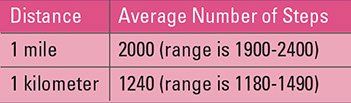
    Step Equivalents for Distances

    Physical Activities / Step Equivalents & Calories Burned per 30 Minutes (155 Pound Person)
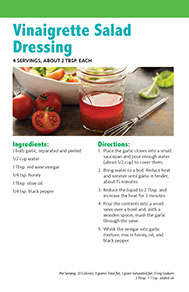
    Cover image to the WalkWell book by the American Institute for Preventive Medicine. www.HealthyLife.com. All rights reserved.

    © American Institute for Preventive Medicine