Author: AIPM

  • Kids, Puberty & Sports

    BE FIT

    Adult and teen playing basketball.

    Sports can be a great way for kids to develop social skills, teamwork and resilience. But it’s important to know that athletic ability changes as kids grow.

    Growth affects performance

    During puberty, boys and girls have a growth spurt that can change their athletic ability. After going through puberty:

    *  Boys may notice more muscle strength and overall bigger body size.

    *  Girls often lose some muscle mass. They may temporarily lose some of their speed or agility.

    *  Kids could feel “clumsy” as they adjust to being taller. The brain hasn’t yet adjusted to this new height and may affect balance skills or body control.

    *  It may be harder to throw or hit a ball with longer arms.

    *  Girls may have headaches, mood swings or cramps during menstruation.

    Puberty & knee injuries

    As kids get taller and heavier, they have a higher risk of anterior cruciate ligament (ACL) injury. The ACL is an important ligament that supports the knee.

    ACL injuries can be serious. They may require surgery and can increase the risk of knee arthritis later in life.

    Most ACL injuries happen when a person suddenly stops, changes direction, jumps or lands on the ground. They don’t usually happen from a blow to the knee. Sometimes an ACL injury causes a “popping” sound as it occurs.

    ACL injuries may cause swelling, severe pain, and inability to put weight on the knee. If your child injures their knee, see a doctor right away.

    Positive support is key

    Coaches who know about the effects of puberty can help kids. In addition, parents can help their kids by being positive and supportive. Yelling at kids or being put down may cause them to quit their sport. Remember that changes caused by puberty are only temporary.

    Source: American Academy of Pediatrics

    © American Institute for Preventive Medicine

  • Keeping Cool When Work Heats Up

    WORK LIFE

    Image of a great of employees.

    Have you ever been in a tense situation at work? Perhaps two people were arguing or someone got angry with you.

    Though it’s hard to stay calm in these types of situations, it’s the best thing you can do. If you don’t react strongly, you can help defuse tension and find a helpful resolution.

    Focus on a solution

    It’s easy to get wrapped up in the problem, not the solution. Ask yourself, “what are we trying to accomplish?” Many workplace arguments start because two people have different ideas about what should be done. But, both people ultimately want to fix the same problem.

    Sometimes, an argument can be stopped if both parties remember what they both want: a good outcome. Talk about what you agree upon, and try to build from there.

    Take pause

    When something stressful is happening, your body immediately wants to respond. You may feel tense and anxious. You may also want to run from the situation or defend yourself. This is a normal “fight-or-flight” response that wants to protect you. But, this isn’t always the best way to react. Here’s how you can stay in control:

    *  Watch your breathing. Take deep, slow breaths to help calm your body’s natural response to stress. This can help you think more clearly and lower your anxious feelings.

    *  Think before you speak. It’s okay to pause before answering a question. Also, you can say, “Let me think about that for a moment.” This gives you time to come up with a professional response, rather than an angry one.

    *  Wait to hit “send.” Read emails out loud to yourself before you send them. Save the draft and wait before you send it if you’re angry. This can help avoid something you will later regret.

    © American Institute for Preventive Medicine

  • Is Lasik Right For You?

    SELF-CARE CORNER

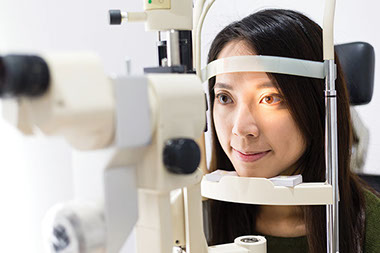
    Female getting her eyes examied.

    If you wear glasses or contacts, it’s possible you may be a candidate for LASIK eye surgery. LASIK stands for laser-assisted in situ keratomileusis, which simply means laser vision correction.

    The procedure uses a laser to correct the shape of your cornea and improve your vision. This type of surgery is used to treat:

    *  Myopia (nearsightedness)

    *  Hyperopia (farsightedness)

    *  Astigmatism (an imperfection in the shape of the cornea)

    Undergoing LASIK eye surgery may reduce or eliminate your need for glasses or contacts. But, it’s not right for everyone.

    How to qualify

    To find out if you are a candidate for LASIK, you first need to talk to your eye doctor. They will do a comprehensive eye exam and make sure you meet certain criteria such as:

    *  Stable vision for at least a year

    *  Eye prescription within the range LASIK can correct

    *  Thick healthy corneas

    *  18 years of age or older

    Some conditions may disqualify you from the procedure. These include:

    *  Severe dry eye

    *  Eye infections

    *  Cataracts

    *  Glaucoma

    *  Poorly controlled diabetes

    *  Pregnancy or breastfeeding

    The procedure

    During the procedure, you will be awake, resting comfortably on a table, and able to see for the majority of the time. It is painless and over in just a few minutes.

    1.  Drops will be put in your eyes to numb them.

    2.  An eyelid holder will be put in place to keep your eyes open.

    3.  A suction ring will be placed on your eye to hold it still. You will feel some pressure, and your vision will briefly fade.

    4.  The ophthalmologist will use a laser to cut a flap in your cornea.

    5.  A laser will precisely reshape your cornea, and the flap will be smoothed back into place.

    After LASIK surgery

    You will need to wear special glasses at first for eye protection and use several types of eye drops for the first few days to weeks until your eyes are healed.

    Side effects from the procedure are often temporary and may include:

    *  Dry eyes

    *  Light sensitivity

    *  Blurry vision

    *  Halos around lights, especially at night

    *  Glare

    Source: American Academy of Ophthalmology

    © American Institute for Preventive Medicine
  • Irritated Eyelids And Blepharitis

    SELF-CARE CORNER

    Grandfather and grandson flexing arms.

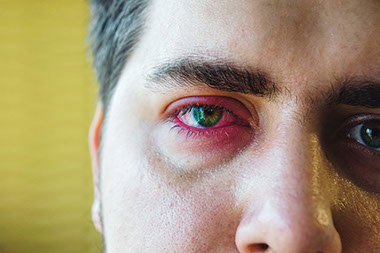
    You might not think about your eyelids very much. That is, until there’s a problem with them. Blepharitis, a common eyelid condition, can cause irritated, red, itchy eyelids. It can also cause flaking on the eyelids.

    What causes blepharitis?

    Blepharitis usually happens when bacteria on the skin become unbalanced. Certain things can trigger this bacteria growth, including:

    *  Allergies

    *  Mites

    *  Dandruff

    *  Oily skin

    *  Rosacea

    Signs and symptoms

    Blepharitis can feel different to different people. Blepharitis symptoms include:

    *  Watery eyes or extra tearing

    *  Red and swollen eyelids

    *  Dry eyes

    *  Crusting of the eyelids

    *  Itching

    *  Blurry vision

    Self-care

    Most people can manage blepharitis with self-care at home. Here’s how:

    *  Wash your hands. Then apply a warm, moist compress to each eyelid twice a day. Use a clean cloth for each eye.

    *  Gently scrub the eyelids with water and baby shampoo or a gentle eyelid cleanser.

    *  Rinse thoroughly with clean, warm water and dry with a clean towel.

    *  If you have dandruff, wash your hair with anti-dandruff shampoo on a regular basis.

    *  Avoid using eye makeup or wearing contact lenses until blepharitis symptoms are gone.

    Is blepharitis dangerous?

    Blepharitis isn’t usually dangerous. But its symptoms can be painful or bothersome. Sometimes blepharitis can cause other eye problems, such as:

    *Stye:A red, painful bump on the eyelid caused by a blocked oil gland.

    *Chalazion:A red bump on the eyelid that doesn’t hurt.

    *Cornea damage:The cornea is the clear outer layer of the eye.

    If blepharitis doesn’t get better with self-care measures, contact your doctor. In some cases, you may need special eye drops or antibiotic ointment. Always ask your doctor before using any drops or other products in your eyes.

    Sources: American Academy of Ophthalmology, National Institutes of Health

    © American Institute for Preventive Medicine
  • How Your Surroundings Affect Your Health

    WELL-BEING

    Clean organzied room.

    Most people spend a lot of time in their home or their workplace. And the things around you can affect how you feel. Your surroundings can affect your:

    *  Breathing

    *  Heart rate

    *  Blood pressure

    *  Stress levels

    *  Brain chemicals

    You may not notice these changes. They often happen without you realizing it. But these changes can affect your health.

    Are your surroundings healthy?

    To find out whether your surroundings are good for you, trust your feelings. If you’re not sure, ask yourself:

    *  Does this room make me feel relaxed or tense?

    *  Do I feel happy or sad when I walk in?

    *  When I look at an item, how does it make me feel?

    *  Do certain sounds or smells make me cringe or feel on edge? Or do sounds and smells make me feel relaxed or peaceful?

    Some people find that just thinking about certain places make them feel stressed. For instance, you may feel anxious about going to the hospital or the doctor’s office.

    Why your surroundings matter

    If you have past experiences with a place or thing, this will shape how you feel about them now. For instance, with post-traumatic stress disorder (PTSD), surroundings can trigger bad memories.

    PTSD can be triggered by sights, sounds, smells or places. If this happens to you, talk to your doctor. You can get help working through these emotions and any bad memories that harm your mental well-being.

    Make your surroundings good for you

    Find ways to change your surroundings so they remind you of good things. Try these tips:

    *  Get plenty of daylight during the day.

    *  Add artwork, items or photos that make you feel happy. Nature paintings and photos are helpful for many people.

    *  Add a flower or plant to your space to help you think about nature.

    *  Listen to nature sounds on your phone or a CD.

    Get help from your doctor

    A mental health provider can help you break connections that are causing bad memories or negative feelings. Work with your doctor to find resources that can help you balance your health and happiness.

    Source: Veterans Health Administration

    © American Institute for Preventive Medicine
  • How To Teach Children Gratitude

    FAMILY LIFE

    Young child hugging mother.

    Children may often want every new toy and thing they see. But you can help teach them gratitude with these tips:

    1.Make getting things a surprise.This helps kids see something as a gift, not an entitlement. For instance, “surprise” them with a trip to the park or their favorite dessert on special occasions.

    2.Be careful with choices.Allowing children to choose something big, such as a vacation destination, will make them think they can get whatever they want. Instead, the adults can choose the vacation plans and present it as a surprise.

    3.Talk about what made them happy each day.This teaches kids to be thankful for good things. It can be as simple as playing at recess, seeing a friend or enjoying what they ate for lunch.

    4.Serve others as a family.Community charity programs such as working at a food bank are a great way for kids to see how much they have. Also, do smaller things like bring meals to neighbors who are going through a hard time.

    5.Show them how to be positive.Being demanding, whiny or jealous quickly turns into being ungrateful for what they have. You can point out positives in nearly any situation to teach them how to find it themselves. “It’s really hot today, but I’m so glad we have cold water to drink” is a great example.

    6.Insist on saying “please” and “thank you.”Give them positive reinforcement every time they use these words. This helps to teach them the importance of showing  gratitude and respect for other people.

    7.Give them chores to do.Yes, kids are busy, but simple things like putting away their clothes, helping with dishes and picking up their toys are valuable lessons. Chores teach kids that it takes work to keep up a household and that they should contribute. Even five to 10 minutes of chores a day is helpful.

    8.Consider gifts of “experiences” instead of “things.”Not sure what to get them because they already have so much? How about tickets to a movie or show? Or a trip to a water park for a day? Chances are, they will remember those fun experiences far longer than any toy or gadget.

    Source: American Academy of Pediatrics

    © American Institute for Preventive Medicine
  • How Caffeine Affects Your Brain

    WELL-BEING

    Two people walking and talking.

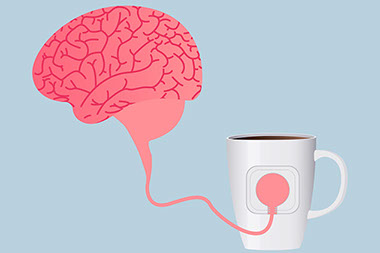
    Every day, millions of people wake up with a hot cup of coffee or tea. Caffeine in these products helps you feel alert. But how does caffeine work – and what does it do to your brain?

    Adenosine and sleepiness

    Your body naturally makes a chemical called adenosine. It builds up in your body during the day. As levels get higher, you start to feel tired.

    Caffeine blocks adenosine from working on brain cells. This prevents you from feeling sleepy. But it can’t fool your body forever. Over time, your body makes more adenosine. Then you need more caffeine to get the same “perk-up” effects.

    Adenosine is one of the reasons it’s hard to quit caffeine. When you suddenly stop, your body must start making lower levels of adenosine again. This takes time. You might feel more tired or get headaches while your body adjusts.

    Sensitivity varies

    Have you ever had too much caffeine? You might feel sick to your stomach or like your heart is racing. You may also feel anxious or nervous.

    But not everyone has this reaction. Some people break down caffeine faster than other people. How fast you process caffeine depends on your genes.

    Who should skip caffeine?

    Avoid caffeine if you have:

    *  Acid reflux or other digestive problems

    *  Trouble sleeping or sleep disorders

    *  High blood pressure

    *  Heart conditions

    Children, teens and women who are pregnant or breastfeeding are often advised to stay away from caffeine, too.

    Is caffeine safe?

    For most healthy adults, a little caffeine each day is OK. But choose sources without lots of added sugar, such as overly sweetened coffee drinks and sweet teas. And if you’re tired all the time, make sure you’re:

    *  Getting enough sleep

    *  Eating a healthy diet

    *  Drinking enough water each day

    *  Getting regular exercise, which can boost your energy levels

    Talk to your doctor if you have questions about caffeine and your health.

    Source: National Institutes of Health

    © American Institute for Preventive Medicine

  • Hepatitis: Causes & Types

    MEDICAL NEWS

    Middle age man smiling.

    Hepatitis is a condition that affects the liver. If a person has hepatitis, their liver may be inflamed or damaged.

    What causes hepatitis?

    Many different things can cause hepatitis. They include:

    *  A virus

    *  Contaminated objects like needles or medical equipment

    *  Heavy alcohol use

    *  Certain medications

    *  Some medical conditions

    Different types of hepatitis

    Hepatitis A:

    *  Is spread through contaminated food, drinks or objects.

    *  Can make you sick for weeks or months, but most people recover.

    *  Can be prevented with a vaccine.

    Hepatitis B:

    *  Is spread through blood, semen or other body fluids.

    *  Can spread through sex, sharing personal items or sharing needles.

    *  Can cause long-term liver problems like liver failure and cancer.

    *  Can be prevented with a vaccine.

    Hepatitis C:

    *  Is spread through blood.

    *  Can spread when people share needles or other equipment.

    *  Causes long-term infection in about half of all cases.

    *  Can cause cirrhosis (scarring) of the liver.

    *  More than 90 percent of people can be cured with proper medical treatment – new treatment has very few side effects.

    Ask your doctor about hepatitis

    Many people may have hepatitis and don’t know it. You may not have any symptoms at first. That’s why it’s important to talk to your doctor. They can find out if you need a vaccine or if you should get tested for hepatitis. Proper medical care can help prevent, treat or cure this disease.

    © American Institute for Preventive Medicine
  • Healthy Weight, Healthy Kids

    HEALTHY EATING

    Young child smiling eating vegetables.

    Many kids struggle to be at a healthy weight. They may be overweight or obese. Childhood obesity can cause serious health problems now and later in life.

    There is no simple fix, but there are ways we can help children get or stay healthy.

    What is childhood obesity?

    In adults, a BMI of 40 or higher is considered obese. It’s not the same with children. A child’s age and gender must be considered when calculating their BMI. In children, this is called BMI-for-age. This is because children’s body fat amounts vary as they grow.

    Percentiles matter when looking at a child’s BMI. A child whose BMI is at or above the 95th percentile may have obesity. This means their BMI is higher than 95 percent of other children of their age and gender. Your child’s doctor can help you calculate their BMI.

    Why is it unhealthy?

    Children with obesity are at a higher risk of:

    *  Asthma

    *  Sleep apnea

    *  Type 2 diabetes

    *  Bone and joint problems

    *  High blood pressure

    *  Unhealthy cholesterol levels

    What can adults do?

    *  Take them for regular doctor checkups. Your child’s doctor can offer eating and exercise advice.

    *  Allow them to eat fruits and vegetables in place of processed foods high in fat and sugar.

    *  Have them drink water in place of juice or soda.

    *  Aim for one hour of activity each day. This can be walking, biking or dancing. Choose things they enjoy!

    *  Make sleep a priority. Most children need at least eight hours. Ask your child’s doctor about this.

    Sources: Centers for Disease Control and Prevention, U.S. Department of Health and Human Services

    © American Institute for Preventive Medicine

  • Health News: Sorting Fact From Fiction

    WELL-BEING

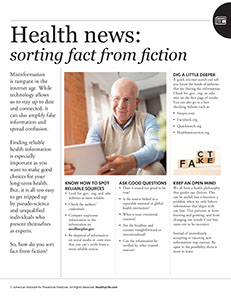
    Older man on reading on a tablet.

    Misinformation is rampant in the internet age. While technology allows us to stay up to date and connected, it can also amplify false information and spread confusion.

    Finding reliable health information is especially important as you want to make good choices for your long-term health. But, it is all too easy to get tripped up by pseudo-science and unqualified individuals who present themselves as experts.

    So, how do you sort fact from fiction?

    Know how to spot reliable sources

    *  Look for .gov, .org, and .edu websites as most reliable.

    *  Check the authors’ credentials.

    *  Compare suspicious information to the information onmedlineplus.gov.

    *  Be skeptical of information on social media or .com sites that you can’t verify from a more reliable source.

    Ask good questions

    *  Does it sound too good to be true?

    *  Is the source linked to a reputable national or global health institution?

    *  What is your emotional reaction?

    *  Are the headline and content straightforward or sensationalized?

    *  Can the information be verified by other trusted sources?

    Dig a little deeper

    A quick internet search can tell you know the kinds of websites that are sharing the information. Check for .gov, .org, or .edu sites on the first page of results. You can also go to a fact-checking website such as:

    *Snopes.com

    *Factcheck.org

    *Quackwatch.org

    *Healthnewsreview.org

    Keep an open mind

    We all have a health philosophy that guides our choices. This can be useful, but it becomes a problem when we only believe information that aligns with our bias. This prevents us from learning and growing, and from changing our minds if our bias turns out to be incorrect.

    Instead of immediately accepting or rejecting new information, stay curious. Be open to the possibility there is more to learn.

    © American Institute for Preventive Medicine