Author: AIPM

  • You’re Never Too Old To Exercise

    BE FIT

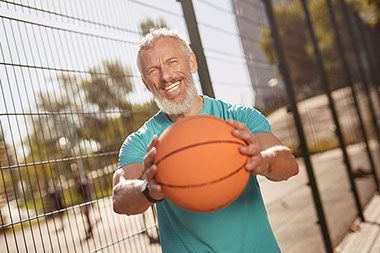
    Older man smiling while holding out a basketball.

    Older adults might find it hard to exercise. But exercise is great for older adults and may even help relieve joint pain and increase energy. It can help you sleep better, maintain a healthy weight and  relieve stress.

    See your doctor first.

    Talk to your doctor before starting an exercise plan if you have any health conditions or take medications.

    Stay hydrated.

    Drink water before, during and after your workout.

    Perform all types of exercise.

    This includes flexibility (stretching), strength (weights or resistance) and endurance (walking, biking or other activities).

    © American Institute for Preventive Medicine

  • Mood & Food: The Close Link

    HEALTHY EATING

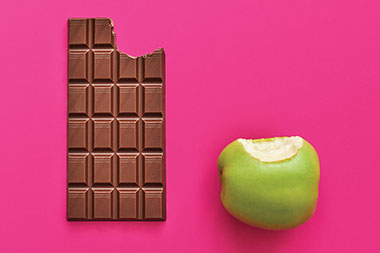
    A bite out of a green apple and in a chocolate bar.

    You may already know that your diet can change how you feel mentally. If you’ve ever been really hungry, you may notice that you start to feel upset or angry. And, some high-calorie junk foods are called “comfort foods” for a reason. They make you feel better mentally, but only for a little while.

    The link between the mind and what a person eats is complex. That’s why it can be so hard to make good choices when you have a bad day or feel depressed. But there are ways to fight this habit and start to make better choices, even when your mood is down or you feel stressed.

    Why we want comfort food

    Stress can make you want to eat unhealthy foods. This is your body’s way of trying to get fuel when it thinks you are in trouble. Although this is normal, you have the power to overcome it.

    Take a moment to think about a food you are craving. Then think about your current emotions. If you’re feeling sad, angry or stressed, this could be why you want that pizza or ice cream.

    If you eat the food, you may feel good for a few minutes. But unhealthy foods with lots of fat and sugar can actually increase the risk of depression or anxiety. This creates an unhealthy cycle that will continue as you eat those comfort foods.

    The cycle of mood & food

    If you use food to cope with stress or depression for too long, your body will get used to it. Then, when you do try to make a healthy choice, your body and mind may be confused. This could lead to an even stronger craving for those comfort foods. This cycle makes it very hard to make changes to your diet.

    You can win!

    You’re not stuck in this cycle. Eating fruits and vegetables can make you feel happy. When you’re happy, you’re more likely to reach for healthy foods again. This can start a positive cycle!

    Source: American Heart Association

    © American Institute for Preventive Medicine

  • Make Your Summer Workout Easier

    BE FIT

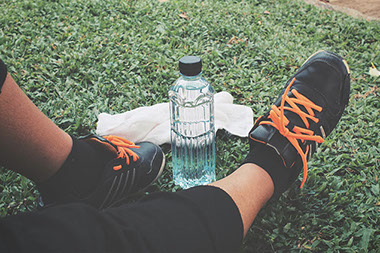
    Feet wearing tennis shoes and a bottle of water on grass.

    You can still enjoy a productive workout during the warmer months. Try these tips:

    1.Start early with water.Don’t wait to start drinking water right before you exercise. Drink water throughout the day to keep your body hydrated. Then, drink additional water during and after your workout.

    2.Go indoors when heat and humidity are too high.Don’t try to brave extreme weather with an outdoors workout. Heat exhaustion and heat stroke are dangerous and can happen to anyone. On heat advisory days, take your workout indoors.

    3.Wear the right clothes.Choose light-colored clothing that is made for sweating and workouts. Many new, lighter fabrics will keep sweat and moisture away, which makes you feel cooler. Cotton clothing is best suited for low-humidity weather conditions.

    4.Shun the midday sun.In the summer, limit or avoid heavy workouts from 10 a.m. to 4 p.m. The sun and temperatures will be hottest during these times. Instead, go out early in the morning or in the evening.

    Source: Academy of Nutrition and Dietetics

    © American Institute for Preventive Medicine

  • Make A New Thanksgiving Tradition

    FAMILY LIFE

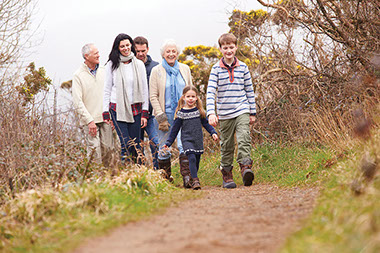
    Family walking along a trail.

    As much as we love Thanksgiving, most of us do not love the way we feel afterward. Heartburn, bloating, and sleepiness are common complaints after the holiday feast.

    But, a simple family tradition could mean a better day for everyone. Instead of collapsing on the couch in a food coma, get the whole family out for a walk!

    Walking after your Thanksgiving meal has several benefits:

    1.  Taking a walk right after eating may improve digestion. Physical activity stimulates the digestive system and keeps food moving through properly.

    2.  A post-meal walk may prevent a big spike in blood sugar. This means there is less chance of a “sugar-crash” later.

    3.  Walking may reduce your risk of disease, help you maintain a healthy weight, and even lengthen your life.

    4.  Being active as a family is an opportunity to strengthen bonds and enjoy uninterrupted quality time together.

    © American Institute for Preventive Medicine

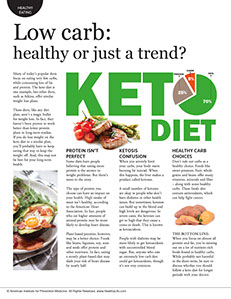
  • Low Carb: Healthy Or Just A Trend?

    HEALTHY EATING

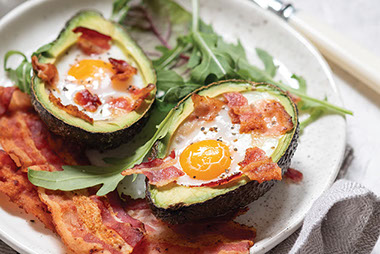
    Image of avocado stuffed with eggs and bacon.

    Many of today’s popular diets focus on eating very few carbs, while consuming lots of fat and protein. The keto diet is one example, but other diets, such as Atkins, offer similar weight loss plans.

    These diets, like any diet plan, aren’t a magic bullet for weight loss. In fact, they haven’t been proven to work better than lower protein plans in long-term studies. If you do lose weight on the keto diet or a similar plan, you’ll probably have to keep eating that way to keep the weight off. And, this may not be best for your long-term health.

    Protein isn’t perfect

    Some diets have people believing that eating more protein is the answer to weight problems. But there’s more to the story.

    The type of protein you choose can have an impact on your health. High intake of meat isn’t healthy, according to the American Heart Association. In fact, people who eat higher amounts of animal protein may be more likely to develop heart disease.

    Plant-based proteins, however, may be a better choice. Foods like beans, legumes, soy, nuts and seeds offer protein and other nutrients. In fact, eating a mostly plant-based diet may slash your risk of heart disease by nearly half.

    Ketosis confusion

    When you severely limit your carbs, your body starts burning fat instead. When this happens, the liver makes a product called ketones.

    A small number of ketones are okay in people who don’t have diabetes or other health issues. But sometimes, ketones can build up in the blood and high levels are dangerous. In severe cases, the ketones can get so high that they cause a coma or death. This is known as ketoacidosis.

    People with diabetes may be more likely to get ketoacidosis with uncontrolled blood sugar. But, anyone who eats an extremely low carb diet could get ketoacidosis, though it’s not very common.

    Healthy carb choices

    Don’t rule out carbs as a healthy choice. Foods like sweet potatoes, fruit, whole grains and beans offer many vitamins, minerals and fiber – along with some healthy carbs. These foods also contain antioxidants, which can help fight cancer.

    The bottom line:When you focus on almost all protein and fat, you’re missing out on a lot of nutrient-rich foods found in healthy carbs. While probably not harmful in the short-term, be sure to discuss whether you should follow a keto diet for longer periods with your doctor.
    © American Institute for Preventive Medicine

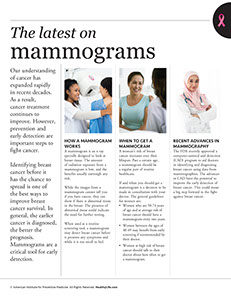
  • The Latest On Mammograms

    MEDICAL NEWS

    Female doctor smiling.

    Our understanding of cancer has expanded rapidly in recent decades. As a result, cancer treatment continues to improve. However, prevention and early detection are important steps to fight cancer.

    Identifying breast cancer before it has the chance to spread is one of the best ways to improve breast cancer survival. In general, the earlier cancer is diagnosed, the better the prognosis. Mammograms are a critical tool for early detection.

    How a mammogram works

    A mammogram is an x-ray specially designed to look at breast tissue. The amount of radiation exposure from a mammogram is low, and the benefits usually outweigh any risk.

    While the images from a mammogram cannot tell you if you have cancer, they can show if there is abnormal tissue in the breast. The presence of abnormal tissue could indicate the need for further testing.

    When used as a routine screening tool, a mammogram may detect breast cancer before it presents any symptoms and while it is too small to feel.

    When to get a mammogram

    A woman’s risk of breast cancer increases over their lifespan. Past a certain age, a mammogram should be a regular part of routine healthcare.

    If and when you should get a mammogram is a decision to be made in consultation with your doctor. The general guidelines for women are:

    *  Women who are 50-74 years of age and at average risk of breast cancer should have a mammogram every two years.

    *  Women between the ages of 40-49 may benefit from early screening if recommended by their doctor.

    *  Women at high risk of breast cancer should talk to their doctor about how often to get a mammogram.

    Recent Advances in Mammography

    The FDA recently approved a computer-assisted and detection (CAD) program to aid doctors in identifying and diagnosing breast cancer using data from mammographies. The advances in CAD have the potential to improve the early detection of breast cancer. This could mean a big step forward in the fight against breast cancer.

    © American Institute for Preventive Medicine

  • Know Your Fitness Goals

    BE FIT

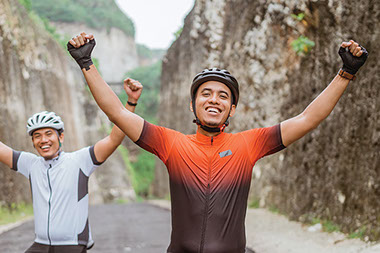
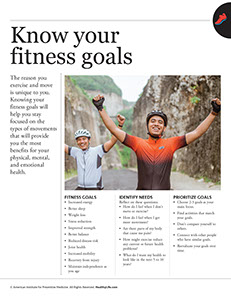
    Two men with hands in the air sitting on bikes.

    The reason you exercise and move is unique to you. Knowing your fitness goals will help you stay focused on the types of movements that will provide you the most benefits for your physical, mental, and emotional health.

    Fitness goals

    *  Increased energy

    *  Better sleep

    *  Weight loss

    *  Stress reduction

    *  Improved strength

    *  Better balance

    *  Reduced disease risk

    *  Joint health

    *  Increased mobility

    *  Recovery from injury

    *  Maintain independence as you age

    Identify needs

    Reflect on these questions:

    *  How do I feel when I don’t move or exercise?

    *  How do I feel when I get more movement?

    *  Are there parts of my body that cause me pain?

    *  How might exercise reduce any current or future health problems?

    *  What do I want my health to look like in the next 5 to 10 years?

    Prioritize goals

    *  Choose 2-3 goals as your main focus.

    *  Find activities that match your goals.

    *  Don’t compare yourself to others.

    *  Connect with other people who have similar goals.

    *  Reevaluate your goals over time.

    © American Institute for Preventive Medicine

  • Kids, Puberty & Sports

    BE FIT

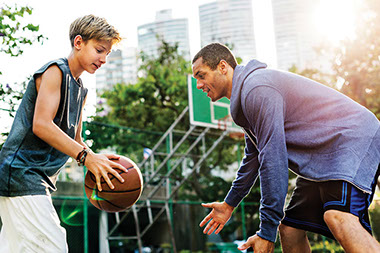
    Adult and teen playing basketball.

    Sports can be a great way for kids to develop social skills, teamwork and resilience. But it’s important to know that athletic ability changes as kids grow.

    Growth affects performance

    During puberty, boys and girls have a growth spurt that can change their athletic ability. After going through puberty:

    *  Boys may notice more muscle strength and overall bigger body size.

    *  Girls often lose some muscle mass. They may temporarily lose some of their speed or agility.

    *  Kids could feel “clumsy” as they adjust to being taller. The brain hasn’t yet adjusted to this new height and may affect balance skills or body control.

    *  It may be harder to throw or hit a ball with longer arms.

    *  Girls may have headaches, mood swings or cramps during menstruation.

    Puberty & knee injuries

    As kids get taller and heavier, they have a higher risk of anterior cruciate ligament (ACL) injury. The ACL is an important ligament that supports the knee.

    ACL injuries can be serious. They may require surgery and can increase the risk of knee arthritis later in life.

    Most ACL injuries happen when a person suddenly stops, changes direction, jumps or lands on the ground. They don’t usually happen from a blow to the knee. Sometimes an ACL injury causes a “popping” sound as it occurs.

    ACL injuries may cause swelling, severe pain, and inability to put weight on the knee. If your child injures their knee, see a doctor right away.

    Positive support is key

    Coaches who know about the effects of puberty can help kids. In addition, parents can help their kids by being positive and supportive. Yelling at kids or being put down may cause them to quit their sport. Remember that changes caused by puberty are only temporary.

    Source: American Academy of Pediatrics

    © American Institute for Preventive Medicine