HEALTHY EATING
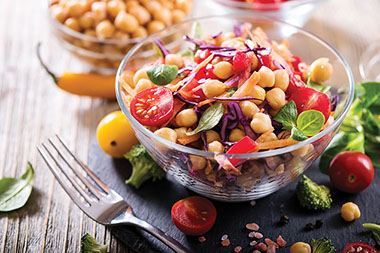
Losing weight can be challenging. It means you have to change your eating and exercise habits. But does it mean you have to give up all the foods you love?
Many myths about a healthy diet can make the task harder than it needs to be. But the truth is, you can change your diet for the better and still enjoy your food.
Learn to recognize these common diet myths. You can make a healthy change to your eating habits.
Myth:Dieting means I can’t eat my favorite foods.
Fact:You can use moderation to still enjoy your favorite foods. Moderation means you can have a small amount once in a while. It means you may have to cut back, but you don’t have to give it up.
Having your favorite high-calorie foods in small amounts can be fine for most people. A small piece of cake at a birthday party or a little piece of dark chocolate can still fit into your healthy eating plan.
Myth:To lose weight, you have to give up breads, pasta and other grains.
Fact:Many grains can be part of your healthy diet. You should limit refined, processed grains like white bread and white pasta. But whole grains contain fiber and nutrients you need. Examples of healthy grains include:
* Whole wheat bread and pasta
* Brown rice
* Quinoa
* Oats
Read the nutrition label on whole grain products to help avoid high-calorie choices and added sugars.
Myth:Gluten-free foods are healthier options for weight loss.
Fact:Only people who have celiac disease or sensitivities to gluten need to avoid gluten.
Just because a food says it is “gluten-free” does not mean it’s healthier or has fewer calories than a food that contains gluten. In fact, if you avoid gluten, you could miss out on important nutrients. See a doctor if you think you have a gluten sensitivity.
Myth:You should avoid fat to lose weight.
Fact:Some fat in your food is necessary and healthy. Try to eat foods that contain healthy monounsaturated or polyunsaturated fats. Eating small amounts of healthy fat can even help you feel full.
These foods contain healthy fats that are important for overall health:
* Olive oil
* Avocadoes
* Nuts
* Seeds
* Eggs
* Salmon, trout
Source: National Institute of Diabetes and Digestive and Kidney Diseases
© American Institute for Preventive Medicine