Category: Healthylife® QuitWell™

  • Practice Relaxation Techniques 2

    Healthylife® QuitWell™

    Part 4

    Image of man relaxing while reading a book.

    Use relaxation techniques to manage daily stressors.

    Plan Relaxation Time

    Plan time during the day to relax. You can also do relaxation exercises as needed during the day. Practice these techniques before, during, or after trigger activities (like eating or talking on the phone).

    Relaxation techniques can help reduce stress-related health problems, such as high blood pressure, headaches, and pain. These tools also help you to have greater physical and mental control. This helps you get through times when you may have had a cigarette or other form of tobacco/nicotine in the past.

    How the mind can control the body:

    *  It can slow brain wave patterns.

    *  It can reduce heart and breathing rates.

    *  It can increase blood flow to the limbs.

    *  It can relax muscles.

    Think about the rest of today. When can you spend 10 minutes relaxing? Here are a few ideas of times you can practice relaxation:

    *  Break times when you would usually be on your phone, checking apps or scrolling mindlessly

    *  While drinking your morning coffee

    *  Winding down for bed in the evening

    *  Walking the dog or playing with your pet
    © American Institute for Preventive Medicine
  • The Big Picture

    Healthylife® QuitWell™

    Part 1

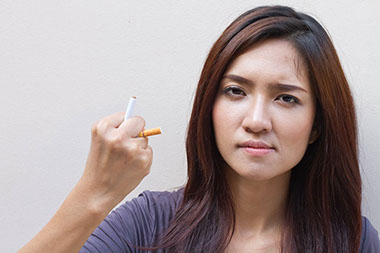
    Women crushing cigarette in hand.

    A tobacco/nicotine addiction has a degree of control over you, your time, the places you can go, and your experiences. Smoking steals your breath and your appearance over time. It also dims the world around you by dulling your senses of smell and taste.

    Imagine taking a vacation to somewhere you’ve always dreamed of seeing. Now imagine being too out of breath to enjoy a hike, standing outside on the deck to smoke while your traveling companions enjoy a shipboard show, stopping to smoke when you’d rather be in the water swimming or paddle boarding. Imagine not being able to fully enjoy your dream vacation.

    *  How does your current habit affect your life?

    *  What could you enjoy more if you left tobacco/nicotine behind?

    *  Relationships, career goals, financial goals, and other areas of life can also be affected. What other “big picture” goals do you have in your life right now?

    *  How would cutting back or quitting support these goals?

    Keep working hard on your other goals-you may find that seeing yourself succeed helps you feel more ready to tackle quitting.

    © American Institute for Preventive Medicine