Category: Healthylife® QuitWell™

  • Managing Slip-Ups

    Healthylife® QuitWell™

    Part 5

    Close up of nicotine gum.

    Start to plan your response to slip-ups even before you have fully quit. Slip-ups are very common, especially in the first few weeks of trying to be tobacco/nicotine free. A slip-up is also called a ‘lapse’. The better you manage a lapse, the easier it will be to avoid full relapse. Relapse refers to going back to a regular habit of using tobacco/nicotine products.

    No one is perfect. Try not to view the slip-up as a failure of willpower or strength. Remember, you are so strong.

    Become hyper-aware of what just happened. It is important to understand the triggers related to a slip-up.

    *  Where are you? Is this place still a trigger for you? If possible, try to avoid this area for now. Or, make sure you have substitutes handy, like NRT gum or cinnamon candies.

    *  Who are you with? How can this person support you in the future?

    *  How are you feeling? Learn to separate your emotional response from situations and feelings. Smoking/chewing won’t change anything about the situation.

    What do you need to work on so that you can respond differently next time? Review the urge tamers, call your support person, or give your mind a quiet moment to really answer the question.

    How do you want this situation to go next time? Imagine responding differently to the trigger. Use the creative imagination exercise. See yourself doing what you want to do.
    © American Institute for Preventive Medicine
  • Review & Prepare

    Healthylife® QuitWell™

    Part 2

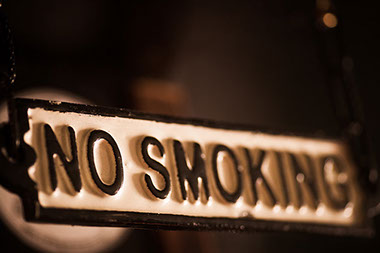
    Image of no smoking sign.

    In this section, you were guided to understand the barriers you face with quitting. By carefully reading, thinking about each part, and answering questions along the way, you are getting yourself ready for success.

    *  How have you prepared yourself to quit? Write the steps you have taken, mentally and physically, to get to this point.

    *  Look back at your list of barriers. Do any of them feel more manageable now?

    *  Which of your strengths do you think will come in handy for quitting? Be confident in what you know you are good at and what makes you a strong person.

    © American Institute for Preventive Medicine
  • Relapse Rehearsal

    Healthylife® QuitWell™

    Part 5

    Image of gears with 'Relapse' and 'Recovery' imprinted.

    Choose three events from that could cause you to return to your old habit. Choose situations that you are almost sure you will come across after you have quit. Think about your plan for these times. These plans can include thoughts and actions. They may include someone else’s help. Use the tools learned in this program to write a short plan.

    Event:

    Response Plan:

    Event:

    Response Plan:

    Event:

    Response Plan:

    You may need to update your plan or improve it over time, after you have gone through the situation.

    © American Institute for Preventive Medicine

  • Use The L.A.D.D.E.R. Technique 2

    Healthylife® QuitWell™

    Part 5

    Image of two friends talking.

    This is a step-by-step way to become more assertive.

    L:Look at your needs, wants, rights, and feelings about the situation.

    A:Arrange a meeting that is convenient for you and the other person to talk.

    D:Define the problem clearly to the other person.

    D:Describe your feelings using “I messages.” I message statements let you take charge of your feelings. The other person is less likely to get defensive.

    E:Express your needs and desires in an assertive manner using a few clear sentences. Be aware of your eye contact, hand gestures, posture, voice, and facial expression.

    R:Reinforce your remarks by saying what positive outcomes will occur for you and the other person.

    Example:

    L:I could use support from my close co-worker while I’m quitting vaping and I don’t want him to give me a hard time.

    A:I’ll arrange to speak to him first thing tomorrow.

    D:“Jack, I’m trying to quit and can really benefit from your support. I want to be able to take breaks with you, but it’s tough for me to do that if you offer me your vape.”

    D:“I feel like I could really achieve my goal with your help. Quitting is really important to me.”

    E:“I would like to take a walk with you instead of vaping, if you will join me. Or, we’ll have to catch up after work. Standing next to you while you vape is tough for me right now.”

    R:“I love getting away from hectic stuff at work by taking a break with you. I think taking a walk will help us both clear our heads and feel more ready to tackle the rest of the day.”

    © American Institute for Preventive Medicine

  • Day 10

    Healthylife® QuitWell™

    Part 6

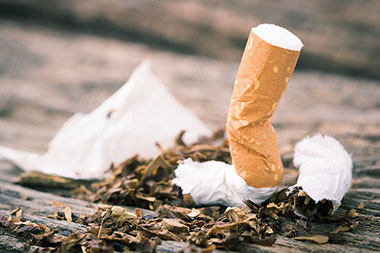
    Crushed cigarette.

    Put Off Starting Again

    Isn’t it great to discover that you can quit? Doesn’t it feel good to be tobacco/nicotine free? In fact, if you can go one week, there is no reason you can’t go another. You know that if you were locked up for a month with no tobacco, you would survive. If someone offered you a million dollars to stop, don’t you think you would do it? A large part of kicking the habit is the way you look at it.

    It is also a good idea to think of a plan to help you avoid having “just the one.” One of the best ways is to put off starting again. What do we mean?

    Remember how long you put off stopping? You meant to get around to it and some nights your resolve was so strong, you were sure you would stop the next day. Yet, when morning came, there you were with your tobacco again.

    From now on, promise yourself you will wait until the next day. You may find it was just another urge coming and going. As you become more secure, you will be able to stretch out the time to a week, then a month, and soon you will find that a year has passed without your having any tobacco/nicotine.

    You are already well on your way to becoming tobacco-free forever. Keep up the great work.

    Today’s Affirmation:

    I choose to be tobacco free today.

    © American Institute for Preventive Medicine
  • Food & Drink Tips

    Healthylife® QuitWell™

    Part 2

    Image of a dish filled with healthy snacks.

    What you eat or drink and how you eat or drink can influence your urges for tobacco products. By working on quitting, you are taking an important step to manage what goes into your body.

    *  Drink at least 8 glasses of low-sugar, natural liquids per day: water, herbal tea, sparkling water. This will make you feel less hungry and give your body the water it needs to function. Water is important for clearing toxins from the body.

    *  Eat small, nutrient-dense meals and snacks throughout the day. This will help your blood sugar and energy stay steady and avoid feeling too tired during the day. You will also get the fuel your body needs.

    *  Eat protein as part of all meals and most snacks: lean meats, fish, poultry, low-fat cheese, nut butters, nuts, and seeds. These foods are full of nutrients and help give you even energy throughout the day. They are also filling, so you will find you don’t reach for as many snacks.

    *  Eat plenty of vegetables, fruits, and salads. These foods are filling, vitamin-rich, and low in calories.

    *  Eat foods high in calcium, such as dairy or calcium-fortified juice. Smoking can add to your chances of having brittle bones, so extra calcium may be needed.

    *  Avoid high sugar foods. Look at food labels to spot added sugars. “Sweets” are not the only culprit! Cutting out added sugar helps prevent your blood sugar from going too high or too low. Low blood sugar can trigger an urge.

    *  Cut down on coffee, tea, colas, and other caffeinated drinks. These drinks are often tied to a smoking habit. Cutting out caffeine, even temporarily, while you are quitting, can help reduce urges.

    *  Avoid alcohol. Alcohol causes blood sugar to rise. Your habit may also be linked to drinking habits. Alcohol can lessen your desire to quit in the moment.

    *  After eating, brush your teeth and rinse with mouthwash. The minty fresh taste in your mouth won’t go well with tobacco. It also helps scramble your old routine, if you smoked after a meal.

    © American Institute for Preventive Medicine
  • Managing Weight

    Healthylife® QuitWell™

    Part 2

    Image of middle-aged women exercising in her living room.

    Quitting is one of the most important things you can do for your health. Quitting tobacco/nicotine can lead to changes in your weight. There are ways you can manage your weight, as you are quitting and afterwards. You may even find that you lose weight over time as you adopt more healthy habits.

    The average person who quits gains 5 to 10 pounds in the months after quitting. This can happen for several reasons.

    *  Nicotine has been speeding up your metabolism while you’ve been using tobacco/nicotine products. This means that your body was burning energy (fuel from food) faster. When you quit, your metabolism returns to normal.

    *  Nicotine has been raising your blood sugar and interfering with your body’s natural hunger cues. This is the main way that nicotine suppresses your appetite. Now that you are quitting, cravings for sweets may increase as your blood sugar drops. Plan for regular, healthy meals and snacks to help you feel better and avoid eating too many high-sugar foods.

    *  You may feel a strong urge to have something else in your mouth, leading to more snacking. If these are high calorie foods that are high in sugar or saturated fat, you are likely to gain weight.

    The QuitWell™ program will teach you how to avoid gaining too much weight after quitting. Read on to learn ways to manage urges with food and ways to plan your eating with your health in mind.

    © American Institute for Preventive Medicine

  • Preparing For Change

    Healthylife® QuitWell™

    Part 2

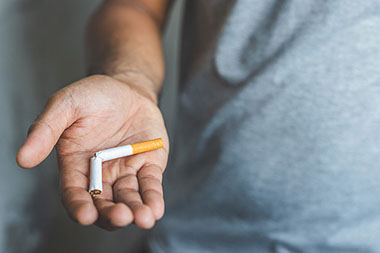
    Broken cigarette in man's hand.

    This part of the program will help you get ready to make a change. Even if you feel very confident, knowing what may trip you up can help you overcome barriers when they come up. This section will give you tools to overcome barriers and set yourself up for success.

    *  If you aren’t sure about quitting, learning what stands between you and that change is a helpful step. You can also work on other areas of your mental and physical health (like logical thinking or healthy eating) to prepare for quitting.

    *  If you are ready to quit, taking stock of barriers can help you know what you will need to work on as part of your quitting process. If gaining weight worries you, it could be a relapse trigger if you do not plan for healthy eating behaviors.

    *  If you have recently quit, review these barriers to see if any could be relapse triggers for you. Answer the questions with the goal of staying quit in mind.

    HealthyLife® QuitWell™

    QUICK LINKS: PART 2

    What Holds You Back?

    Break Down Barriers

    Time Management

    Mindfulness

    Managing Weight

    Food & Drink Tips

    Address Anxiety

    Plan Problem-Solving

    Separate Tobacco/Nicotine from Situations

    Reflect on Your Past Change Attempts

    Make the Connection

    Balance of Choice

    Identify Your Strengths

    Review & Prepare

    © American Institute for Preventive Medicine

  • Relaxation Reflex 2

    Healthylife® QuitWell™

    Part 4

    Image of several people doing yoga.

    This skill involves relaxing 4 basic muscle groups. Tightening and releasing the muscles produces a soothing effect which helps you relax. Taking slow deep breaths and dropping the head and shoulders forward add to the effect.

    Practice every day for about 5-10 minutes. Divide the body into 4 muscle groups. Tense each group for 5-10 seconds, then release.

    *Arms and Hands– Lift arms, bend wrists and elbows, make fists, tighten upper arms.

    *Face and Neck– Squinch eyes, nose, cheeks, and brows, stretch mouth and grit teeth, point chin down toward chest.

    *Middle Torso– Push shoulders back, tighten stomach and small of back.

    *Legs and Feet– Lift legs off floor, hold straight out, point toes toward face, tighten thighs.

    When I will try this?

    (After) How did your body feel after this activity?

    (After) How did your stress level change after this activity?

    Practice this strategy regularly. It may not help you the first time you try it, but the next time it might. As you get better at it, it may become even more helpful to you.

    © American Institute for Preventive Medicine
  • Wait 5 Minutes

    Healthylife® QuitWell™

    Part 3

    A clock showing 5 minutes.

    Over the next week, whenever you have an urge, wait 5 minutes before using your tobacco/nicotine product. If, after 5 minutes, the craving is still there, go ahead and have it. If the urge has gone down to the point where you can put it off further, try stretching that 5 minute “time out” to 10 or 15 minutes. You may find that, with time, the craving goes away on its own.

    Waiting 5 minutes is like adding a speedbump to your regular routine. When you approach a speedbump, you probably slow down before carefully going over it. Even if you aren’t ready to quit, this helps you flex your muscle of self-control and show yourself that you can put off tobacco if you really want to.

    © American Institute for Preventive Medicine