Category: Healthylife® Weigh

  • Fruits & Vegetables 2

    Healthylife® Weigh

    Menus & Recipes

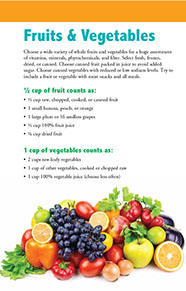
    A variety of vegerables.

    Choose a wide variety of whole fruits and vegetables for a huge assortment of vitamins, minerals, phytochemicals, and fiber. Select fresh, frozen, dried, or canned. Choose canned fruit packed in juice to avoid added sugar. Choose canned vegetables with reduced or low sodium levels. Try to include a fruit or vegetable with most snacks and all meals.

    ½ cup of fruit counts as:

    *  ½ cup raw, chopped, cooked, or canned fruit

    *  1 small banana, peach, or orange

    *  1 large plum or 16 seedless grapes

    *  ½ cup 100% fruit juice

    *  ¼ cup dried fruit

    1 cup of vegetables counts as:

    *  2 cups raw leafy vegetables

    * 1 cup of other vegetables, cooked or chopped raw

    * 1 cup 100% vegetable juice (choose less often)

    © American Institute for Preventive Medicine

  • Identify Emotions That Prompt You To Eat

    Healthylife® Weigh

    Part 6

    Top view of woman on the sofa eating a healthy salad.

    Indicate how often the following scenarios apply to you.

    *  When I’m angry or upset, I think, “I don’t care what I eat or how much I eat.”

    *  When I see something tasty, I eat it but regret it later. I find myself saying, “Why did I just do that? I didn’t really want it.”

    *  When I have a craving for something, it is very difficult for me not to satisfy it right away. I may feel frustrated until I have it.

    *  When I’m stressed, I tell myself, “I can take a break from eating healthy so I can focus on the stressful things. I will get back on track later.”

    *  When I am eating with my friends or family, I can’t seem to stick to my healthy plans.

    *  Once I start eating something I really like, I have a hard time stopping, even when I want to.

    *  I find myself saying, “Oh, what the heck, I blew it anyway. I might as well eat whatever I want.”

    © American Institute for Preventive Medicine

  • Limit Sodium 2

    Healthylife® Weigh

    Menus & Recipes

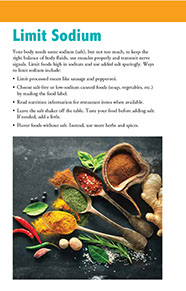
    Sea salt on wooden spoon and the word salt written in grain.

    Your body needs some sodium (salt), but not too much, to keep the right balance of body fluids, use muscles properly and transmit nerve signals. Limit foods high in sodium and use added salt sparingly. Ways to limit sodium include:

    *  Limit processed meats like sausage and pepperoni.

    *  Choose salt-free or low-sodium canned foods (soup, vegetables, etc.) by reading the food label.

    *  Read nutrition information for restaurant items when available.

    *  Leave the salt shaker off the table. Taste your food before adding salt. If needed, add a little.

    *  Flavor foods without salt. Instead, use more herbs and spices.

    © American Institute for Preventive Medicine

  • Mindfulness

    Healthylife® Weigh

    Part 6

    Man mediating on bedroom floor.

    Mindfulness means you are fully aware of all aspects of what you are sensing in the current moment. Practice mindfulness while you listen to music, walk, run, garden, or eat.

    *  Focus on current thoughts without judging them.

    *  Put past thoughts and what the future has in store out of your mind.

    Mindfulness can activate areas in the brain that give you feelings of calmness and help reduce stress.

    Mindfulness Exercise

    *  Set aside five (or more) minutes. Find a place with no distractions.  Get comfortable.

    *  Focus on your breathing or anything in the present, such as the sounds you hear or an object in your sight.

    *  As thoughts pop up in your mind, let them go without judging them. Return your focus to what you see, hear, and feel.

    Mindful Eating

    *  Have a space for eating that is separate from where you do other tasks.

    *  Calm yourself first. Use other relaxation techniques to help you focus on the present.

    *  When you are eating, just eat. Avoid multi-tasking. Distractions like watching TV or looking at your phone take away from being mindful.

    *  Savor your food and the act of eating it. Embrace all of the senses-touch, smell, sight, taste, and sound.

    *  Avoid judging yourself while you eat. Once you have chosen what to eat, enjoy it fully.

    Practice Mindfulness with an Orange

    Peeling an orange or other fragrant fruit can help you practice focusing on the moment. Press your nail into the thick skin to break through. Breathe in the citrus scent as you slowly take pieces off the fruit. Bite into a slice of the orange. Notice the taste on your tongue and the feel of the juices.

    © American Institute for Preventive Medicine

  • Be Physically Active

    Healthylife® Weigh

    Part 5

    Group of friends outside exercising.

    All physical activity has benefits for the body and mind. This section will help you find reasons to be active that go beyond weight management. This section will also help you to:

    *  Add variety to the physical activity you already enjoy.

    *  Value different types of activity that have different benefits.

    *  Make a plan to be more physically active.

    *  Manage time and other barriers to do physical activity.

    *  Develop a healthy relationship with your body.

    *  Appreciate what your body is capable of doing.

    HealthyLife® Weigh

    QUICK LINKS: PART 5

    Current Exercise Habits

    Find Reasons to Care About Physical Activity

    Mental Health

    Energy, Learning, Focus

    Physical Health

    Exercise and Sleep

    Reduce Sit-Time

    Do Activities You Enjoy

    Types of Physical Activity

    Cardio Training

    Resistance Training

    Stretching & Rehabilitation

    Yoga

    Massage

    Avoid Injury

    Appreciate the Journey

    Set Fitness Goals

    Plan Physical Activity

    Tackle Limitations

    Injury and Disability

    Manage Your Time

    Set Up for Success

    What Are You Waiting For?

    Responsibility for Change

    Create “If, Then” Plans

    Exercise and Eating

    Eating and Body Image

    How Do You View Your Body?

    Identify Disordered Eating

    Review and Prepare

    © American Institute for Preventive Medicine

  • Power Of Perception

    Healthylife® Weigh

    Part 2

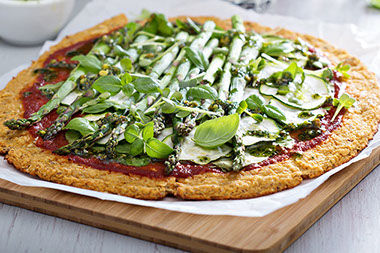
    Cauliflower pizza with spinach, zucchini and asparagus.

    Which words/phrases do you associate with vegetables?

    *  Green

    *  Filling

    *  Necessary evil

    *  Fiber

    *  Broccoli

    *  Minerals

    *  Boring

    *  Variety

    *  Hydrating

    *  Vitamins

    *  Colorful

    *  Fresh

    *  Salad

    *  Do I have to?

    *  Exciting

    *  Nourishing

    *  Canned

    *  Soggy

    *  Crisp

    *  French fries

    Having a positive attitude toward a food may help you be more willing to try it and include it in your diet.

    *  Look back at the words listed above. How do you think your current attitude toward vegetables influences your food choices?

    *  After learning about vegetables, how do you feel your attitude toward vegetables has changed?

    *  What is one new way you want to eat a vegetable this week?

    © American Institute for Preventive Medicine

  • Self-Discovery: Hunger

    Healthylife® Weigh

    Part 6

    Smiling women with an apple.

    *  List the last meal or snack you ate. Write down everything you ate or drank.

    *  Was this a planned meal or snack? If no, what triggered you to have this meal or snack?

    *  How many hours had it been since you last ate?

    *  Did your meal or snack satisfy your hunger?

    *  Do you think this was physical or emotional hunger?

    *  List a situation that is an emotional eating trigger for you (e.g., boredom while watching TV or stress at work).

    © American Institute for Preventive Medicine

  • Tips For Healthy Celebration

    Healthylife® Weigh

    Part 6

    Thanksgiving dinner and family eating at table.

    Happy times may also be triggers for overeating or making less healthy food choices. Holidays and other special occasions may also make it harder to fit in physical activity.

    Items that trip you up during a celebration:

    *  Drinks: soda, alcoholic beverages

    *  Foods: desserts, large helpings of “comfort foods”

    *  Gifts of candy, cookies, etc.

    *  Too many things to do and less time to prepare healthy meals

    *  Workplace parties and cookie exchanges

    *  More travel or a change of routine

    *  Events centered around large meals, or appetizers

    *  All-you-can-eat buffets on cruise ships or at resorts

    Approaches to Celebration

    There are many ways you can approach a celebration.

    1. Make choices that fit with your healthy eating goals. Choose this option most of the time.

    2. Make mostly healthy choices, but choose small treat foods. Choose small portions of these treats and eat them mindfully.

    3. Eat without restriction. Eat and drink what you would like without feeling guilty for choosing less healthy foods. Choose this option rarely and plan to make healthy choices the next day.

    If you have been making healthy choices for a while, you may notice your body’s negative response to certain unhealthy foods. Foods high in saturated fat seem to sit in your stomach longer and make you feel uncomfortable. Meals low in fiber may leave you constipated. Artificial sugars may give you a headache. Pay attention to this difference. It can help you choose less of these foods in the future.

    © American Institute for Preventive Medicine

  • When Support Isn’T Supportive

    Healthylife® Weigh

    Part 4

    Senior couple eating pizza and laughing.

    Not everyone may be happy you are trying to lose weight. What you are eating may not be what they are eating. Or, they may feel attention is being placed on their own unhealthy habits.

    Be careful how many times you bring up your efforts to manage your weight and change your eating habits. Avoid making others feel guilty for their choices. Everyone has their own goals and struggles.

    People may say and do things that make it difficult for you to stick to your plan. There are positive ways to respond to this that won’t leave you feeling stressed or guilty. Stress and guilt make it harder to digest food.

    Which statements or situations below have you heard before (or something like it). Think about how you have responded in the past.

    *  “One piece of chocolate cake won’t hurt you.”

    *  “I made it just for you.”

    *  “What’s the matter? Don’t you like it?”

    *  “I’m really in the mood for pizza. Let’s split one!”

    *  “You’ve been on every diet there is. You’re not going to succeed on this one either.”

    *  Someone puts your favorite high-calorie food right in front of you.

    *  Someone complains when you serve foods that are healthier than they are used to.

    *  Someone asks you to do something during planned physical activity time.

    *  “You look great! You don’t need to change anything you’re doing!”

    © American Institute for Preventive Medicine

  • Address Depression

    Healthylife® Weigh

    Part 6

    Man coping with depression.

    Signs & Symptoms

    *  Feeling sad, hopeless, helpless, and/or worthless

    *  Fatigue

    *  Loss of interest in daily activities, including sex

    *  Change in eating and sleeping patterns

    *  Anger, anxiety, or irritability

    *  Having a hard time concentrating or making decisions

    *  Thoughts of suicide or death

    Strategy

    *  Accept thoughts as they are. Focus on your response, rather than trying to shoo away the emotion.

    *  Be with and call relatives and friends who lift your morale and make you laugh.

    *  Do something to help someone else.

    *  Keep up with your regular exercise.

    *  Do something different. Walk or drive to someplace new.

    *  Challenge yourself with a new project. It doesn’t have to be difficult, but it should be enjoyable.

    *  Watch a funny TV show or movie.

    *  Reflect on your expectations and make adjustments –  it takes a long time to change habits and feel the new habits are “normal.”

    *  Change your clothes. Take a shower. Do small self-care activities.

    If you feel depressed for two weeks or longer, see a doctor.

    For a screening test for depression, contact:

    Mental Health America

    800-969-6642

    www.mhanational.org

    © American Institute for Preventive Medicine