Category: Healthylife® Weigh

  • Write A Grocery List

    Healthylife® Weigh

    Part 3

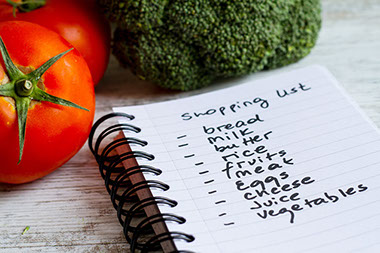
    Shopping list of groceries.

    1. Look at your weekly menu. Make a list of all of the ingredients you will need. Calculate how much you will need for the week. Example:

    *  2 oz. chicken breast x 5 meals = 10 oz. chicken breast

    *  2 cups greens x 3 meals = 6 cups greens

    2. What do you already have? Cross off what you don’t need to buy.

    3. On a fresh piece of paper, make a list of the ingredients you need to buy. Organize by section of the store to save time shopping.

    *  Fresh Fruits & Veggies

    *  Whole Grains (e.g., bread, pasta, rice, cereals), Beans & Lentils

    *  Meat/Poultry/Seafood/Tofu

    *  Misc. Aisles: Canned vegetables and fruits, nuts & seeds, dried fruit, oils

    *  Frozen Fruits & Veggies

    *  Dairy/Eggs

    Family Fun: Have your children help you write the grocery list each week. Practice math skills by adding the amounts you need for each item. Invite children to add a fruit or vegetable of their choice to the list. Have older children select a recipe and add ingredients to your list.

    © American Institute for Preventive Medicine

  • Address Insecurity

    Healthylife® Weigh

    Part 6

    Man and dog outside.

    Focus on things that you can do well. List at least 5 things in your life that you are proud of. Examples include raising a family, earning a degree, getting promoted at work, increasing your bowling average, and having a garden!

    How can you improve these skills further? Set realistic goals to do this!

    Spend time with people who make you feel loved and secure. Build a list of places you can go where you feel comfortable.

    Spend Time with Animals

    Spend time with a pet. Volunteer at a shelter. Spend time with a friend or family member’s pet. Go to a pet store, or look at adopting a rescue animal. Spending time with a pet can:

    *  Decrease production of cortisol, a stress hormone that can put you on edge and make you ill over time.

    *  Increase serotonin, which helps you feel relaxed and happy.

    *  Help you feel secure. Pets, especially dogs, can love unconditionally and may sense when you need extra support. Some pets are trained to help you manage certain emotions, like anxiety.

    Stand Tall

    Change your posture, whether you are sitting or standing. Changing your posture can help you change your point of view.

    Power Stance: Plant your feet firmly, shoulder-width apart. Take a deep breath and pull your shoulders back, stretching your upper chest forward. Place your hands on your hips.

    This can help you feel respected and powerful. Appreciate your own power and what you are capable of doing. Feel respect for yourself.

    Stand or sit in this pose for a few minutes before a challenge, such as an emotional conversation or job interview. Use this  tool for addressing your inner critic or self-defeating thoughts.

    © American Institute for Preventive Medicine

  • Causes Of Weight Gain

    Healthylife® Weigh

    Part 1

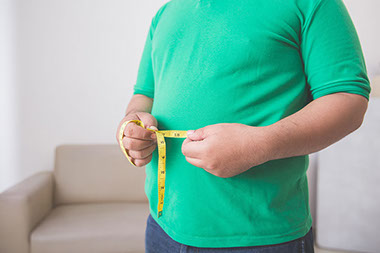
    Overweight man measuring his belly at home.

    In general, taking in more calories than you use up causes weight gain. It’s like using a credit card to pay for things and not being able to pay the balance in full each month. When this happens, you have to pay extra money in interest. With excess calories, the “interest” is in the form of body fat. The more it collects, the harder it is to get it off. This guide will help you to tip the scales in your favor.

    Eating large portions both at home and at restaurants and not being active enough are major reasons people gain weight and why they do not keep lost weight off. Demands of work and life, hormone imbalances, and illness can all make managing weight more difficult. Other factors that can affect a person’s ability to lose and/or gain weight include:

    *  Weight cycling or repeated weight loss. This may slow the body’s metabolic rate, making it easier to gain weight. A drastic reduction in calorie intake signals the body to think it is starving. The body’s natural defense against starvation is to conserve energy. It does so by slowing down and preserving fat. Weight gain in the form of fat makes it more difficult to lose in the future. Extra fat cells created by weight gain never go away. With weight loss, they get smaller, but they don’t disappear.

    *  Stress, anxiety, and depression. High levels of cortisol, a stress hormone, can trigger fat storage and may make it harder to pursue stress-relieving, healthy behaviors like exercise.

    *  Shortage of sleep. Not getting enough sleep may change the body’s metabolism, making it harder to lose weight. Also, less sleep leads to less energy to exercise and craving more sweets for a “pick-me-up.”  It also means more time for snacking.

    *  Medications. Corticosteroids, blood pressure medicines, and antidepressants can contribute to weight gain. Hormone medications, such as insulin, birth control pills, and hormone therapy, can also cause weight gain.

    *  Genetics or inherited family traits. These may make it easier for some people to store excess energy as fat. Also, the ability to release stored energy from fat may be low or inhibited. People with this tendency have trouble getting stored energy from their fat cells, causing them to eat more.

    © American Institute for Preventive Medicine

  • Eat The Rainbow!

    Healthylife® Weigh

    Part 2

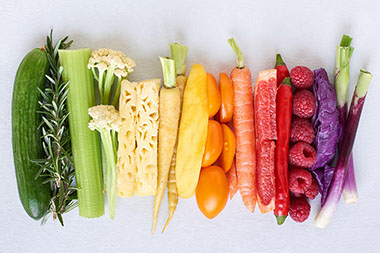
    Rainbow spectrum of healthy fresh fruit and vegetables.

    Choose a variety of colors when selecting fruits and vegetables. Different colors represent different phytonutrients. Phytonutrients are plant chemicals that have antioxidant and anti-inflammatory qualities. Every time you eat is an opportunity to strengthen your body and prevent disease.

    Red

    *  Improved memory

    *  A healthy heart

    *  Improved digestion

    *  Examples

    –  Tomatoes

    –  Beets

    –  Radishes

    –  Red peppers

    –  Red onions

    –  Rhubarb

    –  Cherries

    –  Red apples

    –  Red grapes

    –  Red pears

    –  Raspberries

    –  Strawberries

    –  Watermelon

    Orange/Yellow

    *  Good vision in low light

    *  A healthy heart

    *  Strength to fight off colds & illness

    *  Healthy skin

    *  Improved circulation

    –  Apricots

    –  Cantaloupe

    –  Nectarines

    –  Peaches

    –  Yellow apples

    –  Yellow pears

    –  Carrots

    –  Sweet potatoes

    –  Yellow peppers

    –  Yellow potatoes

    –  Yellow summer squash

    –  Sweet corn

    –  Yellow tomatoes

    –  Butternut squash

    White

    *  A healthy heart

    *  Lower risk for stroke

    *  Lower risk for some cancers

    –  Brown pears

    –  White peaches

    –  Cauliflower

    –  Kohlrabi

    –  Onions

    –  Garlic

    –  Potatoes

    –  White corn

    –  White nectarines

    Green

    *  Good vision in low light

    *  Strong bones & teeth

    *  Organ health

    –  Green apples

    –  Green grapes

    –  Green pears

    –  Honeydew

    –  String beans

    –  Spinach

    –  Broccoli

    –  Sugar snap peas

    –  Brussels sprouts

    –  Green cabbage

    –  Green onions

    –  Green peppers

    –  Cucumbers

    –  Leafy greens

    –  Lettuce

    –  Peas

    –  Asparagus

    –  Zucchini

    Blue/Purple

    *  Improved memory

    *  Healthy aging

    –  Blackberries

    –  Blueberries

    –  Dried plums

    –  Pitted prunes

    –  Purple asparagus

    –  Purple cabbage

    –  Eggplant

    –  Plums

    © American Institute for Preventive Medicine

  • Getting Started With Menu Planning

    Healthylife® Weigh

    Menus & Recipes

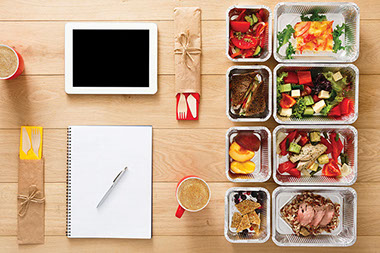
    Meal planning.

    Your work schedule, culture, travel, dietary restrictions, or preferences will influence your meal schedule. Generally, a daily schedule for eating includes:

    *  Breakfast: First meal after waking up

    *  Lunch: 3-4 hours later

    *  Dinner: 4-5 hours later

    *  Snacks: Smaller amounts of food between meals (optional)

    Goals for all meals & snacks

    *  Get enough energy and nutrients.

    *  Choose foods from the main food groups.

    *  Meet your daily goals for all food groups (on most days).

    *  Include tasty food.

    *  Avoid spikes or drops in blood sugar that can trigger overeating.

    Every meal does not have to include every food group.

    Do I have to eat breakfast?

    Breakfast is an important meal that you should not skip. Your body needs energy after a long break in eating. Breakfast kick-starts your metabolism and helps to burn energy during the day. Eating breakfast also helps improve your memory and focus and may lower your risk for heart disease, type 2 diabetes, and obesity.

    © American Institute for Preventive Medicine

  • Improve A Packaged Meal

    Healthylife® Weigh

    Part 3

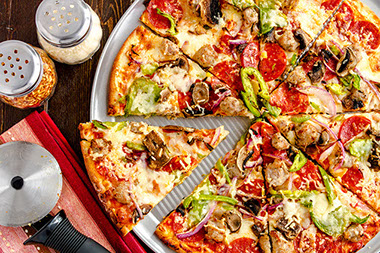
    Frozen pizza with added fresh vegetables.

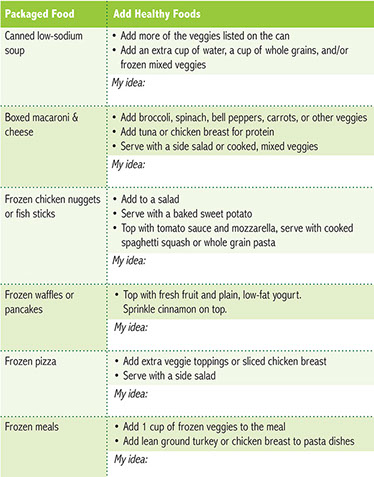
    Cooking from scratch is a great way to know what is in your food and to prepare it how you like it. You can also start with a pre-made, packaged food and make a healthy meal from it! The chart below gives examples of ways to add nutrients to packaged foods. Add your own ideas.

    Chart of ideas to improve packaged meals.

    © American Institute for Preventive Medicine

  • Look Past Advertising

    Healthylife® Weigh

    Part 3

    Man grocery shopping.

    Advertising can help point out healthy qualities in a food or drink. Advertising can also distract you from less healthy ingredients and nutrition facts. Check the nutrition facts and ingredients list to get the real scoop on what’s in the product. The drawbacks may outweigh the benefits advertised on the package.

    “Made With…”Example: Whole Grains, Real Fruit

    What it Means: At one point, the real ingredient (e.g., whole grain, fruit) was part of the product. That ingredient may have been processed further, causing it to lose nutrients. This claim does not tell you anything about how much of the whole food is in the end product.

    “Sugar Free”

    What it Means: A sugar free food has less than 0.5 grams of sugar per serving. What is in the food is more important than what the food is claiming to be free from. Check to see if extra saturated fat or artificial sweeteners have been added to make up for taste. Avoid foods high in saturated fat or foods containing artificial sweeteners.

    “Fat Free”

    What it Means: This food contains less than 0.5 grams of fat per serving (of any kind). If a food is fat free, make sure sugars or starches haven’t been added to replace the flavor and structure that fat gives food. Remember, unsaturated fat is an important part of a healthy diet and helps keep you feeling full.

    “Contains…”Example: Whole Grains, Real Fruit

    What it Means: This product contains some amount of this ingredient, but that amount may be very small. For example, a fruit drink that “contains real fruit” may be 10% real fruit juice and 90% added water and sugar. If you want more of the ingredient, like a whole grain or fruit, look for it to appear high on the list of ingredients.

    “Contains Zero Trans Fat”

    What it Means: There is no safe amount of trans fats, but a food label can say it contains zero trans fats if the trans fat content is below 0.5 grams per serving. To find trans fats, you will need to look at the ingredients. Avoid ingredients that are “hydrogenated” or “partially hydrogenated.”

    Organic, Grass-Fed, Cage-Free, Free-Range, Non-GMO

    Learn more about these marketing claims and labeling standards inPart 7of this guide.
    © American Institute for Preventive Medicine

  • Myplate Choices For One Day

    Healthylife® Weigh

    Part 3

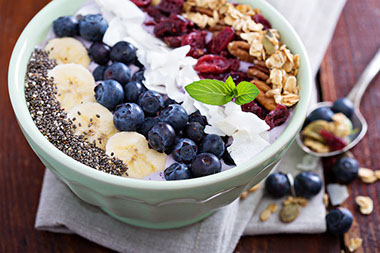
    Breakfast smoothie bowl with fruits and granola.

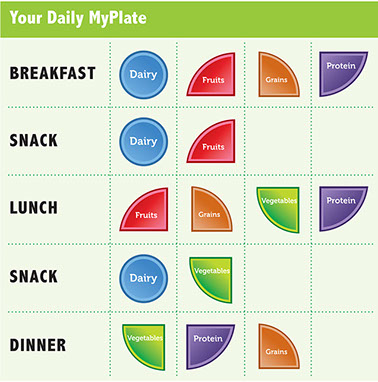
    Every meal does not have to include every food group.

    Combine at least three food groups at every meal, and at least two food groups at every snack. For example, combine an apple and peanut butter to get one serving of protein and one serving of fruit. This will help you feel full and give you long-lasting energy.

    Here is an example that includes three meals and two snacks.

    © American Institute for Preventive Medicine

  • Break Through Emotional Eating

    Healthylife® Weigh

    Part 6

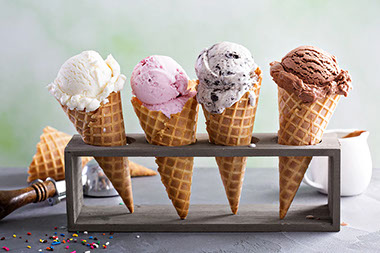
    Variety of ice cream cones.

    Hunger is not always a drive to fulfill a physical need. Sometimes, eating is due to stress, anxiety, or celebration. Emotions can be triggers for overeating or making less healthy choices. This section will help you:

    1. Determine if your hunger is physical or emotional.

    2. Identify and cope with emotions that prompt you to eat when you are not hungry.

    3. Be mindful in daily life.

    4. Give you more tools for managing stress.

    HealthyLife® Weigh

    QUICK LINKS: PART 6

    Physical vs. Emotional Hunger

    Self-Discovery: Hunger

    Feeling Full

    Identify Emotions that Prompt You to Eat

    When Something is Bothering You

    Help! I Just Ate Half a Cake!

    Relaxation Techniques

    Relaxation Reflex

    Mindfulness

    Deep Breathing

    Address Anger

    Address Boredom

    Seek Downtime Daily

    Address Depression

    Address Anxiety

    Plan Problem-Solving

    Address Insecurity

    Manage Stress

    Add a Stress-Busting Food to Your Day

    Tips for Healthy Celebration

    Relieve the Pressure

    Review and Prepare

    © American Institute for Preventive Medicine

  • Practice Relaxation Techniques

    Healthylife® Weigh

    Part 6

    Women deep breathing.

    Use relaxation techniques to manage emotional eating triggers.

    Learn These Four Skills to Relax

    1. Relaxation Reflex: Get rid of muscle tension.

    2. Mindfulness: Be fully present in the moment.

    3. Deep Breathing: Feel relaxed by breathing in more oxygen.

    Plan Relaxation Time

    Plan 15 minutes during the day to intentionally relax. You can also do relaxation exercises as needed throughout the day. Practice these techniques before eating or to cope with an emotion that is triggering you to eat. Relaxation techniques can help reduce stress-related health problems, such as high blood pressure, headaches, and pain. These tools also help you to have greater mental and physical control and improve your response to negative emotions.

    How the mind can control the body:

    *  It can slow brain wave patterns.

    *  It can reduce heart and breathing rates.

    *  It can increase blood flow to the limbs.

    *  It can relax muscles.

    © American Institute for Preventive Medicine