Category: Healthylife® Weigh

  • Other Eating Patterns

    Healthylife® Weigh

    Part 7
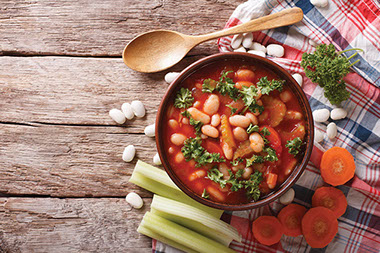
    Homemade bean soup.

    Vegetarian

    Vegetarian diets are plant-based eating patterns. There are variations of the vegetarian diet:

    *  Vegan: includes only foods from plants (e.g., vegetables, fruits, legumes, grains, seeds, and nuts). No foods from animal sources are included.

    *  Lacto-vegetarian: includes plant foods plus cheese and other dairy products.

    *  Lacto-ovo-vegetarian: includes plant foods, cheese, other dairy products, and eggs.

    Vegetarian diets are usually low in saturated fat because animal proteins, a source of saturated fat, are limited or eliminated. Eating a plant-based diet can lower your risk of obesity, coronary heart disease, high blood pressure, type 2 diabetes, and some forms of cancer.

    The healthy eating patterns in this guide encourage you to make most of your food choices from plants. If you follow a vegetarian diet, you don’t need to make many changes to the guidelines in this guide.

    Choose a variety of foods to obtain necessary nutrients. Choose plant-based protein sources. If consuming some animal-based protein sources, choose eggs, seafood, and low-fat dairy.

    Vegetarians are at higher risk for some vitamin and mineral deficiencies. You can obtain these nutrients by eating a variety of plant foods.

    *  Iron can be found in pumpkin seeds, dried beans, legumes, lentils, spinach, whole grains, and enriched products.

    *  Vitamin B12 can be found in fortified breakfast cereals, fortified soy beverages, and some brands of nutritional yeast.

    *  Vitamin D can be found in some mushrooms and pasture-raised eggs. It can also be obtained by spending time in sunlight for at least 15 minutes each day with your arms exposed.

    *  Zinc can be found in whole grains, quinoa, pumpkin seeds, chia seeds, pecans, walnuts, legumes, and shellfish.

    *  Calcium can be found in green leafy vegetables (e.g., spinach, kale), nuts, broccoli, legumes, soybean products, and fortified foods.

    If you are concerned about meeting nutrient requirements, have a dietitian take a closer look at your diet. You may need to take a supplement if you are struggling to meet nutritional requirements from food alone.

    Paleo Diet

    The paleo diet, created by Dr. Loren Cordein, is described as a “caveman” diet that our Paleolithic ancestors would have followed. This is a controversial claim and diet. However, following a paleo diet can point you in the direction of choosing some healthy foods. This diet includes grass-fed meats, fish/seafood, fresh fruits and vegetables, eggs, nuts, seeds, and healthy oils. These are all nutritious foods that fit into MyPlate.

    The diet excludes processed foods, refined sugar, salt, and refined vegetable oils (this guide also suggests you limit them). However, the paleo diet also excludes cereal grains, legumes, dairy, and potatoes. These foods are healthy choices and are included in a healthy eating plan.

    The paleo diet may be high in saturated fats and protein, which may increase risk for heart disease, kidney disease and some cancers if consumed for long periods of time. More research on the paleo diet’s long-term effects is needed. A paleo-themed cookbook or blog may give you ideas for preparing vegetables in different ways or using less sugar. However, avoid strictly following a diet that limits good sources of nutrients, like grains and legumes.
    © American Institute for Preventive Medicine

  • Physical Health

    Healthylife® Weigh

    Part 5

    Male jogger with earphones.

    Stronger Muscles and Bones

    Muscles let you move, lift, and stretch. When you use your muscles, they get stronger so you can do everything from opening a door to smiling, chewing, and talking! Weight-bearing exercises, in particular, help bones become stronger. This helps prevent osteoporosis and fractures.

    Stronger muscles and bones will help you have good posture and keep your joints and body more naturally aligned.

    Improved Cardiovascular Health

    Heart Strength: Exercise strengthens your heart muscle. This means the heart can pump more blood per stroke and doesn’t require as many heartbeats to pump the same amount of blood. This makes your heart more efficient and lessens your risk of having a heart attack or blood clots.

    Cholesterol Levels: Exercise boosts high-density lipoprotein (HDL), or “good,” cholesterol and decreases unhealthy triglycerides. This helps to keep your blood flowing smoothly, decreasing your risk of cardiovascular disease. The more you exercise, the more your cholesterol levels will improve.

    Blood Pressure Control: Hormones that are released during exercise make blood vessels more elastic. This helps lower blood pressure.

    Improved Breathing

    Exercise improves your body’s ability to take in oxygen and transport and use oxygen throughout the body. This helps your muscles get the oxygen they need to be more efficient during exercise. With improved lung function, your ability to exercise longer (stamina) can increase! You’ll also be able to think more clearly throughout the day.

    Improved Immune System

    Exercise improves the circulation of immune cells in your blood that fight off viruses and bacteria. Exercise also helps combat damage done to cells, tissues, and organs.

    © American Institute for Preventive Medicine
  • Protein

    Healthylife® Weigh

    Part 2

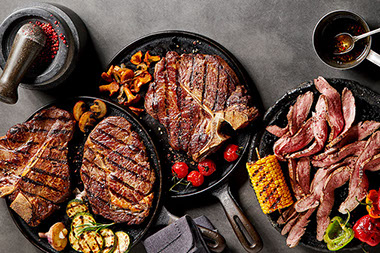
    Cooked meats and vegetables in frying pans with seasoning and garnishes.

    Protein-rich food choices make up one-quarter of MyPlate. Protein helps the body build and repair muscle tissue, fight disease, manage hunger, and perform other essential tasks. The protein group includes seafood, meats, poultry, eggs, nuts, seeds, and soy foods and beverages. Protein provides  4 calories per gram.

    Protein sources can be plant-based or animal-based. Whether you eat meat or not, make some of your choices from plant-based protein sources. Try to include at least one non-meat source of protein every day.

    Plant Protein Power

    Some plant foods are high in protein. These foods also contain fiber, vitamins, minerals, plant chemicals (phytochemicals), and other nutrients. Some, like nuts, contain healthy fats, and others, such as tempeh, contain healthy bacteria that promote gut health.

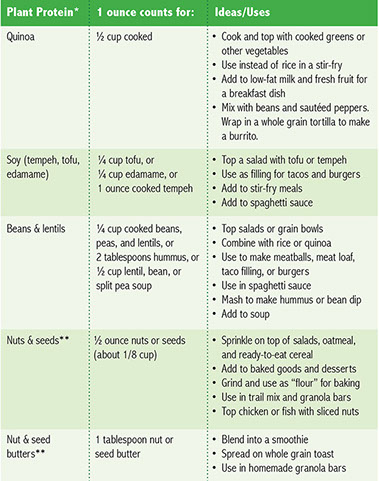
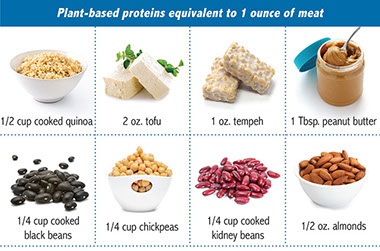
    Chart of plant-based equivalent to 1 ounce of meat.
    Chart of plant protein, how much is needed to 1 ounce and ideas.

    * You can get all the protein your body needs by eating a balanced and varied diet of plant foods if you choose not to eat foods that come from animal products.

    ** Choose unsalted or low-salt nuts and no sugar added butters to reduce sodium and added sugars.

    Varieties of Seeds & Nuts

    *  Sunflower seeds

    *  Sesame seeds

    *  Flax seeds

    *  Pumpkin seeds

    *  Peanuts

    *  Cashews

    *  Almonds

    *  Walnuts

    *  Pecans

    *  Pine nuts

    *  Nut or seed butter

    Fun Fact: Peanuts are actually a legume. For planning your meals, consider them a nut. Count peanuts and peanut butter in the protein group.

    Lean Animal Protein

    Use a food scale to weigh animal protein. For deli meat and processed meats (e.g., sausage), use the nutrition facts to determine how many slices or pieces equal one ounce. For thicker cuts of unprocessed meat, estimate by comparing to a deck of cards. A deck of cards is the same size as about 3 ounces of meat. Choose lean animal proteins. Poultry (chicken and turkey) is leaner than red meat (beef) or processed meats (e.g., sausage or bacon).

    Leanest Cuts (Choose More of These)

    *  Fish

    *  Chicken breast

    *  Turkey breast

    *  Ground turkey or chicken breast (90% lean or higher)

    *  Pork tenderloin

    *  Venison (deer meat)

    Medium Fat (Choose Fewer of These)

    *  Dark meat from chicken or turkey (meat from thighs or legs)

    *  Ground beef, 90% lean or leaner

    *  Ground turkey or chicken, less than 90% lean

    *  Beef: chuck shoulder roast, top round, tenderloin, flank steak, or round steak

    Highest Fat (Limit These)

    *  Ground beef (less than 90% lean)

    *  Ribs (beef or pork)

    *  Beef brisket

    *  Sausage

    *  Bacon

    *  Bologna, pepperoni, salami

    *  Spam

    *  Hot dogs

    Lean Cooking Tips for Animal Protein

    *  Remove the skin from chicken to reduce fat. Trim visible fats from meat before cooking.

    *  Use liquid fats in cooking (canola or olive oil) instead of solid fats (butter or shortening).

    *  Poach chicken or fish in water, stock, or white wine. When roasting or broiling, place meat on a rack in a pan so that the fat drips off the meat.

    *  Place fish or chicken on foil or parchment paper. Add fresh herbs, lemon juice, and tomatoes; fold up and bake. This will help seal in flavors and juices.

    *  Tenderize leaner cuts of meat by pounding, marinating, or cooking in a pressure cooker.

    Deep frying is not a lean-cooking technique. Limit deep fried foods.

    Eggs

    One ounce counts as: 1 egg

    Eggs are a great source of protein. Eat the whole egg (including the yolk) to get many important nutrients. These include:

    *  Choline, which promotes normal cell activity and liver function

    *  Lutein and zeaxanthin, which help maintain eye health

    *  B vitamins that help with energy production in the body

    Eating just the egg white also provides protein. However, you will miss out on many important nutrients found in the yolk.

    Ideas for Adding Eggs to Your Meals and Snacks:

    Eggs can be quickly prepared on the stove or in the microwave. Add a pinch of pepper for a flavorful, on-the-go meal or snack. Eggs can be added to many dishes:

    *  Stir-fry

    *  Burritos

    *  Chili

    *  Tacos

    *  Burgers (as a topping or in place of meat)

    *  Eggs provide a filling base for vegetables. Scramble, poach, or pan-fry an egg with cooking spray. Add peppers, onions, spinach, mushrooms, tomatoes, or other colorful vegetables.

    Microwave Scrambled Eggs:Add 1 tablespoon milk per egg and whisk in a microwave-safe bowl. Microwave on high for 1 minute. Stir and cook for 1 more minute (or until done).

    Oaty Eggs Florentine:Coat a small pan with cooking spray and fry one egg. Add the cooked egg to cooked oatmeal and stir in spinach and cheese.

    Blueberry Mug Cake:Mix 1 egg with 3 teaspoons oatmeal, 10 blueberries, and a small mashed banana in a microwave safe mug. Mix in 2-3 drops vanilla extract. Microwave on high for 3 minutes. Top with low-fat yogurt.

    Fish & Seafood

    Fish and seafood are lean protein sources. Add a variety of the following choices into your weekly meal plan. If you eat animal protein, include fish at least once a week*.

    Types of Fish:Tuna, salmon, snapper, cod, flounder, haddock, halibut, perch, pollock, trout, tilapia

    Types of Seafood:Clams, lobster, oysters, scallops, shrimp, sardines, herring

    Tips for Choosing Fish:

    *  Fresh: Keep refrigerated until ready to cook. Prepare within a few days or freeze.

    *  Frozen: Thaw in the refrigerator overnight before cooking.

    *  Canned: Choose canned tuna or salmon packed in water. Drain before using. Canned fish usually costs less than fresh or frozen fish.

    *  Pouch: Choose ready-to-eat tuna that is packed in water. Get packets that don’t include mayonnaise. If needed, add a teaspoon of olive oil for moisture.

    Omega-3 Fatty Acids

    Omega-3 fatty acids are an essential fat. This means the body needs to get that type of fat from food. Omega 3-fatty acids help:

    *  Keep cells healthy, including brain cells responsible for memory

    *  Regulate blood clotting and contraction and relaxation of arteries

    *  Reduce inflammation

    *  Regulate genetic function

    Fish sources of omega-3 fatty acids:Salmon, anchovies, albacore tuna, mackerel, lake trout, halibut, sardines, oysters, and herring

    Plant-based sources of omega-3 fatty acids:Walnuts, ground flaxseeds (and oil), canola oil, soybean oil

    *  If you are planning to become pregnant or have young children, you are more sensitive to higher mercury levels found in some fish. Visitwww.epa.gov/fish-tech/epa-fda-advice-about-eating-fish-and-shellfishfor more information.

    © American Institute for Preventive Medicine
  • Set Yourself Up For Success

    Healthylife® Weigh

    Part 5

    Man running along hiking trail.

    Create a consistent routine for yourself. Reduce the number of excuses you can make. Tips for creating an exercise habit:

    *Seize your moment.Be aware of when your motivation to exercise is high. You may prefer mornings over evenings. Or, the opposite. Plan to exercise when you are more likely to be physically and mentally on board with it.

    *Get ready ahead of time.Pack a bag with clothes, shoes, deodorant, hair ties, a water bottle, a small towel, and other supplies you’ll need. When exercise comes up on your calendar, all you have to do is grab the bag.

    *Get ready for round 2 ahead of time.Have several days’ worth of workout clothes clean and ready to go. Store workout clothes together so it is easy to re-fill your gym bag. Make it easier to repeat your habit.

    *Commit to repeating your routine.Join a recreational sports team, sign up for a class, or pay for a personal training package. Even if you are not feeling up to it one day, having it on the schedule may get you there.

    *Be accountable to someone.Commit to meeting a friend for exercise at a certain time. Get a workout buddy and swap shoes. If you don’t show up, they won’t be able to work out either! Or, commit to logging your workout on social media or with a friend.

    *Be patient.It may take time to find an activity you like. It may take even longer to feel like it is a normal part of your day to exercise. Keep going. You’ll get there!

    © American Institute for Preventive Medicine
  • Types Of Physical Activity

    Healthylife® Weigh

    Part 5

    Group of people doing power exercise at fitness studio.

    All exercise helps with stress management, heart health, and weight management. The more intense the activity, the more calories you burn.

    Combine different forms of physical activity to get the most benefit. This guide breaks physical activity into three categories:

    1. Cardio Training

    2. Resistance Training

    3. Stretching & Rehabilitation

    © American Institute for Preventive Medicine