Category: Healthylife® Weigh

  • Face Unsupportive Situations

    Healthylife® Weigh

    Part 4

    Couple using laptop computer at home on sofa.

    Apply the suggestions in the table below to your challenges. Not all strategies will be right for all scenarios. You can turn a negative situation into a positive one for everyone.

    *  Let others know what your goals are and why you are working to achieve them.

    *  Model trying new foods and being open to new tastes.

    *  Reduce the amount of time spent with negative people, if possible.

    *  Describe your efforts as a lifestyle change rather than a diet.

    *  Share how you are doing things differently this time if you have struggled in the past.

    *  Let supportive people know how much their support means to you. Send a sincere thank you card, email, or share a kind word in person. They will likely help you again.

    *  Enjoy treats every now and then. Plan to have a small amount. Don’t let guilt rob you of enjoying the treat!

    © American Institute for Preventive Medicine

  • Help Your Refrigerator Help You

    Healthylife® Weigh

    Part 4

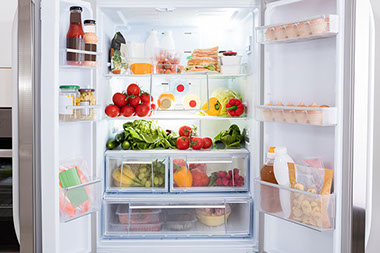
    Refrigerator filled with fresh fruits and vegetables.

    Once foods are right in front of you, it is harder to make a choice based on what your body needs. Instead, you are likely to choose foods based on these factors:

    *  If you can see it

    *  Color

    *  How fresh you think it is

    *  What you think it tastes like

    *  If you’ve thought about the food earlier or the reward you will get from having the food

    Tips for a Weight-Friendly Fridge

    *  Store chopped veggies and fruits on the middle shelf at eye-level. Use clear glass or plastic containers.

    *  Put less-healthy leftovers in the crisper or behind healthier options. Store healthy leftovers in clear containers or with clear plastic wrap.

    *  Avoid washing fruit (especially berries) until you are ready to eat (moisture invites mold).

    *  Wrap cake, pizza, and other less healthy leftovers in aluminum foil or use solid-colored containers.

    *  Use the produce drawer to hide sweets and less-healthy foods.

    *  Put washed grapes or cherry tomatoes in a colander.  Put this on a plate to allow liquid to drain.

    *  Keep hard-boiled eggs, string cheese, grilled turkey burger patties, and non-fat or Greek yogurts in front for easy,  high-protein snacks.

    *  Keep all un-opened sodas and sugar-sweetened drinks out of the fridge. Out of sight, out of mind!

    Plan Your Refrigerator Layout

    Plan where you are going to place healthy foods. Plan, too, where you are going to place less healthy foods. Use specific examples of foods you already have or that you plan to buy.

    © American Institute for Preventive Medicine

  • Limit Added Sugars

    Healthylife® Weigh

    Part 2

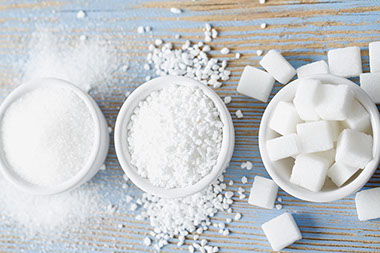
    White sugar assortment.

    Sugars are naturally present in many foods, including fruit, dairy, and grains. Your body can get all the sugar you need by digesting these foods. Sometimes, sugar is added during the processing of foods and drinks. Sugar adds calories, taste, and shelf-life to a product, but zero nutrients. There is no need for added sugars in your diet.

    Too much added sugars is associated with:

    *  Heart and blood vessel problems. This can lead to fatty liver disease, high blood pressure, type 2 diabetes, and kidney disease.

    *  Gut bacteria damage.

    *  Skin problems like irritation and acne.

    *  Headaches, aching limbs, and fatigue.

    *  Nervous tension, anxiety, and depression.

    *  Tooth decay and gum disease.

    *  Memory problems and memory loss. This can lead to Alzheimer’s (research ongoing).

    Sugar is Addicting

    It is okay to have a piece of chocolate every now and then and experience a little “lift” in the brain. Your brain activates dopamine, the brain chemical that gives you a “feel good” feeling. However, eating sugar too often can have addictive effects on the brain.

    Impulsive behavior, lack of control, and cravings can result. Your tolerance for sugar may also increase, especially if you are eating or drinking super-sweet artificial sweeteners with hundreds of times the sweetness of regular sugar.

    Over time, it becomes harder to control how much sugar you eat. Without fiber, healthy fats, and other nutrients that help you feel full, your natural “stop eating” system is hijacked. Sugar addiction leads to overeating, a highway to obesity.

    Hooked on Sugar:The pathway below shows how your body can become addicted to sugar.

    *  You eat a high sugar food. It tastes good, especially when combined with a fatty or salty food. Addiction pathways are activated in your brain. You feel a rewarding sensation.

    *  Your blood sugar spikes. Hormones are released to lower your blood sugar.

    *  Your blood sugar drops rapidly. Your body notices low blood sugar levels.

    *  You feel hungry and crave food, especially sugary foods. Your body thinks you are starving and demands sugar.

    Type 2 Diabetes

    Type 2 diabetes is a condition that makes it difficult for the body to properly get energy from food. Risk factors include family history and being overweight. Insulin, a hormone made in the pancreas, works like a key to a door, allowing sugar to go from the bloodstream into the cells.

    In addition to extra body weight, eating too much sugar (and foods that break down into sugar like bread and pasta) puts a strain on your pancreas to work harder. Over time, this means too much sugar stays in the bloodstream, which causes serious problems for your blood vessels, heart, and brain.

    Diabetes should be managed carefully to control blood sugar levels. If you already have type 2 diabetes, losing weight, following a healthy eating plan, and doing regular exercise can help you manage diabetes and may reduce the need for medication.

    Be a Label Detective: Find the Added Sugar

    How can you tell if a product has added sugars? Find a food package or drink bottle and follow the steps below.

    Step 1: Check the Nutrition Facts
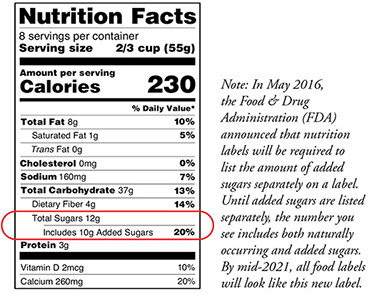
    Nutrition label highlighting total sugars.

    Step 2: Check the Ingredients List

    Read the ingredients list on a processed food’s label to tell if the product contains added sugars. There are many names for sugar. Some words you might find in a list of ingredients that indicate a sugar include:

    *  Sugar

    *  Syrup

    *  Nectar

    *  Juice

    *  Malt

    *  Molasses

    *  Honey

    *  Words that end in “-ose”

    Honey, maple syrup, molasses, brown rice syrup & stevia may be better choices among sugars. However, limit all added sugars.

    If a sweetener is one of the first 3 ingredients on the label, avoid this product. It may be high in calories but not include many nutrients.

    Step 3: Find out the real amount
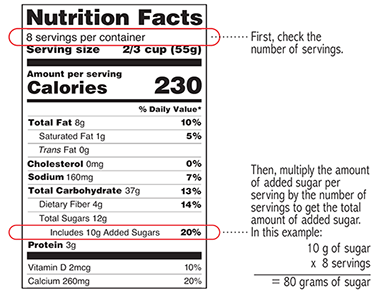
    Nutrition label highlighting the real amount of added sugars.

    If you have more than the serving size listed on the label, you are getting even more sugar than the label says. If you have half of the serving size, you will get half of the sugar listed.

    How much added sugar is okay?

    It is almost impossible to avoid all added sugar. Sugar is added to nearly every processed food. Yogurt, salad dressing, ketchup, crackers, peanut butter, tomato sauce, and most bottled beverages contain added sugars.

    The American Heart Association has set recommended limits on daily intake of added sugars:
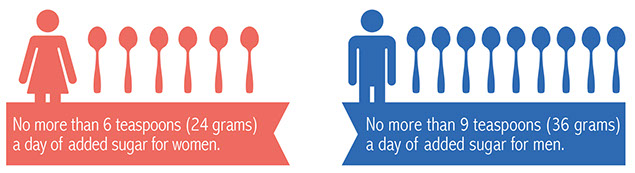
    Reduce Sugar-Sweetened Drinks

    Sugar-sweetened drinks (including pop/soda, bottled tea and coffee drinks, juices, flavored waters, etc.) are some of the top sources of added sugars in the U.S. By choosing water or unsweetened drinks, you can reduce added sugar and calories, leaving room in your diet for nutrient-dense foods.

    *  What is one sugar-sweetened drink you consume now?

    *  Look at the label. How many grams of sugar does it contain per serving?

    If you drink sweetened beverages, you will very likely go over your daily limit for added sugar.

    What about Bottled Fruit Juice?

    100% fruit juice is more nutritious than soda, as it often contains vitamin C and may be fortified with calcium. However, fruit juice does not contain fiber to slow the absorption of sugar into the bloodstream. Instead, squeeze a lemon or orange slice into plain water. Or, have the whole fruit for a serving of heart-healthy fiber and a naturally sweet treat!

    Look for Hidden Sugar Traps

    Many foods you wouldn’t consider “sweets” contain a lot of added sugar. Find each of the food products below and check the Nutrition Facts. You may already have these products at home. Or, check next time you are in the store. For the product you are looking at, check how many grams of sugar are in this food. Would you typically only eat one serving?

    *  Yogurt

    *  Salad dressing

    *  Tomato sauce

    *  Ketchup

    *  Bread

    *  Cereal

    *  Granola bars

    What changes do you need to make to get your total added sugar below the number of teaspoons advised for your gender?

    Careful!“Low Fat” or “Lite” foods, other than dairy foods and drinks, often make up for taste and texture with sugar and artificial ingredients. Foods that are “sugar free” may have artificial sweeteners and other chemicals to make the product still taste sweet. Choose these foods less often.

    More Ways to Limit Added Sugars

    *  Add a slice of lemon, lime, or cucumber to water for a flavorful twist.

    *  Avoid buying sweet snacks or candy. Mentally practice passing by and not stopping to pick up sweets at the store or vending machine.

    *  Add your own natural sweetener, if needed, such as whole, dried, or canned fruit (packed in water or 100% juice).

    *  Toast whole grain bread to bring out natural sweetness.

    *  Schedule 30 minutes of physical activity and 30 minutes more sleep each night for a natural energy lift.

    *  Limit foods high in added sugars as occasional treats.

    *  Add fresh or canned fruit (packed in water or 100% juice) to plain yogurt instead of having yogurt that contains added fruits and sugar.

    *  Avoid rewarding children with sweets. Ask relatives and friends not to reward your child with sweets.

    *  Buy bread from your local bakery. These breads may have fewer added sugars.

    *  Make your own cakes, pies, and cookies. Reduce the sugar in the recipe by one-third or more. Use baking swaps.

    *  Order a child-size dessert or split a dessert.

    *  Cut back on added sugar in coffee and tea. Each week, cut the amount of sugar you add to these drinks by half until you add no sugar.

    Be realistic!Enjoy sweet treats, but make these foods “once in a while” foods. Savor and enjoy treats when you do have them. Eat them slowly and pay attention to the taste, texture, and pleasure from the food.

    © American Institute for Preventive Medicine

  • Master Food Prep

    Healthylife® Weigh

    Part 3

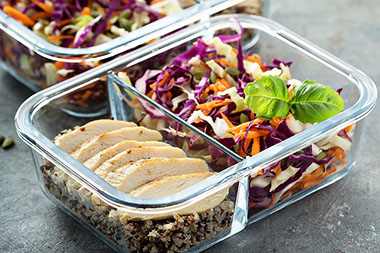
    Healthy meal prep with quinoa and chicken.

    Food preparation does not need to take a lot of time. The more you prepare food, the better you will get at being efficient in the kitchen!

    1. Make double batches of dinner meals. Freeze individual portions in airtight containers. Label with the date and what it is.

    2. Buy pre-cut vegetables, either fresh or frozen.

    3. Keep a supply of foods on hand that can be stored for weeks or months, such as brown rice, quinoa, whole grain pasta, frozen and canned vegetables, beans, tuna, oils, and spices.

    4. Cut up fruits and vegetables and store them in individual bags or containers for easy, grab-and-go snacks. Dry anything you have washed by laying it on a towel. This will help prevent mold.

    5. Freeze berries or sliced and peeled bananas. They can be easily added to smoothies or pancakes.

    Tips for Nibbling Cooks

    Be aware of how much you eat while cooking. A taste here and there can help you check for flavor, such as when seasoning a soup. Too many nibbles can add up to a lot of extra eating in your diet.

    *  Have a small snack before you start cooking, like a piece of fruit or raw veggies and hummus.

    *  Chew sugar-free gum with xylitol, which does not cause tooth decay.

    *  Brush and floss your teeth before you cook.

    *  Sip water every time you are tempted to snack on the meal you are preparing.

    *  Sit down when you eat. Use utensils for all items you eat.

    © American Institute for Preventive Medicine

  • Review And Prepare 3

    Healthylife® Weigh

    Part 3

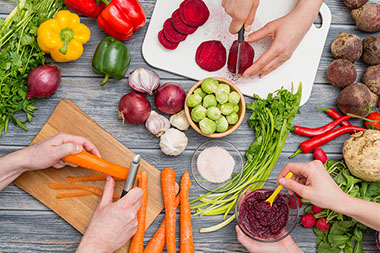
    Hands cutting vetegables and preparing food.

    This section covered a lot of tips for planning healthy eating. It also covered how to make healthy choices in different environments. Answer the following:

    *  Name a new idea from this section that you have recently tried or are planning to try soon.

    *  What do you like about this idea? What would you change?

    *  What do you feel makes it hard for you to stick with new habits?

    The next section will talk about setting yourself up to succeed. Knowing what to eat is important, but training your mind to make healthy choices automatically can help make changes stick.

    © American Institute for Preventive Medicine

  • Plan Physical Activity

    Healthylife® Weigh

    Part 5

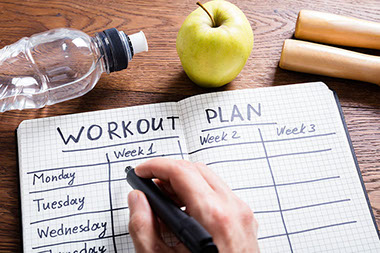
    Workout plan in notebook.

    *  What do you want to do?

    *  Are you doing this alone? Or, who will you do it with?

    *  Where and when will you do this?

    *  What do you need to wear? What do you need to bring?

    *  Write down your specific goals for this workout. If planning a HIIT or resistance training session, write down each part of your exercise plan. Bring this with you when you exercise.

    –  Warm-Up:

    –  Main Activity:

    –  Cool-Down/Stretching:

    © American Institute for Preventive Medicine

  • Relieve The Pressure

    Healthylife® Weigh

    Part 6

    Multi-generation family enjoying christmas meal at home.

    Avoiding all holiday food challenges is nearly impossible. Adjust your goals and your action plan for success during this time. Your goal may be to “maintain, don’t gain” during a holiday season.

    Celebration days throughout the year are likely a small fraction of your overall year. Of course, stretching celebration days into weeks and months as a “holiday season” can pose challenges to your healthy goals. Even during traditional “holiday seasons,” stick with your healthy habits on nearly all days.

    Healthy Holiday Strategies:

    *  Have a healthy snack (fiber-rich carbohydrate + protein & a healthy fat) before going to the event.

    *  Keep a drink in your hand (choose water most of the time) and sip throughout the event.

    *  Avoid tables with appetizers and food. Talk with others away from where snacks are served.

    *  Prioritize exercise. This will help you manage stress and keep your metabolism running hot.

    *  Focus on people, not food. Visit friends and relatives. Take non-food gifts, such as flowers.

    *  Modify meals to include less sugar, saturated fat, and sodium.

    *  Create new traditions that are not planned around food. Do volunteer work or plan a hike/outdoor adventure with friends and family.

    *  Use stress management tools in this guide.

    *  Get enough quality sleep.

    © American Institute for Preventive Medicine

  • Survey Your Starting Point

    Healthylife® Weigh

    Part 1

    Man smiling.

    Complete the survey below by tracking it in your journal or using the “Print on Demand”. This survey looks at the “big picture” – your overall goals, current habits, strengths, weaknesses, support system, and other factors that influence behavior. Each question has a purpose. Complete all sections. This is one of many opportunities in this guide for self-discovery and reflection.

    Be honest with yourself. If you are working with a coach, answers to these questions may help your coach tailor the program to your needs. If you are using HealthyLife® Weigh on your own, the prompts throughout the guide will help you “coach” yourself!

    My Current Habits Survey

    Today’s Date:

    My Height:

    My Current Weight:

    Have you been told to lose weight for health reasons?

    Which medical conditions that apply to you:

    *   Diabetes

    *   Prediabetes

    *   High blood pressure

    *   High cholesterol

    *   Heart disease

    *   Heart attack

    *   Stroke

    *   Cancer

    *   Chronic back pain

    *   Arthritis

    *   Asthma

    *   Sleep apnea

    REMEMBER:The guidelines in HealthyLife® Weigh do not take the place of medical advice. If you are managing a chronic health condition or taking medication, it is important to let your doctor know of any changes you are making to your diet and exercise habits.

    Indicate how strongly you agree or disagree with the following statements. If how you feel varies, select how you feel on most days.

    *  My current weight puts me at higher risk for health problems.

    *  I know the benefits of a well-balanced diet.

    *  I know the benefits of making regular physical exercise a part of my daily lifestyle.

    *  I am confident in my ability to reach my physical activity goals.

    *  I am confident in my ability to improve my eating habits.

    *  I eat for emotional reasons (stress, boredom, joy, etc.) several times a week.

    *  Making changes to my health is a priority for me.

    *  Choices I make daily affect my health risks in the future.

    *  I am confident in my ability to improve how I manage stress.

    *  I have control over the direction my life is taking.

    *  It is not wise to plan too far ahead because many things turn out to be a matter of luck anyway.

    *  When I make plans or set goals, I am almost certain that I can make them work and achieve my goals.

    Identify the habits you have already adopted, those you are in the process of changing, and those you do not intend to change right now.

    *  Exercise five times per week for 30 minutes at a moderate intensity.*

    *  Take the stairs or park a little farther away.

    *  Eat five servings of fruits & vegetables daily.**

    *  Choose foods high in fiber (such as whole grains, oatmeal, beans, & lentils).

    *  Limit added sugars to fewer than 25 grams (6 tsp.) per day.

    *  Keep healthy food options in my kitchen and limit unhealthy options.

    *  Choose restaurants that offer healthy menu options.

    *  Moderate intensity exercise includes brisk walking, active gardening/yard work, or any  activity that raises your heart rate.

    **A serving of fruits and vegetables equals one small piece of fruit (about the size of a baseball), ½ cup cooked vegetables, or 1 cup of raw vegetables.

    Which cooking skills you feel confident doing:

    *  Cooking on the stove

    *  Cooking in the microwave

    *  Cooking in the oven

    *  Chopping vegetables

    *  Boiling water

    *  Opening a can

    *  Using the toaster

    *  Using a blender

    *  Using measuring utensils

    *  Following a recipe

    *  Using a food scale

    *  Using a toaster oven

    *  Cooking on the grill

    *  Freezing leftovers

    *  Modifying a recipe

    What cooking skills do you want to learn or improve? This guide gives some tips to prepare foods. For more recipes, tips, and demonstrations, consider taking a cooking class, watch videos online, or watch cooking shows on TV.

    What are your favorite ways to prepare food? In this guide, you will learn healthy ways to prepare foods. You don’t have to completely change how you like to prepare food. Often, a small step can make a big difference-and be just as convenient!

    © American Institute for Preventive Medicine

  • Weight Management Is A Lifestyle

    Healthylife® Weigh

    Part 1

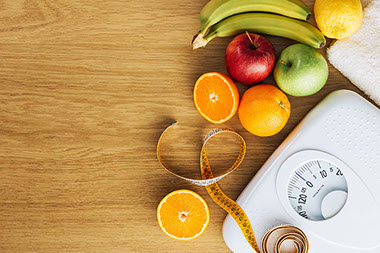
    White scale with fruit.

    Getting to a healthy weight is not a final stop on the train. Make changes to your environment that make sense for you. Choose foods and activities that you like. If you don’t like kale, put that on a list to try another time. The wonderful thing about weight management is that there are SO many ways to be active and SO many healthy foods to choose from.

    Note: Managing weight won’t fix problems in every area of your life. Happiness won’t come with a number on the scale. Relationships won’t suddenly be easier. Your job stressors won’t go away. However, as you face challenges and make changes to your habits, you may find your self-awareness and self-confidence grows. You CAN accomplish things you want and live a life in line with your inner compass. As you learn how to communicate and manage stress better, you may find it easier to navigate challenges in other areas of your life too.

    If you catch yourself saying, “I’ll be happy when I lose 50 lbs,” kick that idea to the curb. Many benefits of managing weight come with the process!

    Tools and strategies across many lifestyle areas will help make weight management seem like a natural part of your daily life.

    *  Cooking skills

    *  Exercise

    *  Meal planning

    *  Communication skills

    *  Quality sleep

    *  Budgeting

    *  Stress management

    *  Time management

    *  Mindfulness

    *  Building social support

    “Beware of destination addiction: the idea that happiness is in the next place, the next job, or even with the next partner. Until you give up the idea that happiness is somewhere else, it will never be where you are.”  – Robert Holden

    © American Institute for Preventive Medicine

  • Add A Stress-Busting Food To Your Day

    Healthylife® Weigh

    Part 6

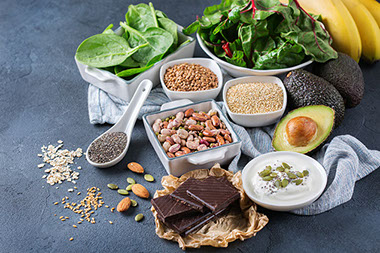
    Variety of food items high in magnesium.

    What you eat may impact your mood. Make sure you are eating a balanced diet with nutrient-dense foods. B vitamins and magnesium can be helpful for managing anxiety and boosting your mood. Avoid foods and drinks high in sugar that can cause mood swings and fatigue.

    B Vitamins

    B vitamins can stimulate the brain’s production of serotonin. This helps you relax and feel good.

    Good Sources of B Vitamins

    *  Animal products: fish, poultry, meat, eggs, or dairy

    *  Whole grains, beans and lentils

    *  Fruits and vegetables, especially leafy greens, papayas, oranges, and cantaloupe

    *  Fortified breakfast cereals and enriched soy or rice milk

    *  Nuts, such as almonds, pistachios, and walnuts

    Magnesium

    Magnesium has a calming effect on the brain. It can help relax muscles, blood vessels, and the gastrointestinal tract. Magnesium can also boost serotonin and reduce mood swings.

    Good Sources of Magnesium:

    *  Dark leafy greens

    *  Nuts, seeds, and dried fruit

    *  Beans and lentils

    *  Whole grains

    *  Avocados and bananas

    *  Dark chocolate

    *  Yogurt

    *  Fish

    © American Institute for Preventive Medicine