Category: SleepWell® Program

  • Summary

    SleepWell® Program

    Week 6

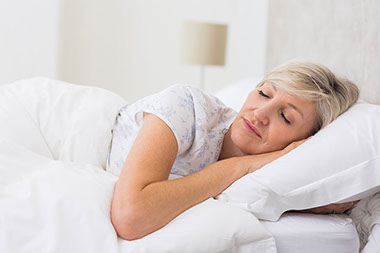
    Image of women sleeping.

    Continue to make sleep a priority. Assess your energy and make adjustments to your lifestyle and sleep habits as needed. Practice relaxation and stress management techniques.

    Return to each week’s activities and suggestions regularly. The more tools you use, the more you will understand what works for you. Improving your sleep takes self-discovery and patience. Going back and spending time on a previous week’s activities may help you.

    Reflect on your experience.

    Complete the following.

    *  Ways my sleep improved since starting the SleepWell® program.

    *  Changes I think are having the biggest impact on my sleep.

    *  In what areas do I still need to make changes? These can be in my sleep environment, lifestyle behaviors, stress management, communication with others, or another factor that affects my sleep.

    © American Institute for Preventive Medicine

  • Create Self-Enhancing Feelings 2

    SleepWell® Program

    Week 5

    Split image with arrows, one pointing to positive side and the other to a negative side.

    Take responsibility for your thoughts, feelings, and actions. You will feel better about yourself and your life. Blaming others is a natural, child-like reaction. It is more adult-like to figure out the amount of control you have in a given situation and respond to it in a mature way. You may not have control in every situation, but you can choose how you respond to others.

    One reason to become more accountable for your responses is that a “victim” response forms negative, draining feelings. Self-responsibility creates positive energy. With it you can manage every event in a more positive, self-nurturing manner. One way to do this is to look at your language and see if you use “victim” or “accountability” phrases.

    Example “victim” phrase:

    I can’t improve my sleep until my boss gives me a better work shift.

    Example “accountability” phrase:

    I can schedule a meeting with my boss to discuss my shift and my sleep needs.

    The Power of a Phrase

    Fill in after the victim phrase with something you have caught yourself saying or are feeling right now. Use an accountability phrase to re-write this statement.

    Victim Phrase

    *  I can’t…

    *  It’s useless…

    *  I have to…

    *  Why am I always the one who…

    Accountability Phrase

    *  I can…

    *  There’s always a chance…

    *  I choose to…

    *  I’ll be the one who…

    © American Institute for Preventive Medicine

  • Practice Relaxation Techniques 3

    SleepWell® Program

    Week 4

    Image of man deep breathing.

    Learn These Three Skills to Relax

    1.  Relaxation Reflex: Get rid of muscle tension.

    2.  Mental Imagery: Think of calm, restful places.

    3.  Deep Natural Breathing: Feel relaxed by breathing in more oxygen.

    Plan Relaxation Time

    If possible, use the hour before you sleep to wind down and prepare your body and mind for sleep. You can also do relaxation exercises as needed throughout the day. Relaxation techniques can help reduce stress-related health problems, such as high blood pressure, headaches, and pain. These tools also help you to exercise greater mental and physical control and reduce negative emotions.

    How the mind can control the body:

    *  It can slow brain wave patterns.

    *  It can reduce heart and breathing rates.

    *  It can increase blood flow to your limbs.

    *  It can relax muscles.

    Prepare for Relaxation

    Remove external factors that could be causing your body and mind to be overly alert. Watching TV is ok, but avoid loud, violent, or exciting programs. Mindless programs are better. Dim the lights. Play a quiet game (though not on your phone or computer), read a book, or organize your sock drawer or the clothes in your closet.

    A bath taken two hours before bedtime allows your body temperature to drop to a sleep-inducing level.

    Relaxation Reflex

    This skill relaxes four basic muscle groups. Tightening and relaxing these muscles produces a soothing effect which helps you relax. Take slow deep breaths, drop your head, and place your shoulders forward to add to the effect.

    Practice this every day for about five to 10 minutes. Divide the body into four muscle groups. Tense each group for five seconds, then release.

    1. Arms and Hands – Lift your arms, bend them at your wrists and elbows, make fists, and tighten your upper arms.

    2. Face and Neck – Squinch your eyes, nose, cheeks and brow. Stretch your mouth and grit your teeth. Point your chin down toward your chest.

    3. Middle Torso – Push your shoulders back, tighten your stomach and the middle of your back.

    4. Legs and Feet – Lift your legs off the floor and hold them straight out. Point your toes towards your face. Tighten your thighs.

    Mental Imagery

    Choose a peaceful scene like a beach, forest, or sunrise. You can even choose a place of fantasy. Then take an imaginary visit there and relax in the process. Imagine this place using the following 10 steps:

    1. Find a comfortable sitting or reclining position.

    2. Gently close your eyes.

    3. Notice nothing but your own gentle breathing pattern.

    4. Begin to think about your peaceful scene. Picture where you are and what you do when your mind and body are very, very relaxed. Pause to create and capture the image of your soothing place.

    5. Pretend that you are really there in your special relaxing environment. Picture all the colors… Hear the sounds… Smell the aromas… Taste… Touch your surroundings as if you are really there… Enjoy… Relax…

    6. Find the calm and peace. Allow yourself to feel good… Let your whole body relax and enjoy the moment.

    7. Pause for five to 10 minutes and become filled with relaxation.

    8. Allow the relaxation to re-energize your body and mind.

    9. As you feel comfortable, slowly open your eyes, feeling totally refreshed.

    10. Escape to your special place anytime you wish to relax, if even for a moment.

    Deep Natural Breathing

    An increased amount of oxygen allows your heart rate to slow down. This produces a calming effect.

    1. Sit in a chair, arms at your sides, with your legs uncrossed.

    2. Note any tension in your muscles.

    3. Put one hand on your chest and the other hand on your abdomen.

    4. Take in a breath slowly and deeply through your nose allowing your abdomen to expand and push up your hand. After your abdomen is full of air, allow your chest to expand, pushing up your other hand. This is one long steady breath.

    5. Hold the air in for three seconds.

    6. Purse your lips and exhale through your mouth making a relaxing, whooshing sound.

    7. Continue to take long, slow, deep inhales through your nose and let out long, slow exhales through your mouth.

    8. Focus on the sound and feeling of deep breathing. Continue for three to five minutes.

    9. Your chest should feel less constricted. You should feel less stress and tension physically and mentally.

    © American Institute for Preventive Medicine

  • Take A Step Back

    SleepWell® Program

    Week 4

    Image of man thinking about a problem at his computer.

    Step back and look at your worries from an outsider’s point of view. Imagine how others might handle these issues. You can also use this technique to look at your job or family duties.

    Ask yourself these questions:

    *  What can I expect of myself in this situation?

    *  Are my expectations realistic, given my abilities, strengths, and weaknesses?

    *  What do others expect of me?

    *  What ideas would others have for me?  When you imagine how someone else might respond to a situation, you may actually come up with helpful ideas!

    © American Institute for Preventive Medicine

  • Creative Imagination 2

    SleepWell® Program

    Week 4

    Image of women sitting outside in nature, thinking.

    This tool allows you to rehearse an event or thought in your mind so that you are better prepared to deal with it when it occurs.

    Identify an upcoming event or challenge. Picture other people there, what you do, what you say, and how you react to challenges you know are likely to arise. Mentally practice your feelings and actions to increase your confidence. Identify and address gaps in your plan.

    You can also use creative imagination to save thoughts for later. Take stressful thoughts out of your present mind to reduce anxiety and help you feel calmer. Try these techniques:

    *  Imagine your stressful thoughts in a fishbowl or behind thick glass. You can see the thought floating around but you cannot touch it or hear anything that is going on behind the glass.

    *  Imagine your thought is in a bubble floating away in the wind. The bubble dances in the breeze and eventually blows away.

    *  Imagine your thoughts are a baseball. Then imagine whacking that ball high into the sky, far away.

    *  Imagine your worries falling into the depths of the ocean.

    *  Imagine putting your ideas on a shelf to think about later.

    Make it Real

    Write your worries on an index card and put them in a shoebox. Put the box on a shelf, in the back of the closet, or in a drawer.

    Say this: “I can retrieve these thoughts later, but now it is time to sleep.”

    © American Institute for Preventive Medicine

  • Prepare For New Challenges

    SleepWell® Program

    Week 6

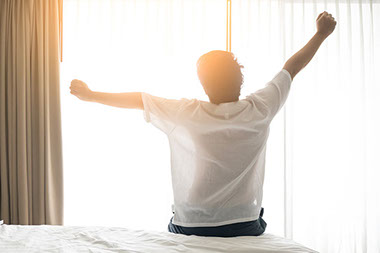
    Image of man waking up and stretching in the morning.

    New challenges may come up. Your schedule may change. Your child’s schedule may change. Establish healthy habits, but be ready to make changes when needed. Whenever possible, try to plan ahead for a change.

    Example

    Scenario: Your child will be starting school in a week. You will need to wake up at 6:00 a.m. to help him get ready for school. Currently you wake up at 7 a.m.

    Sleep Plan: At least four days before you need to wake up earlier, start shifting your sleep window backwards by 15 minutes each night. You can also shift it back by 30 minutes a few days before the change. The more you can plan ahead, the more gradual the change will be for your routine and your body. On the first day you need to wake up earlier, you are more likely to feel refreshed and ready for the change. Have your child join you in this sleep shift to help him or her feel ready as well!

    List changes to your sleep schedule you foresee. Write the date of the change and the date you will start to adjust your sleep. Make gradual changes. Allow at least several days to adjust.

    © American Institute for Preventive Medicine

  • How To Talk About Your Sleep Improvements

    SleepWell® Program

    Week 6

    Image of happy couple talking while drinking coffee.

    Others may notice you have more energy during the day. They may know it is because you are sleeping better and changing other lifestyle factors. As with any personal change, how much you talk about it is up to you.

    When you talk about changes you have made, use “I messages.” An “I message” starts with “I” and expresses a feeling.

    Examples:

    *  I think dimming the lights before bed helped me to be more ready for sleep.

    *  I decided to improve my sleep habits so I could be a safer driver.

    Avoid using the word “you” to tell someone else what will work for him or her. Avoid telling someone else why he or she should improve their sleep. This can lead to defensive and negative feelings, even if you are trying to help.

    What worked for you may not work for someone else. Everyone needs to find what works for him or her. If someone has experienced sleep problems for more than three weeks, it is important for him or her to seek a doctor’s advice.

    If someone you care about is also working to improve their sleep, you can help in the following ways:

    *  Model healthy lifestyle behaviors like eating fruits and vegetables and exercising regularly.

    *  Help with driving, childcare, chores, etc.

    *  Practice healthy ways to manage stress.

    *  Plan times together to be physically active. Go for a walk outside or at a mall.

    *  Plan times together to relax. Picnic at the park, watch a movie together, or just sit and talk about your day.

    © American Institute for Preventive Medicine

  • A Dangerous “Solution” To Busy Lives

    SleepWell® Program

    Week 1

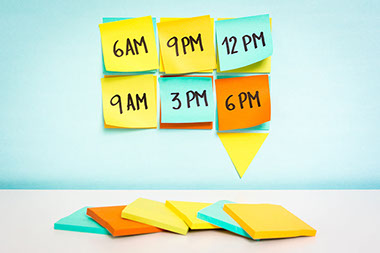
    Image of sticky notes with times on them.

    A busy schedule and many demands on your time make it hard to get enough sleep. You may choose to stay up late or get up early to squeeze in home, work, family, and personal to-do’s.

    Advice for living a healthy lifestyle usually focuses on healthy eating, exercise, stopping alcohol and tobacco use, and safety issues. Did you know that getting enough quality sleep is as important to good health and long life as are healthy eating and regular exercise?

    If sleep suffers, the healthy actions taken during the daytime are not enough to maintain health.

    What other wellness goals are you working on right now? (e.g. losing weight, reducing stress)

    Make Sleep a Priority

    Go ahead. It’s okay. In fact, it’s downright necessary in order to avoid serious health problems! As you go through this guide, put action steps on your to-do list along with other things you need to do.

    Risky Business

    Not getting enough sleep can cause injury and death. About 20% of all serious car crashes are linked to driver sleepiness. Workers with severe insomnia make 2½ times more serious work errors than persons who get proper sleep.

    © American Institute for Preventive Medicine

  • Discuss Your Sleep Needs With Your Sleep Partner

    SleepWell® Program

    Week 5

    Image of young couple talking.

    If you have a sleep partner, let him or her know what you are doing to improve your sleep.

    DO explain why this is important to you.

    DO tell him or her that you may be getting up and leaving the room during the night. State what you are doing to avoid concern during the night.

    DO share your strategy to improve your sleep.

    DO discuss your bedtimes and wake times. These times may seem unusual. Explain that you are working at improving your sleep.

    DO NOT expect your partner to do what you are doing or follow your new sleep schedule.

    © American Institute for Preventive Medicine

  • Promote Sleep: Eating & Exercise

    SleepWell® Program

    Week 2

    Image of smiley face made out of vegetables.

    Eating Tips

    What you eat and when you eat impact how drowsy or alert you are. Healthy foods give you energy, stabilize mood, and help your body function normally.

    Eating to Stay Alert

    Choose meals and snacks with foods high in protein and fiber-rich carbohydrates. Eating these at the same time provides you with sustained energy. Fiber also helps slow digestion and stabilizes blood sugar.

    Foods High in Protein:

    * Dairy (low and non-fat cheese, yogurt, milk)

    * Meat, poultry, seafood, eggs, nuts and seeds

    * Soy (edamame, soy milk, tofu)

    Foods High in Fiber-Rich Carbohydrates:

    * Fresh fruits and vegetables

    * Legumes, beans and lentils

    * Whole-grain cereals, bread and pasta

    Avoid meals and snacks high in sugar or large amounts of carbohydrates. These foods cause a sharp increase in blood sugar, but then a drop. When your blood sugar is low, you feel tired, cranky, and hungry.

    Have a healthy snack when you feel hungry or need a natural energy boost. Place healthy foods where you can easily see them in the fridge, pantry, office snack drawer, or on the kitchen counter or table.

    Healthy Snack Ideas

    *  Cut-up veggies with hummus, salsa, or nut butters

    *  Pita bread with hummus

    *  Granola bar (with less than 5 g sugar)

    *  Raw nuts (low-salt or no-salt)

    *  Fresh fruit and veggies

    *  Natural peanut butter on  low-sodium crackers or celery sticks

    *  Mini whole-wheat bagel with natural peanut butter or cream cheese

    *  Hard cooked eggs

    *  Trail mix with nuts, dried fruit, and seeds

    *  Yogurt with berries and nuts (with less than 10 g sugar)

    *  String cheese and low-sodium crackers

    *  Smoothie with fruit, protein powder, and milk. Try adding avocado, or leafy greens.

    Avoid Big Meals

    Your body must work extra hard to digest a large meal. Oxygen-rich blood is sent to your stomach and intestines for extra digestion power. When your brain does not receive as much oxygen, you feel drowsy.

    A dip in energy or feeling sleepy an hour or two after a meal may be due to a meal high in sugar or refined carbohydrates. In the afternoon, your circadian rhythm may also cause a dip in energy. Your body naturally feels the most tired at 2 a.m. and 2 p.m., according to the National Sleep Foundation.

    Plan. Write two examples you will try this week for a meal or snack.

    Starting the Day

    Follow a regular daily schedule for meals and snacks. Start the day with a healthy breakfast that includes a food with protein. If your day starts in the evening, plan on eating something when you wake up. You will be less likely to feel hungry later in the day or to crave sweets.

    Tip: Choose larger meals at breakfast and lunch than at dinner. Your last meal of the day should be the smallest.

    Healthy Breakfast Ideas

    *  Leftovers from the day before

    *  Scrambled eggs with spinach, tomatoes, peppers, or salsa

    *  Cereal with milk

    *  Tortilla with beans, eggs, salsa and cheese (breakfast burrito)

    *  Handful of nuts or a  spoonful of peanut butter

    *  Fruit or fruit smoothie (pair with protein)

    *  String cheese or cheese slices with whole-grain crackers

    Eating Before Bed

    Before you go to bed, have a small snack rich in the amino acid L-tryptophan or foods with carbohydrates (cereal, bread, fruit). These foods may help promote sleep.

    Tryptophan:Tryptophan is found in most protein-rich foods: milk, cheese, turkey, chicken, red meat, fish, oatmeal, beans, lentils, nuts, and eggs.

    Tryptophan is broken down in the brain and liver to make serotonin.

    Serotonin:Serotonin is a “feel good” brain chemical that helps you feel satisfied. Serotonin is turned into melatonin in the brain.

    Melatonin:Melatonin is a hormone in the brain that helps you feel sleepy.

    Pair a tryptophan-rich food with a carbohydrate to enhance this sleepy effect. When you consume carbohydrates, your pancreas produces insulin to process the carbohydrates. Insulin helps move other amino acids (not tryptophan) into the muscles. The remaining tryptophan is more concentrated and has an easier time getting into the brain.

    Avoidfoods high in sugar or refined carbohydrates just before bed. The rise in blood sugar can provide a burst of energy that keeps you alert and makes it difficult to go to sleep.

    Avoidfoods that are likely to cause acid reflux (heartburn), gas, cramping, or indigestion if you are prone to these problems. Fatty or spicy foods, beans, garlic, peanuts, and dairy may cause discomfort for some people.

    Other Nutrition Tips for Sleep

    B-Vitamins

    Not having enough can impair sleep. Good sources of B-vitamins include:

    *  Animal products: fish, poultry, meat, eggs, or dairy

    *  Beans and lentils

    *  Fruits and vegetables, especially dark leafy greens, papayas, oranges, and cantaloupe

    *  Fortified breakfast cereals and enriched soy or   rice milk

    Calcium & Magnesium

    Not having enough of these minerals can make sleep more difficult. These minerals have a calming effect on the brain. They help manage anxiety during the day and support relaxation at bedtime.

    Good Sources of Calcium

    * Milk, yogurt and cheese

    * Tofu and soy products

    * Dark leafy greens

    * Salmon and sardines

    * Beans

    * Calcium-enriched foods

    Good Sources of Magnesium

    *  Dark leafy greens

    *  Nuts, seeds and dried fruit

    *  Beans and lentils

    *  Whole grains

    *  Avocados and bananas

    *  Dark chocolate

    *  Yogurt

    *  Fish

    If you think you are not getting enough vitamins or minerals from foods, talk to your doctor or a dietitian. Ask about taking vitamin and/or mineral supplements. When possible, try to consume nutrients from food.

    Avoid Fluids an Hour before Bed

    Drink your last beverage at least an hour before you plan to fall asleep. Your body processes slow when you are sleeping. The kidneys concentrate urine and you should not have an urge to urinate until you wake up. If you drink fluids right before you go to bed, you may need to use the bathroom during sleep time.

    Make sure to avoid alcohol and beverages with caffeine or a lot of sugar (including juice) before going to bed. Chances are you will need to wake up to use the bathroom.

    Sleep & Weight Management

    Sleep has an important role in metabolism. Not getting enough sleep can affect your appetite and make it harder to manage your blood sugar.

    More insulin is needed in sleep-deprived people to have a normal blood sugar level. Overuse of insulin in the body can lead to insulin resistance and diabetes.

    Being sleep deprived also triggers ghrelin-a hunger hormone. Ghrelin increases appetite, especially for sweets, salty foods, and starches. Another hormone, leptin, decreases when you are sleep-deprived. Leptin helps your body know when you are full.

    Anxiety and negative feelings (also increased by a lack of sleep) can lead you to eat unhealthy snacks and overeat “comfort foods.” Not getting enough sleep can make it hard for you to manage your weight and can lead to serious health problems.

    Exercise to Enhance Sleep

    Regular aerobic exercise (three to four days per week) can help you sleep better. People with insomnia tend to lead more sedentary lives.

    Exercise Benefits:

    * Weight management

    * Positive body image and improved self-esteem

    * Decreased anxiety, stress, and depression

    * Improved mood and energy

    * Improved health and sense of well-being

    * Reduced pain

    * Relieved muscle tension

    After your body has worked hard, deep sleep is triggered to help your body recover, repair, and get ready for more activity. This natural drive helps you fall asleep and spend more time in deep sleep.

    Outdoor physical activity increases exposure to sunlight. This helps to strengthen your  body’s circadian rhythm. A stronger circadian rhythm helps you feel sleepy.

    The calming effect of exercise can last at least four hours after the exercise is over. This helps manage anxiety that may be keeping your mind awake.

    When you get caught in a cycle of poor sleep, low energy and anxiety may reduce your desire to exercise. By not exercising, though, insomnia may worsen.

    All Physical Activity Has Benefits

    Find ways to move more throughout the day. Set an alarm on your watch or phone to get up every hour if sitting. Stretch and walk for a few minutes to get more oxygen flowing through your body.

    View physical activity as a break from your day. Use this time to focus on the present, instead of past or future problems and worries.

    Activity Ideas

    * Home care and cleaning

    * Mowing the lawn with a non-riding mower

    * Painting, gardening, or raking leaves

    * Climbing stairs

    * Playing actively with children

    * Washing the car, windows or floors

    * Pushing a stroller

    * Walking briskly

    * Bicycling for pleasure or transportation

    * Basketball, softball, or tennis

    * Running

    * Racquetball

    * Using a treadmill, stair master, or elliptical

    * Aerobics

    * Golf, fishing, or canoeing

    * Day hiking or backpacking

    * Swimming

    * Table tennis

    * Skiing

    Tips to Enjoy Physical Activity

    *  Plan a variety of physical activities for your week. Avoid getting bored with the same activity.

    *  Focus on what you are doing, your breathing, posture, movement, etc. Avoid worrying about stressors or what you need to do later.

    *  Practice goal setting each time you exercise. For example, set a target for the distance you want to walk.

    *  Repeat positive sayings to combat excuses and negative thoughts.

    *  Connect with family and friends while you exercise. Instead of meeting for coffee or lunch, suggest meeting for a walk at a park. Play a game in the backyard to spend time with your kids or partner. Friends can keep you on track and help you manage stress.

    *  Walk at the mall during colder months. Malls often open early to allow walking.

    *  Listen to music that helps you focus on exercise and takes your mind off of stress and worries.

    *  Join a group class for a fun, social way to move or to learn a new form of exercise.

    Exercise Your Mind

    Boredom during wake time can reduce sleep drive and may lead to spending more time in bed (to “fill time”). Stimulate your mind to increase your sleep drive.

    *  Take a class, learn to use a new technology, learn a new hobby, read a book, or travel.

    *  Connect with an old friend or write a letter.

    Exercise and Bedtime

    Physical activity increases adrenaline in the body. This hormone increases your heart rate and alertness. Plan vigorous exercise at least four to six hours before bedtime. Light exercise and mild activities should end at least two to four hours before bedtime.

    Sleep Helps You Recover from Exercise

    Physical activity triggers a cycle of muscle break-down and repair. The repair process depends on sleep. Without enough sleep, repair is limited. This can increase the risk of injury and limit athletic goals (e.g., running or walking further or lifting more weight).

    Severe sleep restriction (less than four hours per night) can cause dramatic increases in your heart rate and blood pressure. This strains your heart. Not only does this limit your ability to exercise, but your risk for heart attack and cardiovascular problems increases.
    © American Institute for Preventive Medicine