BE FIT
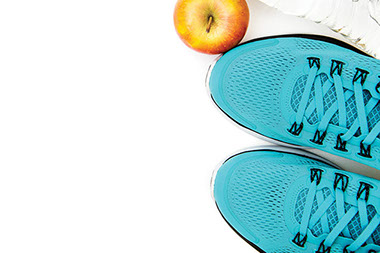
If you play sports, shoes are important. Wearing the wrong shoes can sideline you with foot injuries and pain. Follow these guidelines to keep feet happy.
Basketball, tennis and volleyball shoes should have:
* A thick, stiff sole that absorbs impact
* High ankle construction for quick changes in direction
* Lighter weight with a sole designed for quick starts and stops
Soccer shoes should have:
* A good quality footbed to support your arch type
* The correct stud type for the ground you play on: soft, hard, firm or turf
* Molded rubber cleats
Football and lacrosse shoes should have:
* High ankle support, especially for linemen and players who move side to side
* Good traction on a grassy field in wet and dry conditions
* Proper fit – don’t use hand-me-downs
Baseball and softball shoes should have:
* Support to prevent arch pain
* No metal baseball spikes for athletes younger than 13
* Multi-cleats for children ages 11-15
Running shoes should have:
* Good shock absorption for high-impact forward motion (not side motion)
* The right arch type for you (high, medium, low)
Source: American Podiatric Medical Association
© American Institute for Preventive Medicine