Category: Be Fit

  • Benefits Of Walking

    Fitness

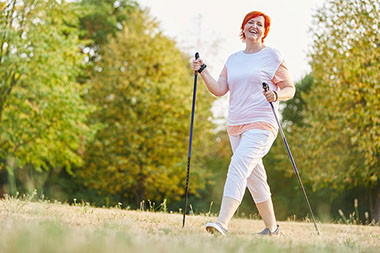
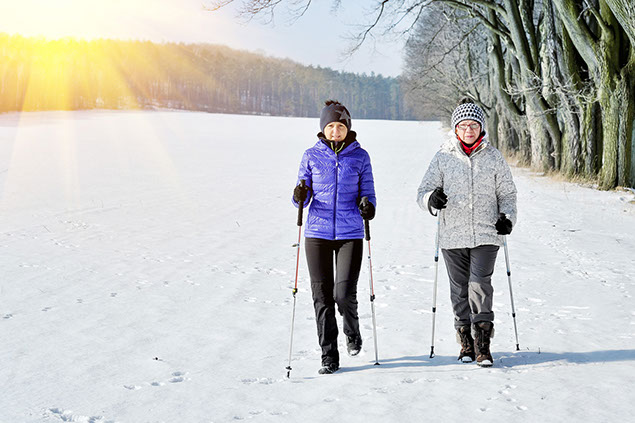
    Couple hiking through trees with walking sticks.

    Walking doesn’t make just your feet happy. It is good for your whole body!

    *  Great way to keep fit without risk of injury.

    *  Special equipment not needed.

    *  Burns calories. Builds stamina.

    *  Enhances muscle tone. Makes the heart stronger.

    *  Helps relieve stress and lifts your mood.

    *  Aids digestion and regularity.

    *  Enhances feelings of well-being.

    *  Lowers the risk of, and helps manage, diabetes, heart disease, high blood pressure, and osteoporosis.

    Page from HealthyLife Weigh book by the American Institute for Preventive Medicine. www.HealthyLife.com. All rights reserved.

    © American Institute for Preventive Medicine

  • Fitness Basics

    Fitness

    When you are fit, you are at a healthy body weight. You have energy. Exercise and a healthy diet are a regular part of your life.

    Fitness has four parts:

    *  Heart and Lung Fitness. This is how well your heart pumps blood and sends oxygen through your body.

    *  Muscle Fitness. This is about your muscle strength and endurance. Muscle strength is how much weight you can lift safely. Endurance is how many times you can lift something or how long you can hold it without getting tired.

    *  Flexibility. This is being able to move your joints easily and without pain through a wide range of motion. This helps you reach, twist, turn, and move things without straining.

    *  Body Make-Up. This is how much of your body is fat and how much is muscle. Too much body fat puts extra strain on your joints and increases your risk for heart disease and other diseases. Too little body fat is not good either.

    Fitness Goals

    To set your goals, consider these points:

    *  Activities you’ve been good at before and things you think you will enjoy doing

    *  Equipment you have or can use

    *  Goals you want to achieve and your current fitness level.

    Ways to Get More Fit

    * Exercise.

    * Recreation, such as golfing, dancing, etc.

    * Active hobbies, such as working in the garden

    * Chores, such as mowing the grass, walking the dog, etc.

    Time to Set Your Goals

    *  Write down your goals. Record the date.

    *  Your goals should be clear and measurable. “To get stronger” is vague. “To advance from 5 to 10 push-ups by the end of the month” is clear.

    *  Make short term goals. Plan what you want to do by the end of the month; not a year from now.

    *  From time to time, review and change your goals.

    Before You Begin an Exercise Program

    Start slowly. Build up gradually. This gives your body time to adjust to exercise. It also helps you avoid soreness and injury. Check with your doctor before you begin an exercise program if:

    *  You have one or more chronic health problems (e.g., heart disease, diabetes, arthritis, etc.).

    *  You are overweight.

    *  You are a man over age 40 or a woman over age 50 and you plan to begin very active physical activity.

    *  You are over age 65 and are not active.

    *  You feel faint or very dizzy at times or you have chest pains.

    *  You take prescription medicine (e.g., high blood pressure pills, etc.).

    *  You are not sure how exercise will affect any physical problem you have.

    Aerobic Exercises

    Aerobic exercise makes the heart get stronger. It also helps your body make natural substances called endorphins that give a natural “high.”

    A. Warm Up

    Spend 5 to 10 minutes doing the activity at a slower pace or stretch all major muscle groups and parts of the body. This includes your:

    *  Head and neck. Shoulders, upper back, arms, and chest

    *  Rib cage, waist, and lower back

    *  Thighs (front and back). Inner thighs.

    *  Calves and Achilles’ tendons, which connect the calf muscles to the backs of the heels. Ankles and feet.

    Extend each body part and hold it for 15 to 30 seconds. This should not cause any pain, but be a flowing, rhythmic motion that raises your heart rate a bit.

    B. Aerobic Activity

    Some popular aerobic activities are walking, bike riding, running, low-impact aerobics, and swimming. To be aerobic, the activity you choose should:

    *  Be steady and nonstop.

    *  Last a minimum of 10 minutes. You can start out for shorter periods of time, many times a day (e.g., do 5 minutes, twice a day). Progress to more minutes each time.

    *  Use large muscles of the lower body (the legs and buttocks).

    *  Result in a heart rate of 60 to 80% of your maximum heart rate.

    *  Allow you to talk without gasping for breath.

    C. Cool Down

    Choose a slower pace of the activity you were doing. If you were walking briskly, walk slowly. Or, stretch for about 5 minutes. Stretch all muscle groups. Stretch to the point of mild tension (not pain or burn). Hold for 10 to 30 seconds. Breathe out when you begin to stretch. Breathe in when the stretch is released.

    Target Heart Rate

    Target heart rate is 60% to 80% of your maximum heart rate (MHR). To find your MHR:

    A. Subtract your age from 220:

    220 – ______ (age)  =  ______ (MHR)

    B. Multiply your MHR   x .60 =

    Multiply your MHR   x .80 =

    C. Your 60-second (target) heart rate should fall somewhere between these two numbers during the aerobic activity.

    Guidelines for Aerobic Activity

    *  Each week, adults should:

    – Do at least 2 hours and 30 minutes of moderate aerobic activity, such as brisk walking or ballroom dancing… OR

    – Do 1 hour and 15 minutes of vigorous aerobic activity, such as jogging, aerobic dancing, and jumping rope… OR

    – A combination of activities from the 2 listed above.

    *  For increased fitness or to lose weight or keep lost weight off, do 5 hours of moderate physical activity or 2 hours and 30 minutes of vigorous aerobic physical activity a week.

    *  Warm up for 5 to 10 minutes before each aerobic session.

    *  Do the aerobic activity for at least 10 minutes at a time.

    *  Slow down at the end, little by little. Then stretch for 5 to 10 minutes.

    Stretch & Strengthen

    Stretching Exercises

    These exercises make your body more flexible. This helps you prevent injury during sports, exercise, and everyday activities. Stretching exercises should be done before and after every strengthening or aerobic workout.

    *  Stretch only to the point of comfort. You should feel mild tension, not pain.

    *  Never bounce.

    *  Breathe slowly and rhythmically.

    *  When women are pregnant, joints loosen. Pregnant women need to be extra careful not to stretch muscles too far.

    Sample Exercises

    A. Shoulder Shrug

    Shrug your shoulders up toward your head. Then lower them. Repeat 4 times. Slowly circle your shoulders forward 8 times and then backward 8 times.

    B. Hamstring Stretch

    Sit on the floor with your right leg straight. Bend your left leg and touch your foot against your straight leg. Stretch forward to touch the toes of your right foot. Hold for 4 counts. Then, do this on the other side.

    Strengthening Exercises

    Benefits of Strength Training

    *  There is less chance of injury.
    *  Your muscles can work longer before getting tired (endurance).

    *  You build muscle. Muscle burns more calories than fat. This occurs even when your body is at rest.

    *  You have more lean tissue and less fat in the body.

    *  You improve your bone density. This helps prevent osteoporosis and fractures.

    *  Your body looks more toned.

    Strengthening Guidelines

    *  Use weights or a stretch band. Try out different ones to find what’s right for you. For strengthening, you should be able to do at least 2 sets and repeat these 8 times. If you can’t, the weight is too heavy. If you can easily do more than 3 sets, and repeat them 12 times, use a heavier weight.

    *  For toning, try to do 2 sets. Repeat 15 to 20 times.

    *  Warm up with 15 repetitions using about half to three-quarters your usual weight.

    *  Give muscles a day to rest in between workouts. If you want to work out every day, do the upper body one day; the lower body the next day.

    *  Move slowly. Don’t jerk the weights up or drop them too fast.

    *  Keep your knees and elbows slightly bent.

    *  Breathe out when you are at the hardest part of the exercise. Breathe in when you return to the starting position. Don’t hold your breath.

    *  Work opposing muscles. For example, after you work the front of the arm (biceps), work the back of the arm (triceps).

    *  Talk to your doctor, health care provider, or a fitness consultant for a complete exercise program.

    Sample Strengthening Exercises

    A. Biceps Curl

    Stand with your knees a bit bent, hip distance apart. Or, sit on the edge of a chair or bench. Hold one weight in each hand with your arms down the front of your thighs. Your forearms should face out. Lift the weight slowly (4 times) until it almost touches your upper arm. Keep your upper arm still. At the top of your movement, tighten the biceps muscles. Hold for 2 counts. Lower the weight to the count of 4.

    B. Triceps Press

    Stand with your knees bent. Keep your feet about hip distance apart. Lean forward a bit with a weight in each hand. Hold them right next to your hips. Bend your elbows. Hold them close to your sides. Don’t move your upper arms or elbows. Extend the weights as high as you can in back to the count of 4. Tighten the triceps to a count of 2. Lower your arms to the count of 4. You can do this with one arm at a time. If you do, rest the other arm on your knee.

    C. Knee Push-Up

    Lie face down on the floor. Rest on your knees and on the palms of your hands, about shoulder width apart. Push up. Keep your body straight from knees to shoulders. Push up and down slowly to counts of 4.

    D. Shoulder Curl-Up

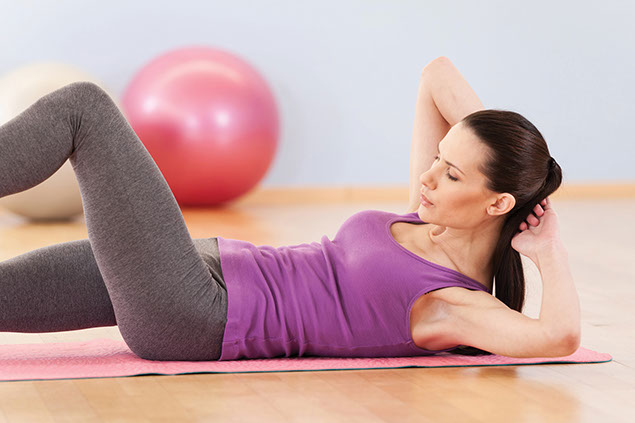
    Lie on your back. Bend your knees. Lift your upper back off the floor with your hands crossed over your shoulders. Lift and lower slowly to counts of 4.

    E. Calf Raises

    Stand with your feet about hip distance apart. Rise onto your toes. Hold for 1 count and lower. Try it on the edge of a step and let your heel drop below your toes for a wider range of motion.

    Prevent Sports Injuries

    *  Ease into any exercise program. Start off easy and build up gradually.

    *  Before you exercise, warm up your muscles with slow easy stretches. Do this for all sports. Don’t bounce.

    *  Don’t overdo it. “No pain, no gain” is not true.

    *  Wear the proper shoes and the right protective gear and clothing for the exercises you do. Items to wear include a helmet, shoulder, knee and wrist pads, a mouth guard, etc.

    *  Don’t run on hard surfaces, such as asphalt and concrete.

    *  Run on flat surfaces instead of uphill. Running uphill aggravates the stress put on the Achilles tendon.

    *  Train in the sport so you learn how to avoid injury. “Weekend athletes” are prone to injury.

    *  Follow the rules that apply to the sport.

    *  Cool down after hard exercise. Do the activity at a slower pace for 5 minutes.

    Treat Sports Injuries

    *  If the injury does not appear serious, use RICE:

    – Rest the injured area for 24 to 48 hours.

    – Ice the area for 10 minutes every 2 hours for the next 48 hours during the times you are not sleeping. (After 48 hours, apply heat. Note: For achilles tendinitis and plantar fasciitis, some sports trainers advise using moist heat, not ice.)

    – Compress the area. Wrap with an elastic bandage. Do not cut off circulation. Remove the bandage every 3 or 4 hours and leave it off for 15 to 20 minutes each time you do so.

    – Elevate the area above heart level, if possible.

    *  If you sprain your finger or hand, remove rings right away. If you don’t and your fingers swell up, the rings may have to be cut off.

    *  Use crutches only when it is too painful to bear weight.

    *  Take an over-the-counter medicine for pain, if needed. Take the medicine your doctor or health care provider prefers you use.

    Note: Many sports medicine providers do not advise taking aspirin-like medicines at first because these can make bleeding and bruising worse.

    Benefits of Fitness

    *  It improves heart function and breathing.

    *  It makes muscles and bones stronger.

    *  It lowers the risk of getting some cancers, heart disease, osteoporosis, and type 2 diabetes.

    *  It lowers cholesterol.

    *  It helps keep blood pressure under control.

    *  It helps to control your weight.

    *  It relieves stress and lowers the risk of depression and anxiety. It helps you sleep better.

    *  It gives you more energy and can improve your job performance.

    *  It improves your sex drive.

    *  It can help you live longer.

    Resources

    American Council on Exercise (ACE)

    888.825.3636

    www.acefitness.org

    Centers for Disease Control and Prevention

    www.cdc.gov/physicalactivity/everyone/guidelines

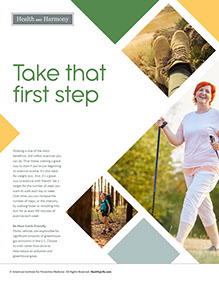
    Cover image to the Fitness brochure by the American Institute for Preventive Medicine. www.HealthyLife.com. All rights reserved.

    © American Institute for Preventive Medicine

  • Safe Hiking Tips

    Fitness

    Women hiking.

    Playing it safe when doing day or overnight hiking starts with researching your destination, preparing for any possibilities, and letting people know where you are going and when you’ll return. Steer clear of remote or dangerous places. Bring non-perishable food to eat, or pack it so that cold food stays cold and hot foods remain hot to avoid food poisoning. Have a sporting goods store fit you for the right kind of hiking boots, to ensure you stay safe on the trail.

    Be More Earth-Friendly

    The concept of “leave no trace” means ethically caring for the natural world when we are in it. One key way is to make sure we leave little to no trace of our presence after we’ve enjoyed it.

    Page from HealthyLife Weigh book by the American Institute for Preventive Medicine. www.HealthyLife.com. All rights reserved.

    © American Institute for Preventive Medicine

  • You Don’T Need To Climb A Mountain Or Run A Marathon To Be Fit

    Fitness

    Two men standing on edge of cliff at sunset.

    *  Start slowly. Build gradually.

    *  Aim for at least 30 minutes of moderate-intensity exercise 5 or more days per week.

    *  You receive health benefits even if you exercise at least 10 minutes at a time.

    *  You can get to the peak of Mt. Rainier (14,410 feet) without leaving your home! Climb 24,703 stairs (about 68 stairs a day for one year).

    Dos

    *  Plan when, where, and how you will be physically active.

    *  Use a calendar, planner, or smartphone app to track your physical activities.

    Don’ts

    *  Don’t overdo it. “No pain, no gain,” is not true.

    *  Don’t put off physical activity because you are too busy.

    Page from HealthyLife Weigh book by the American Institute for Preventive Medicine. www.HealthyLife.com. All rights reserved.

    © American Institute for Preventive Medicine

  • Best Exercise For People With Diabetes

    BE FIT

    Image of middle-aged Hispanic man playing with a soccer ball.

    The best exercise for anyone with diabetes may be a notch above a casual walk, according to Jamie Cooper, assistant professor of nutritional sciences at Texas Tech University.

    “A person should exercise to the point when they’re breathing a little bit harder and sweating a little bit-then they know they’re working more intensely,” Cooper said.

    The type of exercise really doesn’t matter as long as you’re moving and getting some exercise on a regular basis. Finding something you enjoy and are motivated to do is probably more important than a specific type of exercise to treat diabetes.

    “It’s not something you just do once a month or for a couple of weeks and quit. It has to be something you adapt into your new, healthier lifestyle and do on a regular basis,” Cooper said.

    © American Institute for Preventive Medicine

  • Exercise For Stronger … Bones?

    BE FIT

    Image of older man sitting on fitness ball holding dumb bells.

    If you’re lifting weights or doing push-ups, you must want strong muscles, right? Actually, weight-training exercises, sometimes called resistance exercises, are great for your bones too.

    Men and women of any age can benefit from the bone-building effects of strength training. It’s especially important as we get older, when bones tend to get thinner.

    If you’re new to strength training, be sure to check with your doctor before beginning. Just two to three days a week of strength training can have big benefits. And you don’t have to lift heavy weights or do difficult routines. Here are some quick and simple ways to get started.

    *  If you belong to a gym, try using the weight machines. These are safer and easier to start with than free weights. Ask the gym staff for help and for correct usage tips if needed.

    *  At home, you can do simple exercises without any equipment. Arm raises, leg curls, chair dips, and toe stands are all good examples. Get information and videos on various exercises for seniors and beginners atwww.nihseniorhealth.gov.

    Sources: National Osteoporosis Foundation, National Institutes of Health

    © American Institute for Preventive Medicine

  • How Physical Activity Works

    BE FIT

    Image of couple using dumb bells.

    No, this is not another article about why you should be active. This information tells you how exercise works to keep you healthier.

    The concept to understand is called overload. And according to the government’s Physical Activity Guidelines for Americans, overload is the physical stress placed on your body when your physical activity is greater in amount or intensity than usual.

    The body responds and adapts to these stresses (say, a Zumba class). For example, aerobic activity places stress on your heart and lungs and muscles. Your lungs are required to move more air and the heart pumps more blood and delivers it to working muscles. This increase in demand increases the efficiency of your lungs, heart, your entire circulatory system, and your muscles.

    Muscle-strengthening exercise overloads muscles and bones in the same way-making them stronger.

    Also tied to the idea of overload is the principle of progression. Once you reach a certain fitness level, you progress to higher levels of physical activity by continued overload and adaptation. These small and progressive changes help your body adapt to the additional stresses while minimizing your risk of injury.

    © American Institute for Preventive Medicine

  • Run For Your Life

    BE FIT

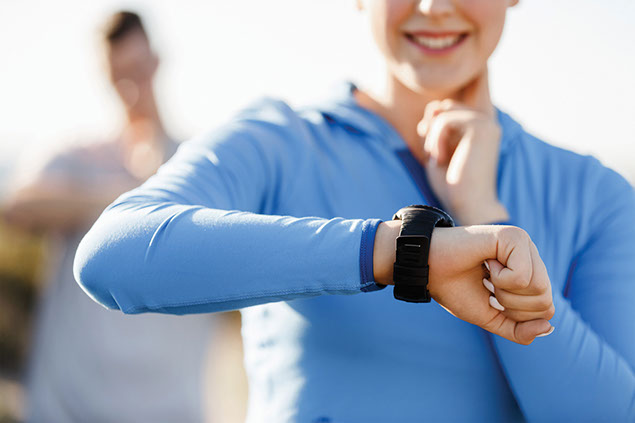
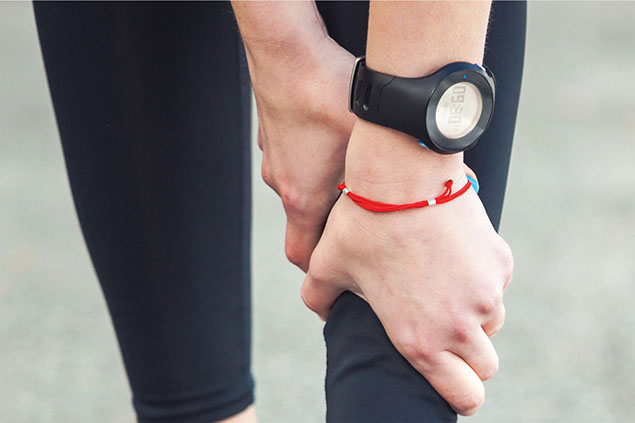
    Image of man's wrist with stop watch on.

    Vigorous exercise is good for your health, but too much can do more harm than good to your heart.

    Limit your exercise to a maximum daily dose of between 30 and 50 minutes, say researchers in an editorial published in Heart.

    The idea that more and more high-intensity exercise, such as marathons, can only do you good is a myth, say the cardiologists from St. Luke’s Mid America Heart Institute in Kansas City.

    Routine moderate physical activity will add years to your life and life to your years, but running too far, too fast, for too many years may speed your race to the finish line of life, they said.

    If you must train for a marathon, do just one or a few and then cut back to a safer, healthier exercise pattern.

    © American Institute for Preventive Medicine

  • Timing Is Everything: When To Exercise

    BE FIT

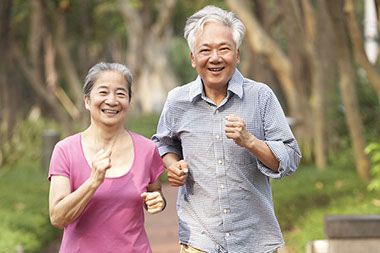
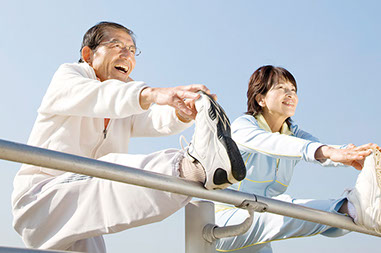
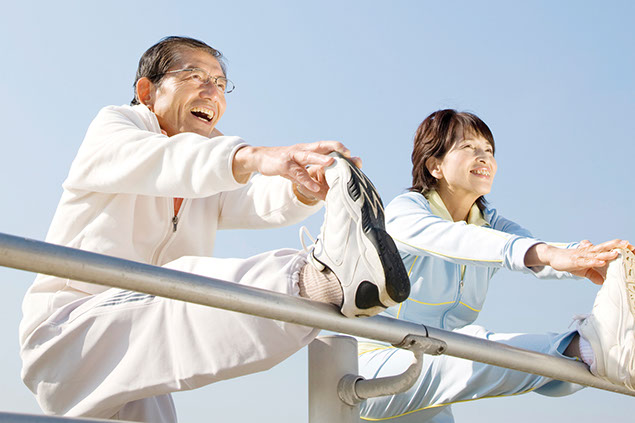
    Image of older couple brisk walking.

    Some people swear by a 6 a.m. run each day. Others are night-owls and hit the gym after dinner. Still others might go to a yoga class on their lunch hour. When is the right time of day to work out?

    Experts say there is no big difference in the time of day – as long as you stick with it. The key is to find a time that works for you and your schedule, according to the American Heart Association.

    Workout partners

    Studies show that people who have an exercise buddy are more likely to exercise regularly. If you can meet a friend at the gym or walk together, find a time that works for both of you.

    Think about sleep

    If you already have trouble falling asleep at night, a late-night workout probably won’t help. Exercise can make you feel more energetic and alert, instead of allowing you to wind down for rest. Schedule your workout at least two hours before you plan to go to sleep.

    Morning means consistency

    If you have a busy schedule, it may be easier to fit your workout into the early morning hours. People who exercise before work or other commitments find that they can get it done and “out of the way” before other things can interfere.

    Make it work for you

    If you dread going to the gym, you’re less likely to do it. Try different times of day and different routines to see which ones suit you best. Make it as fun as you can, and do it at a time of day when you feel your best. It can take two weeks or longer to build a habit, so give it a chance – and don’t give up if it’s difficult at first. You may find that over time, you have more energy and start to look forward to your exercise routine.

    Another reason to get moving

    During exercise, your body releases endorphins, which are special chemicals in the brain that reduce stress, relieve pain, and help you sleep better.

    Source: Anxiety and Depression Association of America

    © American Institute for Preventive Medicine

  • Beware Of Exercise Gimmicks

    BE FIT

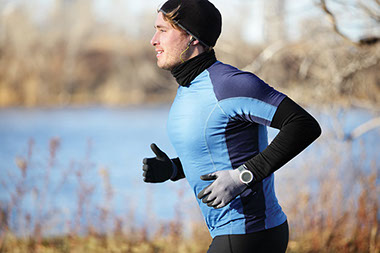
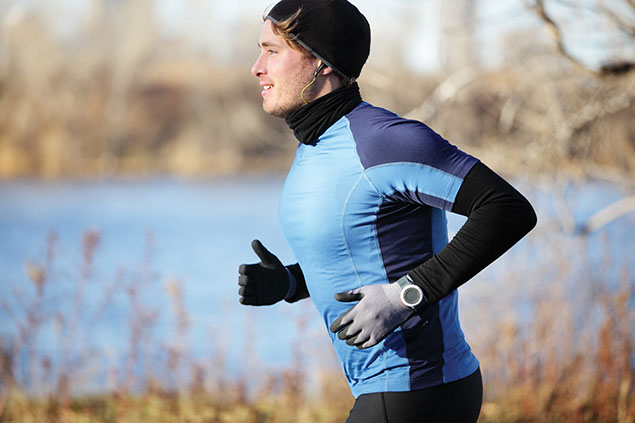
    Image of man running outside.

    Let’s face it: working out is, well, work. It takes time and commitment to exercise regularly, and sticking to it can be tough.

    Exercise gimmicks and fads target the millions of people who want the benefits of exercise but may be looking for a quicker solution. Some products may claim to “spot reduce,” or slim one area of the body, such as the tummy or legs. Others may claim to give you the benefits of a long workout in just a few minutes.

    Sometimes it’s hard to tell whether something is an effective piece of equipment or a scam. Before purchasing, ask yourself if the product:

    *  Promises amazing results without any work or “sweat”

    *  Focuses on just one area of the body, saying you can trim this problem area

    *  Advertises that you can lose many inches or pounds in just a few days or weeks

    *  Doesn’t provide a clear cost for the equipment or only offers monthly payment plans

    Unfortunately, many of these products don’t do what they claim, and some may not work at all. But, you don’t need a device or special equipment to reap the benefits of exercise. You can lose weight and get healthier with just 30 minutes a day of activity. Walking, gardening, dancing and biking are possible options. Pick something you enjoy so you’ll stick with it. If you don’t have 30 minutes in your day, break it up into three 10-minute chunks.

    Instead of worrying about the latest fitness gimmick, stick to the activities listed above. Your health and fitness level will improve, and you can save your money for fitness rewards, such as a new pair of walking shoes or exercise clothes.

    Source: National Institute of Diabetes and Digestive and Kidney Diseases

    © American Institute for Preventive Medicine