Category: Be Fit

  • Exercise On A Budget

    BE FIT

    Image of young man doing push-ups.

    Don’t let gym memberships, personal training fees, or the cost of the latest exercise gadget weigh you down. Exercise is about moving, stretching, lifting, bending, breathing – things you can easily do at home. Or simply walk – around the block, at a mall, or on a local school’s track.

    Get started

    Start with a few simple stretches to warm up your muscles. If you need help, go online for how-to instructions on everything from stretching to full routines. You can also find exercise tools to track your progress.

    No equipment necessary

    Do what you were taught in gym class – squats, push-ups, jumping jacks, and crunches. Lift your legs and arms, touch your toes, bend from side to side, jog in place, and twist. Just make sure you target all your major muscle groups at least once every week.

    No free weights? Try these substitutes

    *  Use cans instead of dumbbells to exercise biceps and triceps.

    *  A gallon jug filled with water, sand, or powdered detergent is just as effective as a kettle bell for squats and arm lifts.

    *  Put a paper plate under one foot and lunge forward. You can also attach plates to both feet with rubber bands to simulate skating. Or, get down on all fours, put the plates under your hands and slide them back and forth for a great chest workout.

    *  Pantyhose stretch just as well as resistance bands for rowing and stretching routines.

    *  A low, sturdy stool or a bottom stair can be used for a step exercise routine.

    © American Institute for Preventive Medicine

  • Improve Your Mood With Exercise

    BE FIT

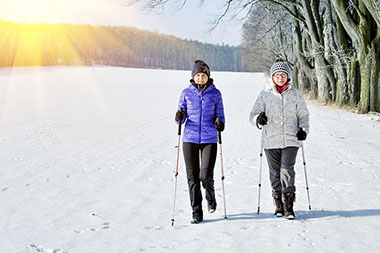
    Image of older women walking on bridge along a lake.

    You probably know that exercise has many health benefits. It can reduce your risk of heart disease, type 2 diabetes, and even cancer. But, did you know it can also help your mental health?

    Studies have shown that regular exercise such as walking can improve your mood, according to the American Psychological Association. And it doesn’t take long to feel the effects. Within just a few minutes of starting that walk, many people report more positive mental health. It has also been shown to improve mild to moderate depression.

    If that’s not enough, the APA also says exercise can help people who have anxiety. Regular exercise can help your body calm the “fight-or-flight” feelings that occur when someone gets anxious or overly stressed. And, it can help combat everyday stress by releasing chemicals called endorphins. These effects also help you sleep better, which can help you feel better mentally.

    With all the benefits of exercise, get moving!

    © American Institute for Preventive Medicine

  • Shin Splints Can Sidetrack Your Running Routine

    BE FIT

    Image of women holding her shin.

    If shin splints are keeping you from making the most of your runs this spring, you’re not alone. Shin splints-pain in the front of the lower legs-is common among those who exercise regularly. This ailment especially affects runners.

    According to Dr. Matthew Silvis, associate professor of family medicine and orthopedics at Penn State Hershey, shin splints are among the most common complaints in spring for people back on the road or trail after a long winter.

    The term shin splints generally refers to pain and soreness along the shinbone, or tibia, the largest bone of the lower leg. The pain comes from overuse of the muscles and tendons around the bone. Added or unusual stress on and around the shinbone causes it to become inflamed and sore.

    If you’re already dealing with shin splints, icing the area can help. So can taking an over-the-counter anti-inflammatory medicine if needed for pain. Wait to return to your activity until you’re pain-free for 2 weeks.

    The fix

    Give the body time to adjust when changing an exercise routine. Doing too much too soon can bring on shin splints. If untreated, a more serious injury-stress fracture-can result. Stress fractures-tiny cracks in the bone-usually come from overuse. To avoid this:

    *  Gradually increase the amount or intensity of a workout to avoid too much stress on the legs.

    *  Follow a regular, gentle stretching routine that includes the calves. Keeping the muscles around the shinbone flexible can help prevent  shin splints.

    *  Wear well-fitting, supportive athletic shoes. And replace them every 300 to 500 miles.

    *  Balance running workouts with other training that isn’t as stressful on the legs. Examples are cycling, cross-training, and swimming.

    © American Institute for Preventive Medicine

  • Wallet-Friendly Workouts

    BE FIT

    Image of bike in the field.

    Finances are one of the biggest reasons people don’t join a gym. A monthly gym membership fee can take a big bite out of a budget, but that doesn’t mean you should throw in the towel on exercise.

    You can get all of the benefits of exercise at little to no cost with these tips:

    *  Use home items as workout tools. Instead of buying weights, use canned goods or fill used gallon jugs with water or sand.

    *  Put gravity to work for you. Many resistance exercises use only your body weight and gravity to help you get stronger. Think push-ups, squats, crunches, leg lifts, and arm raises.

    *  Use the stairs in your home for a step training workout. Or, use a low, sturdy step stool. Play music while stepping.

    *  Borrow fitness DVDs from your library, or look for used ones at garage sales.

    *  Utilize community resources. Some fitness centers, senior centers, and community programs offer free or low-cost fitness classes. Local hotels or schools may have a minimal fee to swim in the pool at select times. Walk a local walking path or step through a scenic park for fresh air and fitness.

    *  Consider used items. Many people will sell their used bikes, weight machines, treadmills, and other equipment at a fraction of the cost of a new item. Stop by local yard sales or look for local “yard sale” groups on social media.

    *  Try just shoes and an app. If you already have a smart phone, there are many free or low-cost fitness apps available to keep you motivated. Lace up your walking shoes and start tracking your progress with the app to keep you motivated and on track. YouTube also offers a variety of workout programs that allow you to exercise at home.

    © American Institute for Preventive Medicine

  • Bye Bye Belly Fat

    BE FIT

    Image of women exercising.

    Aerobic exercise, not weight training, is your best bet when it comes to saying goodbye to that dreaded belly fat, a new study finds.

    This isn’t the fat that lies just under your skin and causes the unsightly muffin top. Belly or abdominal fat-known as visceral fat and liver fat-is located deep within the abdomen and fills the spaces between internal organs. It’s been associated with increased risk for heart disease, diabetes, and certain kinds of cancer.

    “When it comes to increased health risks, where fat is deposited in the body is more important than how much fat you have,” said Duke exercise physiologist Cris Slentz, PhD, lead author of the study in the American Journal of Physiology. “Our study sought to identify the most effective form of exercise to get rid of that unhealthy fat.”

    The Duke study showed aerobic training greatly reduced belly fat and liver fat and improved some other risk markers for diabetes and heart disease.

    Resistance (or weight) training is still effective for improving strength and increasing lean body mass. But aerobic training burned 67% more calories in the study when compared to resistance training.

    Even moderation works. “What really counts is how much exercise you do, how many miles you walk, and how many calories you burn,” Dr. Slentz said. “If you choose to work at a lower aerobic intensity, it will simply take longer to burn the same amount of unhealthy fat.”

    © American Institute for Preventive Medicine

  • Exercise Smart:Prevent Heat Stroke

    BE FIT

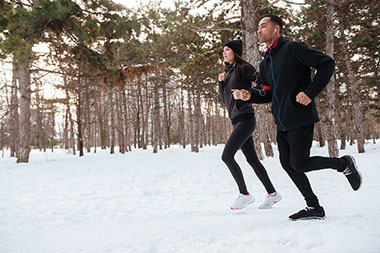
    Image of young man and women jogging on the beach.

    Exercising outdoors is a great way to get some fresh air and improve your health. But on the hottest days of the summer, be sure you don’t overdo it. Heat stroke can happen to anyone, even trained athletes, and can be life-threatening.

    How it happens

    Being out in hot temperatures, especially while exercising or doing any physical activity, can cause heat stroke. The body loses its ability to control its own temperature, and it keeps rising to unsafe levels. This can damage the brain, heart, and other organs.

    Warning signs

    Before heat stroke happens, you may notice warning signs of heat illness. This is the body’s way of saying it needs to cool down right away. They include:

    * Muscle cramps

    * Feeling very thirsty

    * Feeling very tired

    * Dizziness

    * Weakness

    * Headache

    * Nausea and vomiting

    * Skin feels moist and cool

    If you notice any of these signs, get the person out of the heat right away. Find shade, apply cool cloths to the head, and use a fan or ice packs to cool the person down. Giving a sports drink is best, but water will do if you don’t have a sports drink. If the person isn’t improving  quickly, call 911 or go to the nearest emergency room.

    Preventing heat stroke

    Preventing heat stroke is possible. Be smart about the summer sun with these tips:

    *  Drink plenty of fluids when you’re  out in the heat.

    *  Wear clothing that fits loosely and is lightweight.

    *  Seek shade or go inside during the hottest hours of the day.

    *  Don’t leave people or pets in parked cars, even with the windows down.

    *  Exercise indoors on days when there is a heat advisory, or anytime it feels too hot and humid.

    *  Keep the very old or very young out of the heat as much as possible.

    *  Wear sunscreen. A sunburn can make your body overheat.

    Anytime you feel too hot, it’s time to go inside for a cool down. Don’t try to push through it. Exercise is best done indoors on hot days. Heat stroke isn’t worth the risk!

    © American Institute for Preventive Medicine

  • Is Yoga For You?

    BE FIT

    Close up image of female hands while in a yoga pose.

    Yoga is an ancient Indian practice that engages the mind and body. There are many different forms of yoga, and the type you choose should suit your health and fitness goals. Check out these more popular types of yoga.

    Hatha

    Hatha yoga is a general term for any type of yoga. But in general, hatha classes focus on perfecting and holding yoga poses and proper breathing. It can be relaxing, as it is generally slower paced. You may not get an aerobic workout from hatha yoga, but it can improve your strength, balance and flexibility. Hatha classes are usually geared towards beginners.

    Vinyasa

    This is a faster-paced style of yoga that moves quickly from pose to pose, sometimes with upbeat music. You may work up a sweat and get a good cardiovascular workout. Before trying vinyasa, be sure you are familiar with basic yoga poses so you can follow along. It is often suitable for all skill levels, as the poses can be modified to fit your comfort and ability.

    Ashtanga

    This style uses the same six poses in an identical order or sequence. It can be repetitive, but allows people to follow a set routine. This tends to be a more fast-paced and vigorous style of yoga. You may get hot and will need to drink plenty of fluids.

    Bikram

    Bikram yoga, sometimes called hot yoga, is done in a heated room and is designed to make participants sweat heavily during the class. Bikram involves a set of 26 poses and two breathing exercises during a 90-minute class. Though it’s a predictable sequence, the heat makes it a strenuous activity. Though studies haven’t proven its safety or risks for sure, it is not right for everyone. Always ask your doctor before trying any kind of hot yoga. The excess heat may cause heat-related illnesses in some people.

    © American Institute for Preventive Medicine

  • Should I Exercise If I’M Sick?

    BE FIT

    Image of women blowing her nose.

    Although you may be coughing, your body aching, and your nose running like a faucet, it can be difficult to decide if you should exercise or take a temporary break.

    “We all know that exercise is key to good health, but there are times that your body may need a break,” said Dr. Keith Veselik, director of primary care at Loyola University Health System. “Having to slow down when you’re sick is Mother Nature’s way of saying don’t push it and it’s reasonable to pay attention to that.”

    As a general rule, it’s okay to exercise if your symptoms are above the neck, such as a sore throat or runny nose. But it could be dangerous to exercise if you have the following symptoms: fever, shortness of breath, chest congestion, body aches, diarrhea, vomiting or dizziness.

    When you’re sick, your body is already battling against an illness and that takes energy.

    For instance, adding the extra stress of exercising while sick can be dangerous for someone with a heart condition. A person with diabetes may need to monitor blood glucose levels more often because being ill may raise glucose levels and exercise may lower them.

    If you do have a medical condition and are not sure if you should exercise while sick, call your doctor.

    © American Institute for Preventive Medicine

  • Watch List For Winter Weather Activities

    BE FIT

    Image of women with skis.

    Winter weather doesn’t have to derail your exercise routine, says a Saint Louis University exercise expert. As you adjust to darker days, colder temperatures, and slippery surfaces, it’s important to be mindful of safety issues that come with the territory of winter workouts.

    “A change in weather should bring a change to your mindset. As temperatures get colder, it’s important for athletes to adjust their routines,” said Dr. Tony Breitbach, director of athletic training education.

    Dr. Breitbach offers the following tips to avoid injury during winter months:

    *Watch what you wear.Dress in layers for outside exercise. Next to your skin, wear a  breathable wicking material, not cotton because it retains sweat. Next, add a thermal layer of fleece or cotton to keep in heat. Use a third, outer layer as a cover. As you start to heat up, you’ll be able to peel off layers to manage your comfort level.

    *Watch for pain.Your furthest extremities are the first to be affected by the cold. If you get pain or tingling in your ears, fingers, or toes, it’s time to go inside to warm up.

    *Watch your hydration.Staying well-hydrated is another concern during cold winter months due to dry air and indoor heat. Drink plenty of fluids, but be sure to avoid caffeine and alcohol-based beverages, which also lead to dehydration.

    *Watch for hazards.Use caution when running after dark. Wear light-colored, reflective clothing so drivers can see you.

    *Watch out for overuse.Winter weather can limit outdoor exercise options such as running in the park, golfing, and swimming. So be careful to avoid over-doing it with one activity. Working out on hard, unforgiving surfaces like gym floors or concrete can worsen any over-use issues you have. Think outside the gym. Be creative; try ice-skating, cross-country skiing, or a yoga class.

    © American Institute for Preventive Medicine
  • 10-Minute Workouts:Do They Work?

    BE FIT

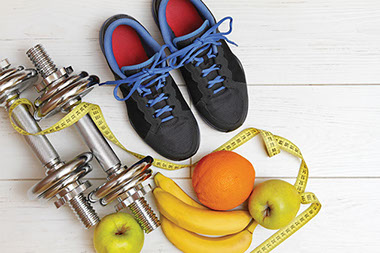
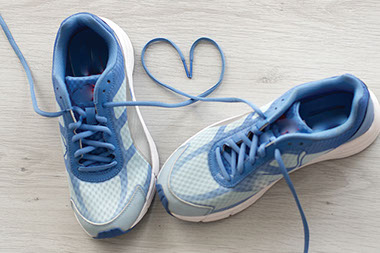
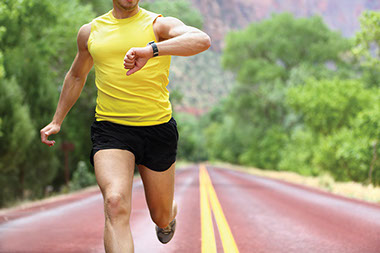
    Image of athletic shoes, weight, and fruits.

    When it comes to exercise, any amount is better than none. The National Institutes of Health recommends at least 30 minutes a day most days of the week. But, this amount is hard for many people to fit into their day. What if you could get healthier with less exercise? Some research suggests that even a few minutes of exercise each day is helpful.

    A study published in the Journal of the American Medical Association says just 72 minutes of exercise a week improves fitness and health. This is just over 10 minutes a day. They found that people who did this amount were healthier after six months than those who didn’t exercise at all.

    Obviously, the more exercise you can do, the better. But, if you’re short on time, you can still get healthier with the time you have. Try to set aside 10 minutes a day for fitness. You may find that it boosts your energy levels, helps you sleep better, and makes you feel healthier.

    Get started today with your 10-minute workout:

    *  Ask your doctor. Before you start any exercise program, talk to your doctor. There may be certain exercises that aren’t right for you.

    *  Make it count. If you’re only going to exercise for 10 minutes, try to make it a harder workout, but still within your fitness level. Don’t overdo it but be sure to increase your heart rate.

    *  Do it often. Do your 10-minute workout as frequently as you can to help boost your fitness level.

    *  Alternate muscle groups. Work leg muscles one day and arm muscles the next day. This gives your muscle groups time to rest between workouts.

    Don’t get discouraged if you’re not exercising 30 minutes a day. Just make exercise a part of your life in a way that fits your schedule!

    © American Institute for Preventive Medicine