Category: Be Fit

  • Can You Take A Hit?

    BE FIT

    Image of man running while looking at his watch.

    Short sprints might boost your fitness by significant levels in just 2 weeks. Really short sprints-like 6 seconds.

    Researchers at Abertay University in Scotland have claimed that people can improve their fitness levels with just small amounts of exercise.

    Participants were asked to cycle all out for 6 seconds then rest for one minute, repeating the cycle 10 times. They found that after 2 weeks participants recorded a 10% improvement in fitness.

    The 6-second bursts are one of the shortest sprint durations ever used in high-intensity training (HIT). HIT involves short bursts of intense exercise and achieves similar results to long-distance endurance training.

    However, the method is much less time consuming and comes with a lower risk of injury, making it ideal for athletes wishing to remain injury free.

    © American Institute for Preventive Medicine

  • Exercise To Keep The Pounds Away

    BE FIT

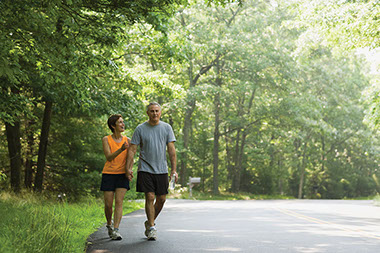
    Image of an older couple walking outside.

    Losing weight isn’t easy – and that’s only one part of the battle. After you’ve lost excess pounds, it can be hard to keep them off. Many people experience weight regain, which means they gain back some or all of the weight they worked so hard to lose. But why does this happen?

    Moving to Burn Calories

    To lose weight, there’s a good chance you’re cutting calories by eating less and choosing healthier, lower calorie foods, such as fruits and vegetables. But over time, it can be difficult to keep up a diet of fewer calories. If you start eating more calories and don’t burn them off, they can add up to extra weight.

    This is where an exercise program comes in. The National Heart, Lung, and Blood Institute says exercise is a great way to help keep pounds off after weight loss. Moving your body burns calories, so you don’t have to rely upon food choices alone to keep calorie counts within your healthy range.

    Not everyone needs the same amount of exercise to keep the weight off. But in general, experts recommend doing moderate-intensity exercises up to 30-60 minutes a day, 5 days a week. These activities are considered moderate-intensity exercises, and you can do them at home:

    *  Wash windows or floors for 45 to 60 minutes

    *  Garden for 30 to 45 minutes

    *  Push a stroller 1.5 miles in 30 minutes

    *  Rake leaves for 30 minutes

    *  Walk 2 miles in 30 minutes

    *  Walk up and down stairs for 15 minutes

    Your exercise can be done all at once or broken up throughout the day. If you’re looking to do sport-related activities, some good options include basketball, bicycling, jogging, tennis and dancing. The key is to find an activity that gets you moving – and that you can stick with.

    © American Institute for Preventive Medicine

  • Just A Little Exercise Helps With Arthritis

    BE FIT

    Image of couple jogging.

    Regular exercise can help with the joint pain and stiffness of arthritis. But, many older adults with arthritis aren’t getting the recommended 150 minutes per week of exercise. Exercise can be painful for those who aren’t used to being active. But over time, not exercising can cause even more pain and stiffness, creating a vicious cycle.

    A recent study shows that even a little exercise can help. Older adults who exercised for just 45 minutes per week saw benefits over those who didn’t exercise at all. Overall, they had better physical ability than the non-exercisers. If you’re not sure how to get started, ask your doctor.

    Though 150 minutes per week is still ideal, some exercise is better than none. Get moving – even just a little – to start feeling better.

    © American Institute for Preventive Medicine

  • Simple Workouts For Beginners

    BE FIT

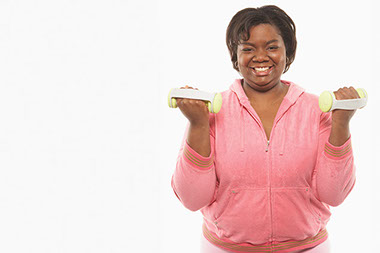
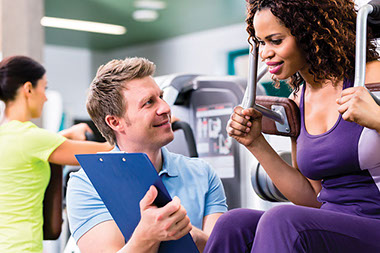
    Image of young African American women with dumb bells.

    Anyone can exercise and enjoy its healthy perks! Here’s how to get started:

    *Check with your doctor first.If you haven’t exercised in the past or have health conditions, ask your doctor for tips before you start.

    *Get your arms and legs moving.This means you’ll get your heart pumping too. Choices include walking, running, swimming, biking or dancing.

    *Warm up for five to ten minutes.Try gentle stretches, and start at a slower pace for these few minutes.

    *Aim for 30-60 minutes of activity each time.Break it up into smaller amounts of time if needed. For instance, two 15-minute walks can be done instead of one 30-minute walk.

    *Don’t overdo it.If you don’t feel well, or you have pain or nausea, stop.

    *Try strength training.Working your muscles with weights, or at-home exercises like push-ups, squats, and sit-ups can help your bones and muscles stay strong. Ask a trainer at the gym or your doctor for help if you’re not sure what’s safe for you.

    *Cool down when you’re finished.Don’t stop exercising suddenly. Instead, slow down for the last five to ten minutes. Follow up with more stretching while your muscles are warm.

    Source: American Academy of Family Physicians

    © American Institute for Preventive Medicine

  • Will Ab Exercises Shrink Your Belly?

    BE FIT

    Image of man using a fitness ball to do ab exercises.

    Sit-ups and crunches can give you stronger ab muscles. But, do they give you a leaner and slimmer belly?

    Experts say that toning and strengthening your core is an important part of being fit. Your ab muscles help support your body and back. They help you reach things off a shelf, throw a ball, climb a ladder, and other everyday tasks. Weak ab muscles can lead to back pain and other injuries.

    But ab exercises alone will not give you a flat belly. To get a slimmer middle, you must burn calories and fat through aerobic exercise. The Centers for Disease Control and Prevention recommends 150 minutes per week of moderate aerobic activity. This includes walking, biking, dancing, and other activities that raise your heart rate. These exercises, along with a healthy diet, can help you lose overall body fat. This will help shrink your middle and improve your health.

    © American Institute for Preventive Medicine

  • 13 Reasons Why Walking Works

    BE FIT

    Image of middle-age couple walking.

    1. Safest exercise on earth

    2. Simple exercise for people who haven’t been exercising

    3. Families can walk together

    4. Social interaction is possible (walk and talk)

    5. Sparks creativity (take along a notebook and pen or a camera)

    6. Improves endurance

    7. Ideal for weight loss

    8. Strengthens bones

    9. Tones legs

    10. Perfect for exploring

    11. Reduces stress

    12. Very inexpensive (no special equipment required, just shoes)

    13. Can be done anytime, anywhere, and for life! Your life!

    From Walk the Four Seasons by walking guru Robert Sweetgall, Creative Walking, Inc.,www.creativewalking.com, who has walked across the USA 7 times.

    © American Institute for Preventive Medicine

  • Cold Temps & Exercise: A Great Pair

    BE FIT

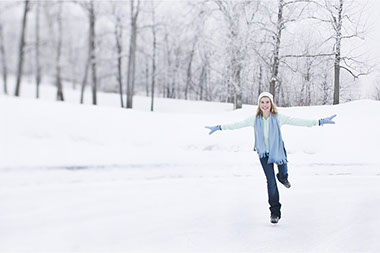
    Image of couple jogging in the winter.

    Has cold weather got you hiding under the blankets? Don’t let it turn you into a couch potato. Your body needs exercise year-round to be healthy. And, exercising in the cold can be enjoyable if you know how to prepare for it.

    Why cold weather workouts are cool

    Cold air can be refreshing! Stepping out into a chilly day may help you stay moving. There’s no sweltering heat or sticky humidity to slow you down. If fact, the lack of heat may help you work out a little longer and harder. You could burn even more calories and give your energy levels a boost.

    Getting out in the daylight can improve your mood. This can help you get through the long winter with good mental health. Your immune system will thank you, too. Just a few minutes a day of exercise may help you stave off colds and flu.

    How to work out when it’s cold

    Not sure what you should or shouldn’t do in the winter? Try these activities:

    *  Brisk walking or hiking

    *  Ice skating

    *  Sledding

    *  Cross-country skiing

    *  Snowshoeing

    Safety first

    Staying warm and dry is key during winter workouts. Hypothermia and frostbite are dangerous and are more likely to happen if you’re not properly dressed for the weather. These steps can help you avoid getting dangerously cold:

    *  Use a moisture-wicking fabric as the first layer against your skin. Never use cotton, as it traps moisture and will make you feel colder.

    *  The next layer should be a warm material, like fleece.

    *  The outside layer of clothing should be windproof to keep out moisture and chilly gusts.

    Don’t forget to drink plenty of water! Even if you don’t feel hot, your body needs hydration during exercise.

    Indoor workouts work, too

    If it’s simply too cold, icy or otherwise unsafe to exercise outdoors, you can still get off the couch and get healthier. Indoor workouts include:

    *  Going up and down stairs

    *  Dancing

    *  Vacuuming, mopping or other active housework

    *  Roller skating

    *  Yoga

    *  Workout classes at a local gym or community center

    People who have had a heart attack or stroke, or are at risk of either one, should ask their doctor about safe ways to exercise.

    Signs of hypothermia

    Hypothermia means the body temperature has dropped too low. Seek immediate care and/or go to an emergency room if hypothermia is suspected. Signs to look for include:

    *  Sudden clumsiness, lack of coordination

    *  Confusion

    *  Shivering

    *  Sleepiness

    *  Slurred speech

    *  Very cold feet or hands

    Source: American Heart Association

    © American Institute for Preventive Medicine

  • Fitting In Fitness When Life Is Busy

    BE FIT

    Image of two female friends walking outside in the winter.

    Regular exercise improves your physical and mental health in many ways. Despite its benefits, exercise can be hard to fit into a busy schedule. But no matter how busy your life is, there are ways to make physical activity a part of your routine. Try these small steps to work toward a more active life.

    *Focus on small chunks of time.Many people feel overwhelmed when they think about having to exercise for 30 to 60 minutes. But even 10 minutes of exercise has health benefits. Instead of surfing the web for 10 or 15 minutes, turn on some music and dance, climb the stairs or take a walk.

    *Schedule it in.Most people have at least a few minutes a day they could spend doing exercising instead of leisure activities. TV or Internet time are great examples of things you could cut back on to make time for physical activity. Put your exercise time in your calendar or set an alarm to remind you to get up and move.

    *Make it convenient.Try to find a gym that’s close to your home or work so you can stop by without going out of your way. Or, check out fitness DVDs from the library to use at home. If you make it easier to get started, it may be easier to stick with it.

    *Don’t forget about weekends.Use your days off to get in a few extra minutes of exercise. Instead of quick 10-minute walks, make it 30 minutes. Or, go to a park or walking trail and enjoy the scenery and the extra time for yourself. Go for a family exercise outing to help everyone get healthier!

    *Make the most of break time.Take just five to 10 minutes to walk around the building or up some stairs when you have a break from work.

    © American Institute for Preventive Medicine

  • Learn To Love Exercise

    BE FIT

    Image of gym shoes with laces shaped as a heart.

    We know exercise improves our health and well-being. So why do so many of us struggle to get and stay active?

    Maybe we need to look at exercise in a different way. Look at it as something you want to do for yourself and not as a chore or something you have to do. You can look forward to exercise, and even learn to love it, with these tips:

    *Think about who you are.If you are social, look into group classes and activities. “Home bodies” might enjoy using exercise DVDs or online programs in their living room. If you enjoy nature, use your neighborhood or local walking paths to get fresh air. Sports fans might like to join a softball or soccer team.

    *Branch out.Take a chance on a new activity such as dance classes, rock climbing or water aerobics. You may discover a new way to get exercise that is fun and exciting for you.

    *Be a kid again.If you loved basketball, skating or swimming as a child, who says you can’t do it now? Look for local adult clubs or gatherings that include your favorite childhood activities.

    *Add variety.Being bored with exercise will lower your motivation. Change things up, such as walking two days a week and an aerobics or swimming class on the weekend.

    *Find your rhythm.Your favorite music can help you enjoy a walk, jog or weight lifting session. Load your favorite upbeat songs on a music player or smartphone and take it along for your workout. Be careful not to turn it up too loud. You still need to hear what is going on around you. And, prolonged use of headphones at high volumes can cause hearing loss.

    Source: National Institutes of Health

    © American Institute for Preventive Medicine

  • Sitting May Harm Your Health

    BE FIT

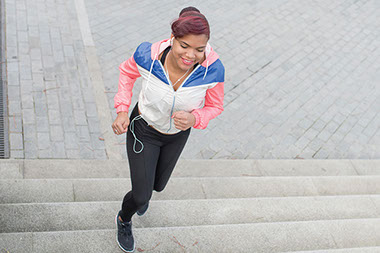
    Image of women climbing stairs for exercise.

    Exercise is great for mind and body. It can help reduce the risk of certain diseases, such as diabetes, heart disease, and some cancers. It can help prevent falls, strengthen muscles and bones, and even improve your mood.

    But even if you’re exercising regularly, there may be something else you need to do to improve your health: stop prolonged sitting. In fact, research suggests that people who spend too much time sitting, even if they exercise, may be harming their health. The American Academy of Family Physicians (AAFP) says frequent and regular sitting may increase the risk of certain diseases and even shorten a person’s lifespan.

    Today’s typical busy lifestyle means many people spend a lot of time in a chair. Whether it’s a long commute or a full day in front of a computer, all that sitting may be just as bad for your health as obesity.

    What you can do

    It’s not always easy to sit less if you have a job that requires it, or you spend a lot of time in the car every day. But there are some small changes that can help cut the time you spend sitting without taking too much time out of your day. The AAFP suggests:

    *  Take a quick break about every half hour during the day to stand or move around. The break can be as short as one to three minutes.

    *  Stand or do exercises while watching television.

    *  Start small and set yourself up for success. Try to reduce sitting by 15 minutes a day. Over time, increase your goal and aim to cut sitting time by two to three hours.

    © American Institute for Preventive Medicine