Category: Nutrition

  • Miniguide To Vitamins

    Nutrition

    The following can help you plan a diet that provides adequate amounts of the essential vitamins indicated. Diet, however, cannot always satisfy the need for all vitamins. Pregnancy, menstruation, illness, crash dieting, food allergies, use of medication, or other circumstances may call for vitamin supplements. Check with your doctor about taking vitamin supplements. Follow his or her advice.

    Vitamin A

    Primary Functions

    Essential for healthy skin, hair, and mucous membranes. Required for normal vision. Needed for proper tooth and bone development and for resistance to infection.

    Food Sources

    Liver, eggs, fortified milk and dairy products. The following contain carotene, which converts to vitamin A after they’re eaten: dark green vegetables; deep yellow fruits such as apricots, peaches, cantaloupe, carrots, sweet potatoes, pumpkin, squash.

    Dietary Reference Intake (DRI)*

    3,000 International units

    Deficiency Symptoms

    Night Blindness; dry, rough, scaly skin; susceptibility to infection; dry eyes; stunted bone growth; poor tooth enamel leading to cavities. (Deficiency disease: hypovitaminosis A.)

    Thiamin (Vitamin B-1)

    Primary Functions

    Release of energy from the carbohydrates in food, appetite regulation, growth and muscle tone, proper function of heart and nervous system.

    Food Sources

    Lean meat (especially pork), oysters, organ meats and liver, green peas, legumes, collard greens, oranges, asparagus, whole grains.

    Dietary Reference Intake (DRI)*

    1.2 milligrams

    Deficiency Symptoms

    Loss of appetite, fatigue, mental confusion, moodiness, irritability, forgetfulness, muscle weakness, leg cramps, enlarged heart. (Deficiency disease: beriberi.)

    Riboflavin (Vitamin B-2)

    Primary Functions

    Helps cells use oxygen. Important in metabolism of protein, fat, and carbohydrates. Helps keep skin and mucous membranes (in mouth and lining of digestive tract) healthy.

    Food Sources

    Organ meats, milk and dairy products, oysters, lean meat, chicken, dark green vegetables, sardines, eggs, tuna, whole grains, legumes.

    Dietary Reference Intake (DRI)*

    1.3 milligrams

    Deficiency Symptoms

    Skin disorders, especially cracks at corners of mouth; dermatitis around nose and lips; hypersensitivity to light; reddening of cornea; digestive disturbances.

    Niacin (Vitamin B-3)

    Primary Functions

    Participates in metabolism of protein, fat, and carbohydrates. Helps cells use oxygen. Promotes healthy skin, nerves, and digestive tract. Aids digestion and fosters normal appetite.

    Food Sources

    Liver, lean meat, fish, poultry, nuts, legumes, dark green vegetables, whole grains. The following are good sources of tryptophan, which can be converted to niacin in your body: milk, eggs, meat.

    Dietary Reference Intake (DRI)*

    16 milligrams

    Deficiency Symptoms

    Skin disorders (especially on parts of body exposed to sun); red, swollen, smooth tongue; digestive tract disturbances, including indigestion and diarrhea; mental disorders, including irritability, depression, anxiety, and mental confusion. (Deficiency disease: pellegra.)

    Pyridoxine (Vitamin B-6)

    Primary Functions

    Aids in metabolism of protein, fat, and carbohydrates. Assists in formation of red blood cells and antibodies. Involved in sodium-potassium balance.

    Food Sources

    Lean meat, liver and other organ meats, fish, nuts, legumes, whole grains, poultry, corn, bananas.

    Dietary Reference Intake (DRI)*

    1.3 milligrams

    Deficiency Symptoms

    Dermatitis, cracks at corners of mouth, smooth tongue, irritability, depression, convulsions, dizziness, anemia.

    Cyanocobalamin (Vitamin B-12)

    Primary Functions

    Aids in formation of red blood cells. Maintains healthy nervous system. Aids metabolism of protein, fat, and carbohydrates. Essential for normal growth and development.

    Food Sources

    Organ meats, lean meat, egg yolks, dairy products, fish (especially shellfish).

    Dietary Reference Intake (DRI)*

    2.4 micrograms

    Deficiency Symptoms

    Anemia; numbness and tingling in fingers; degeneration of peripheral nerves, brain, and spinal cord; fatigue; poor growth.

    Folate

    Primary Functions

    Aids in the formation of hemoglobin in red blood cells and of enzymes and other body cells. Can help prevent serious birth defects of the brain and spine.

    Food Sources

    Liver and other organ meats, dark green leafy vegetables, asparagus, lima beans, whole grains, nuts, legumes.

    Dietary Reference Intake (DRI)*

    400 micrograms+

    Deficiency Symptoms

    Anemia; red, swollen, smooth tongue; diarrhea; poor growth.

    Women should take 400 to 800 micrograms of folic acid for at least one month before getting pregnant and during the pregnancy. Women who have had a baby with a serious problem of the brain or spine should take the amount of folic acid their doctors advise.

    Pantothenic Acid

    Primary Functions

    Helps in the metabolism of protein, fat, and carbohydrates. Involved in formation of hormones and nerve-regulating substances.

    Food Sources

    In all plant and animal foods, but best sources are organ meats, whole grains, fresh vegetables, egg yolks.

    Dietary Reference Intake (DRI)*

    5 milligrams

    Deficiency Symptoms

    Fatigue, tingling in hands and feet, severe abdominal cramps, nausea, difficulty sleeping.

    Biotin

    Primary Functions

    Helps release energy from protein. Also involved in metabolism of fats and carbohydrates and formation of fatty acids. Works with other B vitamins.

    Food Sources

    Liver and other organ meats, egg yolks, nuts, legumes, cauliflower, mushrooms, green beans, dark green vegetables.

    Dietary Reference Intake (DRI)*

    30 micrograms

    Deficiency Symptoms

    Deficiencies do not occur under normal circumstances. Raw egg whites can destroy biotin, and metabolic disturbances can interfere with use, causing anemia, nausea, muscular pain, fatigue, depression, poor appetite.

    Vitamin C (Ascorbic Acid)

    Primary Functions

    Forms collagen to hold body cells together. Helps maintain walls of blood vessels and capillaries. Helps maintain bones and teeth. Helps heal wounds. Helps absorb iron and aids resistance to infection. Prevents destruction of B vitamins through oxidation.

    Food Sources

    Brussels sprouts, strawberries, oranges, broccoli, green peppers, grapefruit, collard greens, cauliflower, cantaloupe, tangerines, cabbage, tomatoes, asparagus.

    Dietary Reference Intake (DRI)*

    90 milligrams

    Deficiency Symptoms

    Weakness; fatigue; loss of appetite; weight loss; irritability; slow growth; increased risk of infection; swollen, inflamed, and bleeding gums; swollen and aching joints; easy bruising; nosebleeds; delayed wound healing. (Deficiency disease: scurvy.)

    Vitamin D

    Primary Functions

    Increases absorption of calcium and phosphorus. Assists in several phases of calcium and phosphorus metabolism, aiding in bone and tooth development. Seems to protect against colon cancer in some way.

    Food Sources

    Fortified milk, egg yolks, organ meats, fortified breakfast cereals. Vitamin D is formed in skin exposed to sunlight.

    Dietary Reference Intake (DRI)*

    600 International units

    Deficiency Symptoms

    During growth years: poor bone and tooth formation, bowed legs, stunted growth, muscle weakness (causing protruding abdomen). Later in life: softening of bones; loss of calcium from bones; pain in pelvis, back, and legs; easily broken bones; muscle twitching and spasms. (Deficiency diseases: rickets in children and osteomalacia in older adults.)

    Vitamin E

    Primary Functions

    Protects essential fatty acids and vitamin A from oxidation. Protects red blood cells. Helps cells use oxygen to yield energy.

    Food Sources

    Plant oils (used in margarine and salad dressings), wheat germ, green leafy vegetables, nuts, whole grains, liver, egg yolks, legumes, fruits, other vegetables.

    Dietary Reference Intake (DRI)*

    22.5 International units

    Deficiency Symptoms

    Red blood cell breakage and muscle weakness. Deficiency is highly unlikely in humans, as vitamin E is widely distributed in foods and stored in the body.

    Vitamin K

    Primary Functions

    Aids in formation of blood clotting proteins. Aids in regulation of blood calcium.

    Food Sources

    Green leafy vegetables, cabbage-family vegetables, liver, egg yolks, milk. (Also, bacteria synthesizes vitamin K in the digestive tract.)

    Dietary Reference Intake (DRI)*

    120 micrograms

    Deficiency Symptoms

    Tendency to hemorrhage, delayed blood clotting.

    * Reference Daily Intake (RDI) is a value set by the Food and Drug Administration (FDA) for use in nutrition labeling. It is based on the highest Recommended Dietary Allowance (RDA) for each nutrient, to assure that needs be met for all age groups.

    Page from A Year of Health Hints book by the American Institute for Preventive Medicine. www.HealthyLife.com. All rights reserved.

    © American Institute for Preventive Medicine

  • Quick Chili

    Nutrition

    4 Servings, about 3/4 cup each

    Ingredients:

    1/2 pound lean ground beef

    15-1/2 ounce can kidney beans, drained (save liquid)

    1/3 cup bean liquid

    1 cup “no-salt-added” canned tomato puree

    1 Tbsp. instant minced onion

    1-1/2 Tbsp. chili powder

    Directions:

    1.  Cook beef in hot fry pan until lightly browned. Drain off fat.

    2.  Stir in remaining ingredients.

    3.  Bring to a boil. Reduce heat, cover, and simmer 10 minutes.

    Per Serving:

    Calories – 230

    Total fat – 9 grams

    Sodium – 390 mg

    Page from HealthyLife Weigh Recipe book by the American Institute for Preventive Medicine. www.HealthyLife.com. All rights reserved.

    © American Institute for Preventive Medicine

  • Vegetable Medley

    Nutrition

    4 Servings, about 3/4 cup each

    Ingredients:

    2 tablespoons water

    5 cups (1 pound) mixed vegetables (Use fresh, frozen, or ones that are ready-to eat, such as from a store’s salad bar. Select ones similar in size.) 1/2 tsp. marjoram leaves

    2 Tbsp. reduced-calorie French or Italian salad dressing

    Directions:

    1.  Heat water in fry pan. Add vegetables. Sprinkle with marjoram.

    2.  Cover and cook 5 minutes or until vegetables are tender-crisp. Drain.

    3.  Toss vegetables with salad dressing.

    Per Serving:

    Calories – 40

    Total fat – 1 gram

    Sodium – 86 mg

    Page from HealthyLife Weigh Recipe book by the American Institute for Preventive Medicine. www.HealthyLife.com. All rights reserved.

    © American Institute for Preventive Medicine

  • Be A Smart Meat Eater

    Nutrition

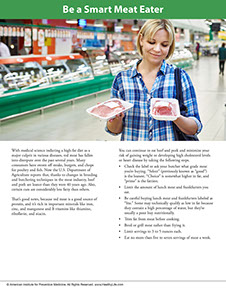
    Image of meat being grilled.

    With medical science indicting a high-fat diet as a major culprit in various diseases, red meat has fallen into disrepute over the past several years. Many consumers have sworn off steaks, burgers, and chops for poultry and fish. Now the U.S. Department of Agriculture reports that, thanks to changes in breeding and butchering techniques in the meat industry, beef and pork are leaner than they were 40 years ago. Also, certain cuts are considerably less fatty than others.

    That’s good news, because red meat is a good source of protein, and it’s rich in important minerals like iron, zinc, and manganese and B vitamins like thiamine, riboflavin, and niacin.

    You can continue to eat beef and pork and minimize your risk of gaining weight or developing high cholesterol levels or heart disease by taking the following steps.

    *  Check the label or ask your butcher what grade meat you’re buying. “Select” (previously known as “good”) is the leanest. “Choice” is somewhat higher in fat, and “prime” is the fattiest.

    *  Limit the amount of lunch meat and frankfurters you eat.

    *  Be careful buying lunch meat and frankfurters labeled as “lite.” Some may technically qualify as low in fat because they contain a high percentage of water, but they’re usually a poor buy nutritionally.

    *  Trim fat from meat before cooking.

    *  Broil or grill meat rather than frying it.

    *  Limit servings to 3 to 5 ounces each.

    *  Eat no more than five to seven servings of meat a week.

    Page from A Year of Health Hints book by the American Institute for Preventive Medicine. www.HealthyLife.com. All rights reserved.

    © American Institute for Preventive Medicine

  • Drink Water, The Nutrient For Every Cell

    Nutrition

    Image of person filling up glass with tap water.

    Two-thirds of your body is composed of water, making it your body’s most vital nutrient. Water:

    *  Provides a valuable source of minerals, like calcium and magnesium.

    *  Helps digest food and absorb nutrients into the body.

    *  Carries nutrients to organs via the bloodstream.

    *  Moistens mucous membranes and lubricates the joints.

    *  Carries away bodily waste products.

    *  Cools the body through perspiration.

    Many people underestimate their need for water. The average adult should drink six to eight 8-ounce glasses of water (or its equivalent) a day. You can meet part of that quota by consuming high water content foods.

    Some examples include:

    *  Iceberg lettuce (95 percent water).

    *  Cantaloupe (91 percent water).

    *  Raw carrots (88 percent water).

    Page from A Year of Health Hints book by the American Institute for Preventive Medicine. www.HealthyLife.com. All rights reserved.

    © American Institute for Preventive Medicine

  • Get The Health Benefits Of Fish

    Nutrition

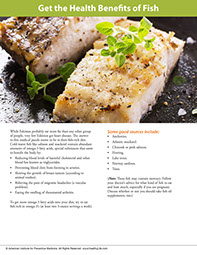
    Image of cooked fish ready to eat on a plate.

    While Eskimos probably eat more fat than any other group of people, very few Eskimos get heart disease. The answer to this medical puzzle seems to lie in their fish-rich diet. Cold-water fish like salmon and mackerel contain abundant amounts of omega-3 fatty acids, special substances that seem to benefit the body by:

    *  Reducing blood levels of harmful cholesterol and other blood fats known as triglycerides.

    *  Preventing blood clots from forming in arteries.

    *  Slowing the growth of breast tumors (according to animal studies).

    *  Relieving the pain of migraine headaches (a vascular problem).

    *  Easing the swelling of rheumatoid arthritis.

    To get more omega-3 fatty acids into your diet, try to eat fish rich in omega-3’s (at least two 3-ounce servings a week). Some good sources include:

    *  Anchovies.

    *  Atlantic mackerel.

    *  Chinook or pink salmon.

    *  Herring.

    *  Lake trout.

    *  Norway sardines.

    *  Tuna.

    {Note: These fish may contain mercury. Follow your doctor’s advice for what kind of fish to eat and how much, especially if you are pregnant. Discuss whether or not you should take fish oil supplements, too.}

    Page from A Year of Health Hints book by the American Institute for Preventive Medicine. www.HealthyLife.com. All rights reserved.

    © American Institute for Preventive Medicine

  • Mock Sour Cream Dip

    Nutrition

    8 servings, about 1/4 cup each

    Ingredients:

    2 cups (1 pound) 1% low-fat cottage cheese

    2 Tbsp. lemon juice

    1/4 cup skim milk

    Directions:

    Place all ingredients in a blender. Blend, adjusting the amount of milk to produce the desired consistency.

    Per Serving:

    Calories – 50

    Total fat – 1 gram

    Sodium – 65 mg

    Page from HealthyLife Weigh Recipe book by the American Institute for Preventive Medicine. www.HealthyLife.com. All rights reserved.

    © American Institute for Preventive Medicine

  • Quick Guide To Decode Food Labels

    Nutrition

    Understand and use the Nutrition Facts.

    Don’t judge a food by the way its label looks. Read the Nutrition Facts section to find out the value of the food inside. Learning what the facts and figures mean can help you meet your nutritional needs.

    Read the ingredients. Check for items that you or family members are allergic or sensitive to, such as peanuts, milk, eggs, and wheat.

    Know that ingredients are listed in order from most to least.

    Limit foods with added sugars, especially ones that list sugar sources first or second. These include:

    *  Sugar (sucrose)

    *  Corn syrup

    *  High fructose corn syrup

    *  Dextrose

    *  Fructose

    *  Maltose

    Remember to be fussy about fats. As much as you can, choose foods with no trans fat.

    Action Step

    Read food labels to compare nutrients in foods. Choose foods that give more dietary fiber, less sugar, and zero trans fat.

    Page from Ways to Well-Being book by the American Institute for Preventive Medicine. www.HealthyLife.com. All rights reserved.

    © American Institute for Preventive Medicine

  • Vegetables With A Touch Of Lemon

    Nutrition

    6 Servings, 1/2 cup each

    Ingredients:

    1/2 small head cauliflower, cut into florets

    2 cups broccoli, cut into florets

    2 Tbsp. lemon juice

    1 Tbsp. olive oil

    1 clove garlic, minced

    2 tsp. fresh parsley, chopped

    Directions:

    1.  Steam broccoli and cauliflower until tender (about 10 minutes).

    2.  In a small saucepan, mix the lemon juice, oil, and garlic, and cook over low heat for 2 or 3 minutes.

    3.  Put the vegetables in a serving dish. Pour the lemon sauce over the vegetables. Garnish with parsley.

    Per Serving:

    Calories – 44

    Total fat – 4 grams

    Saturated fat – Less than 1 gram

    Sodium – 14 mg

    Page from HealthyLife Weigh Recipe book by the American Institute for Preventive Medicine. www.HealthyLife.com. All rights reserved.

    © American Institute for Preventive Medicine

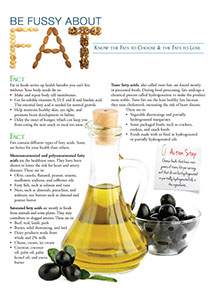
  • Be Fussy About Fat

    Nutrition

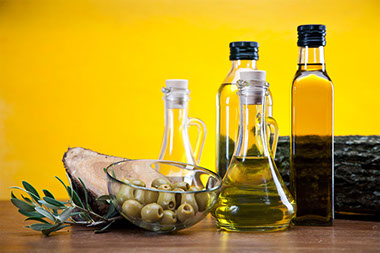
    Image of oilve oil and green olives in a clear bowl.

    Know the Fats to Choose & the Fats to Lose.

    Fact:

    Fat in foods serves up health benefits you can’t live without. Your body needs fat to:

    *  Make and repair body cell membranes.

    *  Get fat-soluble vitamins A, D, E and K and linoleic acid. This essential fatty acid is needed for normal growth.

    *  Help maintain healthy skin, eye sight, and promote brain development in babies.

    *  Delay the onset of hunger, which can keep you from eating the next snack or meal too soon.

    Fats contain different types of fatty acids. Some are better for your health than others.

    Monounsaturated and polyunsaturated fatty acids are the healthiest ones. They have been shown to lower the risk for heart and artery diseases. These are in:

    *  Olive, canola, flaxseed, peanut, sesame, sunflower, soybean, and safflower oils

    *  Fatty fish, such as salmon and tuna

    *  Nuts, such as almonds, pistachios, and walnuts; nut butters such as almond and peanut butter

    Saturated fatty acids are mostly in foods from animals and some plants. They may contribute to clogged arteries. These are in:

    *  Beef, veal, lamb, pork

    *  Butter, solid shortening, and lard

    *  Dairy products made from whole and 2% milk

    *  Cheese, cream, ice cream

    *  Coconut, coconut oil, palm oil, palm kernel oil, and cocoa butter

    Trans fatty acids, also called trans fats, are found mostly in processed foods. During food processing, fats undergo a chemical process called hydrogenation to make the product more stable. Trans fats are the least healthy fats because they raise cholesterol, increasing the risk of heart disease. These are in:

    *  Vegetable shortenings and partially hydrogenated margarines

    *  Some packaged foods, such as crackers, cookies, and snack foods

    *  Foods made with or fried in hydrogenated or partially hydrogenated oils

    Action Step

    Choose foods that have zero grams of trans fat per serving and that do not list hydrogenated or partially hydrogenated oils in the ingredients.

    Page from Ways to Well-Being book by the American Institute for Preventive Medicine. www.HealthyLife.com. All rights reserved.

    © American Institute for Preventive Medicine