Category: Nutrition

  • Drink Your Fill

    Nutrition

    Hand pouring water into a glass.

    Our bodies continually lose water throughout the day. With water being vital for your body to function optimally, it’s important to stay hydrated. Although water-intake needs differ from person to person, an easy rule to aim for is 8×8 – drink eight-ounce glasses eight times a day. When the air is drier, such as in winter, you may need to drink even more water each day to replenish your skin so that it stays moist. You also need more when you do an activity that makes you sweat.

    Be More Earth-Friendly

    Using less plastic means eliminating it from the start. Choose brands that select non-plastic packaging or buy in bulk, using bags and bottles you bring from home.

    Page from HealthyLife Weigh book by the American Institute for Preventive Medicine. www.HealthyLife.com. All rights reserved.

    © American Institute for Preventive Medicine

  • Get The Nutrients You Need

    Nutrition

    To get needed nutrients, vary your food choices.

    Whole Grains

    A variety of whole grains.

    Foods made from grains (like wheat, rice, and oats) help form the base of a nutritious diet. They provide vitamins, minerals, carbohydrates (starch and dietary fiber), and substances called phytochemicals (plant chemicals) that are important for good health. Grain products are low in fat, unless fat is added in processing, in preparation, or at the table. These foods are not fattening, unless eaten in excess or if fats (butter, sour cream, etc.) are added to them.

    Whole Grain Foods

    Choose foods that name one of the following ingredients first on the label’s ingredient list:

    *  Brown rice

    *  Oatmeal

    *  Bulgur (cracked wheat)

    *  Popcorn

    *  Graham flour

    *  Pearl barley

    *  Whole grain corn

    *  Whole oats

    *  Whole rye

    *  Whole wheat

    Try some of these whole grain foods: Whole wheat bread, whole grain ready-to-eat cereal, low-fat whole wheat crackers, oatmeal, whole wheat pasta, whole barley in soup, and cracked wheat in tabouli salad.

    Refined grains are low in dietary fiber.

    Fruits & Vegetables

    These foods are nutrient dense. This means that they give a lot of nutrients, but are low in calories. Fruits and vegetables provide essential vitamins and minerals, dietary fiber, and a variety of phytochemicals (plant chemicals) that may play a role in preventing certain diseases.

    Good Sources of Nutrients in Fruits and Vegetables

    Good Sources of Vitamin A (carotenoids). Vitamin A is needed for night vision and helps fight infections.

    * Orange vegetables, such as carrots, sweet potatoes, and pumpkin

    * Dark-green leafy vegetables, such as spinach, collards, and turnip greens

    * Mango; cantaloupe; apricots; and tomatoes

    Good Sources of Vitamin C. Vitamin C helps heal wounds and aids iron absorption.

    *  Citrus fruits and juices; kiwi fruit; strawberries; cantaloupe

    *  Broccoli; peppers; tomatoes; cabbage; and potatoes

    *  Leafy greens, such as romaine lettuce, turnip greens, and spinach

    Good Sources of Folate (a B vitamin). Folate prevents some birth defects and is needed to make red blood cells and for growth.

    *  Cooked dry beans and peas; peanuts

    *  Oranges and orange juice

    *  Dark-green leafy vegetables, such as spinach and mustard greens; romaine lettuce; green peas

    Good Sources of Potassium. Potassium is needed for fluid balance and helps control activity of heart muscle, kidneys, and nervous system.

    *  Baked white or sweet potatoes; cooked greens, such as spinach; winter (orange) squash

    *  Bananas; potatoes; dried fruits, such as apricots and prunes; orange juice

    *  Lentils; cooked, dry beans, such as baked beans

    Guidelines for choosing fruits and vegetables.

    *  Strive to eat 5 servings a day of fruits and vegetables. Do not add fat.

    *  Also, eat a variety of fruits and vegetables daily. Choose from fresh, canned, frozen, etc.

    *  Choose fruits and vegetables of different colors, to get a variety of phytochemicals (plant chemicals). Certain plant chemicals have been linked with the prevention and treatment of cancer, diabetes, heart disease, and high blood pressure.

    *  Regularly choose whole or cut up fruits and vegetables over juices. Juices have little or no fiber. Chewing fruits and vegetables takes more time and can be more filling than swallowing juice.

    *  Wash fresh fruits and vegetables before using.

    *  Refrigerate most fruits and vegetables to retain nutrients. Exceptions are bananas, onions, garlic, and tomatoes. After you cut or peel these, though, put them in the refrigerator.

    *  Find ways to include different fruits and vegetables in your meals and snacks.

    *  Keep ready-to-eat raw vegetables handy in a clear container in the front of your refrigerator for snacks or meals-on-the-go.

    *  Enjoy fruits as a naturally sweet end to a meal.

    *  When eating out, choose a variety of vegetables at a salad bar. Another idea is to get your lunch at a produce store. Some have salad bars and sandwiches made to order. All have plenty of fresh fruits and vegetables to choose from. Wash these at the store’s water fountain before you eat them.

    *  When you cook vegetables, do so quickly and in as little water as possible. Some vitamins, like vitamin C, are destroyed when soaked in water and/or overcooked.

    Dietary Fiber

    A variety of fiber enriched food with the word fiber spelled out with blocks.

    What Is Dietary Fiber?

    Fiber is a carbohydrate. It does not provide 4 calories per gram that other carbohydrates do because the body does not break down fibers and absorb them. Foods with fiber do, however, have calories. Fiber is found in plant foods. Animal foods do not have fiber.

    How Much Fiber Do You Need Each Day?

    Daily Reference Values are guidelines for nutrient needs. These are listed on food labels and depend on total caloric intake. The Daily Reference Value (DRV) for fiber is 11.5 grams per 1000 calories. So, if you eat 1200-1300 calories a day, you should aim to get at least 15 grams of fiber per day; at least 18 grams per day for 1500-1600 calories; and at least  20 grams per day for 1800 calories.

    Most persons get only 11 to 15 grams of fiber a day. Many health officials advise getting 20 to 35 grams of fiber a day. To get this much fiber when you limit calories, you need to do the following:

    * Have whole-grain breads, cereals, and pasta instead of white and refined breads, cereals, and pasta.

    * Have legumes (beans, etc.) in salads, soups, chili, etc.

    * Regularly choose whole fruits over fruit juices.

    * Snack on raw vegetables instead of high-fat and high-calorie snacks like chips, cookies, etc.

    * Discuss taking fiber supplements with your doctor.

    Resources

    Fruits & Veggies ─ More Matters®www.fruitsandveggiesmorematters.org

    Page from HealthyLife Weigh book by the American Institute for Preventive Medicine. www.HealthyLife.com. All rights reserved.

    © American Institute for Preventive Medicine

  • Modify Ingredients In Recipes 2

    Nutrition

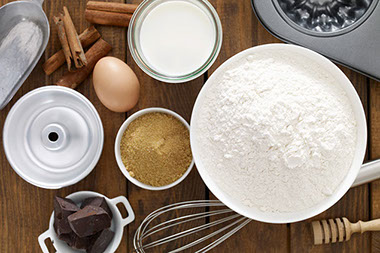
    Image of different ingredients.

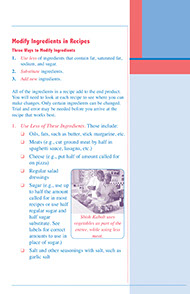
    Three Ways to Modify Ingredients

    1. Use less of ingredients that contain fat, saturated fat, sodium, and sugar.

    2. Substitute ingredients.

    3. Add new ingredients.

    All of the ingredients in a recipe add to the end product. You will need to look at each recipe to see where you can make changes. Only certain ingredients can be changed. Trial and error may be needed before you arrive at the recipe that works best.

    1. Use Less of These Ingredients

    These include:

    *  Oils, fats, such as butter, stick margarine, etc.

    *  Meats (e.g., cut ground meat by half in spaghetti sauce, lasagna, etc.)

    *  Cheese (e.g., put half of amount called for on pizza)

    *  Regular salad dressings

    *  Sugar (e.g., use up to half the amount called for in most recipes or use half regular sugar and half sugar substitute. See labels for correct amounts to use in place of sugar.)

    *  Salt and other seasonings with salt, such as garlic salt

    2. Substitute Ingredients

    * Diet margarine’s high water content may alter the texture of baked products. It works well, though, in sauces, as spreads, and for sauteing vegetables.

    ** When using yogurt for sour cream in heated sauces, mix 1 Tbsp. of cornstarch with 1 Tbsp. of the yogurt then add to the rest of the yogurt. Stir over medium heat until sauce thickens. This will prevent the yogurt from separating.

    3. Add New Ingredients

    Here are some examples:

    *  Vanilla and other flavor extracts. Adding vanilla or adding extra vanilla can make foods taste sweeter than they are.

    *  Vegetables to casseroles, stews, soups, etc. that are not in the original recipe. For example, add mushrooms and green pepper to lasagna and pizza and cut down on or don’t use any meats.

    *  Spices and herbs to add or enhance flavor. For example:

    – Sprinkle dill weed or tarragon on baked or broiled fish along with the lemon juice the recipe may call for.

    – Put pumpkin pie spice on cooked winter squash.

    – Add fresh ripe fruit or mashed cooked vegetables to muffins and quick breads for added flavor, moistness, and nutrients.

    *  Garnish dishes with fresh fruit slices and cut-up vegetables.

    *  Add grains, pastas, starchy vegetables, (potatoes, etc.) legumes (beans, peas, lentils) to thicken soups.

    *  Practice with changing recipes. The savings in total fat, saturated fat, trans fat, sodium, sugar, and calories can be great.

    Modify ingredients in the example below to lower fat, sugar, sodium, and calories.

    Resources

    American Heart Association

    www.heart.org/HEARTORG

    Search for “Nutrition Center.”

    National Heart, Lung, and Blood Institute (NHLBI)

    www.nhlbi.nih.gov

    Search for “Healthy Recipes.”

    NUTRITION.GOV

    www.nutrition.gov

    Search for “Healthy Eating.”

    Page from HealthyLife Weigh book by the American Institute for Preventive Medicine. www.HealthyLife.com. All rights reserved.

    © American Institute for Preventive Medicine

  • Reach For A Rainbow Of Fruits & Veggies

    Nutrition

    Image of various fruits and veggies.

    Pick, buy, and eat nature’s healthy foods.

    Fruits and veggies contain essential vitamins, minerals, antioxidants, and fiber that may help protect you from chronic health problems, including stroke, certain cancers, and heart diseases. Health experts agree that half your daily intake of food should be fruits and veggies. Sadly, studies show that most people don’t eat enough colorful foods from nature.

    Put some color into your meals and snacks.

    Fruits and veggies are nature’s art, but their real beauty comes from what’s inside. The more colorful the foods on your plate, the more beneficial nutrients you will receive. For example:

    *  Lentils, artichokes, and chick peas are high in fiber.

    *  Spinach and asparagus have folate, a B vitamin.

    *  Sweet potatoes, pumpkin, and carrots are rich with Vitamin A.

    *  Strawberries, oranges and tomatoes are high in Vitamin C.

    *  Potatoes, bananas, prunes, dried peaches, and apricots are high in potassium.

    Grab and go tips:

    *  Keep a bowl of fresh fruits on the counter.

    *  Keep cut and ready-to-eat veggies front and center in the fridge. Examples are avocados, bell peppers, broccoli, carrots, cauliflower, celery, cucumbers, and grape or cherry tomatoes.

    *  Buy fresh fruits in season.

    *  Stock fruits that are dried, frozen, and canned (in water or 100% fruit juice).

    *  Choose packaged fruits without added sugars.

    *  Include a tangerine, banana or grapes with lunch.

    *  Add cut-up fruit to tossed salads.

    *  Keep packages of dried fruit in your desk drawer – pineapple, bananas, cherries, figs, dates, cranberries, blueberries, raisins, etc.

    *  Stock the freezer with frozen juice bars (100% juice).

    *   Experiment with different textures, such as crunchy apples, creamy bananas, and juicy oranges.

    Action Step

    Under clean, running water, gently rub fruits to remove dirt, bacteria and chemicals. Produce with nooks and crannies – broccoli, cauliflower, and lettuce – should be soaked for 1 to 2 minutes in clean water.

    Page from Ways to Well-Being book by the American Institute for Preventive Medicine. www.HealthyLife.com. All rights reserved.

    © American Institute for Preventive Medicine

  • Vinaigrette Salad Dressing

    Nutrition

    4 Servings, about 2 Tbsp. each

    Ingredients:

    1 bulb garlic, separated and peeled

    1/2 cup water

    1 Tbsp. red wine vinegar

    1/4 tsp. honey

    1 Tbsp. virgin olive oil

    1/4 tsp. black pepper

    Directions:

    1.  Place the garlic cloves into a small saucepan and pour enough water (about 1/2 cup) to cover them.

    2.  Bring water to a boil. Reduce heat and simmer until garlic is tender, about 15 minutes.

    3.  Reduce the liquid to 2 Tbsp. and increase the heat for 3 minutes.

    4.  Pour the contents into a small sieve over a bowl and, with a wooden spoon, mash the garlic through the sieve.

    5.  Whisk the vinegar into garlic mixture; mix in honey, oil, and black pepper.

    Per Serving:

    Calories – 33

    Total fat – 3 grams

    Saturated fat – 1 gram

    Sodium – 0 mg

    Page from HealthyLife Weigh Recipe book by the American Institute for Preventive Medicine. www.HealthyLife.com. All rights reserved.

    © American Institute for Preventive Medicine

  • Bone Up On Calcium & Vitamin D

    Nutrition

    Build and maintain healthy bones and teeth.

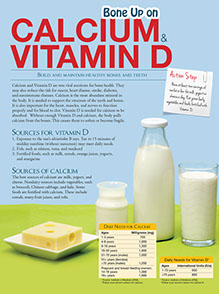
    Calcium and Vitamin D are two vital nutrients for bone health. They may also reduce the risk for cancer, heart disease, stroke, diabetes, and autoimmune diseases. Calcium is the most abundant mineral in the body. It is needed to support the structure of the teeth and bones. It is also important for the heart, muscles, and nerves to function properly and for blood to clot. Vitamin D is needed for calcium to be absorbed. Without enough Vitamin D and calcium, the body pulls calcium from the bones. This causes them to soften or become fragile.

    Sources for vitamin D:

    1.  Exposure to the sun’s ultraviolet B rays. Ten to 15 minutes of midday sunshine (without sunscreen) may meet daily needs.

    2.  Fish, such as salmon, tuna, and mackerel

    3.  Fortified foods, such as milk, cereals, orange juices, yogurts, and margarine

    Sources of calcium:

    The best sources of calcium are milk, yogurt, and cheese. Non dairy sources include vegetables, such as broccoli, Chinese cabbage, and kale. Some foods are fortified with calcium. These include cereals, many fruit juices, and tofu.

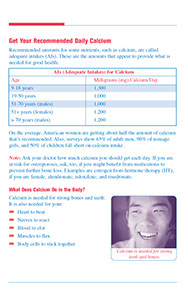
    Daily Needs for Calcium*

    Ages

    1-3 years

    4-8 years

    9-18 years

    19-50 years

    51-70 years (males)

    51+ years (females)

    >70 years (males)

    Pregnant and breast-feeding women:

    14-18 years

    19+ years

    Milligrams (mg)

    700

    1,000

    1,300

    1,000

    1,000

    1,200

    1,300

    1,000

    * Source: Institute of Medicine (IOM).

    * Follow your doctor’s advice for calcium.

    Daily Needs for Vitamin D*

    Ages

    1-70 years

    >70 years

    International Units (IUs)

    600

    800

    * Source: Institute of Medicine (IOM). The National Osteoporosis Foundation advises 400-800 IUs for adults under age 50 years; 800-1,000 IUs for adults age 50 years and older.

    * Follow your doctor’s advice for vitamin D.

    Action Step

    Have at least two servings of nonfat or low-fat milk, yogurt or cheese a day. Eat green leafy vegetables and foods fortified with Vitamin D.

    Page from Ways to Well-Being book by the American Institute for Preventive Medicine. www.HealthyLife.com. All rights reserved.

    © American Institute for Preventive Medicine

  • Easy Ways To Tolerate Milk

    Nutrition

    For millions of people, drinking milk isn’t so easy. People with lactose intolerance can’t digest lactose (the sugar in milk), so they can’t drink milk or eat milk products without suffering some or all of the following symptoms.

    *  Gas in the lower intestine.

    *  Abdominal pain and cramps.

    *  Bloating.

    *  Diarrhea.

    *  Nausea.

    Intestinal distress may occur within minutes of consuming a food containing lactose and sometimes lasts for hours. The cause is a deficiency of lactase, the enzyme responsible for digesting lactose. The only “cure” for lactose intolerance is a milk-free diet. But because milk and milk products are important sources of calcium, avoiding these foods can deprive you of that essential mineral.

    To have your milk and digest it, too, try these maneuvers.

    *  Learn which foods are the most difficult for you to digest and avoid them. Some people with lactose intolerance can tolerate certain dairy products if they eat small portions at a time.

    *  Read food labels carefully. Avoid products containing milk, milk solids, or whey solids. Items marked “parve” are milk free.

    *  Pretreat milk with the enzyme lactase, available over-the-counter in powder or capsule form as Lactaid. Added to milk 24 hours before you drink it, lactase predigests most of the lactose so you don’t have to. Lactase tablets, taken as a digestive aid, are also available.

    *  Purchase Lactaid brand milk, ice cream, and cheese products, which have been treated with lactase, and are available in many supermarkets. Or use soy milks, yogurts, etc.

    Page from A Year of Health Hints book by the American Institute for Preventive Medicine. www.HealthyLife.com. All rights reserved.

    © American Institute for Preventive Medicine

  • Get Up & Go With Better Breakfasts

    Nutrition

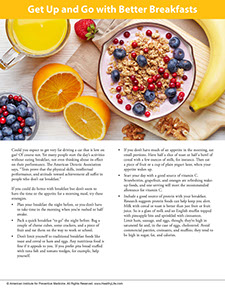
    Image of breakfast with fruit and orange juice.

    Could you expect to get very far driving a car that is low on gas? Of course not. Yet many people start the day’s activities without eating breakfast, not even thinking about its effect on their performance. The American Dietetic Association says, “Tests prove that the physical skills, intellectual performance, and attitude toward achievement all suffer in people who don’t eat breakfast.”

    If you could do better with breakfast but don’t seem to have the time or the appetite for a morning meal, try these strategies.

    *  Plan your breakfast the night before, so you don’t have to take time in the morning when you’re rushed or half awake.

    *  Pack a quick breakfast “to go” the night before. Bag a couple of cheese cubes, some crackers, and a piece of fruit and eat them on the way to work or school.

    *  Don’t limit yourself to traditional breakfast foods like toast and cereal or ham and eggs. Any nutritious food is fine if it appeals to you. If you prefer pita bread stuffed with tuna fish and tomato wedges, for example, help yourself.

    *  If you don’t have much of an appetite in the morning, eat small portions. Have half a slice of toast or half a bowl of cereal with a few ounces of milk, for instance. Then eat a piece of fruit or a cup of plain yogurt later, when your appetite wakes up.

    *  Start your day with a good source of vitamin C. Strawberries, grapefruit, and oranges are refreshing wake-up foods, and one serving will meet the recommended allowance for vitamin C.

    *  Include a good source of protein with your breakfast. Research suggests protein foods can help keep you alert. Milk with cereal or toast is better than just fruit or fruit juice. So is a glass of milk and an English muffin topped with pineapple bits and sprinkled with cinnamon. Limit ham, sausage, and eggs, though; they’re high in saturated fat and, in the case of eggs, cholesterol. Avoid commercial pastries, croissants, and muffins; they tend to be high in sugar, fat, and calories.

    Page from A Year of Health Hints book by the American Institute for Preventive Medicine. www.HealthyLife.com. All rights reserved.

    © American Institute for Preventive Medicine

  • Navigate The Holiday Buffet

    Nutrition

    Table filled with different food dishes.

    There’s a healthy way to get around the buffet table and avoid over-eating during the holidays.

    *Make a plan:First, take a lap around the buffet table to plan what to choose and what to limit.

    *Go for color:Start your meal with a veggie-packed salad with lots of variety.

    *Take your time:Eat slowly. Enjoy your meal and be mindful to recognize when you’ve had enough.

    *Add healthy options:Arrive at a holiday party with a festive vegetable platter to increase your healthy choice options.

    Page from HealthyLife Weigh book by the American Institute for Preventive Medicine. www.HealthyLife.com. All rights reserved.

    © American Institute for Preventive Medicine

  • Recipes

    Nutrition

    Strawberry Blueberry Yogurt Parfait

    Mango Shakes

    Broiled Sesame Fish

    Dilled Fish Fillets

    Spicy Baked Fish

    Microwave Stuffed Peppers

    Chicken (or Turkey) Italiano

    Chicken and Spanish Rice

    Enchilada Casserole

    Turkey Meatloaf

    Turkey Cabbage Casserole

    Turkey (or Chicken) Picatta

    Chicken Salad

    Fresh Cabbage & Tomato Salad

    Fresh Salsa

    Mock Sour Cream Dip

    Vinaigrette Salad Dressing

    New Orleans Red Beans

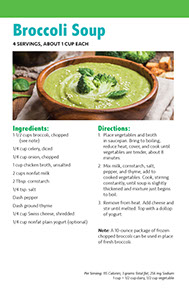
    Broccoli Soup

    Gazpacho

    Quick Chili

    Herbed Vegetable Combo

    Vegetable Medley

    Vegetables with a Touch of Lemon

    Desserts

    Fish Entrees

    Meat Entrees

    Poultry Entrees

    Salads

    Sauces / Condiments / Dressings

    Side Dishes

    Soups and Strews

    Vegetarian

    © American Institute for Preventive Medicine