Category: Success Over Stress

  • Recognize And Treat Early Signs Of Burnout

    SUCCESS OVER STRESS

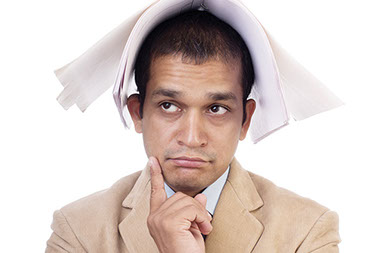
    Image of business man with a notebook over his head.

    Burnout isn’t something that happens overnight. It occurs over time from repeated and unresolved frustration or constant pressure to perform or achieve. With burnout, you feel exhausted, worn out, and detached from others. You feel as if you have nothing more to give and simply do not care about anything. Burnout puts your job, your relationships and your health in jeopardy.

    Signs on the road to burnout

    *  Too much work, not enough relaxation

    *  Feeling as if you have no control over your job

    *  Anger

    *  Fatigue

    *  Sleep problems

    *  Escaping through alcohol, drugs, TV, eating or gambling

    *  Avoiding making decisions

    *  Negative view of yourself and the world

    Also, some traits increase the risk for burnout. These include the need to be in control, wanting everything to be perfect and being a workaholic.

    Ten tips to prevent burnout

    1. Set career and personal goals that can be achieved.

    2. Follow healthy eating and sleeping habits.

    3. Exercise daily – At least 30 minutes most days of the week.

    4. Try not to spread yourself too thin. Delegate tasks at work and at home.

    5. Reduce long work or study hours, if you can. The more you do and the less you rest, the more likely burnout will occur.

    6. Take regular five to 10 minute relaxation breaks. Take mental breaks from stressful situations, too.

    7. Make time for leisure activities that you enjoy and look forward to.

    8. Get creative with a hobby or activity that has nothing to do with work.

    9. Manage stress through meditation, yoga, or therapy.

    10. Plan a vacation one or more times a year. Leave your work at home!

    Discuss feelings and problems you are having with your family, friends, and coworkers. Talking helps ease feelings of frustration that can feed burnout. It things do not get better seek professional help.

    © American Institute for Preventive Medicine
  • Helping Others Makes You Happy

    SUCCESS OVER STRESS

    Image of volunteers smiling.

    It’s commonly believed that when we feel down, we should do something good for ourselves. But research suggests the opposite: you should do something good for someone else.

    Research shows that helping others may decrease depression. People who help others regularly may live longer, healthier lives. Studies have shown the following effects of helping others:

    *  Doing five acts of kindness a day can make you feel happier.

    *  Supporting others may lower stress levels in older people.

    *  Donating money to charity boosts a feel-good part of the brain.

    Acts of kindness can make you feel connected to other people. It can also make you feel needed and generous. This may distract you from your own stress and worries. It can also make you feel that your life has more purpose and meaning.

    Source: Mental Health America

    Simple ways to help

    There are a number of ways you can help others. Try one of these ideas.

    Small acts of kindness (try to do more than one each day):

    *  Call a friend or neighbor who lives alone or could use some company.

    *  Let someone go in front of you in line.

    *  Hold the elevator open for someone.

    *  Smile at people you meet and ask how they’re doing. The store cashier or receptionist at the doctor’s office may appreciate your kindness.

    Volunteer ideas:

    *  Outdoor work: parks and highways often need people to help clean up. Local garden clubs often need people to weed and plant.

    *  Offer to make fundraising calls for your favorite charity.

    *  Help with coaching a kids’ sports team.

    *  Volunteer at your local hospital. Most have a variety of ways you can help.

    *  Libraries often use volunteers to help organize materials and help patrons.

    To find local volunteer opportunities, visitwww.volunteermatch.org.

    © American Institute for Preventive Medicine

  • Relaxed Muscles = Calmer Mind And Body

    SUCCESS OVER STRESS

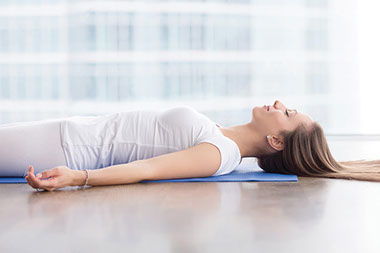
    Image of women doing the PMR technique.

    It can be difficult to stay calm and avoid stress with today’s jam-packed lives. The World Health Organization says stress is a significant problem for both physical and mental health.

    However, there is good news. Some stress management skills have been proven to work. Progressive muscle relaxation (PMR) is an effective way to manage stress. It can lower cortisol which is a stress hormone. This can help lower blood pressure and heart rate when stress levels are high. And, almost anyone can learn how to do it with some practice.

    What is PMR?

    PMR is a technique of tensing and then relaxing muscles. Dr. Edmund Jacobson developed the technique early in the 20th century. He found that muscle tension and anxiety often go hand in hand. But, when you focus only on your muscles and your breathing, this helps to relax your mind. As a result, learning to reduce muscle tension can help a person cope with anxiety and stressful situations.

    How do I do PMR?

    Find a quiet place where you can lie down undisturbed. You may find doing this before bed is an ideal time, as it can also help you fall asleep. Until you become very familiar with the technique, you may wish to use an audio recording or an app to guide you through the process, though this is not necessary.

    The muscle tensing and relaxing typically starts at the very lowest point of the body: your toes. You’ll gradually work your way up to your face.

    *  Breathe in and clench the toes firmly. Don’t do it to the point of pain or cramping. Hold the tension for about 5 to 10 seconds.

    *  Breathe out, and completely relax the toes quickly.

    *  Relax for 10 to 20 seconds, and continue to breathe slowly.

    *  Begin with the next muscle group (usually the calves). Repeat the process by pointing the feet down and feeling the tension in the legs. Next, do the exercise on the buttocks, abdomen, shoulders, neck and face.

    With practice, this teaches the body to relax the muscles more often. This means the muscle tension you normally experience during stress is reduced.

    Relaxation methods like PMR can help you cope with stress in a more positive way. This, in turn, could improve your overall health. Take some time for yourself to try a relaxation method. It only costs you a little bit of your time and may pay off with big physical and mental health benefits.

    Sources: Health Science Journal, International Journal on the Biology of Stress

    © American Institute for Preventive Medicine