Category: Success Over Stress

  • Helping Others Makes You Happy

    SUCCESS OVER STRESS

    Image of volunteers smiling.

    It’s commonly believed that when we feel down, we should do something good for ourselves. But research suggests the opposite: you should do something good for someone else.

    Research shows that helping others may decrease depression. People who help others regularly may live longer, healthier lives. Studies have shown the following effects of helping others:

    *  Doing five acts of kindness a day can make you feel happier.

    *  Supporting others may lower stress levels in older people.

    *  Donating money to charity boosts a feel-good part of the brain.

    Acts of kindness can make you feel connected to other people. It can also make you feel needed and generous. This may distract you from your own stress and worries. It can also make you feel that your life has more purpose and meaning.

    Source: Mental Health America

    Simple ways to help

    There are a number of ways you can help others. Try one of these ideas.

    Small acts of kindness (try to do more than one each day):

    *  Call a friend or neighbor who lives alone or could use some company.

    *  Let someone go in front of you in line.

    *  Hold the elevator open for someone.

    *  Smile at people you meet and ask how they’re doing. The store cashier or receptionist at the doctor’s office may appreciate your kindness.

    Volunteer ideas:

    *  Outdoor work: parks and highways often need people to help clean up. Local garden clubs often need people to weed and plant.

    *  Offer to make fundraising calls for your favorite charity.

    *  Help with coaching a kids’ sports team.

    *  Volunteer at your local hospital. Most have a variety of ways you can help.

    *  Libraries often use volunteers to help organize materials and help patrons.

    To find local volunteer opportunities, visitwww.volunteermatch.org.

    © American Institute for Preventive Medicine

  • Relaxed Muscles = Calmer Mind And Body

    SUCCESS OVER STRESS

    Image of women doing the PMR technique.

    It can be difficult to stay calm and avoid stress with today’s jam-packed lives. The World Health Organization says stress is a significant problem for both physical and mental health.

    However, there is good news. Some stress management skills have been proven to work. Progressive muscle relaxation (PMR) is an effective way to manage stress. It can lower cortisol which is a stress hormone. This can help lower blood pressure and heart rate when stress levels are high. And, almost anyone can learn how to do it with some practice.

    What is PMR?

    PMR is a technique of tensing and then relaxing muscles. Dr. Edmund Jacobson developed the technique early in the 20th century. He found that muscle tension and anxiety often go hand in hand. But, when you focus only on your muscles and your breathing, this helps to relax your mind. As a result, learning to reduce muscle tension can help a person cope with anxiety and stressful situations.

    How do I do PMR?

    Find a quiet place where you can lie down undisturbed. You may find doing this before bed is an ideal time, as it can also help you fall asleep. Until you become very familiar with the technique, you may wish to use an audio recording or an app to guide you through the process, though this is not necessary.

    The muscle tensing and relaxing typically starts at the very lowest point of the body: your toes. You’ll gradually work your way up to your face.

    *  Breathe in and clench the toes firmly. Don’t do it to the point of pain or cramping. Hold the tension for about 5 to 10 seconds.

    *  Breathe out, and completely relax the toes quickly.

    *  Relax for 10 to 20 seconds, and continue to breathe slowly.

    *  Begin with the next muscle group (usually the calves). Repeat the process by pointing the feet down and feeling the tension in the legs. Next, do the exercise on the buttocks, abdomen, shoulders, neck and face.

    With practice, this teaches the body to relax the muscles more often. This means the muscle tension you normally experience during stress is reduced.

    Relaxation methods like PMR can help you cope with stress in a more positive way. This, in turn, could improve your overall health. Take some time for yourself to try a relaxation method. It only costs you a little bit of your time and may pay off with big physical and mental health benefits.

    Sources: Health Science Journal, International Journal on the Biology of Stress

    © American Institute for Preventive Medicine

  • Screens & Stress A Close Connection

    SUCCESS OVER STRESS

    Image of young man with colors popping out of his tablet.

    If you’re feeling the effects of stress and anxiety in your life, you may want to look at your use of smartphones, tablets, and TV. A study done by psychologists at the University of Worcester in England says that frequent use of electronic devices could be linked to higher stress levels.

    If you’re feeling overwhelmed, think about cutting back on the amount of screen time you have each day. This works well as a family effort. The National Heart, Lung, and Blood Institute recommends these tactics:

    *Find out how much you use screens.Keep a log of how much time you spend on screens outside of work or school. Often people are surprised to see how much time they spend on electronic devices.

    *Set a two-hour goal.Try to keep non-work and non-school screen time activities to less than two hours a day. This is a good rule for adults and kids.

    *Find alternatives.Explore fun things you can do instead of screen time, such as playing a game or going for a walk.

    *Combine exercise with screens.If you’re going to watch TV, do stretching, yoga, or other exercises while you’re watching. This can help reduce stress levels and improve your overall health.

    *Have designated screen-free times.Whenever possible, have family meals without the TV on or phones nearby. Spend time talking with your family and enjoying your food. Set aside other times of the day as screen-free. An hour before bedtime is a good choice to help you wind down for sleep.

    Emergency stress stoppers

    The next time you feel your stress level rise, try one of these tips:

    *  Take three to five deep breaths.

    *  Count to ten before you speak.

    *  If possible, walk away from the situation and say you’ll be able to handle it later.

    Source: American Heart Association

    © American Institute for Preventive Medicine

  • A Healthy Diet Helps With Stress

    SUCCESS OVER STRESS

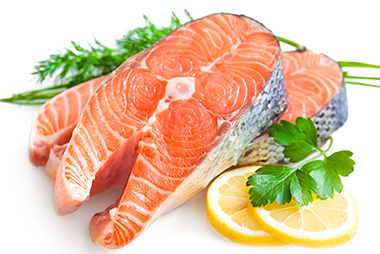
    Image of salmon.

    Can the foods you eat help you cope with stress? Yes, according to experts at the Academy of Nutrition and Dietetics. When you can’t avoid stress completely, focus on these foods to help you through it:

    Whole grains and healthy carbohydrates

    Whole grain bread, pasta, brown rice and sweet potatoes are all complex carbohydrates, which may help boost feel-good hormones in the brain.

    Heart-healthy fats

    Foods rich in omega-3 fats, such as salmon, flax seeds and walnuts may help improve mood and reduce stress and anxiety.

    Soothing hot teas

    Lavender and chamomile teas are good choices to help you relax and potentially get better sleep – keys to dealing with stress.

    Dark chocolate

    The antioxidants in this treat may help reduce stress. Be sure to keep your portion to one ounce or less a day, and choose dark varieties only. Milk and white chocolates do not offer these benefits.

    © American Institute for Preventive Medicine