Category: First Aid

  • In Case Of Accidental Poisoning, Act Fast

    First Aid

    Image of skull and bones that represent poison.

    To prevent accidental poisoning:

    *  Always read warning labels on pesticides, household cleaners, and other products that could be poisonous. Follow instructions for use and storage.

    *  Crush unused medications and mix them with water. Mix this with used coffee grounds or kitty litter. Put this in the garbage in a sealed plastic bag.

    *  Have the phone number of your local poison control center and National Poison Control Center (1.800.222.1222) posted near the telephone. It’s also a good idea to post the numbers of the nearest hospital emergency room, ambulance service, and your physician.

    If your child accidentally swallows or inhales poison, or spills poison on the skin or eyes, don’t panic. Instead:

    *  Call the Poison Control Center at 1.800.222.1222 (or hospital or physician). Explain the problem and identify the cause.

    *  Remain calm and quickly follow the instructions you’re given. Often, accidental poisonings can be handled at home.

    A Year of Health Hints book by the American Institute for Preventive Medicine. www.HealthyLife.com. All rights reserved.

    © American Institute for Preventive Medicine

  • First Aid Precautions

    First Aid

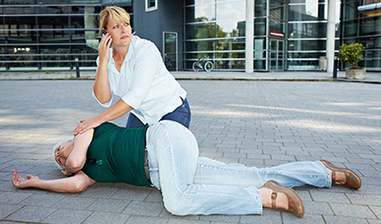
    Image of women on phone beside someone who is unresponsive.

    First Aid Safety Steps

    1.  LOOK around. Is it safe to help? If not, call  9-1-1, have someone else call, or seek medical help. If it is safe to help, stay calm and go to step 2.

    2.  CHECK for a response.

    *  Gently tap the person. Ask, “Are you okay?” Ask loudly. Call the person by name if you know it.

    *  If the person responds or moves, attend to his or her problem, as needed. If the person is injured or the problem is serious, call for emergency medical care. Give first aid as needed, until medical help arrives.

    *  If the person does not respond or move, begin CPR.

    3.  PROTECT yourself from hepatitis B virus and HIV, the virus that causes AIDS. You can get these from an infected person’s blood or other body fluids if they enter your body. These organisms can enter through cuts or breaks in your skin or through the lining of your mouth, nose, and eyes. When you give first aid or do CPR, take these steps, especially if you don’t know the person:

    *  Use plastic wrap or a plastic bag that you can throw away whenever you touch another person’s body fluids, blood, or other objects that may be soiled with his or her blood. If possible, have the person apply pressure to the wound with his or her own hand.

    *  Cover the person’s open wounds with dressings, extra gauze, or waterproof material.

    *  Using a mouth-to-mouth barrier device when you give rescue breaths may or may not protect you from picking up an infection. You do not need to give rescue breaths with Hands-Only CPR.

    *  Within 1 to 2 hours, report every incident that exposes you to another person’s blood or other body fluids to your doctor and EMS personnel.

    4.  FIND out if the person has certain medical needs.

    *  Ask if he or she has prescribed medicine, such as nitroglycerin, to take for a heart condition. Ask where he or she keeps the medicine. Find out how much to give. Ask the person or read the directions on the medicine’s label, if there is one.

    *  Ask the person if you can give the medicine to him or her.

    *  Look for a medical alert tag to find out about health problems the person has.

    *  Find out if the person is allergic to any medicine.

    Healthier at Home book by the American Institute for Preventive Medicine. www.HealthyLife.com. All rights reserved.

    © American Institute for Preventive Medicine

  • Seizures 2

    First Aid

    A seizure is a sudden “episode” caused by an electrical problem in the brain. With a seizure, a person has change in awareness, body movements, or sensation.

    Signs & Symptoms

    There are many types of seizures. Common types are:

    A Generalized Tonic Clonic Seizure

    This is also called a grand mal seizure. A convulsion occurs with this type. Signs of a convulsion include:

    *  Brief loss of consciousness. Falling down.

    *  The arms and legs stiffen, jerk, and twitch.

    *  This type usually lasts 1 to 2 minutes. When it ends, the person’s muscles relax. He or she may lose bladder control, be confused, have a headache, and fall asleep. This is the type most people think of with the word “seizure.”

    An Absence Seizure

    This is also called a petit mal seizure. A convulsion does not occur with this type. Signs of an absence seizure include:

    *  Blank stares. It looks like the person is daydreaming or not paying attention.

    *  Lip smacking. Repeated blinking, chewing or hand movements.

    *  This type of seizure usually lasts only a few seconds, but can occur many times a day. When the seizure ends, the person is not confused, but is not aware that the seizure occurred.

    *  Absence seizures are common in children and can result in learning problems.

    A Fever (Febrile) Seizure

    This type is brought on by a high fever in infants and small children. High fevers cause most seizures in children aged 6 months to 5 years. Signs are ones of a convulsion listed in the left column. Most febrile seizures last 1 to 2 minutes, but can last longer. Seeing a child have a febrile seizure causes alarm. In general, these seizures are harmless.

    Causes

    Causes include epilepsy (a brain disorder), infections that cause a high fever, heat stroke, and electric shock. Head injury, stroke, and toxic substances can also cause a seizure. Sometimes the cause of a seizure is not known.

    Treatment

    Seizure disorders are treated with medication. Other medical treatments may be needed.

    Questions to Ask

    Self-Care / First Aid

    For Seizures with Convulsions

    *  Stay calm. Protect the person from injury. Cushion the head with a pillow, a coat, etc. Move sharp objects out of the way.

    *  Loosen tight clothes, especially around the neck.

    *  If the person vomits, clear the mouth of it.

    *  Do not hold the person down or throw water on the face. Don’t put anything into the mouth. (A spoon in the mouth does not prevent tongue biting.)

    *  If the seizure in a child is due to a fever, start bringing the child’s temperature down as soon as the seizure stops. Sponge the child’s body with room temperature water. Do not put the child in a bathtub. Do not use ice. Do not use rubbing alcohol.

    *  Report how long the seizure lasts and the symptoms that occur.

    *  After the seizure, lay the person on his or her side. Let the person sleep. Check for a medical alert tag. Respond as needed. Do not embarrass the person.

    *  Call 9-1-1 (except for a febrile seizure or a seizure in a person you know has a seizure disorder).

    Febrile Seizure Prevention

    For a child who has had a febrile seizure in the past, give acetaminophen or ibuprofen at the first sign of a fever. Give the right kind and dose for his or her weight. Insert suppositories that lower fevers, instead, if prescribed by the child’s doctor. {Note: Don’t give aspirin to anyone less than 19 years old.}

    *  Dress the child in light, loose clothes.

    *  Apply washcloths rinsed in lukewarm (not cold) water to your child’s forehead and neck. Sponge the child’s arms, legs, and trunk with lukewarm water. Don’t use cold water, ice, or rubbing alcohol.

    *  Keep trying to bring the fever down until it is 101ºF or less.

    Healthier at Home book by the American Institute for Preventive Medicine. www.HealthyLife.com. All rights reserved.

    © American Institute for Preventive Medicine

  • Being Ready For Medical Emergencies

    First Aid

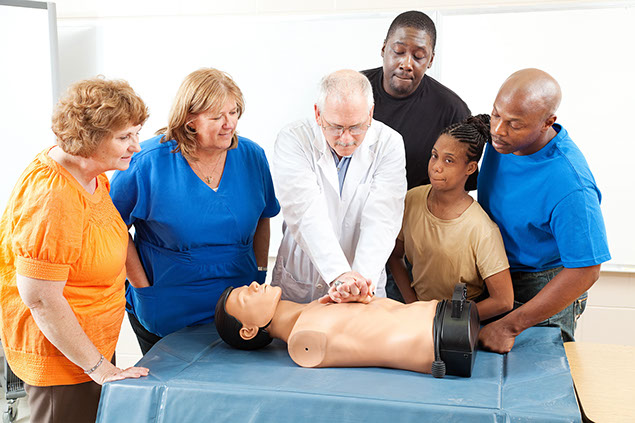
    *  Learn basic first-aid skills. Take courses in CPR and first aid. These give hands-on practice in giving first aid and CPR the right way. Find out about them from your local Red Cross, police and/or fire department, etc.

    *  Find out what services your health plan covers and what steps you have to take to get emergency costs paid for.

    *  Carry the following information with you at all times:

    – Your name, address, phone number, and the person to contact if you need emergency care.

    – Your health insurance information.

    – Important medical information. This could be on a medical alert tag, on a wallet card, or on the back of your driver’s license. Have a list of medications, their dosages, and things you are allergic to.

    – Emergency telephone numbers. (Post these near phones, too.)

    First-Aid Kit

    Keep first-aid supplies handy, but out of children’s reach. Carry a first-aid kit in the car (or boat, wrapped in a waterproof container), as well as in the house. Campers, bikers, hikers, and persons who spend time in remote areas should take a first-aid kit with them. Once a year, check supplies for expiration dates. Restock items when they are used up or when expiration dates have passed.

    First-Aid Supplies & Medicines

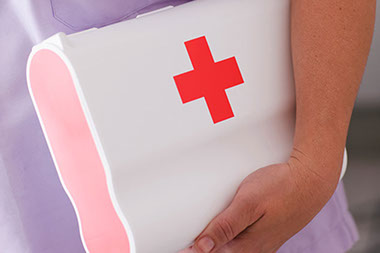
    Image of person holding first aid kit.

    *  Acetaminophen, aspirin, ibuprofen, etc.

    *  Adhesive bandages of different sizes.

    *  Antibiotic ointment.

    *  Antidiarrheal medicine.

    *  Antihistamine tablets or syrup.

    *  Antiseptic ointment or wipes.

    *  Calibrated medicine spoon & dropper (for kids).

    *  Cold pack.

    *  Cotton-tipped swabs.

    *  Elastic wrap and closures.

    *  Flashlight and extra batteries.

    *  Hydrocortisone ointment.

    *  Safety pins.

    *  Scissors.

    *  Sterile gauze pads, a roll of gauze, and tape.

    *  Sterile nonstick dressings.

    *  Sunscreen (SPF of 15 or higher).

    *  Tweezers.

    Add Extra Items for a Car or Boat

    *  Clean, folded sheet. Blanket.

    *  Large flashlight. Extra batteries. Flares. Rope.

    *  Plastic bottle of water, tightly capped.

    *  Protective clothing and footwear.

    Healthier at Home book by the American Institute for Preventive Medicine. www.HealthyLife.com. All rights reserved.

    © American Institute for Preventive Medicine

  • Shock

    First Aid

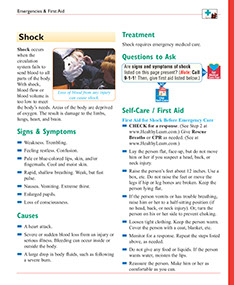
    Shock occurs when the circulation system fails to send blood to all parts of the body. With shock, blood flow or blood volume is too low to meet the body’s needs. Areas of the body are deprived of oxygen. The result is damage to the limbs, lungs, heart, and brain.

    Signs & Symptoms

    *  Weakness. Trembling.

    *  Feeling restless. Confusion.

    *  Pale or blue-colored lips, skin, and/or fingernails. Cool and moist skin.

    *  Rapid, shallow breathing. Weak, but fast pulse.

    *  Nausea. Vomiting. Extreme thirst.

    *  Enlarged pupils.

    *  Loss of consciousness.

    Causes

    *  A heart attack.

    *  Severe or sudden blood loss from an injury or serious illness. Bleeding can occur inside or outside the body.

    *  A large drop in body fluids, such as following a severe burn.

    Treatment

    Shock requires emergency medical care.

    Questions to Ask

    Self-Care / Prevention

    First Aid for Shock Before Emergency Care

    *  CHECK for a response. Give Rescue Breaths or CPR as needed.

    *  Lay the person flat, face-up, but do not move him or her if you suspect a head, back, or neck injury.

    *  Raise the person’s feet about 12 inches. Use a box, etc. Do not raise the feet or move the legs if hip or leg bones are broken. Keep the person lying flat.

    *  If the person vomits or has trouble breathing, raise him or her to a half-sitting position (if no head, back, or neck injury). Or, turn the person on his or her side to prevent choking.

    *  Loosen tight clothing. Keep the person warm. Cover the person with a coat, blanket, etc.

    *  Monitor for a response. Repeat the steps listed above, as needed.

    *  Do not give any food or liquids. If the person wants water, moisten the lips.

    *  Reassure the person. Make him or her as comfortable as you can.

    Healthier at Home book by the American Institute for Preventive Medicine. www.HealthyLife.com. All rights reserved.

    © American Institute for Preventive Medicine

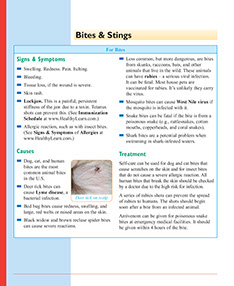
  • Bites & Stings

    First Aid

    For Bites

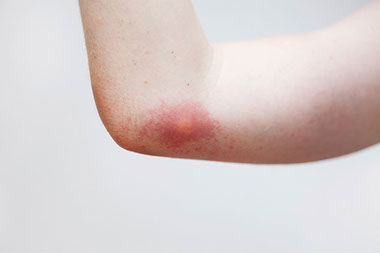
    Image of arm with an insect bite mark.

    Signs & Symptoms

    *  Swelling. Redness. Pain. Itching.

    *  Bleeding.

    *  Tissue loss, if the wound is severe.

    *  Skin rash.

    *  Lockjaw. This is a painful, persistent stiffness of the jaw due to a toxin. Tetanus shots can prevent this.

    *  Allergic reaction, such as with insect bites.

    Causes

    *  Dog, cat, and human bites are the most common animal bites in the U.S.

    *  Deer tick bites can cause Lyme disease, a bacterial infection.

    *  Bed bug bites cause redness, swelling, and large, red welts or raised areas on the skin.

    *  Black widow and brown recluse spider bites can cause severe reactions.

    *  Less common, but more dangerous, are bites from skunks, raccoons, bats, and other animals that live in the wild. These animals can have rabies – a serious viral infection. It can be fatal. Most house pets are vaccinated for rabies. It’s unlikely they carry the virus.

    *  Mosquito bites can cause West Nile virus if the mosquito is infected with it.

    *  Snake bites can be fatal if the bite is from a poisonous snake (e.g., rattlesnakes, cotton mouths, copperheads, and coral snakes).

    *  Shark bites are a potential problem when swimming in shark-infested waters.

    Treatment

    Self-care can be used for dog and cat bites that cause scratches on the skin and for insect bites that do not cause a severe allergic reaction. All human bites that break the skin should be checked by a doctor due to the high risk for infection.

    A series of rabies shots can prevent the spread of rabies to humans. The shots should begin soon after a bite from an infected animal.

    Antivenom can be given for poisonous snake bites at emergency medical facilities. It should be given within 4 hours of the bite.

    For Stings

    Signs & Symptoms

    *  Quick, sharp pain.

    *  Swelling, itching, and redness at the sting site. These can occur beyond the sting site.

    *  Raised bump (with or without pus).

    *  Signs of a severe allergic reaction.

    Causes

    *  Insect stings.

    *  Marine animals that sting include jellyfish, Portuguese Man-of-War, and sea nettles.

    Treatment

    Self-care treats mild reactions to stings. A severe allergic reaction needs immediate care. Symptoms of a severe allergic reaction usually happen soon after or within an hour of the sting.

    Persons with a severe allergic reaction to a sting in the past should carry an emergency kit, prescribed by a doctor. A medical alert tag should be worn to let others know of the allergy. Persons who have had severe reactions to bee or wasp stings should ask their doctors about allergy shots.

    Questions to Ask

    Self-Care / First Aid

    For Poisonous Snake Bites Before Medical Care

    *  Carefully move the person away from the snake. Calm the person. Have him or her rest. Moving about can help spread the venom.

    *  Gently wash the bite area with soap and water. Keep the limb of the bite site level with the heart (or just below this). Apply a splint to the limb of the bite site to keep it from moving.

    *  Being careful, note, if you can, the shape of the snakes eyes, pupils, and head, the colors it is, and if it has rattles.

    *  Don’t try to kill the snake, cut the fang mark, or suck out the venom.

    *  Don’t apply a tourniquet, a bandage, or ice to the bite.

    For Non-Poisonous Snake Bites

    *  Gently wash the site with soap and water.

    *  Treat the bite as a minor wound.

    *  If you notice signs of an infection, call your doctor.

    For Poisonous Spider Bites Until Emergency Care Arrives

    *  Perform rescue breathing, if needed.

    *  If you can, keep the bitten area lower than the level of the heart.

    *  Calm the person and keep him or her warm.

    *  Gently clean the site of the bite with soap and water or rubbing alcohol.

    *  Put an ice pack over the bite site for pain relief.

    *  If you can, catch the spider in a closed container to show what kind it is.

    For Poisonous Spider and Scorpion Bites Before Medical Care

    *  Do rescue breathing, if needed.

    *  If you can, keep the bitten area lower than the level of the heart.

    *  Calm the victim and keep him or her warm.

    *  Gently clean the site of the bite with soap and water or rubbing alcohol.

    *  Put an ice pack over the bite site to relieve pain.

    *  If you can, catch the spider in a closed container to show the doctor. n Get emergency care!

    For Human Bites Before Medical Care

    *  Wash the wound area with soap and water for at least 5 minutes. Don’t scrub hard. Rinse with running water or with an antiseptic solution, such as Betadine.

    *  Cover the wound area with sterile gauze. Tape only the ends of the gauze in place. Then get medical care.

    For Deer Tick Bites

    *  Remove any ticks found on the skin. Use tweezers to grasp the tick(s) as close to the skin as you can. Pull gently and carefully in a steady upward motion at the point where the tick’s mouthpart enters the skin. Try not to crush the tick. The secretions released may spread disease.

    *  After you remove the ticks, wash the wound area and your hands with soap and water. Apply rubbing alcohol to help disinfect the area.

    *  Use an ice pack over the bite area to relieve pain.

    *  Save one tick in a closed jar with rubbing alcohol to show the doctor.

    For Dog and Cat Bites

    *  Wash the bite area right away with soap and warm water for 5 minutes. If the bite is deep, flush the wound with water for 10 minutes. Dry the wound with a clean towel. Then get medical care.

    *  If the wound is swollen, apply ice wrapped in a towel for 10 minutes.

    *  Get a tetanus shot, if needed.

    *  If the bite hurts, take an over-the-counter (OTC) medicine for pain.

    *  Report the incident to the animal control department. If a pet’s immunizations are not current, arrange with the animal control department for the pet to be observed for the next 10 days to check for rabies.

    *  Observe the wound for a few days. Look for signs of infection. Often, cat bite wounds need an antibiotic.

    For a Stingray Bite

    *  Remove the person from the water.

    *  Apply a local pressure bandage for a wound that bleeds a lot.

    *  Immerse the wound area in hot water for 30 to 90 minutes. Make sure the water is not hot enough to burn the skin.

    *  Scrub the wound area well with soap and water.

    *  Unless the wound is a slight one in only one limb, get medical help right away.

    For Stings from Jellyfish or Sea Nettles, etc.

    *  Remove the person from the water. Don’t touch the sting area with bare hands.

    *  Rinse the sting area with salt (not fresh) water right away. Don’t put ice on the skin. If you can, put vinegar or rubbing alcohol on the area several times for 30 or more minutes until the pain is relieved.

    *  Apply dry or moist heat to the sting area until the pain subsides. You can mix one part ammonia with 3 parts salt water and apply this to the sting area.

    *  Wear gloves when you remove stingers. Use a towel to wipe the stingers or the tentacles off. Use tweezers to lift large tentacles. Don’t scrape or rub them.

    *  To relieve itching, apply OTC calamine lotion or 1% hydrocortisone cream to the affected area as directed on the label.

    *  Contact your doctor for any signs of infection.

    Healthier at Home book by the American Institute for Preventive Medicine. www.HealthyLife.com. All rights reserved.

    © American Institute for Preventive Medicine

  • Fishhook Removal

    First Aid

    A fishhook can nick or cut the skin, get stuck in the skin near its surface, or get deeply embedded in the skin. First aid treats most fishhook accidents.

    Questions to Ask

    Self-Care / First Aid

    For a Fishhook Deeply Embedded in the Skin

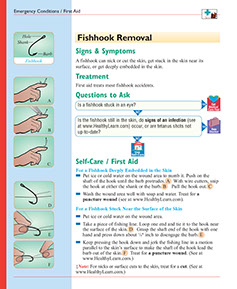
    *  Put ice or cold water on the wound area to numb it. Push on the shaft of the hook until the barb protrudes. See image A. With wire cutters, snip the hook at either the shank or the barb. See image B. Pull the hook out. See image C.

    *  Wash the wound area well with soap and water. Treat for a puncture wound.

    For a Fishhook Stuck Near the Surface of the Skin

    *  Put ice or cold water on the wound area.

    *  Take a piece of fishing line. Loop one end and tie it to the hook near the surface of the skin. See image D. Grasp the shaft end of the hook with one hand and press down about 1/8th inch to disengage the barb. See image E.

    *  Keep pressing the hook down and jerk the fishing line in a motion parallel to the skin’s surface to make the shaft of the hook lead the barb out of the skin. See image F. Treat for a puncture wound.

    {Note: For nicks or surface cuts to the skin, treat for a cut.

    Healthier at Home book by the American Institute for Preventive Medicine. www.HealthyLife.com. All rights reserved.

    © American Institute for Preventive Medicine

  • Skin Injuries / Wounds

    First Aid

    Signs & Symptoms

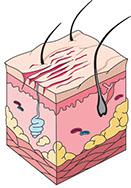
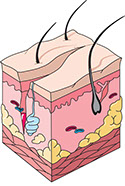
    Cuts slice the skin open. This causes bleeding and pain.

    Scrapes are less serious than cuts, but more painful because more nerve endings are affected.

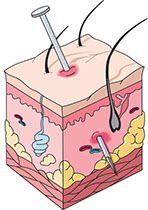
    Punctures are stab wounds. This causes pain, but may not result in bleeding.

    Bruises cause black and blue or red skin. As they heal, the skin turns yellowish-green. Pain, tenderness, and swelling also occur.

    Illustration of a scrape.

    Scrapes

    Illustration of a cut.

    Cuts

    Illustration of a puncture.

    Punctures

    Causes

    For Cuts, Scrapes & Punctures

    The cause can be any object that penetrates the skin. This includes cut glass, a splinter, stepping on a nail or tack, falling on pavement, etc.

    For Bruises

    Common causes are falls or being hit by some force. Bruises result when broken blood vessels bleed into the tissue under the skin. Persons who take blood-thinners bruise easily.

    Treatment

    Treatment depends on the cause and how severe the skin injury is. Simple wounds can be treated with self-care. An antibiotic treats a bacterial infection. Medical care, such as stitches, may be needed for deep cuts or ones longer than an inch.

    Questions to Ask

    Self-Care / First Aid

    For Minor Cuts and Scrapes

    *  Clean in and around the wound thoroughly with soap and water.

    *  Press on the cut for up to 10 minutes to stop the bleeding. Use sterile, wet gauze or a clean cloth. Dry gauze can stick to the wound. Don’t use a bandage to apply pressure.

    *  If still bleeding, lift the part of the body with the cut higher than the heart, if practical.

    *  After the bleeding has stopped and when the area is clean and dry, apply a first-aid cream.

    *  Put one or more bandages on the cut. The edges of the cut skin should touch, but not overlap. Use a butterfly bandage if you have one.

    *  Keep a scrape clean and dry. Dress it with gauze and first-aid tape. Change this every 24 hours.

    For Punctures that Cause Minor Bleeding

    *  Let the wound bleed to cleanse itself.

    *  Remove the object (e.g., splinter). Use clean tweezers. Hold a lit match or flame to the ends of the tweezers to sterilize them. Let them cool and wipe the ends with sterile gauze.

    *  Two to 4 times a day, clean the wound area with soapy water. Dry it well and apply an antibacterial cream. Do this for several days.

    For Bruises

    *  Apply a cold pack to the bruised area as soon as possible (within 15 minutes of the injury). Keep the cold pack on for 10 minutes at a time. Apply pressure to the cold pack. Take it off for 30 to 60 minutes. Repeat several times for 2 days.

    *  Rest the bruised area and raise it above the level of the heart, if practical.

    *  Two days after the injury, use warm compresses for 20 minutes at a time.

    *  Do not bandage a bruise. Try to avoid hitting the bruised area again.

    Healthier at Home book by the American Institute for Preventive Medicine. www.HealthyLife.com. All rights reserved.

    © American Institute for Preventive Medicine

  • Bleeding 2

    First Aid

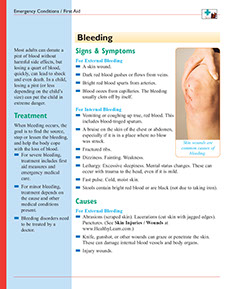
    Most adults can donate a pint of blood without harmful side effects, but losing a quart of blood, quickly, can lead to shock and even death. In a child, losing a pint (or less depending on the child’s size) can put the child in extreme danger.

    Signs & Symptoms

    For External Bleeding

    *  A skin wound.

    *  Dark red blood gushes or flows from veins.

    *  Bright red blood spurts from arteries.

    *  Blood oozes from capillaries. The bleeding usually clots off by itself.

    For Internal Bleeding

    *  Vomiting or coughing up true, red blood. This includes blood-tinged sputum.

    *  A bruise on the skin of the chest or abdomen, especially if it is in a place where no blow was struck.

    *  Fractured ribs.

    *  Dizziness. Fainting. Weakness.

    *  Lethargy. Excessive sleepiness. Mental status changes. These can occur with trauma to the head, even if it is mild.

    *  Fast pulse. Cold, moist skin.

    *  Stools contain bright red blood or are black (not due to taking iron).

    Causes

    For External Bleeding

    *  Abrasions (scraped skin). Lacerations (cut skin with jagged edges). Punctures.

    *  Knife, gunshot, or other wounds can graze or penetrate the skin. These can damage internal blood vessels and body organs.

    *  Injury wounds.

    For Internal Bleeding

    *  A bruise. This is bleeding from and damage to tissues beneath the skin.

    *  Damage to blood vessels and/or internal structures. This includes a blunt injury that does not break the skin, a bleeding ulcer, and an aneurysm.

    *  Bleeding disorders.

    Taking blood-thinning drugs can result in both internal and external bleeding.

    Treatment

    When bleeding occurs, the goal is to find the source, stop or lessen the bleeding, and help the body cope with the loss of blood.

    *  For severe bleeding, treatment includes first aid measures and emergency medical care.

    *  For minor bleeding, treatment depends on the cause and other medical conditions present.

    *  Bleeding disorders need to be treated by a doctor.

    Questions to Ask

    Self-Care / First Aid

    For Severe Bleeding

    *  Without delay, apply direct pressure to the wound using a sterile dressing or clean cloths. {Note: If the cut is large and the edges of it gape open, pinch the edges of the wound while you apply pressure.}

    *  Call 9-1-1 or take the person to nearest hospital emergency department.

    *  Do not remove an object that is stuck in a wound. Pack it in place with padding. Put tape around the padding so it doesn’t move.

    *  If bleeding continues before getting medical help, put extra cloths, etc. on top of existing ones. Keep putting pressure on the wound until bleeding stops or until medical help takes over.

    *  The most important thing to do is to apply direct pressure on the bleeding site. Some health experts advise to do these things, too, if needed:

    – Elevate the wounded area higher than heart level while applying pressure. Do this if no bone is broken.

    – Apply pressure to a “pressure point” if bleeding still continues after 15 to 20 minutes of direct pressure. Use the pressure point closest to the bleeding site that is between the wound and the heart. (See Pressure Points.)

    *  Don’t apply a tourniquet except to save a life.

    *  While giving first aid for bleeding, keep looking for signs of shock.

    For an Amputation

    *  Control bleeding.

    *  Wrap the severed part in a clean, dry (not wet) cloth or sterile gauze. Place the wrapped part in a plastic bag or other waterproof container. Put these on a bed of ice. Do not submerge the severed part in cold water or ice.

    For Bleeding from the Scalp

    *  Use a ring pad to apply pressure around the edges of the wound, not on the wound. Make a ring pad (shaped like a doughnut) with a bandage of narrow, long strips of cloth. Start with one end of the narrow bandage and wrap it around all four fingers on one hand until you form a loop. Leave a long strip of the bandage material to weave in and around the loop so it doesn’t unravel.

    Healthier at Home book by the American Institute for Preventive Medicine. www.HealthyLife.com. All rights reserved.

    © American Institute for Preventive Medicine