Category: Skin Conditions

  • Shingles

    Skin Conditions

    Shingles (herpes zoster) is a skin condition. It is triggered by the chicken pox virus, which is thought to lie dormant in the spinal cord until later in life. Most often, shingles occurs in people over 50 years old.

    Signs & Symptoms

    *  Pain, itching, or a tingling feeling before a rash appears.

    *  A rash of painful red blisters. These later crust over. Most often, the rash appears in a band on one side of the body or in a cluster on one side of the face.

    *  Fever and general weakness can occur.

    *  The crusts fall off, usually within 3 weeks.

    *  Pain can persist in the area of the rash. This usually goes away within 1 to 6 months. Chronic pain called postherpetic neuralgia (PHN) can last longer, even for years. The older you are, the greater the chance that this is the case. The recovery time may also take longer.

    *  Blindness can occur if the eye is affected.

    *  Most cases of shingles are mild.
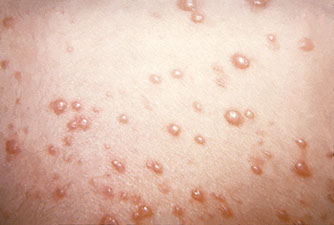
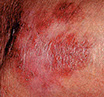
    Image of the shingles.

    Causes

    The virus that causes chicken pox – varicella zoster virus (VZV) causes shingles. To get shingles, you must have had chicken pox. You are more likely to get shingles after an illness or taking medicine that lowers the immune system. Stress or trauma can also increase the risk for shingles.

    Treatment

    If you think you might have shingles, see your doctor right away! He or she can prescribe:

    *  An oral antiviral medicine. This can make symptoms less severe and help you get better sooner. To help, this medicine needs to be started within 24 to 72 hours after the rash first appears.

    *  Medicine for pain. This includes over-the-counter pain relievers and capsaicin topical cream. Prescribed medicine may be needed for pain. A skin patch called Lidoderm may be helpful for PHN.

    *  Other medicines to treat symptoms.

    Questions to Ask

    Self-Care / Prevention

    *  A Zoster vaccine may help prevent getting shingles. It can also reduce the pain due to shingles. The vaccine is advised for persons age 60 and older.

    *  Unless your doctor has prescribed pain medicine, take an over-the-counter one as directed.

    *  Don’t wear clothing that irritates the skin area where sores are present.

    *  Keep sores open to the air. Until the blisters are completely crusted over, do not go near children or adults who have not yet had chicken pox. Do not go near persons who have a condition which weakens their immune system. Examples are cancer, HIV/AIDS, and chronic illnesses. They could get chicken pox from exposure to shingles.

    *  Wash blisters. Don’t scrub them.

    *  To relieve itching, apply calamine lotion to the affected area. You can also use a paste made of 3 teaspoons of baking soda mixed with 1 teaspoon of water.

    *  Avoid drafty areas.

    *  Put a cool compress, such as a cold cloth dipped in ice water, on the blisters. Do this for 20 minutes at a time.

    *  Drink lots of liquids.

    Resources

    National Institute of Allergy and Infectious Diseases (NIAID)

    www.niaid.nih.gov

    National Shingles Foundation

    212.222.3390
    www.vzvfoundation.org

    Healthier at Home book by the American Institute for Preventive Medicine. www.HealthyLife.com. All rights reserved.

    © American Institute for Preventive Medicine
  • Cold Hands & Feet

    Skin Conditions

    Signs & Symptoms

    *  Fingers or toes turn pale white or blue, then red, in response to cold temperatures.

    *  Pain when the fingers or toes turn white.

    *  Tingling or numbness in the hands or feet.

    Causes

    Often the cause is unknown and not serious. Cold hands and feet can be a symptom of the conditions that follow.

    *  Poor circulation. This is most often due to diseased arteries.

    *  Raynaud’s disease. This is a disorder that affects the flow of blood to the fingers and sometimes to the toes.

    *  Any underlying disease that affects the blood flow in the tiny blood vessels of the skin. Women who smoke may be more prone to this.

    *  Frostbite.

    *  Stress.

    *  A side effect of taking certain medicines

    *  Cervical rib syndrome. This is a compression of the nerves and blood vessels in the neck that affects the shoulders, arms, and hands.

    Treatment

    Emergency care is needed for frostbite. If a medical condition causes cold hands and/or feet, treatment for the condition is needed.

    Questions to Ask

    Self-Care / Prevention

    *  Don’t smoke. If you smoke, quit.

    *  Avoid caffeine.

    *  Don’t handle cold objects with bare hands. Use ice tongs to pick up ice cubes, etc.

    *  Set your indoor thermostat at 65ºF or higher.

    *  Wear mittens and wool socks to keep hands and feet warm.

    *  Don’t wear tight-fitting footwear.

    *  Wiggle your toes. It may help keep them warm by increasing blood flow.

    *  Stretch your fingers straight out. Swing your arms in large circles like a baseball pitcher warming up for a game. This may increase blood flow to the fingers. Skip this tip if you have bursitis or back problems.

    *  Meditate. Learn and practice biofeedback.

    Healthier at Home book by the American Institute for Preventive Medicine. www.HealthyLife.com. All rights reserved.

    © American Institute for Preventive Medicine

  • Skin Cancer

    Skin Conditions

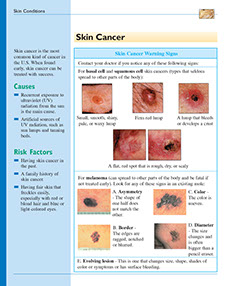
    Skin cancer is the most common kind of cancer in the U.S. When found early, skin cancer can be treated with success.

    Skin Cancer Warning Signs

    Contact your doctor if you notice any of these following signs:

    For basal cell and squamous cell skin cancers (types that seldom spread to other parts of the body):

    Small, smooth, shiny, pale, or waxy lump

    Firm red lump

    A lump that bleeds or develops a crust

    A flat, red spot that is rough, dry, or scaly

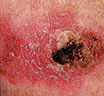
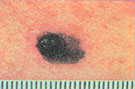
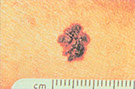
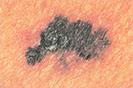
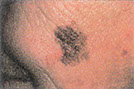
    For melanoma (can spread to other parts of the body and be fatal if not treated early). Look for any of these signs in an existing mole:

    A. Asymmetry – The shape of one half does not match the other.

    B. Border – The edges are ragged, notched or blurred.

    C. Color – The color is uneven.

    D. Diameter – The size changes and is often bigger than a pencil eraser.

    E. Evolving lesion – This is one that changes size, shape, shades of color or symptoms or has surface bleeding.

    Causes

    *  Recurrent exposure to ultraviolet (UV) radiation from the sun is the main cause.

    *  Artificial sources of UV radiation, such as sun lamps and tanning beds.

    Risk Factors

    *  Having skin cancer in the past.

    *  A family history of skin cancer.

    *  Having fair skin that freckles easily, especially with red or blond hair and blue or light-colored eyes.

    Treatment

    Depending on the size, type, and stage of the cancer, treatment includes:

    *  Surgery. There are many types.

    *  Chemotherapy. One form is a cream or lotion with anticancer drugs that is applied to the skin. Other forms are given through an IV.

    *  Radiation therapy. n Interferon drugs.

    *  Skin grafting.

    Questions to Ask

    Self-Care / Prevention

    Start prevention in childhood to protect against skin cancer later in life.

    *  Limit time in the sun, especially between 10 a.m. and 4 p.m.

    *  Use a broad-spectrum sunscreen with a sun protection factor (SPF) of 15 or higher as directed.

    *  Reapply sunscreen at least every 2 hours, more often if you’re sweating or going in and out of the water.

    *  Cover skin exposed to the sun, such as long-sleeved tops, pants, sunglasses, and wide-brimmed hats.

    *  Avoid sun lamps and tanning beds.

    Skin Self-Exam

    *  Do a skin self-exam monthly. The best time to do this is after a shower or bath. To check your skin, use a well- lit room, a full-length mirror, and a hand-held mirror.

    *  Locate your birthmarks, moles, and blemishes. Know what they look like. Check for a sore that does not heal.

    *  Check all areas.

    1.  Look at the front and back of your body in the mirror. Then, raise your arms and look at the left and right sides.

    2.  Bend your elbows and look carefully at the palms of your hands. Make sure to look at both sides of your forearms and upper arms.

    3. Look at the back and front of the legs. Look between the buttocks and around the genital area.

    4.  Look at your face, neck, and scalp. Use a comb or blow dryer to move hair so that you can see the scalp better.

    5.  Sit and closely examine the feet. Look at the soles and the spaces between the toes.

    {Note: Get a skin exam from your doctor or health care provider as often as advised.}

    Resources

    National Cancer Institute

    800.4.CANCER (422.6237)

    www.cancer.gov

    Healthier at Home book by the American Institute for Preventive Medicine. www.HealthyLife.com. All rights reserved.

    © American Institute for Preventive Medicine