Category: Women’s Health

  • Anemia

    Women’s Health

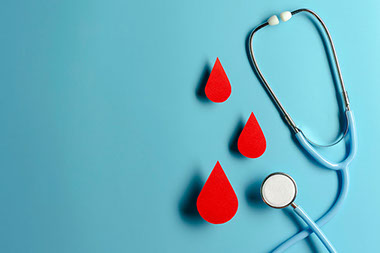
    Paper cutouts of blood drops with stethoscopes.

    Anemia means that red blood cells or the amount of hemoglobin in red blood cells is low. Hemoglobin is a protein that carries oxygen in red blood cells.

    Signs, Symptoms & Causes

    There are many types of anemia. Common ones are low amounts of iron, folic acid (a B vitamin), and vitamin B12. In general, symptoms include:

    *  Tiredness.

    *  Weakness.

    *  Paleness. This could be pale skin or paleness around the gums, nailbeds, or the linings of the lower eyelids.

    *  Shortness of breath.

    *  Heart palpitations or rapid heartbeat.

    With anemia from low iron, extra symptoms can occur. These include:

    *  Tiny cracks at the corner of the mouth.

    *  A smooth, sore tongue.

    *  Brittle nails.

    *  A hard time concentrating.

    *  Unusual cravings for ice, starch, or dirt.

    In the United States, up to 20% of all women of childbearing age have this form of anemia. Only 2% of adult men do. The main cause is blood lost during menstruation. Eating too few iron-rich foods or not absorbing enough iron can make the problem worse.

    Pregnancy, breastfeeding, and blood loss from peptic ulcers or other medical problems, can also deplete iron levels. Older women who have poor diets, especially when they live alone, often have low iron anemia.

    When folic acid is very low, extra symptoms can occur. These include:

    *  A smooth and tender tongue.

    *  Appetite loss and weight loss.

    *  Nausea and diarrhea.

    *  Headache.

    Folic acid is needed to make red blood cells. Folic acid levels are low from a lack of folic acid in the diet or faulty absorption. The need for this vitamin more than doubles during pregnancy. This is often not met by diets of pregnant women. A supplement of 400 micrograms (0.4 milligrams) of folic acid per day is advised.

    Females who are planning a pregnancy, should take folic acid, too. Folic acid is important when a female conceives and during the first months of pregnancy. Low folic acid levels at these times have been linked to low birth weight and major birth defects, such as neural tube defects (spina bifida) in babies. Folic-acid deficiency can also lead to infertility and an increased risk of infection. Low levels of this vitamin are often seen among elderly women, especially those who have poor diets.

    When vitamin B12 is low, extra symptoms can occur. These include:

    *  Chest pain on exertion.

    *  Swollen red tongue or bleeding gums.

    *  A hard time concentrating.

    *  Appetite loss and weight loss.

    *  Nausea and diarrhea.

    When vitamin B12 is very low, nervous system problems can occur, such as:

    *  Numbness and tingling in the hands and feet.

    *  Walking and balance problems.

    *  Memory loss, confusion, dementia or psychosis.

    One form of vitamin B12 deficiency anemia is pernicious anemia. This is usually caused when the body doesn’t absorb vitamin B12 from food. It can result from a lack of digestive acids and a substance called the intrinsic factor. Both are needed to absorb vitamin B12. Other causes are surgery that removes part or all of the stomach and autoimmune problems that cause cells in the stomach’s lining to shrink. Vitamin B12 is found only in animal foods. It is not in plant foods unless the vitamin is added, such as in some cereals.

    Other Types of Anemia

    *  Sickle cell anemia. This is an inherited disorder that affects the red blood cells’ ability to carry oxygen to the body’s tissues. Sickle cell anemia occurs mostly in African Americans but can occur in other ethnic groups too.

    *  Aplastic anemia. This is a serious disease of decreased bone marrow production.

    Also, alcohol, certain drugs, large amounts of aspirin, and some chronic diseases can cause anemia.

    Treatment

    Anemia shares symptoms with many health problems. It needs to be diagnosed by a doctor. Persons with severe anemia may need one or more blood transfusions.Treatment for it depends on the type and what caused it. This includes:

    *  Treating the problem that caused it.

    *  Eating a proper diet and taking vitamin and/or mineral supplements, as prescribed. {Note: Don’t take iron supplements on your own. Persons with a genetic illness called hemochromatosis (iron overload disease) can be harmed with iron supplements.}

    *  Getting vitamin B12 shots, if needed.

    Questions to Ask

    Self-Care

    To Get and Absorb Iron

    *  Eat foods that are good sources of iron: green leafy vegetables, lean red meat, beef liver, poultry, fish, wheat germ, oysters, dried fruit, and iron-fortified cereals.

    *  Eat foods high in vitamin C, such as citrus fruits, kiwi, tomatoes, strawberries, broccoli, and green or red bell peppers.

    *  If you drink tea, drink it between meals. Tannins in tea block iron absorption. Or add milk to tea. The calcium in milk binds with the tannins. (Herbal tea does not have tannins.)

    *  Take the supplements your doctor advises. {Note: High levels of iron in the blood may increase the risk for heart attacks. This is especially a concern if you have gone through menopause.}

    *  Avoid antacids, phosphates (which are found in soft drinks, beer, ice cream, candy bars, etc.), and the food additive EDTA. These block iron absorption.

    To Get and Absorb Folic Acid

    *  Eat good food sources of folate every day. These include asparagus, Brussels sprouts, spinach, romaine lettuce, collard greens, and broccoli. Other good sources are black-eyed peas, cantaloupe, orange juice, oatmeal, and whole-grain or fortified cereals.

    *  Eat fresh, raw fruits and vegetables often. Don’t overcook food. Heat destroys folic acid.

    *  Take the supplement your doctor advises.

    *  Don’t smoke or drink alcohol.

    Tips for Getting Vitamin B12

    *  Eat animal sources of food. Good choices are lean meats, fish, poultry, nonfat or low-fat dairy products.

    *  Strict vegetarians (vegans) who eat no animal sources of food should get vitamin B12 from a supplement or foods fortified with it, such as cereals or plant-based milks or nutritional yeast.

    Resources

    National Heart, Lung, and Blood Institute
    www.nhlbi.nih.gov

    Women's Self-Care book by the American Institute for Preventive Medicine. www.HealthyLife.com. All rights reserved.

    © American Institute for Preventive Medicine
  • Hiv/Aids 2

    Women’s Health

    HIV stands for human immunodeficiency virus. AIDS is acquired immune deficiency syndrome. It is caused by HIV. The virus destroys the body’s immune system. This leaves a person unable to fight off diseases. The virus also attacks the central nervous system causing mental problems.

    Signs & Symptoms

    When first infected with HIV, many people have no symptoms. Within a month or two, some persons have flu-like symptoms (e.g., fever, fatigue, headache, and swollen glands). These symptoms usually go away within a week to a month. They are often mistaken for other infections. In adults, symptoms of HIV may take months to 10 or more years to appear. In children born with HIV, symptoms appear within 2 years.

    Symptoms of HIV Before the Onset of AIDS

    *  Fatigue. Weight loss.

    *  Swollen glands.

    *  Fever and sweating. These occur often.

    *  Skin rashes that persist. Flaky skin.

    *  Getting sick often.

    *  Short-term memory loss.

    *  Infections. These include herpes, shingles, and yeast infections.

    In Women, Signs that HIV Could be Present Include:

    *  Chronic vaginal yeast infections.

    *  Abnormal Pap test from HPV exposure in the past.

    *  Cervical cancer.

    *  Pelvic inflammatory disease (PID).

    *  Some sexually transmitted infections, such as human papillomavirus (HPV). {Note: HPV can be present without HIV. Testing confirms its presence.}

    AIDS is the most advanced stage of HIV. With AIDS, there is a low level of cells in the blood called T4 cells. Persons with AIDS get many illnesses. These include skin infections, pneumonia, and cancer. These conditions are what lead to death.

    Symptoms of AIDS

    *  Extreme fatigue. Weight loss.

    *  Severe and chronic diarrhea.

    *  Fever. Severe headaches.

    *  Shortness of breath. Coughing. A hard time swallowing.

    *  Abdominal cramps. Nausea. Vomiting.

    *  Lack of coordination. Vision loss.

    *  Mental status changes.

    *  Seizures. Coma.

    Causes

    HIV is spread when body fluids, such as semen or blood, pass from an infected person to another person. This includes having sex without a latex or polyurethane condom and/or sharing drug needles.

    Infected females can give HIV to their babies during pregnancy, delivery, and breast-feeding. The risk of the baby getting HIV is greatly lowered if the mother takes antiviral medicines during the pregnancy and delivery. The baby takes medicine the first six weeks of life, too.

    High Risk Activities for HIV Infection

    *  Anal, oral and/or vaginal sex without a latex or polyurethane condom, unless you limit sexual contact to one person and neither of you is infected with HIV. High risk situations are having sex:

    – When drunk or high. (Judgement is impaired.)

    – With multiple or casual sex partners or with a partner who has had multiple sex partners.

    – With a partner who has used drugs by  injection or is a bisexual male.

    – When you or your partner has signs and symptoms of a genital tract infection.

    *  Sharing needles and/or “the works” when injecting any kind of drugs.

    *  Having had blood transfusions, especially before 1985, unless tested negative for HIV.

    *  Prolonged, open-mouth kissing with a person infected with HIV.

    Blood screening tests are also done on donated blood which makes it highly unlikely that you’d get HIV from current blood transfusions. You cannot get HIV from:

    *  Donating blood.

    *  Casual contact, such as touching, holding hands, hugging, and dry kissing.

    *  A cough, sneeze, tears, or sweat.

    *  An animal or insect bite.

    *  A toilet seat. Using a hot tub or swimming.

    Treatment

    There is no cure for AIDS. Treatment includes:

    *  Medications. Multi-drug combinations are used.

    *  Measures to reduce the risk of infections and diseases (e.g., rest, proper nutrition, and vitamin supplements, as advised).

    *  Emotional support.

    *  Medical treatment for infections and chronic problems.

    Questions to Ask

    Self-Care / Prevention

    Someday, a cure for HIV/AIDS may exist. For now, prevention is the best protection. Take these steps:

    *  Unless you are in a monogamous relationship in which you and your partner are HIV free, use male latex or polyurethane condoms every time you have sex.

    *  Don’t have sex with people who are at high risk for HIV. These are:

    – Persons with multiple sex partners.

    – Persons who inject illegal drugs.

    – Partners of persons infected or exposed to HIV.

    – Persons who have had multiple blood transfusions, especially before 1985, unless tested negative for HIV.

    *  Ask specific questions about your partner’s sexual past (e.g., have they had many partners or unprotected (no condom) sex?). Ask if they have been tested for HIV and if the results were positive or negative. Be aware, though, that the response may not be an honest one. You need to protect yourself! Get tested for HIV. Ask your partner to get tested, too. If you have been exposed to HIV, use prevention measures or avoid sex until you get tested for it.

    *  If you’ve had sex with someone you suspect is HIV positive, see your doctor.

    *  Don’t share needles with anyone. This includes illegal drugs, such as heroin, as well as, steroids, insulin, etc.

    *  Don’t share personal items that have blood on them, such as razors.

    *  Plan ahead for safer sex. Decide what you’ll say and be willing to do ahead of time with a potential sex partner.

    *  Keep a supply of condoms handy (e.g., in your purse, by the bed, in your pocket, etc.). Know the correct way to use them. Putting the condom on your partner can be a part of foreplay.

    *  Don’t have sex when your judgement is impaired, such as while under the influence of drugs or alcohol.

    *  Avoid sex if either partner has signs and symptoms of a genital tract infection.

    Detection

    A rapid oral HIV test and blood tests detect antibodies to HIV. Get tested for HIV at doctors’ offices, clinics, and health departments or use a home test and counseling service, such as Home Access. You can buy this over-the-counter, by phone at 800.HIV.TEST (448.8378), or online atwww.homeaccess.com.

    Resources

    National AIDS Hotline

    800.CDC.INFO (232.4636)

    AIDS Info

    800.HIV.0440 (448.0440)

    www.aidsinfo.nih.gov

    Women's Self-Care book by the American Institute for Preventive Medicine. www.HealthyLife.com. All rights reserved.

    © American Institute for Preventive Medicine
  • Varicose Veins

    Women’s Health

    Varicose veins may occur in almost any part of the body. They are most often seen in the back of the calf or on the inside of the leg between the groin and the ankle.

    Signs & Symptoms

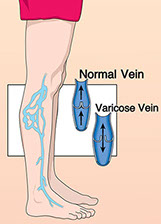
    Illustration of varicose veins.

    *  Swollen and twisted veins look blue and are close to the surface of the skin.

    *  Veins bulge and feel heavy.

    *  The legs and feet can swell.

    *  The skin can itch.

    Causes & Risk Factors

    *  Obesity.

    *  Pregnancy.

    *  Hormonal changes at menopause.

    *  Activities or hobbies that require standing or lifting heavy objects for long periods of time.

    *  A family history of varicose veins.

    *  Often wearing clothing that is tight around the upper thighs.

    *  Body positions that restrict lower leg blood flow for long periods of time. One example is sitting in an airplane, especially in the economy class section, on a long flight.

    *  Past vein diseases, such as thrombophlebitis. This is inflammation of a vein before a blood clot forms.

    Treatment

    Medical treatment is not required for most varicose veins unless problems result. These include a deep vein blood clot or severe bleeding, which can be caused by an injury to the vein. Problems can occur without an injury, as well. An X-ray of the vein (venogram) or a special ultrasound can tell if there are any problems.

    Medical Treatment

    *  Surgery can remove all or part of the vein.

    *  Sclerotherapy. This uses a chemical injection into the vein, causing it to close up.

    *  Laser therapy. This causes the vein to fade away.

    Questions to Ask

    Self-Care / Prevention

    *  Don’t cross your legs when sitting.

    *  Exercise regularly. Walking is a good choice. It improves leg strength and vein strength.

    *  Maintain a healthy weight. Lose weight if you are overweight.

    *  Don’t stand for long periods of time.

    *  If your job or hobby requires you to stand, shift your weight from one leg to the other every few minutes. Just wiggling your toes can help, too.

    *  Wear elastic support stockings or support hose, as advised by your doctor.

    *  Don’t wear clothing or undergarments that are tight or constrict your waist, groin, or legs.

    *  Eat high-fiber foods, like bran cereals, whole-grain breads, and fresh fruits and vegetables, to promote regularity. Constipation may be a factor in varicose veins.

    *  Elevate your legs when resting.

    *  Exercise your legs. From a sitting position, rotate your feet at the ankles, turning them first clockwise, then counterclockwise, using a circular motion. Next, extend your legs forward and point your toes to the ceiling then to the floor. Next, lift your feet off the floor and gently bend your legs back and forth at the knees.

    *  Get up and move about every 35 to 45 minutes when traveling by air or even when sitting in an all-day conference. Opt for an aisle seat in such situations.

    *  Stop and take short walks at least every 45 minutes when taking long car rides.

    Resources

    American Academy of Dermatology

    866.503.SKIN (503.7546)

    www.aad.org

    American College of Phlebology

    www.phlebology.org

    Women's Self-Care book by the American Institute for Preventive Medicine. www.HealthyLife.com. All rights reserved.

    © American Institute for Preventive Medicine
  • Birth Control Options

    Women’s Health

    Women's hand holding up birth control pack.

    This page gives information on birth control methods. Discuss one(s) best suited for your needs with your doctor or health care provider. Ask for advice on more options. More than one birth control method may be needed to prevent  pregnancy AND sexually transmitted infections, including HIV.

    * Typical use failure rate is the number of pregnancies expected per 100 females per year when typically used. If no method is used, the chance of pregnancy is between 85% and 90%.

    Abstinence

    No sexual intercourse between a female and a male.

    Has no medical or hormonal side effects.

    Failure Rate*

    0%

    HIV / STI Protection

    Yes

    Birth Control Patch

    Hormones released from a skin patch worn on the skin weekly for 3 weeks. It is not worn the 4th week.

    Needs to be prescribed. Gives more estrogen than typical birth control pills. Increases the risk for blood clots and other serious side effects. May not be as effective for females over 198 pounds.

    Failure Rate*

    7%

    HIV / STI Protection

    No

    Birth Control Pill

    Hormones in pill form. Estrogen combined with progestin or progestin alone. Many types.

    Needs to be prescribed. The pill may be less effective when taken with other medicines. Risk of blood clots, breast cancer and strokes in women who smoke, especially over age 35.

    Failure Rate*

    3% (1% when used correctly)

    HIV / STI Protection

    No

    Cervical Cap

    Plastic cap placed over the opening of the cervix. Used with a spermicide.

    Needs to be prescribed. Inserted before intercourse. Should be left in place for at least 8, but no more than 48 hours after last intercourse. Should not be used if there is a history of abnormal Pap tests.

    Failure Rate*

    17%

    HIV / STI Protection

    No

    Condom (Female)

    Polyurethane barrier placed inside the vagina.

    Can get over-the-counter. Should not be used at same time with a male condom. Can take time and patience to use the right way.

    Failure Rate*

    21%

    HIV / STI Protection

    Yes

    Condom (Male)

    Latex or polyurethane sheath worn over an erect penis.

    Can get over-the-counter. Slight risk of breakage. Loses quality when exposed to ultraviolet light, heat, and oil-based lubricants and creams.

    Failure Rate*

    13% to 18%

    HIV / STI Protection

    Yes

    Depo-Provera

    Hormone given through a shot every 3 months.

    Needs to be prescribed. May cause irregular periods, weight gain, fatigue and headaches. Once stopped, it can take 4 to 18 months for a woman to be fertile again. Can cause bone loss if taken for more than 2 years.

    Failure Rate*

    4% to 6%

    HIV / STI Protection

    No

    Diaphragm

    Reusable, thin, soft, cap (plastic or silicon) that covers the cervix. Used with a spermicide.

    Needs to be prescribed. Should be checked for leaks. Size may need to be changed with weight changes. May dislodge during intercourse. Should be left in place at least 6, but no more than 24 hours, after last intercourse.

    Failure Rate*

    6% to 16%

    HIV / STI Protection

    No

    Emergency Contraception Pills

    High-dose birth control pills that need to be taken up to 5 days after unprotected intercourse. Called “morning after pill.”

    Progestin-only pills are available over-the-counter without age restrictions. Other types, such as ella®, are available by prescription only for all ages. Most require a single dose but some are taken as 2 doses, 12 hours apart. Can cause nausea, vomitting, breast tenderness and changes in menstrual periods.

    Failure Rate*

    11% to 25% (the sooner used, the more effective)

    HIV / STI Protection

    No

    Emergency IUD Insertion

    Needs to be done within 5 days of unprotected intercourse.

    Needs to be done by a health care professional. Used as an emergency contraception method.

    Failure Rate*

    Less than 1%

    HIV / STI Protection

    No

    FemCap®

    Silicone rubber device. Fits snugly over the cervix.

    Needs to be prescribed. Should be left in place for at least 6, but no more than 48 hours, after last intercourse.

    Failure Rate*

    17% to 23%; less effective if gave birth

    HIV / STI Protection

    No

    Nexplannon®

    Thin plastic implant about the size of a match stick. Releases a low dose of the hormone progestin for up to 3 years.

    Needs to be inserted and removed by a health care professional. Can cause irregular menstrual bleeding, mostly fewer and lighter periods, or no periods.

    Failure Rate*

    Less than 1%

    HIV / STI Protection

    No

    Intrauterine Device (IUD)

    ParaGard. Small copper device inserted into uterus. {Note: An IUD does not prevent an ectopic pregnancy. With this, an embryo starts to grow outside the uterus.}

    Needs to be inserted and removed by health care professional. Can be left in place for up to 10 years. May become dislodged. Risk of infection and piercing of the uterus. Need to check that the 2 strings hang from the bottom so the IUD is in the correct position.

    Failure Rate*

    Less than 1%

    HIV / STI Protection

    No

    Intrauterine System (IUS)

    Mirena®. T-shaped device placed in uterus. Releases low dose of hormones every day for 5 years.

    Needs to be inserted and removed by a health care professional. May lessen menstrual cramps. Needs to be replaced every 5 years.

    Failure Rate*

    Less than 1%

    HIV / STI Protection

    No

    Lea’s Shield®

    Silicone cup with an air valve and a loop (aids in removal) that fits snugly over the cervix. Used with a spermicide.

    Needs to be prescribed. Should be left in place at least 8, but no more than 48 hours, after last intercourse.

    Failure Rate*

    15%

    HIV / STI Protection

    No

    Natural Family Planning

    Ovulation signs need to be checked for and tracked.

    Sexual intercourse must be limited to “safe” days. Takes training, time and record keeping to work right. Method for planning a pregnancy, too.

    Failure Rate*

    2% to 23%

    HIV / STI Protection

    No

    NuvaRing®

    A soft, flexible ring that a female inserts deep into the vagina. Contains hormones.

    Needs to be prescribed. A new Ring is inserted once and kept in place for 3 weeks. It is removed the week of menstrual period. May cause increased risk for vaginal problems.

    Failure Rate*

    7% to 9%

    HIV / STI Protection

    No

    Spermicides (Foams, Jellies, Creams)

    Chemicals inserted into the vagina kill sperm before it enters the uterus.

    Can get over-the-counter. More reliable when used with condoms, diaphragms, etc. Inserted between 5 and 90 minutes before intercourse. Need to reapply for repeated acts of intercourse.

    Failure Rate*

    21% to 28%

    HIV / STI Protection

    No

    Today’s Sponge®

    Polyurethane barrier that contains spermicide.

    Can get over-the-counter. Must be left in place for 6 hours after last intercourse, but should not be worn for more than 24 hours after sex.

    Failure Rate*

    12% to 24%

    HIV / STI Protection

    Some

    Sterilization (Female)

    Tubal ligation (having the tubes tied). This surgery burns, cuts, blocks or ties off the fallopian tubes. Another type, tubal implants (Essure®), is not surgery. A device is inserted through the vagina and uterus into each fallopian tube. This causes scar tissue to grow and plug the tubes.

    Permanent form of birth control. Should be used only when no more children are desired. Surgery usually needs general anesthesia. Essure® is no longer sold in the U.S. but women who are using it to prevent pregnancy can continue to use it. Women who suspect they may be having symptoms related to the device, such as pain, should talk to their doctor about what steps may be appropriate for them to take.

    Failure Rate*

    Less than 1%

    HIV / STI Protection

    No

    Sterilization (Male)

    Vasectomy. The tubes through which sperm travels from the testes are cut.

    Permanent form of birth control. Done in an outpatient setting with local anesthesia. Not effective right away. Sperm can still be present for 20 ejaculations.

    Failure Rate*

    Less than 1%

    HIV / STI Protection

    No

    Withdrawal

    The penis is removed before ejaculation.

    Have to control ejaculation. Sperm can leak before this occurs.

    Failure Rate*

    Up to 27%

    HIV / STI Protection

    No

    Women's Self-Care book by the American Institute for Preventive Medicine. www.HealthyLife.com. All rights reserved.

    © American Institute for Preventive Medicine
  • Hormone Therapy

    Women’s Health

    Hormone therapy (HT) was formerly known as hormone replacement therapy (HRT). It gives prescribed hormones – estrogen and progesterone or its synthetic form (e.g., progestin). Estrogen given alone is estrogen therapy (ET). This was commonly called estrogen replacement therapy (ERT).

    Hormones can be given in many forms: Oral pills; estrogen patches and vaginal creams; and the vaginal ring, Estring.

    According to the Food and Drug Administration (FDA), the overall risks of HT to women outweigh its benefits. The FDA recommends, though, that each woman consult her doctor about hormone therapy. Each woman should discuss non-estrogen treatments with her doctor, too.

    Risks

    Risks of Hormone Therapy

    Combined estrogen and progestin therapy has been found to increase the risks for:

    *  Breast cancer

    *  Blood clots

    *  Gallbladder disease

    *  Heart attacks

    *  Stroke

    There is no increased risk for uterine cancer if progesterone is given with estrogen. Estrogen without progesterone may increase the risk for uterine cancer.

    Benefits

    Benefits of Hormone Therapy

    *  Increases bone mineral density and reduces the risk of fractures

    *  Relieves hot flashes and night sweats

    *  Reduces thinning of the vaginal lining and sagging of the pelvic muscles

    *  Improves bladder function. This can help with incontinence.

    *  May lower the risk of colon cancer and macular degeneration

    Side Effects

    Side Effects of Hormone Therapy

    *  Weight gain or bloating

    *  Headaches

    *  Vaginal bleeding

    *  Breast tenderness

    *  Depression

    Should You Take Hormone Therapy?

    Discuss the possible benefits, risks, and side effects with your doctor. The decision should be based on:

    *  Your age and stage of menopause you are in

    *  Your personal health history and risk factors for heart disease, osteoporosis, breast cancer, etc.

    *  Your symptoms and how severe they are

    *  An understanding of the risks and benefits of HT

    A major study concluded that the harmful effects of a specific combination of estrogen and progestin therapy are likely to exceed the chronic disease prevention benefits for most women. If you decide to use HT, use the lowest dose that helps and for the shortest time needed.

    When you take HT, consult your doctor about its continued use. You should also have regular medical checkups, as advised. Checkups should include a blood pressure reading, pelvic and breast exams, and a mammogram.

    If You Choose Not to Take Hormone Therapy or are Advised Against It

    *  Follow “Self-Care” measures in “Menopause“.

    *  Follow “Prevention” measures and “Self-Care” measures for “Osteoporosis“.

    *  Have regular checkups with your doctor.

    *  Ask about medicine alternatives and other ways to reduce the risk of bone fractures and heart disease.

    Health at Home Lifetime book by the American Institute for Preventive Medicine. www.HealthyLife.com. All rights reserved.

    © American Institute for Preventive Medicine
  • Breast Lumps & Breast Cancer

    Women’s Health

    For Breast Lumps

    Feeling a lump in a breast can be scary. For a lot of women, the first thought is cancer. The good news is that 80% to 90% of breast lumps are not cancer.

    Signs, Symptoms, and Causes

    *  Solid tumors. These include:

    – Lipomas. These are fatty tumors that can grow very large. They are usually benign.

    – Fibroadenomas. These lumps are round, solid, and movable and are usually benign.

    – Cancerous lumps. Often, these are firm to hard masses that do not move when felt. They are often an irregular shape.

    *  Cysts. (These can be very small and diffuse, as in fibrocystic breast disease). These cysts:

    – Are fluid filled sacs.

    – Are painful and feel lumpy or tender.

    – Can occur near the surface of the skin of the breast and/or be deep within the breast. This second type may need to be tested with a biopsy to make sure it is benign.

    *  Nipple-duct tumors. These tumors occur within the part of the nipple that milk flows through. They cause a discharge from the nipple. These tumors should be removed by surgery.

    *  In rare cases, a bloody discharge from the nipple could be a sign of cancer.

    Treatment

    Tests can be done to help diagnose whether or not a breast lump is benign.

    *  Mammogram. This X-ray of the breast can detect breast problems before they can be felt.

    *  Ultrasound. This tells whether the lump is fluid-filled (usually harmless) or solid.

    *  Needle aspiration. With this, a needle is put into the lump to remove fluid or cells.

    *  Biopsy. There are many types. With these, a sample of the breast tissue is taken and examined.

    *  Ductal lavage. Fluid is sent through a catheter to the milk ducts. Cells inside the milk ducts are collected and checked for the risk of breast cancer.

    Benign breast lumps may go away if you breast-feed for many months or take a low-dose birth control pill. Prescribed medicines can get rid of severe breast lumps. These have side effects, though.

    For Breast Cancer

    Signs & Symptoms

    Breast cancer is the most common form of cancer among women. It accounts for 30% of cancers women get. Each year, there are about 227,000 new cases of breast cancer. About 49,500 women die from it. Only lung cancer causes more cancer deaths among women.

    Breast cancer often develops without signs and symptoms. This is why screening for breast cancer is needed.

    Causes & Risk Factors

    Breast cancer results from malignant tumors that invade and destroy normal tissue. When these tumors break away and spread to other parts of the body, it is called metastasis. Breast cancer can spread to the lymph nodes, lungs, liver, bone, and brain.

    *  Being a women is the main risk factor. {Note: Men can get breast cancer, too. Yearly, about 410 men die from breast cancer. Men should look for and report a breast lump or other change to their doctors.}

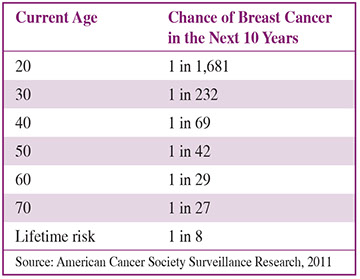
    *  Increase in age. The American Cancer Society has given these figures for women’s chances of getting breast cancer:

    *  Changes in BRCA1, BRCA2, and other cancer genes.

    *  Personal history of breast cancer.

    *  A mother or sister has or had breast cancer.

    *  One or more breast biopsies were done, especially if they showed certain changes in breast tissue.

    *  Dense breast tissue (shown on mammograms).

    *  Radiation therapy to the chest before age 30.

    *  Never giving birth or having a first full-term pregnancy after age 30. Never breast-fed a child.

    *  Menstruation started before age 12. Menopause occurred after age 55.

    *  Hormone therapy (estrogen plus progestin) after menopause and/or recent use of birth control pills may be factors.

    *  Being overweight or obese after menopause.

    *  Alcohol. The more consumed, the higher the risk.

    *  Race. Caucasian women have a slightly greater risk than African American, Asian, Hispanic, and Native American women.

    *  Eastern and Central European Jewish ancestry.

    *  Lack of physical activity throughout life.

    Ask your doctor about your risk for breast cancer. Contact the National Cancer Institute for The Breast Cancer Risk Assessment Tool. Accesswww.cancer.gov/bcrisktoolor call 800.4.CANCER (422.6237).

    Detection

    *  Breast exams by a doctor or nurse and mammograms. Have mammograms at facilities that are accredited by the American College of Radiology (ACR). Call The National Cancer Institute 800.4.CANCER (422.6237) to find ones in your area.

    *  Ultrasound exam.

    *  Magnetic resonance imaging (MRI).

    *  Noticing problems in your breasts.

    If you find a change in a breast or a lump, call your doctor. Additional tests can check for cancer. Most lumps that are found and tested are not cancer.

    Treatment

    Finding and treating the cancer early is vital. Treatment is based on the type, size, and location of the tumor. It also depends on the stage of the disease and individual factors you may have.

    One or More of These Treatment Methods are Used

    *  Surgery.

    *  Sentinal lymph node biopsy and surgery.

    *  Chemotherapy.

    *  Radiation therapy.

    *  Targeted therapy. This kills cancer cells but not normal cells.

    *  Hormone therapies.

    *  Stem cell or bone marrow transplant.

    *  Clinical trials.

    Questions to Ask

    Self-Care / Prevention

    For Cystic Breasts

    *  Get to and stay at a healthy body weight.

    *  Follow a low saturated fat diet. Eat soy foods.

    *  Do regular exercise. This can promote blood flow to your breasts.

    *  Limit or have no caffeine.

    *  Limit salt and sodium intake. This helps prevent fluid buildup in the breasts.

    *  Don’t smoke. Don’t use nicotine gum or patches.

    *  Take an over-the-counter pain reliever.

    *  Take vitamin E, as advised by your doctor.

    *  Wear a bra that provides good support. You may want to wear it while you sleep, too.

    For Breast Pain and/or Swelling without Lesions or Redness

    *  For pain due to trauma or surgery, apply cold packs for the first 48 hours. Do this every 2 to 4 hours for 10 to 15 minutes at a time. After 48 hours, apply heat, such as a hot water bottle. Do this 4 times a day for 10 to 15 minutes at a time.

    *  For pain not due to trauma or injury, apply warm heat. Use a heating pad set on low or a hot water bottle. Do this for 30 minutes. Then apply an ice pack for 10 minutes. Repeat as often as needed.

    *  Take vitamins, as advised by your doctor.

    *  Take an over-the-counter medicine for pain and swelling, as directed.

    To Reduce the Risk for Breast Cancer

    *  If you are at a high risk for breast cancer, ask  your doctor about taking prescribed medicine, such as raloxifene.

    *  Avoid X-rays that are not needed. Wear a lead  apron when you get dental and other X-rays not of the chest.

    *  Eat a variety of fruits and vegetables and whole-grain breads and cereals.

    *  Get to and stay at a healthy body weight.

    *  Do 30 or more minutes of moderate activity most days of the week. Daily is better.

    *  Limit alcohol intake to 1 drink per day, if any.

    *  Breast-feed your babies.

    Breast Self-Exam

    Breast observance is being aware of how your breasts normally look and feel and checking for changes. You can do this while you shower or get dressed. A breast self-exam (BSE) is a step-by-step method to examine your breasts. Beginning at age 20, ask your health care provider about the pros and cons of doing a BSE. If you choose to do a BSE, use the steps given on this page. At your next health exam, show your health care provider how you do a BSE.

    BSE Steps

    Examine your breasts during times of the month when they are not normally tender or swollen. For example, if you menstruate, the best time may be within 3 days after your period stops.

    1.  Lie down. Place a pillow under your right shoulder and put your right hand behind your head.

    2.  Move the pads of your left hand’s 3 middle fingers, held flat, in small, circular motions as you start to feel your right breast tissue.

    3.  Use this circular motion in an up and down pattern as you check the entire breast area. This includes the area from as high up as your collarbone to as low as the ribs below your breast; and from your right side (imagine a line straight down from under your arm) across the breast to the middle of your chest bone.

    Feel every part of the entire area you check with 3 different levels of pressure:

    *  Light – Feel the tissue closest to the skin.

    *  Medium – Feel a little deeper than the skin.

    *  Firm- Feel the tissue closest to your chest and ribs.

    4.  Squeeze the nipple gently. Check for a clear or bloody discharge.

    5.  Repeat steps 1 to 4 for the left breast using the finger pads of your right hand.

    6.  Stand in front of a mirror. Press your hands firmly on your hips. Look for:

    – Any changes in the size, shape, or contour of your breasts

    – Puckering, scaling, or redness of the skin

    – Nipple changes or discharge

    7.  Sit or stand. Raise your arm slightly. Examine each underarm area for lumps or changes.

    If you a find a lump or any change in the way your breasts normally look or feel, let your health care provider know right away. Most lumps that are found and tested are not cancer.

    Resources

    National Cancer Institute

    800.4.CANCER (422.6237)

    www.cancer.gov

    www.clinicaltrials.gov

    National Breast and Cervical Cancer Early Detection Program (NBCCEDP)

    800.CDC.INFO (232.4636)

    www.cdc.gov/cancer/nbccedp

    Women's Self-Care book by the American Institute for Preventive Medicine. www.HealthyLife.com. All rights reserved.

    © American Institute for Preventive Medicine
  • Right And Wrong Reasons For A Hysterectomy

    Women’s Health

    Image of female doctor with female patient.

    If you are told that you need a hysterectomy (surgical removal of the uterus), get a second opinion. Your medical insurance plan may even require it. Your condition may have other treatment options.

    Hysterectomies are still warranted for:

    *  Large fibroids.

    *  Severe hemorrhaging not controlled with medication. Irreversible damage from an untreated infection. Cancer of the cervix or uterus.

    Alternative treatments exist for heavy, painful periods, fibroid tumors, endometriosis, and a prolapsed uterus. If these conditions don’t respond to more conservative treatment, then a hysterectomy may be warranted. So if you’re told you need a hysterectomy:

    *  Ask about alternatives to surgery.

    *  Ask for specific details about the condition you’re being treated for and the expected outcome of surgery.

    *  Ask if your ovaries can be spared, to prevent shutting off the release of estrogen and, subsequently, premature menopause.

    *  Don’t hesitate to get a second opinion if you question the need for a hysterectomy.

    A Year of Health Hints book by the American Institute for Preventive Medicine. www.HealthyLife.com. All rights reserved.

    © American Institute for Preventive Medicine

  • Depression 2

    Women’s Health

    Close up of women's face as she leans on man chest for support.

    Depression is a state of sadness and despair. Like diabetes, depression is a real medical illness. A person with depression may seek help for other problems, such as insomnia or extreme fatigue.

    Signs & Symptoms

    *  Feeling sad, hopeless, helpless, and/or worthless.

    *  Fatigue. Loss of interest in life.

    *  Having a hard time concentrating or making decisions.

    *  Changes in eating and sleeping patterns.

    *  Feeling easily annoyed, angry, or anxious.

    *  Thoughts of suicide or death.

    The number of symptoms and how severe they are vary from person to person.

    Causes

    Most likely, depression is caused by a mix of: A family history of the illness; brain chemical problems; emotional issues; and other factors, such as a medical illness or alcohol abuse.

    Another cause is seasonal affective disorder (SAD). With this, depression occurs between late fall and early spring due to a lack of natural sunlight.

    In some persons, extreme stress, trauma, grief, etc. may bring on depression. In others, depression occurs even when life is going well.

    In general, depression is noted twice as often in women than in men in part due to hormonal changes women undergo:

    *  Premenstrually, during menopause, or when taking medicines with hormones.

    *  During and especially after childbirth or when a woman stops breastfeeding.

    *  After having a miscarriage.

    *  With health conditions that affect a woman’s hormones, such as some ovarian cysts, endometriosis, etc.

    Other life circumstances unique to women may increase risk of depression, such as cultural stressors and higher rates of sexual or physical abuse.

    Treatment

    Whatever the cause, depression can be treated. Treatment includes medication(s), counseling, and self-care measures. Exposure to bright lights similar to sunlight can treat depression caused by SAD.

    A doctor should be seen for diagnosis and treatment.

    Questions to Ask

    Self-Care / Prevention

    *  Take medications as prescribed. Get your doctor’s advice before you take over-the-counter herbs, like St. John’s Wort, especially if you take other medications.

    *  Don’t use illegal drugs. Limit alcohol. These can cause or worsen depression. Drugs and alcohol can also make medicines for depression less effective. Harmful side effects can happen when alcohol and/or drugs are mixed with medicine.

    *  Eat healthy foods. Eat at regular times. Don’t skip meals or binge on junk food. Limit caffeine and sugary foods.

    *  Try not to isolate yourself. Be with people you feel safe with even though you feel down.

    *  Do something you enjoy. Do things that let you express yourself. Write, paint, etc.

    *  Exercise regularly.

    *  Relax. Listen to soft music, take a warm bath or shower. Do relaxation exercises. Meditation can help you deal with depression.

    *  Keep an emergency number handy (e.g., crisis hotline, trusted friend’s number, etc.) in case you feel desperate.

    Resources

    Women's Self-Care book by the American Institute for Preventive Medicine. www.HealthyLife.com. All rights reserved.

    © American Institute for Preventive Medicine
  • Cervical Cancer

    Women’s Health

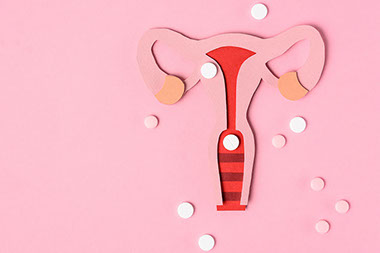
    Paper cut-out of cervix with white and pink pills.

    The cervix is the lower, narrow part of the uterus. Cancer of the cervix can occur at any age. It occurs most often in women who are over 30 years old. It is rare in women under the age of 20, but is also common in women in their 20s.

    Signs & Symptoms

    Screening tests, such as Pap tests and HPV (human papillomavirus) tests, are important because signs and symptoms are not often present in the early stages of the disease.

    Late Stage Symptoms

    *  Vaginal bleeding or spotting blood between menstrual periods or after menopause.

    *  Vaginal bleeding after sex, douching, or a pelvic exam.

    *  Vaginal bleeding that is not normal for you.

    *  Increased vaginal discharge.

    *  Pain in the pelvic area.

    *  Pain during sex.

    *  Blood in the urine.

    *  Signs of anemia (fatigue and dizziness).

    *  Poor appetite and weight loss.

    Causes, Risk Factors & Care

    The main risk factor is being infected with human papillomavirus (HPV). This is passed from one person to another during sex. There are many types of HPV. Certain high risk types cause most cervical cancers. Other types increase the risk for genital warts or other conditions that are not cancer. Not all women who are infected with HPV get cervical cancer and HPV is not present in all women who have cervical cancer either.

    The risk increases for persons who:

    *  Started having sex at an early age.

    *  Had or have sex with multiple sex partners. The more partners, the greater the risk.

    *  Had unprotected sex.

    *  Had or have sex with a partner who: has HPV, began having sex at a young age, and/or has or had many sexual partners.

    *  Not having routine Pap tests. These screen for abnormal cells that can turn into cancer. It can take several years for this to occur, but could happen in a short period of time, too. These changing cells can be treated so they don’t turn into cancer.

    *  Having a current or past sexually transmitted infection (STI), such as chlamydia. Having one kind of STI increases the risk of having another kind.

    *  Smoking.

    *  Long-term use of oral contraceptives.

    *  Being the daughter of a mother who took a drug known as DES during her pregnancy. (This drug was used from 1940 to 1970 to prevent miscarriages.)

    *  Taking drugs or having HIV/AIDS or any other condition that lowers the immune system.

    Prevention

    Two or three doses of HPV vaccine can help prevent the most common types of HPV that can cause cervical cancer and genital warts. The vaccines are advised for girls ages 11 to 12 years old, but can be given from age 9 years to age 26 years. Find out more about HPV vaccine fromcdc.gov/hpv.

    Treatment

    If found early, the cancer can be cured in most women. To find it early, have regular cervical cancer screenings. Get tested for human papillomavirus (HPV), chlamydia, and other sexually transmitted infections (STIs), as advised by your doctor.

    Treatment depends on what is found. The precancerous form of cervical cancer is called dysplasia. Mild cases of this can be monitored with more frequent Pap tests. Medical treatment can also be given. This includes laser therapy and removing part of the cervix. Surgery, radiation therapy, targeted therapy, immunotherapy, and/or chemotherapy also treat cervical cancer.

    If the cervical cancer has not spread and a woman wants to get pregnant in the future, just part of the cervix may be removed. If a woman does not want a future pregnancy, a hysterectomy may be chosen.

    Questions to Ask

    Self-Care / Prevention

    *  Have Pap tests and pelvic exams as often as your doctor advises.

    *  Use “Safer Sex” to help prevent HPV and other STIs.

    *  Get tested for HPV, as your doctor advises. Tell your partner(s) to get tested, too.

    *  Ask your doctor about getting the HPV vaccine.

    *  Don’t douche. If you do, don’t do this more than once a month.

    *  Don’t smoke or use tobacco. If you do, quit!

    If you have a low income, or do not have health insurance, you may be able to get a free or low-cost Pap test through the National Breast and Cervical Cancer Early Detection Program. To find out if you qualify, call 1-800-CDC-INFO (232-4636).

    Resources

    National Cancer Institute

    800.4.CANCER (422.6237)

    www.cancer.gov

    www.clinicaltrials.gov

    National Breast and Cervical Cancer Early Detection Program (NBCCEDP)

    www.cdc.gov/cancer/nbccedp

    National Cervical Cancer Coalition

    800.685.5531

    www.nccc-online.org

    Women's Self-Care book by the American Institute for Preventive Medicine. www.HealthyLife.com. All rights reserved.

    © American Institute for Preventive Medicine