Category: Fitness

  • Boomers Beware

    BE FIT

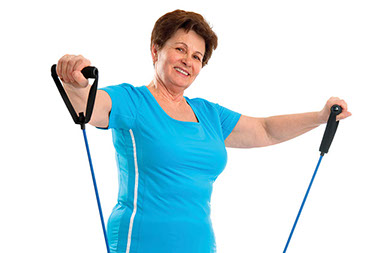
    Image of older women with exercise equipment.

    Boomers are now age 50 and older. And they are getting lots of injuries to backs, knees, hips, ligaments and tendons (the structures that attach muscles to bones).

    Regular exercise is critical for maintaining and improving bone and muscle strength. And yet if not done properly, exercise can result in pain and injury, sprains and strains. The American Academy of Orthopaedic Surgeons offers the following exercise safety advice for anyone older than 50:

    Warm up and stretch.Walking, bending, jumping jacks, and running in place before exercise gets and keeps the circulatory system moving and helps prevent injury. Stretching can be done before or after a workout.

    Exercise consistently.Don’t be a weekend warrior. Try to get at least 30 minutes of moderate physical activity every day.

    Take lessons.Consider taking lessons for the sport you love. Whether you’re new to a sport or have been taking part in it a long-time, proper form and instruction reduce the chance of an overuse injury like tendonitis or stress fractures.

    Wear the proper equipment.Select the proper gear and shoes for your sport.

    Listen to your body.As you age, you may find that you are not as flexible as you once were, or that you cannot tolerate the same types of activities. If so, modify your exercise routine to accommodate your body’s needs. For example, if you’ve been a daily runner for many years, consider replacing a day or two of that activity with swimming, biking, or another sport that puts less impact on your joints.

    Use the 10% rule.When changing your activity level, increase it in increments of no more than 10% per week. Slowly build up each week until you reach your higher goal. This will prevent overuse injuries that may keep you from exercising or enjoying your favorite sport for some time.

    Develop and maintain a balanced fitness program.Include cardiovascular exercise, strength training, and flexibility. A balanced exercise program will provide a total body workout. This keeps you from getting bored and lessens your chances for injury.

    Take a break.Hard workouts can take a toll on your body and thus require strategies aimed at recovery. Learn to take a day off or cut back your training to allow your body to adapt and recover. Gentle stretching, light aerobic exercises, and proper nutrition and hydration are all helpful to the recovery process.

    Consult your doctor.If you develop or have had a sports or orthopedic injury like tendonitis, arthritis, stress fracture, or low back pain, consult an orthopedic surgeon who can help design or modify your fitness routine to promote wellness and minimize the chance of injury.

    © American Institute for Preventive Medicine
  • Exercise May Keep Some Cancers Away

    BE FIT

    Low angle image of women running.

    A recent study from the National Cancer Institute and the American Cancer Society says the most active people have a lower risk of getting 13 different types of cancers. The study said the most active people saw the most benefit, but even moderate exercise (150 minutes per week) was still very helpful. Examples of moderate exercise are walking, swimming and running.

    According to the study, people who exercise regularly have a lower risk of:

    *  Colon cancer

    *  Breast cancer

    *  Endometrial (uterine) cancer

    *  Esophageal adenocarcinoma

    *  Liver cancer

    *  Cancer of the gastric cardia

    *  Kidney cancer

    *  Myeloid leukemia

    *  Myeloma

    *  Cancers of the head and neck, rectum and bladder

    © American Institute for Preventive Medicine

  • If You Have A Cold, Should You Exercise?

    BE FIT

    Image of women sick in bed.

    Yes and no. Moderate exercise (30 minutes a day, on most, if not all, days of the week) actually lowers your risk for respiratory infections, said David C. Nieman from the American College of Sports Medicine. But prolonged, intense exercise, on the other hand, can weaken your immune system and allow viruses to gain a foothold and spread. If you’re already sick with a respiratory infection (common cold or flu), approach exercise cautiously during your illness. To help you decide whether to hit the gym or stay in bed, Dr. Nieman says this:

    DOexercise moderately if your cold symptoms are confined to your head. If you’re dealing with a runny nose or sore throat, moderate exercise is okay. Intense exercise can be continued a few days after symptoms go away (in cases of the common cold).

    DON’tsweat out your illness. Exercise during an illness does NOT help cure it.

    DOstay in bed if your illness has spread beyond your head. Respiratory infections, fever, swollen glands, and extreme aches and pains all indicate that you should rest up, not work out.

    DON’tjump back in too soon. If you’re recovering from a more serious bout of cold or flu, gradually ease back into exercise after at least 2 weeks of rest.

    “In general, if your symptoms are from the neck up, go ahead and take a walk,” said Dr. Nieman. “But if you have a fever or general aches and pains, rest up and let your body get over the illness.”

    © American Institute for Preventive Medicine

  • Set A Resolution That Works For You

    BE FIT

    Image of young women jogging in the winter.

    “What’s your New Year’s resolution?” It’s a question many people hear – and ask – when Jan. 1 approaches. But, after a couple of weeks of hard work, life often interferes and that resolution gets forgotten.

    But what if you could stick with that resolution this year? Try these tips from the American Diabetes Association:

    *Be realistic.Rather than push yourself to do several major things, pick just one – such as walking.

    *Be specific.For instance, write down how often you will work out (5 days a week for 30 minutes) or that you will eat fruit instead of sweets. Schedule it in your calendar so other things are less likely to interfere.

    *Get back on track after setbacks.If you slip up, forgive yourself and start new tomorrow. Don’t abandon your healthy goals because of one mistake.

    Good health is a great goal to work towards – at New Year’s or any time of the year.

    © American Institute for Preventive Medicine

  • Walking Off The Midway Munchies

    BE FIT

    Image of couple walking at a state fair with cotton candy.

    How far will you need to walk to burn off the calories of some of your favorite state fair foods? University of Nebraska Extension has it all calculated:

    *  Corn dog, large: 4.5 miles

    *  Cotton candy: 1.5 miles

    *  Fried candy bar on a stick: 4.5 miles

    *  Funnel cake, 6-inch diameter: 3 miles

    *  Soft drink, 32 oz.: 2.5 miles

    *  Sno-cone: 2.5 miles

    *  Soft pretzel: 3 miles

    So wear comfortable shoes and plan to walk off what you eat. But be prudent. Choose a small soft drink or bring along bottled water. Save your calories for the splurges. Split a funnel cake among friends; share that fried candy bar so everyone gets a bite. Limit yourself to one treat.

    © American Institute for Preventive Medicine

  • Build A Strong Core

    BE FIT

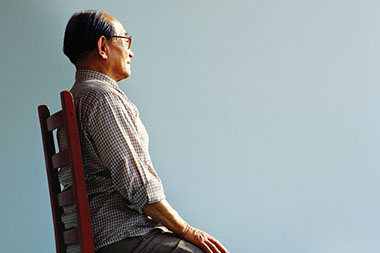
    Image of older man sitting on chair.

    “A strong core is key to good posture and for doing most day-to-day activities with ease, such as getting in or out of a car, walking up and down stairs, or reaching for a book from a shelf,” said Michelle Miller, an exercise physiologist at Indiana University. Weak core muscles can result in poor posture, increased susceptibility to back injuries, poor balance, lack of range of motion, and an altered walking stride.

    See how it feels to turn on your core muscles-in less than a minute.

    *  Sit on the edge of a firm chair with feet and legs at a 90-degree angle and place both hands on the front of your stomach area.

    *  Now, draw your bellybutton toward the center and pretend to lift at the same time to feel contracted and lengthened throughout the middle of the body-but not so much you hold your breath. Miller often tells clients to imagine putting on a tight jacket and then zipping it up. When doing this, the front and back of the body should contract at the same time.

    *  Finding the neutral position of the hips is important for proper posture. The hips should not be tipped forward or backward. Miller encourages you to “think of your pelvis as a bucket of water-tipping means spilling.”

    *  Now, for the shoulders and head. The head should not jut forward, nor the shoulders round in. Face straight ahead, chest high and sit tall.

    “If you can hold this position sitting, you can hold it when you walk, drive, do household chores or other leisure time activities,” Miller said.

    © American Institute for Preventive Medicine

  • Exercise On A Budget

    BE FIT

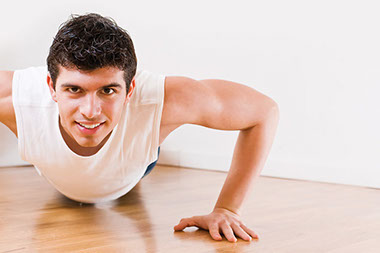
    Image of young man doing push-ups.

    Don’t let gym memberships, personal training fees, or the cost of the latest exercise gadget weigh you down. Exercise is about moving, stretching, lifting, bending, breathing – things you can easily do at home. Or simply walk – around the block, at a mall, or on a local school’s track.

    Get started

    Start with a few simple stretches to warm up your muscles. If you need help, go online for how-to instructions on everything from stretching to full routines. You can also find exercise tools to track your progress.

    No equipment necessary

    Do what you were taught in gym class – squats, push-ups, jumping jacks, and crunches. Lift your legs and arms, touch your toes, bend from side to side, jog in place, and twist. Just make sure you target all your major muscle groups at least once every week.

    No free weights? Try these substitutes

    *  Use cans instead of dumbbells to exercise biceps and triceps.

    *  A gallon jug filled with water, sand, or powdered detergent is just as effective as a kettle bell for squats and arm lifts.

    *  Put a paper plate under one foot and lunge forward. You can also attach plates to both feet with rubber bands to simulate skating. Or, get down on all fours, put the plates under your hands and slide them back and forth for a great chest workout.

    *  Pantyhose stretch just as well as resistance bands for rowing and stretching routines.

    *  A low, sturdy stool or a bottom stair can be used for a step exercise routine.

    © American Institute for Preventive Medicine

  • Improve Your Mood With Exercise

    BE FIT

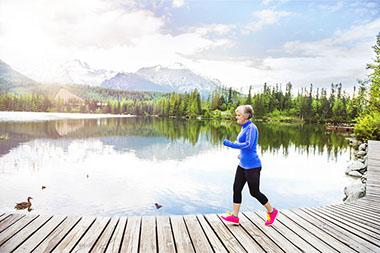
    Image of older women walking on bridge along a lake.

    You probably know that exercise has many health benefits. It can reduce your risk of heart disease, type 2 diabetes, and even cancer. But, did you know it can also help your mental health?

    Studies have shown that regular exercise such as walking can improve your mood, according to the American Psychological Association. And it doesn’t take long to feel the effects. Within just a few minutes of starting that walk, many people report more positive mental health. It has also been shown to improve mild to moderate depression.

    If that’s not enough, the APA also says exercise can help people who have anxiety. Regular exercise can help your body calm the “fight-or-flight” feelings that occur when someone gets anxious or overly stressed. And, it can help combat everyday stress by releasing chemicals called endorphins. These effects also help you sleep better, which can help you feel better mentally.

    With all the benefits of exercise, get moving!

    © American Institute for Preventive Medicine

  • Shin Splints Can Sidetrack Your Running Routine

    BE FIT

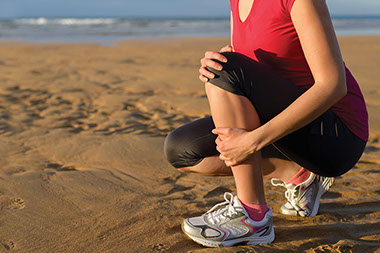
    Image of women holding her shin.

    If shin splints are keeping you from making the most of your runs this spring, you’re not alone. Shin splints-pain in the front of the lower legs-is common among those who exercise regularly. This ailment especially affects runners.

    According to Dr. Matthew Silvis, associate professor of family medicine and orthopedics at Penn State Hershey, shin splints are among the most common complaints in spring for people back on the road or trail after a long winter.

    The term shin splints generally refers to pain and soreness along the shinbone, or tibia, the largest bone of the lower leg. The pain comes from overuse of the muscles and tendons around the bone. Added or unusual stress on and around the shinbone causes it to become inflamed and sore.

    If you’re already dealing with shin splints, icing the area can help. So can taking an over-the-counter anti-inflammatory medicine if needed for pain. Wait to return to your activity until you’re pain-free for 2 weeks.

    The fix

    Give the body time to adjust when changing an exercise routine. Doing too much too soon can bring on shin splints. If untreated, a more serious injury-stress fracture-can result. Stress fractures-tiny cracks in the bone-usually come from overuse. To avoid this:

    *  Gradually increase the amount or intensity of a workout to avoid too much stress on the legs.

    *  Follow a regular, gentle stretching routine that includes the calves. Keeping the muscles around the shinbone flexible can help prevent  shin splints.

    *  Wear well-fitting, supportive athletic shoes. And replace them every 300 to 500 miles.

    *  Balance running workouts with other training that isn’t as stressful on the legs. Examples are cycling, cross-training, and swimming.

    © American Institute for Preventive Medicine
  • Wallet-Friendly Workouts

    BE FIT

    Image of bike in the field.

    Finances are one of the biggest reasons people don’t join a gym. A monthly gym membership fee can take a big bite out of a budget, but that doesn’t mean you should throw in the towel on exercise.

    You can get all of the benefits of exercise at little to no cost with these tips:

    *  Use home items as workout tools. Instead of buying weights, use canned goods or fill used gallon jugs with water or sand.

    *  Put gravity to work for you. Many resistance exercises use only your body weight and gravity to help you get stronger. Think push-ups, squats, crunches, leg lifts, and arm raises.

    *  Use the stairs in your home for a step training workout. Or, use a low, sturdy step stool. Play music while stepping.

    *  Borrow fitness DVDs from your library, or look for used ones at garage sales.

    *  Utilize community resources. Some fitness centers, senior centers, and community programs offer free or low-cost fitness classes. Local hotels or schools may have a minimal fee to swim in the pool at select times. Walk a local walking path or step through a scenic park for fresh air and fitness.

    *  Consider used items. Many people will sell their used bikes, weight machines, treadmills, and other equipment at a fraction of the cost of a new item. Stop by local yard sales or look for local “yard sale” groups on social media.

    *  Try just shoes and an app. If you already have a smart phone, there are many free or low-cost fitness apps available to keep you motivated. Lace up your walking shoes and start tracking your progress with the app to keep you motivated and on track. YouTube also offers a variety of workout programs that allow you to exercise at home.

    © American Institute for Preventive Medicine