Category: Healthy Eating

  • Clean Cut: Cutting Board Safety

    HEALTHY EATING

    Bird-eyes view, cutting vegetable on a cutting board.

    Cutting boards are useful for all types of slicing, dicing and chopping. They can save your countertops and make meal prep easier. But without careful cleaning, your cutting board could contaminate your foods and make you sick. Every surface your food touches needs to be clean, especially those that touch raw meat, poultry and seafood.

    When to clean your cutting board

    For a clean surface, remember to wash your board:

    *  Before using it for the first time.

    *  After it has held raw meat, poultry, seafood, eggs or flour.

    *  Before switching foods and moving on to the next step, even if it’s for the same meal.

    *  After you’re done using it.

    How to clean your cutting board

    *  Scrub your board thoroughly with hot, soapy water and a clean cloth or brush. Then rinse with hot water.

    *  If your board touched meat, fish or poultry, disinfect it after you wash it. You can do this by using a diluted bleach solution. Combine one tablespoon of bleach with one gallon of water. Pour the solution all over the board and let it sit for five minutes. Finally, rinse it well.

    *  Let it air dry or dry it with a clean towel if you need to dry it quickly.

    *  If it’s dishwasher safe, put your cutting board in the dishwasher. Be aware that some cutting boards may crack or split in the dishwasher, so follow the manufacturer’s directions.

    Other tips for clean cutting

    Buy two different boards. Use one board for meats and the other for ready-to-eat foods like fruits and breads. Get different colors so you can tell them apart.

    Replace your cutting board if it has a lot of wear, cuts or grooves. It can be hard to clean in the small grooves, which can be a hiding spot for germs.

    © American Institute for Preventive Medicine

  • Enjoy Thanksgiving Without Weight Gain

    HEALTHY EATING

    Family and friends sitting around the table having dinner.

    Most of us think of Thanksgiving as a huge meal where we enjoy our favorite foods. But you don’t have to feel guilty afterward. You can truly enjoy your holiday meal and hang on to your healthy habits.

    Don’t “save your appetite”

    Many people think that they should skip breakfast and lunch so they can be extra hungry for Thanksgiving dinner. This usually leads to extreme hunger and  overeating. In fact, you’ll probably eat much more than you would have done if you had eaten lunch!

    Instead of skipping meals, focus on eating very healthy meals early in the day to avoid feeling too hungry. This helps you make smart choices and control portion sizes when you show up for dinner.

    Enjoy every bite

    Start with smaller portions, and eat slowly while smelling and tasting each bite. We often overeat when we gobble food down quickly. We don’t truly enjoy it and experience how delicious it is. You can get just as much satisfaction and enjoyment from eating smaller portions.

    Small, slow and steady is key

    The appearance of food makes a difference in how much we eat. If you use a big plate, you may be more tempted to fill it up and eat more. It helps to start with a smaller plate.

    Put down your fork and wait a few minutes before getting second helpings. Give your stomach time to tell your brain that it’s full. You may find that you don’t need more food after all.

    Focus on colorful fruits and vegetables

    The fall harvest can be a great way to enjoy the season. Make your dish “to pass” a healthy plate of winter squash or baked apples (without added sugar). Or try roasted broccoli or cauliflower.

    If you’re hosting the meal, make sure you have lots of vegetables and fruits on the menu. For example, appetizers can be cut-up veggies, rather than chips.

    Don’t put healthy habits on “hold”

    The holidays are busy, but a 15-minute walk will help lower stress levels and burn a few calories. Keep exercise and healthy habits in mind, even if you decide to indulge in a few treats.

    Remember that one holiday slip-up doesn’t mean you have to give up your healthy eating or exercise plan! Get back on track tomorrow.

    Sources: Academy of Nutrition and Dietetics, American Heart Association

    © American Institute for Preventive Medicine

  • Kid-Friendly, Healthy Snacks

    HEALTHY EATING

    Kids hands cutting out star shaped watermelon.

    A simple way to encourage your kids to eat healthy is to have healthy foods on hand and easily available to them.

    *  Put fruits and vegetables within reach on the counter or in the refrigerator.

    *  Save cookies and sweets as occasional treats, not everyday snacks.

    *  Avoid buying chips, crackers and other high-calorie, high-sugar packed foods. Or buy less of them and keep them in a less convenient location. Out of sight, out of mind.

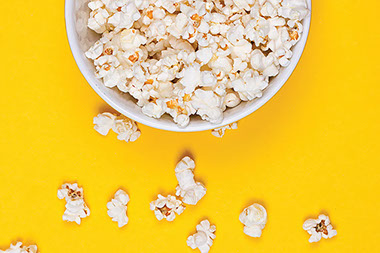
    *  Purchase easy but healthy “packaged” snacks like no sugar added fruit cups, raisin packs, cheese sticks, Greek yogurt and popcorn (choose “light” popcorn without too much added butter or salt).

    Popcorn treats

    Ingredients

    2 tablespoons soft margarine or butter (melted)

    5 cups popped popcorn

    3/4 cup raisins

    1 cup shredded wheat cereal (bite-size)

    1 tablespoon sugar  (brown or white)

    1 1/4 teaspoons cinnamon

    Directions

    1.  Pop popcorn. You can use microwave or stovetop, but choose one without added butter, sugar or salt.

    2.  Mix popped corn, raisins, and cereal in a large bowl.

    3.  Mix sugar and cinnamon in small dish.

    4.  Drizzle melted margarine or butter over mixture.

    5.  Add sugar and cinnamon mixture.

    6.  Shake or stir until all ingredients are evenly distributed.

    Nutrition per serving: Servings 4. Calories 265; Total Fat 10 g; Saturated Fat 2 g; Sodium 118 mg; Total Carbohydrate 46 g; Dietary Fiber 5 g; Protein 4 g

    Source: USDA ChooseMyPlate

    © American Institute for Preventive Medicine

  • Pick Healthy Proteins

    HEALTHY EATING

    Close up on dinner table with food and hands with silverware about to eat.

    Protein is a powerhouse. Proteins act as building blocks for bones, muscles, cartilage, skin and blood. Proteins also provide calories. It is important that you eat enough protein every day. But when you are choosing proteins to eat, it is important that those proteins come from heart-healthy sources.

    How Much You Need Each Day?

    The amount of protein you need varies, depending on your age, sex, height, weight and physical activity. Being pregnant may also affect how much you need. Visitmyplate.gov/myplate-planto find out how much you need.

    Talk to your doctor about what your daily recommended allowance of protein should be and take steps to meet that goal regularly.

    What Kinds of Proteins?

    Most people eat enough protein, but much of it comes from meat sources that are high in saturated fat. Choose lean meats and plant-based proteins to get your daily allowance and to maintain a healthy lifestyle. These include:

    *  Poultry

    *  Seafood

    *  Lentils

    *  Beans

    *  Nuts

    *  Soy

    *  Eggs

    *  Seeds

    These foods are also packed with nutrients, such as B vitamins (niacin, thiamin, riboflavin and B6), vitamin E, iron, zinc and magnesium.

    © American Institute for Preventive Medicine

  • Recipe: Salsa

    HEALTHY EATING

    A bowl of salsa.

    Ingredients

    1/2 cup corn (fresh cooked or frozen)

    1 can black beans (15 ounce, drained and rinsed)

    1 cup tomatoes (fresh, diced)

    1/2 cup onion (diced)

    1/2 cup green pepper (diced)

    2 tablespoons lime juice

    2 garlic cloves (finely chopped)

    1/2 cup Picante sauce

    Directions

    1.  Combine all ingredients in a large bowl. Chill until serving time.

    2.  Drain before serving.

    3.  Serve with low-fat baked tortilla chips or fresh vegetables.

    Nutrition Facts: 8 servings, Calories 95, Total fat 0g, Saturated fat 0g, Sodium 236mg, Total carbohydrates 19g, Fiber 6g, Protein 5g.

    Source: U.S. Department of Agriculture

    © American Institute for Preventive Medicine

  • Tv & Healthy Eating Don’T Mix

    HEALTHY EATING

    Family eating around the kitchen table.

    Your TV could be changing your eating habits – and not for the better. You may not realize that this common device can change what you put on your plate.

    How does TV change our eating habits?

    Two reasons TV and screens can interfere with a healthy diet:

    *  When we watch TV, we see commercials. Many commercials advertise unhealthy, processed or high-sugar foods. Kids and adults alike can be influenced by these commercials. They can make you crave or purchase foods you would not normally eat.

    *  When you watch TV or another screen while eating, you might not realize how much you’re eating. TV takes your mind off your food so you don’t taste, smell or experience it as much. It makes food less satisfying and you can lose track of how much you are eating.

    How to start better habits

    You can avoid getting into a “TV trap” with your eating habits. Here’s how:

    *  Don’t watch TV while eating. Agree as a family not to use electronic devices during meals or snacks.

    *  Keep healthy snacks handy. Replace chips and crackers with crunchy vegetables. Or if you crave sweets, try fresh fruit instead of cookies.

    *  Keep yourself busy while watching TV. Try using therapy dough or other sensory activities during TV time. This may help you get out of the habit of using your hands to reach for snack foods.

    *  Try to eat together as a family regularly.

    *  Minimize commercials. Watch shows on platforms that have no commercials. Or skip through commercials if you can.

    *  Learn about healthy foods as a family. Try growing a garden or visiting a farmer’s market. When you see an unhealthy food advertised on TV, talk about healthier options.

    *  Be a good role model. Show your kids that you can sit and enjoy meals and snacks without screens.

    © American Institute for Preventive Medicine

  • Corn On The Cob: A Summertime Staple

    HEALTHY EATING

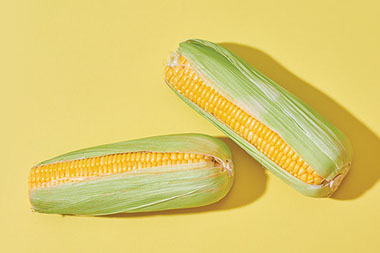
    Two corn on the cobs.

    Corn on the cob is a favorite food at summer barbecues and outings. Its popular flavor makes it a treat – but it has plenty of health benefits too.

    Basics of corn

    Corn isn’t a vegetable. It’s actually a type of grain. Whole grain corn contains vitamins and heathy plant compounds.

    Some of corn’s nutrients include:

    *  Soluble and insoluble fiber, which helps with digestion and preventing constipation

    *  B vitamins, including vitamin B5, folate, B6, and niacin, which help with energy and many body processes

    *  Potassium, which is important for heart health

    *  Antioxidants, including zeaxanthin and lutein, which may be linked to eye health

    Making corn the healthy way

    Corn is versatile and can be cooked in several different ways. Many people simply remove the husk and boil it until tender. But you can also grill it, bake it and microwave it.

    If you can’t find fresh corn on the cob, frozen corn (on the cob or removed) is a healthy option. Look for brands that do not add salt, sugar or other ingredients. Frozen corn is usually microwaved or steamed.

    If you use butter or margarine, measure it so you know how much you’re using. Start with 1/2 teaspoon and see if you can cover the entire ear of corn with that small amount. Try a salt-free seasoning blend or black pepper for a flavor kick without sodium.

    What about corn chips?

    If corn is healthy, then are foods with corn in them a healthy choice? Not necessarily.

    Corn is used in many processed foods like chips and crackers. These products won’t have the same health benefits as real corn on the cob.

    Many processed foods contain added salt, sugar and unhealthy fats. They may also remove many of corn’s natural nutrients. Some research shows that eating a lot of highly processed foods can lead to obesity and health problems.

    Sources: American Heart Association, United States Department of Agriculture

    © American Institute for Preventive Medicine
  • Enjoying Winter Squash

    HEALTHY EATING

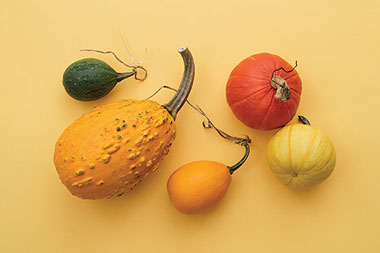
    Variety of winter squash.

    In the cooler months, winter squash is ripe and begins to appear at farmers’ markets and stores everywhere. These delicious vegetables come in a wide variety of colors, flavors, and textures. They provide a wealth of nutrients.

    Types of winter squash

    Compared to thin-skinned, tender summer squash, winter squash take longer to mature and develop thick skins that allow for longer storage. Each variety has a unique flavor. Try:

    *  Acorn

    *  Butternut

    *  Spaghetti

    *  Delicata

    *  Hubbard

    *  Pumpkin

    Health benefits

    *  High in fiber

    *  Excellent source of vitamins A and C

    *  Full of antioxidants and anti-inflammatory nutrients

    *  It may reduce the risk of heart disease, cancer, diabetes, and other chronic diseases.

    Preparing & cooking

    To bake:Cut squash in half and place both halves face down (or face up for some recipes) on a baking tray. Add a small amount of water to the tray and bake at 350º for 35-60 minutes.

    To boil or steam:Use a knife to carefully peel the outer skin. Cut squash in half and remove seeds. Cut into even cubes. Boil or steam for 7 to 10 minutes until desired softness is reached.

    © American Institute for Preventive Medicine
  • Low Carb: Healthy Or Just A Trend?

    HEALTHY EATING

    Image of avocado stuffed with eggs and bacon.

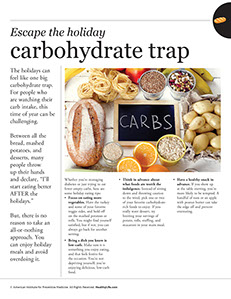
    Many of today’s popular diets focus on eating very few carbs, while consuming lots of fat and protein. The keto diet is one example, but other diets, such as Atkins, offer similar weight loss plans.

    These diets, like any diet plan, aren’t a magic bullet for weight loss. In fact, they haven’t been proven to work better than lower protein plans in long-term studies. If you do lose weight on the keto diet or a similar plan, you’ll probably have to keep eating that way to keep the weight off. And, this may not be best for your long-term health.

    Protein isn’t perfect

    Some diets have people believing that eating more protein is the answer to weight problems. But there’s more to the story.

    The type of protein you choose can have an impact on your health. High intake of meat isn’t healthy, according to the American Heart Association. In fact, people who eat higher amounts of animal protein may be more likely to develop heart disease.

    Plant-based proteins, however, may be a better choice. Foods like beans, legumes, soy, nuts and seeds offer protein and other nutrients. In fact, eating a mostly plant-based diet may slash your risk of heart disease by nearly half.

    Ketosis confusion

    When you severely limit your carbs, your body starts burning fat instead. When this happens, the liver makes a product called ketones.

    A small number of ketones are okay in people who don’t have diabetes or other health issues. But sometimes, ketones can build up in the blood and high levels are dangerous. In severe cases, the ketones can get so high that they cause a coma or death. This is known as ketoacidosis.

    People with diabetes may be more likely to get ketoacidosis with uncontrolled blood sugar. But, anyone who eats an extremely low carb diet could get ketoacidosis, though it’s not very common.

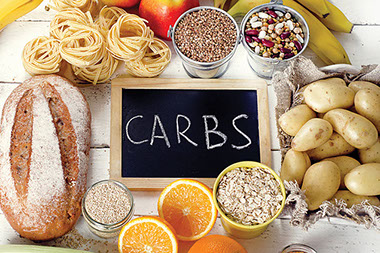
    Healthy carb choices

    Don’t rule out carbs as a healthy choice. Foods like sweet potatoes, fruit, whole grains and beans offer many vitamins, minerals and fiber – along with some healthy carbs. These foods also contain antioxidants, which can help fight cancer.

    The bottom line:When you focus on almost all protein and fat, you’re missing out on a lot of nutrient-rich foods found in healthy carbs. While probably not harmful in the short-term, be sure to discuss whether you should follow a keto diet for longer periods with your doctor.

    © American Institute for Preventive Medicine
  • Plant-Forward Eating

    HEALTHY EATING

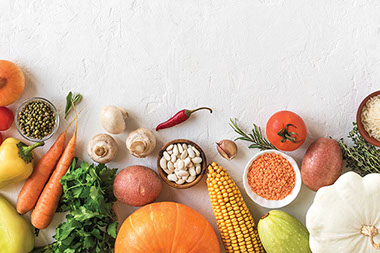
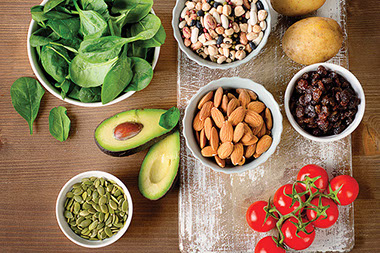
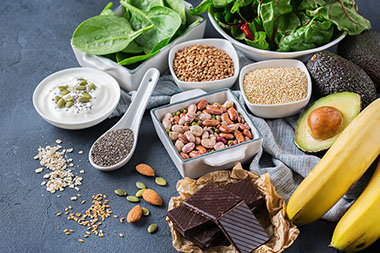
    Variety of plant based foods.

    A plant-forward style of eating is one that features plant foods as the star of most meals. Animal foods such as meat and dairy may be included but are not the main focus. There are many ways to be plant-forward and improve the health of your diet.

    How it works

    Plant-forward eating is less of a diet prescription and more of a healthy food mindset.

    Each meal begins with the question: “what plants can I add to my plate?” Animal products should be a secondary consideration and eaten in small amounts.

    A plant-forward diet focuses on:

    *  Whole grains such as brown rice, quinoa, amaranth, bulger, whole wheat, millet, and oatmeal

    *  Plant proteins such as nuts, nut butter, seeds, soy, beans, peas, and lentils

    *  A variety of vegetables of every color

    *  Whole fruits

    *  Quality plant fats such as olive oil, avocados, canola oil, and nuts

    Benefits

    Plant-forward eating has many benefits to physical health. Diets high in plant foods are linked to improved health and a lower risk of disease. Eating less meat reduces your risk of:

    *  Obesity

    *  Heart disease

    *  Stroke

    *  Type 2 diabetes

    *  High blood pressure

    *  High blood lipids

    *  Certain cancers

    In addition, a plant-focused diet benefits the environment. Fewer animal products may translate to lower greenhouse gas emissions and more responsible land, energy, and water usage.

    Getting started

    Gradual change over time is the best way to create healthy habits. It also helps to get family members on board with “plant forward.” Here’s how to get started:

    *  Take it one meal at a time. Start with just breakfast or lunch being meat-free.

    *  Find a few simple, meatless recipes to try. Look for those big on flavor.

    *  Add more of the plant foods you already love to your plate and shopping cart. Gradually branch out for more variety.

    *  Swap out the meat in a recipe for a plant protein like beans or tofu.

    *  Aim to make three-fourths of your plate plant foods.

    *  Reduce your meat portions by half.

    © American Institute for Preventive Medicine