Category: Healthy Eating

  • ‘Healthy’ Foods That Aren’t So Healthy

    HEALTHY EATING

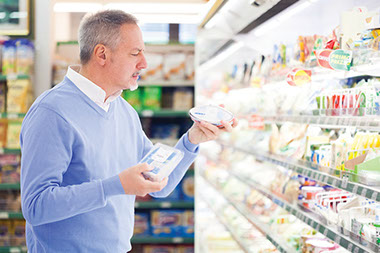
    Image of older man grocery shopping.

    Walking down the aisles at the store can feel like you’re in the middle of a commercial. Words like “low-fat,” “reduced calorie,” and “made with real fruit” appear on food packages, making them sound healthy. But how do you know if these foods are really good for you?

    No matter what claims are on the package, you can find out if a food is a good choice by looking at the nutrition facts panel. It may take some detective work, but there are ways to find out which foods you should put in your cart – and which ones are better left on the shelf.

    Count your sugar grams.

    Many processed foods contain lots of added sugar. This includes “healthy” foods, such as granola and dried fruit. Check out how many grams of sugar are included per serving size. The American Heart Association says women should not exceed 25 grams of sugar per day, and men should not exceed 37.5 grams.

    If the food contains 13 grams of sugar per serving, for instance, that’s about half of a woman’s daily sugar intake. Some yogurts, even ones labeled as “healthy” and “low-fat,” can have up to 12 grams of sugar in one serving.

    Look at the type of fat.

    Certain types of fat are good for you in moderate amounts. Monounsaturated and polyunsaturated fats can help lower cholesterol levels. These are found in vegetable oils, such as canola and olive, as well as avocados, nuts and fish.

    Many processed foods contain trans fats, which should be avoided whenever possible. Saturated fats, found in dairy, meat, and some processed foods, should be limited. The AHA says this type of fat should not exceed 5 to 6 percent of your total calories. Example: A person who eats 2,000 calories a day should not eat more than 13 grams of saturated fat. A person who eats 1,500 calories a day should not exceed 10g.

    Compare fiber content.

    When shopping for grains, such as bread, pay attention to the amount of fiber they contain. Processed, white breads often contain little to no fiber. Whole grain breads, by contrast, are often higher in nutrients and contain 2 to 5 grams of fiber per serving.

    Fiber is also found in fruits, vegetables, nuts and legumes, such as beans. Women should aim for 25 total grams per day, and men 38 grams.

    © American Institute for Preventive Medicine
  • Keep Clean And Carry On

    HEALTHY EATING

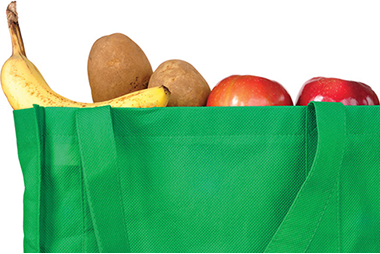
    Image of green re-usable bag with fruit.

    Reusable grocery totes are popular. They’re an eco-friendly choice to carry groceries. But only 15% of Americans regularly wash their tote bags, thus creating a breeding zone for harmful bacteria, according to a survey by the Home Food Safety program. For example, juices from raw meat or germs from unclean objects can come in contact with bread or produce. And each year 48 million Americans get food poisoning from food-borne germs.

    You can prevent getting sick, says the Academy of Nutrition and Dietetics:

    *  Wash your grocery tote often, either in the washing machine or by hand with hot, soapy water. Turn it inside out.

    *  Clean all areas where you place your totes, such as the kitchen counter or kitchen table.

    *  Store totes in a clean, dry location. Avoid leaving empty totes in the trunk of your car.

    *  Wrap meat, poultry, and fish in plastic bags at the grocery store before putting them in your tote. Use one tote for raw meats, poultry and seafoods. Use a different one for ready-to-eat foods.

    © American Institute for Preventive Medicine

  • Perfect Pumpkin Pancakes

    HEALTHY EATING

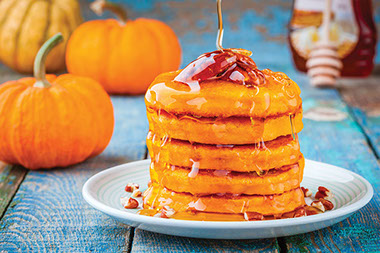
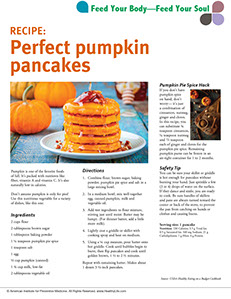
    Image of a stack of pumpkin pancakes.

    Pumpkin is one of the favorite foods of fall. It’s packed with nutrients like fiber, vitamin A and vitamin C. It’s also naturally low in calories.

    Don’t assume pumpkin is only for pies! Use this nutritious vegetable for a variety of dishes, like this one.

    Ingredients

    2 cups flour

    2 tablespoons brown sugar

    1 tablespoon baking powder

    1 ¼ teaspoon pumpkin pie spice

    1 teaspoon salt

    1 egg

    ½ cup pumpkin (canned)

    1 ¾ cup milk, low-fat

    2 tablespoons vegetable oil

    Directions

    1.  Combine flour, brown sugar, baking powder, pumpkin pie spice and salt in a large mixing bowl.

    2.  In a medium bowl, mix well together egg, canned pumpkin, milk and vegetable oil.

    3.  Add wet ingredients to flour mixture, stirring just until moist. Batter may be lumpy. (For thinner batter, add a little more milk).

    4.  Lightly coat a griddle or skillet with cooking spray and heat on medium.

    5.  Using a ¼ cup measure, pour batter onto hot griddle. Cook until bubbles begin to burst, then flip pancakes and cook until golden brown, 1 ½ to 2 ½ minutes.

    Repeat with remaining batter. Makes about 1 dozen 3 ½-inch pancakes.

    Pumpkin Pie Spice Hack

    If you don’t have pumpkin spice on hand, don’t worry- it’s just a combination of cinnamon, nutmeg, ginger and cloves. In this recipe, you can substitute ¾ teaspoon cinnamon, ¼ teaspoon nutmeg and 1/8 teaspoon each of ginger and cloves for the pumpkin pie spice. Remaining pumpkin puree can be frozen in an air-tight container for 1 to 2 months.

    Safety Tip

    You can be sure your skillet or griddle is hot enough for pancakes without burning your hand. Just sprinkle a few (3 or 4) drops of water on the surface. If they dance and sizzle, you are ready to cook. Be sure handles of skillets and pans are always turned toward the center or back of the stove, to prevent the pan from catching on hands or clothes and causing burns.

    Serving size: 1 pancake

    Nutrition:130 Calories; 3.5 g Total fat; 0.5 g Saturated fat; 340 mg Sodium; 21 g Carbohydrates; 1 g Fiber; 4 g Protein

    Source: USDA Healthy Eating on a Budget Cookbook

    © American Institute for Preventive Medicine
  • Sugar: Not So Sweet For Your Health

    HEALTHY EATING

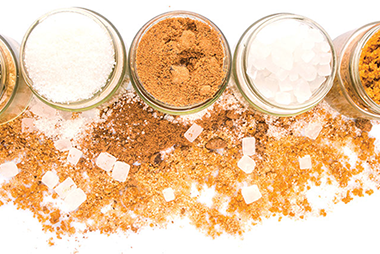
    Image of different types of sugars.

    Cookies, cake, and candy – we all know which foods are high in sugar. Or do we?

    The average American is consuming too much sugar today, and the American Heart Association says this is hurting us. Sugar is loaded with calories, which can cause weight gain and heart problems. A high-sugar diet can also be a factor in diabetes. Sugar can cause cavities and other dental problems.

    You might be surprised to find that many regular or even “healthy” foods have a lot of sugar in them. That’s why the FDA is proposing a change to the food Nutrition Facts label that would list “added sugar.”

    What is added sugar?

    Some healthy foods contain a certain amount of natural sugar. These include fruits, vegetables, dairy, and whole grains. The sugar (simple carbohydrate) naturally occurs in the food.

    On the other hand, many packaged and processed foods contain “added sugar.” This sugar has been added to improve the taste. Many things you wouldn’t suspect, like “diet” foods, soup, yogurt, crackers, and salad dressings can contain a lot of added sugar.

    How do I spot added sugar?

    Sugar can be listed by many different names in the ingredients. So, it’s hard to know how much added sugar you’re getting. Until the nutrition label change takes place, the best thing to do is look at the sugar listing on the Nutrition Facts. Keep track of how many grams are in each serving of food and add them up each day. The AHA recommends:

    *  No more than six teaspoons (25 grams) for women per day

    *  No more than nine teaspoons (37.5 grams) for men per day

    If you eat processed or packaged foods or drinks, look at the Nutrition Facts and see how much sugar each one contains. You may be surprised at how many grams of sugar you consume, even if you’ve been watching your diet. And drinks count too – fruit juice, sports drinks, and sodas are usually loaded with sugar. In fact, a 12- ounce serving of soda contains about 38 grams (nine to 10 teaspoons) of sugar.

    Many food labels don’t list the word “sugar” in the ingredients. In fact, there are more than 50 different names for sugar! These include sucrose, dextrose, maltose, corn syrup, corn syrup solids, dextrin and maltodextrin.

    © American Institute for Preventive Medicine
  • Vegetarian Spaghetti Sauce

    HEALTHY EATING

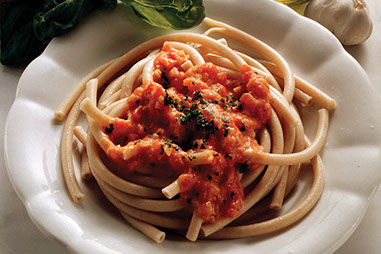
    Image of spaghetti with vegetarian sauce.

    Ingredients:

    2 Tbsp olive oil

    2 small onions, chopped

    3 cloves garlic, chopped

    1-1/4 cups zucchini, sliced

    1 Tbsp oregano, dried

    1 Tbsp basil, dried

    1 8 oz can tomato sauce

    1 6 oz can tomato paste*

    2 medium tomatoes, chopped

    1 cup water

    Directions

    1. In a medium skillet, heat oil. Sauté onions, garlic, and zucchini in oil for 5 minutes on medium heat.

    2. Add remaining ingredients and simmer covered for 45 minutes. Serve over spaghetti.

    Makes 6 servings; 3/4 cup each. Per Serving: 105 calories, 5 g fat, 0 mg cholesterol, 479 mg sodium*, 15 g carbohydrate, 4 g fiber, 3 g protein. *To reduce sodium, use a 6-oz can of low-sodium tomato paste. New sodium content for each serving is 253 mg.

    Source: National Heart, Lung, and Blood Institute, YOUR GUIDE TO Lowering Your Blood Pressure With DASH – Recipes for Heart Health

    © American Institute for Preventive Medicine
  • Yes, You Can Eat Chocolate

    HEALTHY EATING

    Image of chocolate pieces stacked on top of each other.

    Although actual health benefits of eating chocolate are still being studied, the NIH News in Health reports that you can eat some types of chocolate in moderation:

    *  Eat as dark a chocolate as you can. Darker chocolate may help lower blood pressure.

    *  Choose dark chocolate instead of less healthy treats such as ice cream or candy.

    *  Avoid white and milk chocolates. Also avoid filled chocolate, such as truffles.

    *  Make hot chocolate with unsweetened cocoa, water, or nonfat milk, and a little added sugar.

    *  Watch your total calories because chocolate has a lot of them.

    © American Institute for Preventive Medicine

  • Beans, Peas May Help You Slim Down

    HEALTHY EATING

    Image of different types of peas.

    Have you ever eaten “pulses”? There’s a good chance you have – and you may want to start eating more of them.

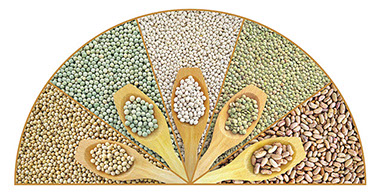
    Pulses are the edible seeds of legumes. They include kidney beans, lima beans, butter beans, chick peas, black-eyed peas and lentils – available canned or dried.

    Nutritionists already praise pulses as an excellent source of fiber, protein and vitamins. But a recent study published in The American Journal of Clinical Nutrition says that adults who added pulses to their daily diet lost more weight than those who didn’t eat them. And, there was no other special effort involved. The feeling of fullness can help people eat less and consume fewer calories without feeling hungry.

    Pulses have other benefits too. They may help lower blood levels of LDL (bad) cholesterol. They also have a low glycemic index. Glycemic index measures how foods that contain carbohydrates raise blood sugar. Foods with a high glycemic index raise your blood sugar more than foods with a low glycemic index.

    © American Institute for Preventive Medicine
  • Drink To Your Health With Kefir

    HEALTHY EATING

    Image of kefir.

    One of the newer additions to the dairy section, kefir is a type of fermented milk product similar to yogurt. Its consistency is generally thin, so it’s usually sold in bottles as a drink. But what makes it different from yogurt, besides the ability to skip the spoon?

    Like yogurt, kefir is usually made from dairy milk that is fermented with helpful bacteria (though it can be made with non-dairy milks as well). These bacteria, known as probiotics, may have a number of health benefits, according to the National Center for Complementary and Integrative Health. Probiotics may be helpful in treating the following issues:

    *  Diarrhea, constipation, irritable bowel syndrome and other bowel disorders

    *  Digestive problems, such as acid reflux

    *  The common cold

    *  Seasonal allergies and eczema

    *  Cavities and gum disease

    *  Colic in babies

    *  Liver disease

    Kefir may also help prevent stomach side effects and complications that arise from taking antibiotics.

    Kefir contains many different strains of probiotics and generally has a bigger variety than store-bought yogurts. It also contains beneficial yeast–an ingredient not found in yogurt. This friendly yeast may help fight off bad yeast in the body, such as those that cause yeast infections.

    Many people who are lactose intolerant can still drink dairy kefir. The lactic acid bacteria found in kefir breaks down the lactose, making it easier to digest. People with dairy allergies, however, should only consume a dairy-free version.

    How to get it:

    Kefir can be made at home with plain milk and kefir starter grains, which are usually found at health food stores. Though plain is healthiest, many people find they need to sweeten it to offset the tart taste. Try mixing it in smoothies with fresh or frozen fruit.

    Many grocery stores carry kefir in the dairy section near the yogurt. Though kefir is healthy, look at the label before purchasing. Some brands and flavors may contain too much sugar or artificial sweeteners.

    © American Institute for Preventive Medicine

  • Eat Up To Boost Immunity

    HEALTHY EATING

    Image of man wearing superhero cape and t-shirt while drinking out of a cup.

    The cold and flu season can take its toll on even the healthiest person. With people coughing and sneezing seemingly everywhere, it can be hard to avoid the many illnesses that make their rounds this time of year.

    The good news is, there are some foods that may help you stave off colds and flu. These foods can boost the immune system, helping it fight off bad viruses that could make you sick. A healthy diet is a key part of a healthy immune system.

    Perhaps these foods don’t have superhero powers, but they act like protectors and guardians for our health. For a super-charged immune system, eat foods that contain these nutrients:

    Vitamin A

    This vitamin regulates the immune system. It keeps skin and tissues in the mouth and stomach healthy, which helps keep out unwanted invaders. Good sources of this vitamin include sweet potatoes, carrots, apricots, red bell peppers, spinach, kale and eggs.

    Vitamin C

    Perhaps the most famous of the immunity vitamins, vitamin C is well known for a reason. It tells your immune system to make antibodies to fight off infections. Citrus fruits like oranges and grapefruit are great sources, as well as red bell peppers, strawberries, broccoli and tomato juice.

    NOTE:grapefruit can interact with medicines. If you take any medicines, ask your doctor before eating grapefruit or drinking grapefruit juice.

    Vitamin E

    This vitamin fights off free radicals, which cause damage to the body’s cells and may harm the immune system. Vitamin E is found in wheat germ, sunflower seeds, hazelnuts, almonds, avocado, peanuts, red bell peppers and eggs.

    Zinc

    This mineral is found in many cold remedies and “immune boosting” vitamins. But, getting it from whole foods is usually better than taking a pill. Find immune-boosting zinc in lean meat, poultry and seafood, as well as cooked beans and lentils, cashews, pumpkin seeds, cottage cheese and fortified breakfast cereals.

    A well-rounded diet is very important to overall health. But, don’t rely on foods alone to keep you healthy this cold and flu season. Eat right, get exercise, get plenty of sleep and wash hands frequently for a healthier winter – and a healthier life. Finally, if you do get sick, these same healthy habits will help you feel better sooner.

    Sources: Academy of Nutrition and Dietetics, Food and Drug Administration

    © American Institute for Preventive Medicine

  • ”Healthy” Foods That Don’t Help With Weight Loss

    HEALTHY EATING

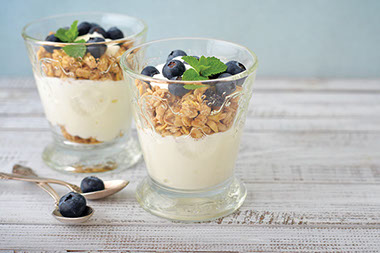
    Image of yogurt with granola and berries.

    Weight loss can be a difficult task. What works well for one person may not work for another. In addition, so many foods on store shelves claim they are “natural,” “reduced calorie”  or “light.” Does this mean you should eat them when you’re trying to lose some weight?

    Weight-loss or “diet” claims on food aren’t always a sign that you should eat them when you’re hoping to slim down. Some of these foods can be filled with unhealthy additives, sugar or salt. Beware of these “healthy” foods during your next trip to the store:

    Low-calorie or light breads

    While some lower calorie breads are nutritious, others are not. Some diet breads contain little to no fiber. Because fiber makes you feel full, these diet breads may make you feel hungry soon after eating them. Before buying any “light” or diet breads, check the nutrition label for fiber content. You may be better off eating a “whole grain” type of bread that contains more nutrition and fills you up.

    Light yogurt

    Yogurt can be a healthy choice, filled with calcium, friendly bacterial cultures and protein. But, many “light” yogurts have low protein and contain additives such as artificial sweeteners, leaving you feeling hungry again before your next meal. For a healthy yogurt, look for one that contains little to no added sugar or sweeteners, and at least 10 grams of protein. Many Greek varieties contain a good amount of protein. Sweeten your yogurt with fresh or frozen fruit.

    Light salad dressings

    Many salad dressings cut out extra fat from oils, replacing it with sugar, salt and flavorings. But, the healthy fats found in vegetable oils like olive oil don’t have to be avoided completely. In fact, small amounts can help you feel full and are heart-healthy. Add a splash of olive oil and your favorite vinegar to salad for a healthy dressing without unhealthy ingredients. The key is to limit the amount of oil to 1-2 teaspoons at a time.

    Granola

    This food seems so healthy, packed with whole grain oats, raisins and nuts. But, many granola cereals and snacks contain loads of sugar, making it easy to eat a few hundred calories in one portion. If you enjoy granola, measure out your serving size to see how much you are really eating. And, look for varieties with little to no added sugars and salt.

    Sources: Academy of Nutrition and Dietetics, Department of Health and Human Services, National Institute on Aging

    © American Institute for Preventive Medicine