Category: Healthy Eating

  • Make Your Own Smoothie

    HEALTHY EATING

    Image of 3 different smoothies.

    Don’t settle for a restaurant smoothie that likely has loads of added sugar and very little nutrition. Instead, use this formula to make your own smoothies at home. All you need is a blender or juicer and the fresh ingredients you enjoy. Have fun with it and try different ingredients each time until you discover your favorite recipe.

    Illustration on how to make your own smoothie.

    © American Institute for Preventive Medicine

  • Protein – Find The Right Balance

    HEALTHY EATING

    Image of different protein sources.

    Protein is an essential part of any diet. Your body needs it to build tissues and cells.

    Some sources of protein are not as healthy as others. Animal sources, such as beef, pork and eggs, may contain saturated fat and/or cholesterol. The American Heart Association says saturated fats should make up less than 7 percent of your total daily calories. This means you should eat 16 grams or less of saturated fats if you eat 2,000 calories per day. Animal proteins also contain no fiber, and most Americans fall short of the recommended 25 to 35 grams of fiber needed per day.

    On the other hand, plant, nut and seed proteins often have little to no saturated fat and cholesterol and usually contain fiber and valuable nutrients. Check out this “Vegan Sources of Protein” diagram for a list of good non-animal protein sources. Try replacing some of your animal proteins with these vegan-friendly sources.

    Illustration of vegan sources of protein.

    © American Institute for Preventive Medicine

  • Sweet Potato Custard

    HEALTHY EATING

    Image of sweet potato custard.

    Ingredients

    1 cup sweet potato, cooked, mashed

    1/2 cup banana (about 2 small), mashed

    1 cup evaporated skim milk

    2 tablespoons packed brown sugar

    2 egg yolks (or 1/3 cup egg substitute*), beaten

    1/2 teaspoon salt

    1/4 cup raisins

    1 tablespoon sugar

    1 teaspoon ground cinnamon

    As needed, nonstick cooking spray

    Directions

    1. In medium bowl, stir sweet potato and banana. Add milk, blending well.

    2. Add brown sugar, egg yolks, and salt, mixing thoroughly.

    3. Spray 1-quart casserole with nonstick cooking spray. Transfer sweet potato mixture to casserole dish.

    4. Combine raisins, sugar, and cinnamon. Sprinkle over top of sweet potato mixture.

    5. Bake in preheated 325º F oven for 40-45 minutes, or until knife inserted near center comes out clean.

    Makes 6 (1/2 cup) servings. Per serving: 160 calories, 2 g total fat, 1 g saturated fat, 32 g carbohydrate, 5 g protein, 2 g dietary fiber, 255 mg sodium

    *If using egg substitute, cholesterol will be lower.

    Source: NIH The Heart Truth Publication

    © American Institute for Preventive Medicine

  • Vietnamese Fresh Spring Rolls

    HEALTHY EATING

    Image of Vietnamese spring rolls.

    Ingredients

    1 cup carrots, cut into long, thin strips

    2 cups bean sprouts

    2 cups cucumber, seeded and cut into long, thin strips

    1 cup minced scallions/green onions

    1/2 cup chopped fresh cilantro

    1/4 cup chopped fresh mint

    8 rice paper wrappers (ask at your supermarket)

    Directions

    Toss first 6 ingredients in a large bowl. Soak one rice paper wrapper in warm water until soft (1 to 2 minutes). Shake off excess water. Place vegetable filling off-center on rice paper and fold like an egg roll (tuck sides to keep filling inside). Repeat with remaining vegetable filling and wrappers. Serve immediately.

    Makes 8 servings. Per serving (1 roll): 70 calories, 1 g fat, 28 mg sodium, 2 g fiber, 3 g protein, 16 g carbohydrates

    From the NIH Your Health Is Golden! Heart Health Promotion Activities for Vietnamese Communities

    © American Institute for Preventive Medicine

  • 3 Steps To Cleaner Eating

    HEALTHY EATING

    A bowl of falafel with hummus, green peas, carrots, and purple cabbage.

    Eating well is one of the most important things you can do for your body. A well balanced diet contributes to overall health and protection from disease.

    Making micro or small changes to your diet eventually add up to better health. If you’re ready to clean up your food choices, here are three easy habits that can help.

    1. Focus on plants

    Instead of worrying about all the foods you shouldn’t be eating, focus on what you can include. Plant foods provide the best nutrition and should make up a majority of your diet.

    A good first step to cleaning up your diet is to add more plant foods to each meal and snack. These include:

    *  Fruits

    *  Vegetables

    *  Beans

    *  Nuts and seeds

    *  Whole grains

    *  Healthy oils like olive, sunflower, and avocado oil

    2. Have a salad or smoothie

    Choose a healthy salad or smoothie to make up the bulk of one meal each day. This is a simple way to increase your plant food intake while controlling calories and portion size.

    Make your daily smoothie or salad fiber-packed to promote fullness and digestive health. In addition to adding plenty of fruits and vegetables, consider including nuts, chia, hemp, or flax seeds for an extra boost of nutrients and fiber.

    3. Snack on whole foods

    Feeling deprived and hungry will quickly result in giving up on your healthy new eating habits. Clean eating is delicious and should make you feel good!

    So, keep tasty whole food snacks on hand to keep you satisfied all day long. Here are some ideas:

    *  Sliced apple with peanut butter

    *  Hardboiled egg and a piece of fruit

    *  Sliced vegetables and a piece of cheese

    *  Hummus with cucumbers

    *  Mixed nuts and a piece of fruit

    © American Institute for Preventive Medicine

  • 10 Ways To Avoid Holiday Weight Gain

    HEALTHY EATING

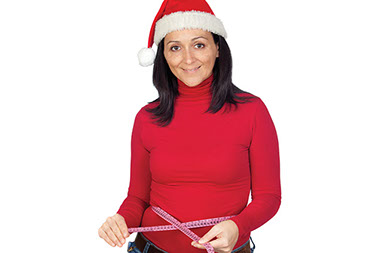
    Image of women wearing a santa hat while taking her waist measurement.

    It can be especially hard to avoid extra pounds when there’s holiday food everywhere you turn. Stick to the basics of healthy eating so you can make it to the new year without regrets.

    1.Drink more water:Drinking water before you eat may help you feel fuller and eat less.

    2.Skip the soda, hot cocoa and high-sugar coffee drinks:Replacing sugary drinks with water can help you lose weight.

    3.Get exercise:Even just a few minutes a day has health benefits and can help you burn calories.

    4.Eat fruits and vegetables:These foods are generally packed with nutrition and low in calories.

    5.Get enough sleep:Lack of sleep can cause more cravings for unhealthy foods.

    6.Listen to your body:Stop eating when you start to feel full, not when you’re stuffed.

    7.Start with small portions:Start with smaller amounts of food on your plate, and wait to see if you need more later.

    8.Keep a food diary:This helps you get a clear picture of what you’ve eaten.

    9.Don’t eat and watch TV:This can lead to mindless eating and consuming too many calories.

    10.Build muscle:Muscles help your body burn more calories, even when resting.

    © American Institute for Preventive Medicine

  • Butternut Squash With Black Beans

    HEALTHY EATING

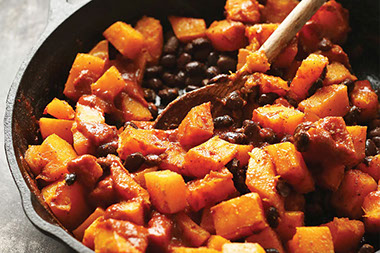
    Image of buttermilk squash with black beans.

    Ingredients

    2-3/4cups butternut squash, cubed

    1 teaspoon vegetable oil

    1 onion (small, chopped)

    1/4 teaspoon garlic powder

    1/4 cup red wine vinegar

    1/4 cup water

    2 cans black beans (16 ounces each, rinsed and drained)

    1/2 teaspoon oregano

    Directions

    1. Heat the squash in the microwave on high heat for 1-2 minutes. This will soften the skin.

    2. Carefully peel the squash with a vegetable peeler or small knife. Cut the squash into 1/2 inch cubes.

    3. Peel and chop the onion.

    4. In a large pan, heat the oil. Add the onion, garlic powder and squash. Cook for 5 minutes on medium heat.

    5. Add vinegar and water. Cook on low heat until the squash is tender, about 10 minutes.

    6. Add the beans and oregano. Cook until the beans are heated through.

    Serves 6: Per serving: Calories: 209; Total Fat: 2 g; Saturated Fat: 0 g; Sodium: 317 mg; Total Carbohydrate: 39 g; Dietary Fiber: 9 g; Protein: 11 g

    Source: USDA Mixing Bowl

    © American Institute for Preventive Medicine

  • Easy Protein Snacks

    HEALTHY EATING

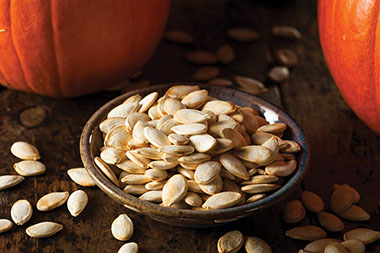
    Image of roasted pumpkin seeds.

    A great way to get healthy protein throughout the day is to make snacks with protein. The protein can help you feel fuller, holding you over until your next meal. These snacks may also help avoid a blood sugar crash that leaves you feeling sluggish and even hungrier than before. Try these ideas for tasty and easy-to-pack snacks:

    *  Hummus with sliced peppers, carrots, celery or cucumbers

    *  Peanut butter or almond butter with a banana

    *  ¼ cup of nuts, such as almonds, walnuts or pistachios with fresh fruit

    *  Roasted pumpkin seeds (buy them roasted or bake on a cookie sheet at 300º for 20 minutes)

    *  Tortilla with black beans, salsa and a sprinkle of low-fat cheese

    *  Roasted soy nuts (available at many supermarkets)

    *  A hard-boiled egg with leafy greens

    *  Low-fat string cheese with an apple or pistachios

    © American Institute for Preventive Medicine

  • Garlic Secrets

    HEALTHY EATING

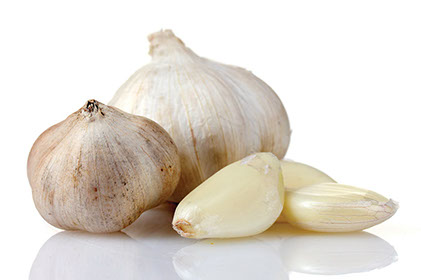
    Image of garlic.

    Use a garlic peeler to quickly peel garlic. A garlic peeler is a cylindrical piece of rubber that you place the garlic in and then roll it on the counter with the palm of your hand. The peel will stick to the inside of the peeler, and the garlic will fall out the end. If you don’t have a garlic peeler, you can do the same thing with a rubber jar opener, say extension experts at the University of Nebraska-Lincoln.

    Bonus tip:

    To mince garlic without having it stick to your knife, add a few drops of water to the garlic and then chop. The garlic sticks to the cutting board and not your knife.

    © American Institute for Preventive Medicine

  • Heart-Healthy Eating Made Easy

    HEALTHY EATING

    Image of a healthy salad.

    Simple, small changes in what you eat can make it easier to follow a heart-healthy diet. Experts in the Harvard Heart Letter made these suggestions to lower the amount of saturated fat, trans fat, sugar, sodium, and calories, and boost the amount of fiber and nutrients in a daily diet:

    Breakfast

    If you eat:Eggs

    Try:Scrambling eggs with vegetables from last night’s dinner or chopped fresh tomatoes and avocado

    Why:Adds nutrients and fiber; tomatoes add antioxidants, which help prevent fatty plaques; avocados add monounsaturated fat, which helps the body absorb nutrients

    Lunch

    If you eat:Salad with ranch or blue cheese dressing

    Try:A vinaigrette dressing made with garlic, Dijon mustard, fresh herbs, 1/3 cup vinegar, 2/3 cup extra-virgin olive oil, pepper, and a dash of salt shaken together in a jar

    Why:Reduces sodium and unhealthy fats

    Dinner

    If you eat:Pasta with meat and cheese

    Try:Whole-wheat spaghetti topped with fresh tomatoes and herbs or extra-virgin olive oil, grilled shrimp, and a small amount of freshly grated Parmesan cheese

    Why:Reduces saturated fat; adds fiber and health-protecting phytonutrients; shrimp adds omega-3 fatty acids, which may lower the risk of heart attack, stroke, and irregular heart beats

    © American Institute for Preventive Medicine