Edible seeds can play an important part in the human diet, not only because they’re nutritious, but they can also add appearance, texture, and taste to a variety of foods. Experts at the Institute of Food Technologists provide a short lesson in popular seeds:
Seed: Chia
Origin:Mexico, Central America
Taste:Mild, slightly nutty
Uses:Cookies, salads, oatmeal, soups, yogurt, baked goods
Nutritional Value:Contains the highest levels of total omega-3 fatty acids of any plant source, rich in fiber, protein, antioxidants, vitamins, and minerals
Health Benefits:Helps control blood sugar levels, promotes satiety (feeling of fullness after eating), and slows the breakdown of carbohydrates
Fun Fact:When added to water, chia seeds can swell to 12 times their weight in liquid and create a gel that could be used as an alternative to eggs and some oils in recipes.
Seed: Quinoa
Origin:South America
Taste:Mild, slightly nutty
Uses:Breakfast cereals, artisan-style breads, muffins, pizza crusts, bakery products, salads, meat-free burgers, vegan and vegetarian products
Nutritional Value:Contains the highest protein levels of all the cereal grains, good source of magnesium, vitamin E, potassium and fiber
Health Benefit:Provides all of the essential amino acids for optimal health
Fun Fact:The United Nations has declared 2013 the “International Year of Quinoa.” Pronounced KEEN-wha.
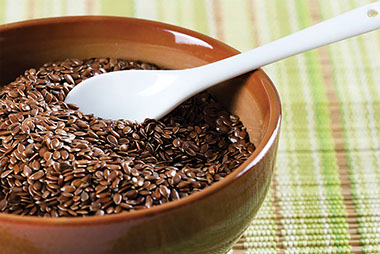
Seed: Flax
Origin:Eastern Mediterranean to India
Taste:Mild, nutty
Uses:Soups, salads, stews, hamburgers, hot and cold cereals, chilies, sauces and dips, fruit smoothies, cookies, muffins and bread dough, dairy-free milk product for people with lactose-allergies
Nutritional Value:Source of polyunsaturated fat, omega-3 fatty acids, essential amino acids, antioxidants, folate, vitamin B-6, magnesium potassium, and iron
Health Benefit:Easily digestible
Fun Fact:The seed was valued as both a food and a medicine in ancient Mesopotamia 10,000 years ago.
Seed: Sunflower
Origin:North America
Taste:Mild
Uses:Baked goods such as bagels, muffins, multigrain breads, and in trail mixes, hot breakfast cereals, coated in chocolate for confectionary applications, sprinkled in yogurt or on salads, and much more
Nutritional Value:Contains polyunsaturated oil
Health Benefit: Weight management
Fun Fact:Used by Native Americans as a high-energy food source