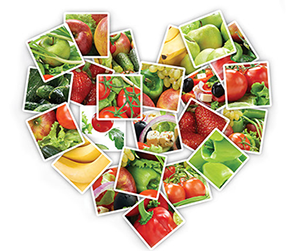
A healthy breakfast is a must for kids. Skip it and your kids will be playing nutritional catch-up for the rest of the day, said Carole L. Adler, a dietitian at the Food and Drug Administration.
When kids skip breakfast, they don’t get what they need to be at their best. “Growing bodies and developing brains need regular, healthy meals,” she said. According to the Academy of Nutrition and Dietetics, studies show that school children who eat breakfast perform better in the classroom.
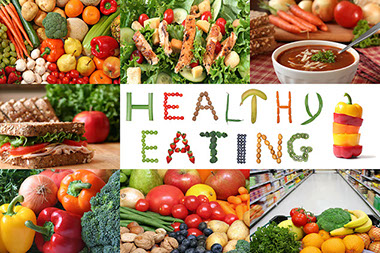
As with other meals, it’s a good idea for your kids (and you) to eat a healthy balance of fruits and vegetables, proteins, grains, and dairy-not just for breakfast but throughout the day.
Here are Adler’s 7 quick and easy breakfast tips to ensure your children start their day off right.
1.Breakfast doesn’t have to mean traditional breakfast foods.Anything goes. Even last night’s leftovers.
2.Give kids foods they like.Put veggies on that left-over whole-grain pizza. Or make muffins with zucchini and carrots and spread with peanut butter with a glass of milk. Mix sugary cereal with a healthier nutrient-packed brand.
3.Make healthy trade-offs.Nutritional balance is key. Not enough vegetables in the morning meal? Prepare extra carrot, celery, and broccoli sticks with a hummus dip as an afternoon snack.
4.Take growth and activity levels into account.Adler says that having a breakfast that contains protein, fat, and carbohydrates helps children feel full and stay focused until lunch. Protein choices might include an egg, some nuts, a slice of deli meat or cheese, or a container of yogurt.
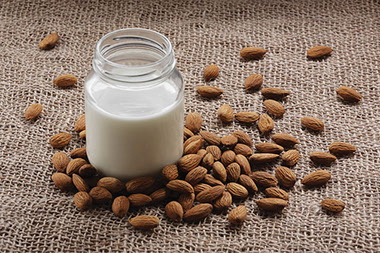
5.Don’t take, “Mom, I don’t have time for breakfast” as an excuse.Make sure your kids grab a piece of fruit on the way out the door, and hand them a bag of nut-and-fruit trail mix or a whole-wheat tortilla spread with peanut butter or almond butter and a carton of milk.
6.Prep the night before.Morning is a busy time for everyone-you included. So take ten minutes to think ahead and prep for breakfast the night before. Chop up fruit to layer in a yogurt parfait or add to cereal. Cut up vegetables for an omelet. Mix up muffin or whole-grain waffle batter, cover, and put in the fridge.
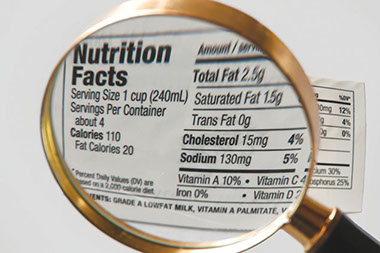
7.Use the Nutrition Facts label and ingredient statement when you shop.
Desk snacks.
People who have snacks in or on the desk reported weighing 15.4 pounds more than those who don’t. Use an opaque candy dish with a lid and store candy in a drawer where it’s less visible and accessible, advises Cornell University researcher, Dr. Brian Wansink, author of Slim by Design. Or, keep dried fruit or unsalted nuts in your desk drawer.