Category: Healthy Eating

  • What Are Healthy Fats?

    HEALTHY EATING

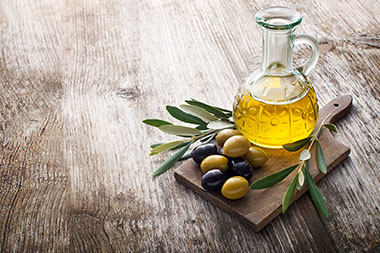
    Image of healthy fats.

    Low-fat diets and low-fat foods have been around for years. But should we really be avoiding fat for better health?

    The answer isn’t simple. Although quantity of fat does matter, quality is also very important. Your body needs some fat to function and stay healthy. So, eating the right kinds of fats can have health benefits.

    The different kinds of fats

    The American Heart Association recommends no more than 35 percent of your total calories from fats. And most, if not all, should be from healthy sources.

    *Saturated fatcomes mostly from animal products, such as meat and full-fat dairy. Saturated fat may raise cholesterol. So limit it to 6 percent of your total daily calories.

    *Trans fatsare found in some processed foods. If the ingredients list partially hydrogenated oil, the food contains trans fats. These fats raise “bad” LDL cholesterol and lower your “good” HDL cholesterol. Avoid trans fats as often as possible.

    *Monounsaturated and polyunsaturated fatsare healthy fats that can improve cholesterol and decrease the risk of heart disease. They should be used in place of saturated fats and trans fats.

    What to eat for healthy fats

    These foods contain healthy fats. But, stay within your calorie limits to avoid weight gain.

    Omega-3 is a polyunsaturated fat that is considered heart healthy. Good sources of omega-3 include:

    *  Fatty fish, such as salmon, albacore tuna and sardines – Enjoy fish up to twice per week.

    *  Canola oil – Use canola in place of butter, margarine or other cooking oils.

    *  Eggs – Some companies feed their chickens a diet high in omega-3s, which leads to more of this fat in the eggs. Check for omega-3 content on the label.

    *  Walnuts – Try walnuts in breads and on salads.

    *  Flaxseeds – Look for ground (not whole) flaxseeds and add them to cereal, yogurt and smoothies.

    Monounsaturated fats can be a healthy addition to your diet, especially if you eliminate saturated and trans fats. Foods that have monounsaturated fats include:

    *  Nuts – Because nuts are high in calories, keep portion sizes small. Love peanut butter? Avoid those with added sugar, salt or hydrogenated oil.

    *  Avocados – Use them in dips, smoothies, salads, sandwiches and pasta.

    *  Olive oil – Use it in salad dressings and stir frys and as a dip for whole grain bread.

    Food labels will tell you what the saturated and trans fat content is, so check this before you buy.

    Sources: American Heart Association, Academy of Nutrition and Dietetics

    © American Institute for Preventive Medicine

  • Anytime Pizza

    HEALTHY EATING

    Image of pizza.

    Ingredients

    1/2 loaf Italian or French bread (split lengthwise, or 2 split English muffins)

    1/2 cup pizza sauce

    1/2 cup mozzarella or cheddar cheese (low-fat, shredded)

    3 tablespoons green pepper (chopped)

    3 tablespoons mushrooms (fresh or canned, sliced)

    Vegetable toppings (other, optional)

    Italian seasoning (optional)

    Directions

    Toast the bread or English muffin until slightly brown. Top bread or muffin with pizza sauce, vegetables, and low-fat cheese. Sprinkle with Italian seasonings as desired. Return bread to toaster oven (or regular oven preheated to 350 degrees). Heat until cheese melts.

    Makes 2 servings: Per serving: 180 calories, 7 g total fat, 12 g protein, 21 g carbohydrates, 3 g fiber, 540 mg sodium.

    From the USDA What’s Cooking? Mixing Bowl, www.usda.gov/whatscooking

    © American Institute for Preventive Medicine

  • Cinnamon-Sprinkled French Toast

    HEALTHY EATING

    Image of cinnamon-sprinkled french toast.

    Try this toast with a tall glass of fat-free milk. Did you know that cinnamon is a sweet spice that comes from a tropical evergreen tree? You may add up to 1 teaspoon in this recipe if you like this unique spice.

    Ingredients:

    2 large eggs

    2 Tbsp nonfat milk

    1/2 tsp ground cinnamon, or to taste

    2 slices whole wheat bread

    1 tsp butter or margarine

    4 tsp light pancake syrup

    Add fresh strawberries and blueberries (optional)

    Directions

    Kids: Crack 2 eggs into flat-bottomed bowl. Thoroughly whisk in milk and cinnamon. Dip bread slices, one at a time, into egg mixture in bowl, wetting both sides. Re-dip, if necessary, until all the egg mixture is absorbed into the bread.

    Adults: Meanwhile, heat large, non-stick skillet over medium heat. Add butter. Place dipped bread slices in skillet. Cook for 2-1/2 to 3 minutes per side, or until both sides are golden brown.

    Kids: Drizzle each with syrup. Serve while warm.

    Makes 2 servings (1 slice). 190 calories, 19 g carbohydrates, 10 g protein, 8 g total fat, 3 g saturated fat, 215 mg cholesterol, 2 g dietary fiber, 250 mg sodium.

    © American Institute for Preventive Medicine

  • Eating Healthy At Summer Gatherings

    HEALTHY EATING

    Image of a group of friends eating at a pinic table.

    Eating and socializing go hand in hand. Throughout human history, people have gathered together to eat. Some research has shown that when people are in a group, they tend to eat larger meals and more calories. As a result, it can be hard to stick with your healthy eating plans when you’re at a social event such as a summer barbecue or special occasion.

    To help you stay on track, try these tips from the Academy of Nutrition and Dietetics:

    *Drink plenty of water.Your body needs water for nearly all of its functions. And if you’re dehydrated, the hunger and thirst cues can get confused. Drink water at gatherings, especially before your meals. You may end up feeling fuller and eating less.

    *Bring your own food.If you know you’ll have a hard time passing up the high-calorie treats, bring your own healthy dish to pass. Summer is the optimal time to share delicious, fresh fruits and vegetables that are in season.

    *Don’t deprive yourself.You can still have a small portion of your favorite summer treat. Just fill up on the healthier options first. This will satisfy most of your hunger and can help you control your portion sizes. Choose low-calorie, high-fiber foods like fruits, vegetables and beans before you go for the fried foods or desserts.

    © American Institute for Preventive Medicine

  • Grill Master

    HEALTHY EATING

    Close up image of a person grilling.

    Charring, burning, or grilling meat, poultry, and fish over high temperatures causes heterocyclic amines (HCAs) to form. These HCAs can damage your genes and raise your risk for stomach and colorectal cancers, says The University of Texas MD Anderson Cancer Center. You can avoid HCAs:

    *  Use a marinade. Marinating meat in vinegar, lemon juice, and herbs such as mint, rosemary, tarragon, or sage can reduce HCA formation by as much as 96%. Just 30 minutes can help.

    *  Stick with fish. Fish contains less fat and cooks faster than meat and poultry.

    *  Lightly oil the grill. This keeps charred materials from sticking to your food.

    *  Pre-cook food. Cook meat, poultry, or fish in the microwave or oven for 2 to 5 minutes, then finish them on the grill.

    *  Lower the temperature. For a charcoal grill, spread the coals thinly or prop the grill rack on bricks. This reduces the heat by increasing the distance between your food and the coals. And use barbecue briquettes and hardwood products, such as hickory and maple. They burn at lower temperatures than softwood (pine) chips.

    *  Scrub the grill. Cleaning the grill after each use prevents harmful chemicals from building up and transferring to your food.

    © American Institute for Preventive Medicine

  • How To Stop Emotional Eating

    HEALTHY EATING

    Image of young women with thumbs up.

    There’s no doubt that food can be comforting. Our favorite foods can make us feel happy and relaxed. Sometimes when people feel sad, lonely, stressed, or even bored, they may turn to food for comfort. This is known as emotional eating, and most people don’t realize they are doing it. As a result, people eat when their body isn’t truly hungry, and this can lead to weight gain and health problems.

    The University of Rochester Medical Center says emotional eating can be harmful. It can cause type 2 diabetes, high blood pressure, heart disease, and obesity. But, emotional eating can be a hard habit to break. Here are some tips to help you stop:

    Learn to listen to your body.

    Are you truly hungry? If so, your stomach may be grumbling. With emotional eating, people often crave one specific food, such as a cookie. But if you’re really hungry, you’ll be willing to eat something healthier, such as fruits or vegetables.

    Wait a little while.

    If you’re not sure if you’re hungry, tell yourself to wait 15 minutes. In the meantime, do something else. Take a walk, have a glass of water, or call a friend. See if the urge to eat passes.

    Keep unhealthy foods away.

    Stock nutritious foods in your house, and don’t buy the foods you eat when you’re stressed. It’s easier to avoid the temptation if the food isn’t available to you.

    Don’t worry about past mistakes.

    When you’re trying to break a habit, setbacks can happen. Forgive yourself if you end up eating too much or giving in to a craving. Tell yourself you’ll start fresh again tomorrow. Don’t give up.

    Find healthy ways to deal with stress.

    Go for a walk, listen to music, or do deep breathing exercises to help you deal with stress. Then you’re less likely to turn to food for comfort.

    If you have a problem with emotional eating, don’t be afraid to ask for help. Talk with your doctor about the problem. Ask about support groups and mental health experts who help people with emotional eating.

    © American Institute for Preventive Medicine

  • Oatmeal: A Good Choice For A Power Breakfast

    HEALTHY EATING

    Image of a bowl of oatmeal with berries and almonds.

    You probably already know that oatmeal is healthy, and perhaps you’ve been told it “sticks to your ribs.” But what’s the science behind oatmeal’s healthy history?

    Oatmeal can keep you full

    Avoid a mid-morning hunger attack, and you’ll be less tempted to pick up a donut. Oatmeal contains a special kind of fiber known as oat beta glucan. These beta glucans can increase levels of certain hormones that may help control appetite.

    Oatmeal helps digestion

    Oatmeal’s soluble fiber content is widely recommended to help keep bowels running smoothly. Regular intake of fiber-rich foods, like oatmeal, can help avoid bloating and uncomfortably hard stools.

    Oats can improve cholesterol

    High cholesterol is a major risk factor for heart disease. Studies have shown that eating oats regularly can lower “bad” LDL cholesterol due to its oat beta glucan fiber.

    Even if you eat a gluten-free diet, oats can be a healthy choice. They contain B vitamins and magnesium, which may be lacking in many people who don’t eat gluten. Look for oats labeled “gluten free” to avoid any gluten contamination that could happen during processing.

    Tips if you don’t like oatmeal

    Oatmeal can be eaten a variety of ways, so don’t rule it out if you haven’t enjoyed it in the past. Far beyond apple cinnamon and other sugary flavor packets often found in the supermarket, you can try it savory, add it to other foods, or even eat it for dinner!

    Consider these ideas:

    *  Add oats to turkey burgers or meatloaf to stretch your meat further and add health benefits

    *  Sprinkle oats over baked apples for a healthy “apple crisp”

    *  Use oats in casseroles or dinner rolls

    Sources: Oldways Whole Grains Council, Academy of Nutrition and Dietetics

    © American Institute for Preventive Medicine

  • Smart Recipe Swaps

    HEALTHY EATING

    Image of women cooking.

    You can reduce fat and calories without sacrificing taste by swapping out a few ingredients in your favorite recipes, according to the University of Nebraska-Lincoln Extension experts.

    *  Use two egg whites in place of one egg to reduce cholesterol.

    *  Use low-sodium, fat-free chicken broth in your mashed potatoes to add flavor and cut back on added butter or margarine.

    *  Substitute applesauce for oil, margarine, or butter in muffins and quick breads such as banana bread. Try substituting a small amount at first, as the more you substitute, the more the texture of the finished product changes.

    *  For dips, sauces and pie toppings, use fat-free yogurt, sour cream and whipped topping.

    *  Sliced almonds make a delicious, crunchy topping in place of fried onion rings.

    *  Choose reduced-fat or low-fat cheeses for salads and casseroles.

    © American Institute for Preventive Medicine
  • Time Bomb In A Bun

    HEALTHY EATING

    Image of breakfast sandwich.

    Eat a breakfast sandwich and your body will be feeling the ill effects well before lunch-now that’s fast food!

    High-fat diets are associated with developing atherosclerosis (narrowing of the arteries) over a lifetime. But how quickly can damage start?

    Just one day of eating a fat-laden breakfast sandwich of processed cheese and meat on a bun and “your blood vessels become unhappy,” says Heart and Stroke Foundation researcher Dr. Todd Anderson.

    Atherosclerosis can eventually lead to serious problems including heart disease, stroke, or even death. That high-fiber breakfast cereal is sounding better all the time.

    © American Institute for Preventive Medicine

  • What Is A Serving Size, Anyway?

    HEALTHY EATING

    Image of family eating dinner.

    Even if you know you need to eat smaller portions, that’s only part of the battle. You’ll need to learn how to recognize serving sizes of foods so you can put the right amount on your plate each day. Here’s a list of food group servings to help:

    Vegetables

    Fresh, frozen or canned: 5 servings per day

    Leafy greens: 1 cup

    Cut-up vegetables: ½ cup

    Cooked beans or peas: ½ cup

    100% vegetable juice: ¼ cup

    Fruits

    Fresh, frozen, canned, or dried: 4 servings per day

    Whole fruit: 1 medium fruit

    Cut-up fruit: ½ cup

    100% fruit juice: ¼ cup

    Dried fruit: ¼ cup

    Grains

    6 servings per day

    Bread: 1 slice (a 2-slice sandwich is 2 servings of grains)

    Pasta or rice uncooked: 1 oz (⅛ cup)

    Cooked rice, pasta, or cereal: ½ cup

    Popcorn: 1 oz. (⅛ cup) uncooked

    At least half should be whole grain and high in fiber.

    Dairy

    (or non-dairy milks with added calcium and vitamin D): 3 servings per day

    1 cup milk or yogurt

    1.5 oz. cheese (size varies depending on the type of cheese)

    Meat & poultry

    8 to 9 servings per week

    3 oz. cooked meat or poultry, about the size of a deck of cards

    1 egg or 2 egg whites

    Choose lean meats with skin and fat removed.

    Nuts, seeds, beans & legumes

    5 servings per week

    Nut butter: 1 Tbsp.

    Nuts or seeds: 2 Tbsp.

    Seafood/fish

    2-3 servings a week

    3 oz. cooked seafood, about the size of a checkbook

    Choose fish that provides omega-3 fatty acids. Pregnant women should ask their doctors about safe types of fish to eat.

    Fats & oils

    3 servings per day

    Vegetable oil, margarine, dressing: 1 Tbsp.

    To help with portion sizes, you may wish to find out how many calories you should be eating. Use the National Institutes of Health Body Weight Planner atwww.supertracker.usda.gov. Keep this number in mind as you eat throughout the day.

    Source: American Heart Association

    © American Institute for Preventive Medicine