Category: Medical News

  • Great American Smokeout

    MEDICAL NEWS

    Image of a man breaking a cigarette in half.

    Every year, on the third Thursday of November, the American Cancer Society asks tobacco users to make a plan to quit on this day, or plan in advance and then quit smoking that day.

    Earlier this year, the Surgeon General’s office released The Health Consequences of Smoking-50 Years of Progress. The report showed that adult smoking rates have fallen from about 43% in 1965 to about 18% today, but more than 42 million American adults and more than 3.5 million middle and high school students continue to smoke.

    Get help to quit

    Quitting tobacco is not easy. Nicotine is as addictive as cocaine or heroin.

    *  Use a nicotine replacement product, such as a patch, gum, or lozenges. Use as directed.

    *  Ask your doctor about prescribed medications that can help you quit.

    *  Take part in a non-tobacco use program  and events at work or in your community.

    *  Use the “Get Help to Quit” resources listed on this page.

    Ready, set, go…

    *  Set a quit date. The CDC advises doing this within 2 weeks.

    *  Write down the top reasons you want to quit.

    *  Tell others so they can encourage you. Ask others not to smoke around you.

    *  Get rid of tobacco products and related items from your home, car, and workplace. This includes matches, lighters, and ashtrays.

    *  Avoid drinking while you’re quitting cigarettes. Drinking alcohol can trigger cravings for a cigarette.

    *  When you get the urge to smoke, dip, or chew, take a deep breath through your mouth. Slowly exhale through pursed lips. Repeat 5-10 times.

    *  Have sugarless gum or mints or drink water.

    *  Hold a pen, stress ball, or other small object to keep your hands busy.

    *  Put the money you used to spend on tobacco products in a “ciggy” bank.

    *  Don’t give up if you relapse. Most people try several times before they succeed!

    Get help to quit

    American Lung Association

    800.LUNG.USA (586.4872)

    www.lungusa.org/tobacco

    National Cancer Institute’s Smoking Quitline

    877.44U.QUIT (448.7848)

    www.cancer.gov/cancertopics/smoking

    National Network of Tobacco Cessation Quitlines

    800.QUIT.NOW (784.8669)

    Smokefree Women

    www.women.smokefree.gov

    U.S. Department of Health & Human Services

    www.smokefree.gov

    © American Institute for Preventive Medicine

  • Life After Stroke: 9 Tips For Caregivers

    MEDICAL NEWS

    Image of older women in wheelchair being helped by relative.

    A stroke can impact a person’s life in many ways. If you are caring for someone who recently had a stroke, you may be overwhelmed. With more than 7 million stroke survivors living today, you’re not alone. You can make life after a stroke a little easier for yourself and your loved one with these tips.

    1. Ask questions. If you’re not sure about a medication or other needs, talk to the doctor, nurse or therapist. Take notes, if possible.

    2. Focus on stroke prevention. People who have a stroke may be at higher risk of having another one. A healthy diet, exercise, regular doctor visits and taking medications as prescribed can help reduce this risk.

    3. Take falls seriously. People who have had a stroke may be more likely to fall. Seek medical care right away if a fall causes severe pain, a head injury, bruising or bleeding. Talk to a doctor if a fall happens more than once, even if it’s minor.

    4. Keep an eye out for problems like dizziness, balance problems or trouble walking. This may mean the person needs physical therapy to help with their recovery and improve their mobility.

    5. Keep track of progress. Stroke recovery may happen quickly, or it may take months or years. Write down progress your loved one has made each day or week. This can be helpful to the doctor during follow up visits.

    6. Be aware of depression. Up to 50 percent of stroke survivors get depression. This can harm their recovery. Talk to your loved one’s doctor if you notice they have symptoms like a loss of interest in activities, sadness or hopelessness.

    7. Don’t go it alone. A number of resources can help both you and your loved one with stroke recovery. Many support groups for survivors and their caregivers are available. Ask your case manager or social worker for help finding these groups.

    8. Know your loved one’s insurance benefits. There may be limits to how long insurance will pay for stroke rehabilitation. Be sure you are aware of the coverage limits and any costs. Ask your case manager or social worker if you’re not sure how to do this.

    9. Take a break when you can. Even the best caregiver needs some time off. Find a trusted friend or family member who can fill in for you. Try to get exercise, such as walking, to help combat stress and improve your sleep. A regular meditation practice may also help.

    Source: American Stroke Association

    © American Institute for Preventive Medicine

  • Questions Answered About Mers

    MEDICAL NEWS

    Illustration of lungs with MERS.

    As concern increases about Middle Eastern Respiratory Syndrome, or MERS, in the Middle East and in Asia, Dr. Peter Hotez, dean of the National School of Tropical Medicine at Baylor College of Medicine, answers questions on what we need to know about this emerging infectious disease.

    What is MERS?

    It is a serious lower respiratory infection caused by the MERS coronavirus. This emerging viral pathogen was first acquired from camels, but now has limited human-to-human transmission.

    What are the symptoms?

    The symptoms include fever, cough, and respiratory symptoms that could lead to respiratory failure and other organ system breakdown. This infectious disease is similar to SARS (severe acute respiratory syndrome) that caused a severe and highly lethal outbreak in South China in 2002-2003. Some data from previous SARS outbreaks indicate that 13% of cases may have no symptoms and this could also be true for MERS.

    How is it spread?

    The mode of spread is still not well known. In general, it involves close contact, especially in health care settings. For SARS, a related coronavirus, sneezing and cough seems to facilitate transmission.

    Is there a treatment? Is there a vaccine?

    There is no proven antiviral treatment, yet, for MERS. Several prototype vaccines are in different stages of development.

    Who is at risk? Any groups more at risk?

    For about 30 to 40%, of people who get MERS, the disease is fatal. At greatest risk of dying are the elderly and those with underlying heart and lung disease or diabetes.

    Should we be concerned?

    The MERS epidemic in South Korea looks as though it will be contained soon with all new cases appearing among the estimated 3,000 people in quarantine. However, in Saudi Arabia and elsewhere on the Arabian Peninsula, new cases continue to appear. Individuals thinking about travelling to the Arabian Peninsula should consult their doctor if they are elderly or have underlying chronic disease conditions.

    © American Institute for Preventive Medicine

  • The Facts About Breast Cancer Screening

    MEDICAL NEWS

    Image of 4 women with arms around each other smiling and laughing.

    Breast cancer is the most common cancer in women after skin cancer. About 1 in 8 women in the U.S. will get breast cancer during her life. One of the best things you can do for yourself is learn when and how to get screened for breast cancer.

    A mammogram can help save lives.

    Mammograms do not prevent breast cancer. But, they are the best way to find breast cancer early, when it is easier to treat. Mammograms can detect breast cancer before you can see it or feel it. Finding breast cancer in its early stages may reduce a person’s risk of dying by  30 percent or more.

    Breast self exams alone aren’t enough.

    Experts say that breast self-exams (BSEs) cannot take the place of a mammogram. Although women should see their doctors if they notice any changes in their breasts, studies say that BSEs alone are not enough to catch breast cancer early.

    Each woman’s mammogram schedule may be different.

    Women who have a family history of breast cancer or other risk factors may need to start getting yearly mammograms at a younger age. Women who don’t have risk factors may begin getting mammograms in their 40s or later. It’s important to talk with your doctor to find out when you should start getting mammograms.

    If you’re not sure when you should get a mammogram, talk with your doctor. Together, you can create a breast cancer screening schedule that is right for you.

    © American Institute for Preventive Medicine

  • What Makes Your Head Hurt?

    MEDICAL NEWS

    Image of women with a headache.

    Headaches are one of the most common health complaints.

    About 95% of headaches are primary headaches, meaning they are not caused by some other medical condition. Most people can relieve headache pain by making lifestyle changes, learning how to relax, and taking pain relievers. Your doctor may have more suggestions.

    Here are the 3 main types of headaches, according to the National Institutes of Health:

    *Tension headachescan be treated with over-the-counter pain relievers. Stress management, relaxation exercises, or a hot shower may  also help.

    *Migraine headachescan be treated with over-the-counter or prescription drugs. Migraines often happen again and again but may be prevented with prescription drugs. Avoid food and drinks that can trigger migraines, such as caffeine, alcohol, and processed meats. Relaxation practices may reduce the number and severity.

    *Cluster headachescan be treated or prevented with prescription drugs. Nasal sprays that numb the nose and nostrils may help. Doctors also recommend avoiding alcohol.

    © American Institute for Preventive Medicine

  • 4 Ways To Help Others With Diabetes

    MEDICAL NEWS

    Image of man holding a sign that says 'sugar free.'

    Diabetes affects millions of Americans. Although diabetes can be challenging, it can also be managed with proper health care.

    People with diabetes often need to change the way they eat and may need to exercise more and make other lifestyle changes. These changes can be hard for many people. But support from family and friends can make these things easier for them.

    If you have a loved one with diabetes, try supporting them with these tips.

    1.Learn about diabetes.If you understand the disease, you’ll be able to better understand what they’re going through. Use reputable sources like government health websites and the American Diabetes Association.

    2.Eat what they eat.Talk with your loved one about their diabetes eating plan, and buy foods they can eat. Avoid buying or eating foods that are “off limits” for them. This makes their diet easier and can also help improve your own health!

    3.Try exercising together.Walks, swimming, bike rides and trips to the gym can be more enjoyable with another person. Be sure the exercises you choose are safe for both of you, and ask your doctor first if you have any health conditions.

    4.Recognize signs of a problem.Get to know the signs and symptoms of blood sugar that is too high or too low (see sidebar on this page). You’ll be able to help your loved one get the help they need if this happens.

    Recognize blood sugar problems

    Signs of low blood sugar (hypoglycemia):

    *  Sudden mood changes or anger

    *  Feeling very tired, yawning

    *  Sweating or twitching

    *  Loss of coordination

    *  Inability to talk or think clearly

    *  Seizures

    *  Feeling faint or passing out

    If you notice signs of low blood sugar, offer the person a piece of sugary candy and take them to the emergency room. Or call 911.

    Signs of high blood sugar (hyperglycemia):

    *  Feeling very thirsty

    *  Extreme fatigue

    *  Blurred vision

    *  Having to urinate more than normal

    If a person is having high blood sugar too often, they should call their doctor right away. It needs medical attention.

    © American Institute for Preventive Medicine

  • Can Birth Defects Be Prevented?

    MEDICAL NEWS

    Image of pregnant women.

    Birth defects can be devastating for parents and their baby. Sadly, many birth defects happen without an obvious cause and cannot be avoided. But, doctors know there are some things a woman can do before and during pregnancy to help lower the risk of birth defects. They include:

    Take 400 micrograms (mcg) of folic acid every day.

    This is a B vitamin that can reduce the risk of certain brain and spine defects. Experts recommend taking it even before you get pregnant.

    Get good medical care.

    See your doctor regularly and tell him or her if you plan to get pregnant. Begin prenatal care as soon as possible after you become pregnant. It’s important to talk about any health problems you may have and any medicines you take. You’ll also need tests to check for high blood pressure, blood sugar, and other possible pregnancy problems. You may also need certain vaccines (shots) to prevent illness and avoid some birth defects.

    Avoid alcohol, tobacco products, and any street drugs including marijuana.

    These can harm a developing baby.

    Work toward a healthy weight.

    Overweight women have a higher risk of birth defects. Talk to your doctor about safe ways to achieve a healthy weight. Ask your doctor how much weight you should gain during pregnancy.

    Source: Centers for Disease Control and Prevention

    © American Institute for Preventive Medicine

  • Heat & Humidity:A Dangerous Combination

    MEDICAL NEWS

    Image of young women suffering heat exhaustion.

    Heat and humidity can trigger three major illnesses, according to Dr. Eric Kirkendall, of Cincinnati Children’s Hospital Medical Center:

    Heat strokesymptoms include hot flushed skin, high fevers (over 104ºF), altered mental states such as confusion, and can be accompanied by seizures. Heat stroke is a life-threatening emergency and needs to be treated promptly.

    Heat stroke is a 911 emergency. Cool the person off as quickly as possible while waiting for medical services to arrive. Move the person to a cool shady place or an air-conditioned room; sponge the entire body surface with cool water (as tolerated without causing shivering); and fan the person to increase heat loss from evaporation. Keep the feet elevated to counteract shock. If the person is awake, give him or her as much cold water to drink as he or she can tolerate. Fever medicines are of no value for heat stroke.

    Heat exhaustionsymptoms include pale skin, profuse sweating, nausea, vomiting, muscle cramps, or weakness. It is less severe than heat stroke but is still dangerous and may require medical attention.

    For heat exhaustion, put the person in a cool place indoors or in the shade. Have him or her lie down with the feet elevated. Undress the person (except for underwear) so the body surface can give off heat. Sponge the entire body surface continuously with cool water without causing shivering. Fan the person to increase heat loss from evaporation. Give as much cool, not cold water or sport drinks as the person tolerates until he or she feels better. If symptoms do not improve or the person gets light-headed or faints, get medical care right away.

    Heat crampsare most common in the abdomen and legs, especially the calf or thigh muscles. Tightness or hand spasms can also occur, but fever is not a symptom.

    For heat cramps, monitor physical activity and make sure children don’t overly exert themselves. Adults can self-monitor. Make sure children drink plenty of water often. Encourage frequent breaks from physical activity to cool down and gently stretch muscles.

    © American Institute for Preventive Medicine

  • Living Well With Psoriasis

    MEDICAL NEWS

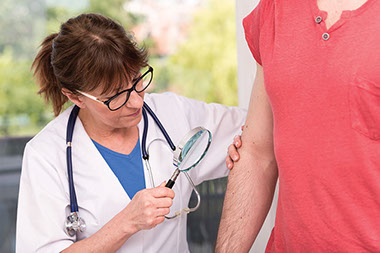
    Image of doctor looking at patients rash on arm.

    Psoriasis is a condition that causes skin cells to grow too quickly. These extra skin cells build up and form scaly patches, redness or a rash.

    There are several different types of psoriasis that look and feel different. Sometimes, a person may have one type of psoriasis and it later turns into another type. Experts aren’t sure what causes psoriasis, but they believe the immune system and a person’s genes are involved.

    Fortunately, there are ways to help manage this condition and live a healthy life with this disease. Try these tips:

    *  Know your triggers. Many people find that psoriasis flares up at certain times. Stress, skin injury, certain medications, infections or illnesses can cause a psoriasis flare-up. Talk with your doctor about healthy ways to avoid your triggers.

    *  Focus on all-around good health. A healthy diet and exercise will help you manage psoriasis. For example, being overweight can make psoriasis worse. In addition, people with psoriasis are at a higher risk of getting heart disease and diabetes.

    *  Don’t smoke. Smoking puts stress on the body and harms the immune system and skin.

    *  Work with your doctor to manage itching. Many people with psoriasis have itching that interferes with life. Keeping skin moisturized, cold packs and over-the-counter itch creams may help. If these remedies don’t work, ask your doctor about prescription options.

    *  Know the signs of psoriatic arthritis. Up to 30 percent of people with psoriasis will get psoriatic arthritis. This type of arthritis can be very painful and cause damage to your joints. Achy joints, especially in the morning, are one sign. Fingernails and toenails may also look different. They may get ridges, pits or a yellow or orange color. See your doctor if you notice any of these changes.

    *  Keep mental health in mind. Some people with psoriasis get depression or anxiety. Plus, your mental health plays an important role in overall health. See your doctor and ask about treatment for these conditions.

    *  Don’t stop taking medicines without your doctor’s approval. If you suddenly stop your psoriasis medicine, it can make the psoriasis more severe. If you need help paying for your medication, talk to your doctor. There may be financial assistance programs available for people with psoriasis.

    Sources: American Academy of Dermatology, National Psoriasis Foundation

    © American Institute for Preventive Medicine

  • Rx Painkiller Deaths On The Rise

    MEDICAL NEWS

    Image of open pill bottle with 3 pills next to the bottle.

    From 1999 to 2010, deaths from prescription pain relief drugs increased more than 400 percent in women and 265 percent in men. These facts are from a recent report from the Centers for Disease Control and Prevention (CDC).

    “Prescription painkiller deaths have skyrocketed in women (6,600 in 2010), four times as many as died from cocaine and heroin combined,” said CDC Director Tom Frieden, M.D., M.P.H. “Stopping this epidemic in women – and men – is everyone’s business. Doctors need to be cautious about prescribing and patients about using these drugs.”

    Use Rx pain relief medicines wisely

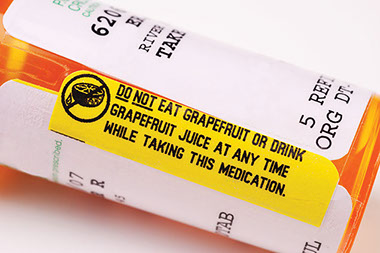
    *  Let your doctor know about all prescribed and OTC medicines you take. This includes ones that treat depression, anxiety, or sleep problems. It includes vitamins and herbal products, too.

    *  Ask your doctor the risk of addiction when he or she prescribes sleeping pills, strong painkillers, etc. Find out how long you should take the medicines. Ask if there are ways to help treat your problem without them.

    *  Find out how much alcohol, if any, can be taken with your prescribed medicines.

    *  Follow the guidelines that your doctor and pharmacist provide with every prescription.

    *  Do not take another person’s prescribed medicines.

    *  Do not share your medicines with others.

    © American Institute for Preventive Medicine