Category: Medical News

  • Numbers To Know: Your Blood Pressure

    MEDICAL NEWS

    Image of scale shaped as a plate with fruits shaped as a heart.

    High blood pressure is a common problem. About half of American adults have it. In fact, many people have dangerously high blood pressure and don’t even know it. This is because high blood pressure often has no symptoms and puts you at risk of having a heart attack, stroke or kidney failure.

    What is high blood pressure?

    When your heart beats, it pumps blood through the blood vessels. High blood pressure means the force of your blood against the blood vessels is too high. Over time, this strains the heart and damages blood vessels.

    What the numbers mean

    Blood pressure is measured in two numbers:

    *  Systolic blood pressure is the upper number. This measures how much pressure the blood is putting against blood vessels when the heart beats.

    *  Diastolic blood pressure is the lower number. This is how much pressure the blood is putting against blood vessels between heartbeats.

    Both numbers are important signs of heart health. Normal blood pressure is less than 120 (upper number) and less than 80 (lower number). If either one is higher, you may be diagnosed with high blood pressure.

    Can high blood pressure be avoided?

    In many cases, a healthy lifestyle and medical care can control or prevent high blood pressure. This can lower the risk of a heart attack, stroke or other problems.

    To keep blood pressure in check, follow these guidelines:

    *  Lose excess weight if needed.

    *  Don’t smoke.

    *  Eat a healthy diet with vegetables, fruits, whole grains and lean protein.

    *  Get exercise regularly. A minimum of 30 minutes, 5 days a week is best.

    *  Avoid too much salt in your diet.

    *  Avoid or limit alcohol.

    *  Manage stress and use relaxation methods if needed.

    *  Manage other health conditions like diabetes.

    You don’t have to do this alone. Your doctor can help you with a plan to lower blood pressure. He or she may help you find ways to lose weight, and may give you diet and exercise guidelines to follow.

    Sources: American Heart Association, American Academy of Family Physicians

    © American Institute for Preventive Medicine

  • Smoking And Pregnancy

    MEDICAL NEWS

    Image of pregnant women breaking a cigarette in half.

    According to researchers at the Moffitt Cancer Center in Tampa, nearly 50% of pregnant women who smoke will quit during their pregnancies, but more than half of those will start smoking again after they give birth.

    Not only is smoking harmful for new mothers, but their babies could also be exposed to dangerous secondhand smoke or thirdhand smoke which is left on clothing, furniture, curtains and there surfaces.

    © American Institute for Preventive Medicine

  • Ulcers Not Caused By Stress

    MEDICAL NEWS

    Image of man holding this stomach.

    The lining of your stomach makes acid and enzymes that help break down food into the nutrients you need. The lining protects itself from acid damage by releasing mucus. But sometimes the lining gets inflamed and starts making less acid, enzymes, and mucus. This type of inflammation is called gastritis.

    You may have gastritis if you have pain or an uncomfortable feeling in your upper stomach. You could have nausea or vomiting. Or you may have no symptoms at all.

    Untreated, some types of gastritis can lead to ulcers. These are sores in the stomach lining.

    Some people think ulcers are caused by stress and spicy foods. But according to the NIH in Health, bacteria called H. pylori are often to blame. These bacteria break down the inner protective coating in the stomach and can cause inflammation.

    H. pylori can spread by passing from person to person or through contaminated food or water. Infections can be treated with antibiotics.

    One type of gastritis, called erosive gastritis, wears away the stomach lining. The most common cause of erosive gastritis is long-term use of medications called non-steroidal anti-inflammatory drugs. These include aspirin and ibuprofen. Stop taking these pain relievers and the gastritis usually clears up.

    Less common causes of gastritis include digestive disorders (such as Crohn’s disease) and autoimmune disorders in which the body’s protective immune cells attack healthy cells in the stomach lining.

    Gastritis can be diagnosed with an endoscope. A thin tube with a tiny camera on the end is inserted through the patient’s mouth or nose and into the stomach. The doctor looks at the stomach lining and may remove some tissue samples for testing. Treatment will depend on the type of gastritis found.

    Although stress and spicy foods don’t cause gastritis and ulcers, they can make symptoms worse. Milk might provide brief relief, but it also increases stomach acid, which can worsen symptoms. Your doctor may advise taking antacids or other drugs to  reduce acid in the stomach.

    Gastritis can lead to ulcers over time. Symptoms of ulcers include pain between the belly button and breastbone that starts between meals or during the night. It briefly stops if you eat or take antacids, lasts for minutes to hours, and comes and goes for several days or weeks.

    Contact your doctor right away if you have sudden sharp stomach pain that doesn’t go away, black or bloody stools, or vomit that is bloody or looks like coffee grounds.

    © American Institute for Preventive Medicine

  • Zika Virus: What To Know

    MEDICAL NEWS

    Infograph showing the zika virus.

    According to the CDC, Zika has not yet been spread by mosquitoes in the U.S., but cases have been reported here. These occurred in people who recently traveled to one of the known Zika areas.

    Graph showing symptoms of zika virus.

    Treatment

    At this time, there is no vaccine for Zika.

    *  Rest

    *  Drink water

    *  Take medications for pain and fever

    *  Call your doctor

    Prevention

    *  Use an insect repellent regularly on yourself and your children. Use one registered with the EPA.

    *  Wear light-colored clothes that cover as much of your body as possible.

    *  Sleep under a mosquito bed net if you are sleeping outside or not able to protect yourself from mosquito bites.

    *  Get rid of standing water. This is where mosquitoes breed. Cover rain barrels and other containers that store water.

    *  Protect windows and doors with screens or mosquito nets. Use air conditioning, if possible.

    *  If you’ve recently been to a known Zika area, are pregnant or are having symptoms of Zika, call your doctor.

    Sources: World Health Organization and Centers for Disease Control and Prevention

    © American Institute for Preventive Medicine

  • Are You Washing Your Hands The Right Way?

    MEDICAL NEWS

    Water drop illustration with the words "Wash your hand".

    The Centers for Disease Control and Prevention (CDC) says washing your hands is like a “do-it-yourself” vaccine. Washing your hands properly and at the right time will slash your risk of getting sick with illnesses like colds, flu and stomach bugs that cause diarrhea and vomiting.

    Handwashing seems simple. But, there are some steps you must take to ensure your hands are truly clean.

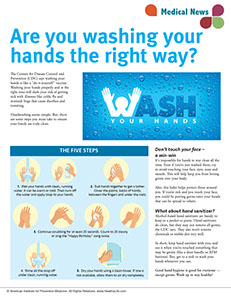
    The five steps

    1.  Wet your hands with clean, running water. It can be warm or cold. Then turn off the water and apply soap to your hands.

    2.  Rub hands together to get a lather. Cover the palms, backs of hands, between the fingers and under the nails.

    3.  Continue scrubbing for at least 20 seconds. Count to 20 slowly or sing the “Happy Birthday” song twice.

    4.  Rinse all the soap off under clean, running water.

    5.  Dry your hands using a clean towel. If one is not available, allow them to air dry completely.

    Don’t touch your face – a win-win

    It’s impossible for hands to stay clean all the time. Even if you’ve just washed them, try to avoid touching your face, eyes, nose and mouth. This will help keep you from letting germs into your body.

    Also, this habit helps protect those around you. If you’re sick and you touch your face, you could be putting germs onto your hands that can be spread to others.

    What about hand sanitizer?

    Alcohol-based hand sanitizers are handy to keep in a pocket or purse. Hand sanitizers do clean, but they may not remove all germs, the CDC says. They also won’t remove chemicals or visible dirt very well.

    In short, keep hand sanitizer with you, and use it when you’ve touched something that may be germy (like a door handle or ATM buttons). But, get to a sink to wash your hands whenever you can.

    Good hand hygiene is good for everyone – except germs. Wash up to stay healthy!

    © American Institute for Preventive Medicine

  • Do You Know The Early Warning Signs Of Parkinson’S Disease?

    MEDICAL NEWS

    Close up image of two elderly hands holding.

    A recent nationwide survey conducted by the National Parkinson Foundation revealed that most Americans would wait to see their doctors if they were experiencing tremors (shaking), even though tremors are an early sign of the disease.

    Parkinson’s affects nerves and muscles and can affect movement and coordination, especially with walking. The disease is a result of changes in the brain that researchers now know can be associated with both genetics and environmental toxins.

    Parkinson’s develops slowly, with only subtle symptoms early on, including these:

    *  Tremors and shaking

    *  Trouble moving or walking

    *  Loss of facial expression

    *  Dizziness and fainting

    *  Stooping or hunched over

    *  Trouble sleeping

    *  Soft or low voice

    *  Small handwriting

    *  Loss of smell

    *  Constipation

    For more information about Parkinson’s disease and the National Parkinson Foundation, visitwww.parkinson.org.

    © American Institute for Preventive Medicine

  • Is Your Heart Older Than You?

    MEDICAL NEWS

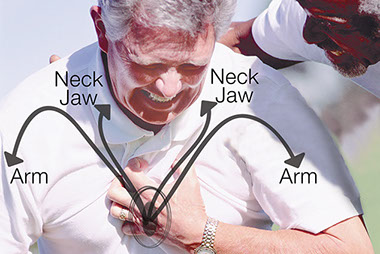
    Image of man suffering a heart attack.

    The year you were born reveals your age. It’s part of your identity. But despite the number on your driver’s license, your heart may be telling a different story.

    According to the Centers for Disease Control and Prevention, 75 percent of Americans have hearts that are older than their actual age. For men, the average heart age is 8 years older, and for women, it’s 5 years. This means many people are at high risk of heart attacks and strokes – even if they don’t know it.

    Your “heart age” is based on certain risk factors you may have for heart disease. This includes lifestyle habits, your body mass index, and certain health problems. You can lower your heart age by adopting heart-healthy habits such as a healthy diet, regular exercise, and not smoking.

    Signs of a heart attack

    *  Pressure, squeezing, or pain in the chest

    *  Pain in the jaw, neck, upper back, arms, or abdomen

    *  Trouble breathing

    *  Feeling dizzy or nauseated

    *  Cold sweats

    If you experience these symptoms, call 911 or have someone take you to the emergency room.

    Source: American Heart Association

    © American Institute for Preventive Medicine

  • Opioid Addiction And Overdose

    MEDICAL NEWS

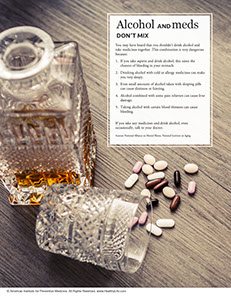
    Image of medication pills.

    Opioid misuse is one of the biggest health problems facing the U.S. today. The National Institutes of Health says about 2 million people in the U.S. have an opioid misuse disorder.

    Opioids are powerful medicines used to treat pain. They may be prescribed to people after they have surgery or get injured. Some of the most common prescription opioids are oxycodone (OxyContin®), hydrocodone (Vicodin®), codeine and morphine.

    Opioid medicines affect the brain and can make the user feel relaxed and happy. When used for short periods and as directed, they are considered safe. But sometimes, people can become addicted to them. They may also build up a tolerance over time, which means they need higher and higher doses of the medicine to feel its effects.

    If a person builds a tolerance and/or becomes addicted, they can overdose on opioids. This can lead to brain damage, coma and death. About 30,000 people die each year from opioid overdose in the U.S.

    Treating opioid use disorder

    Help is available for people who are addicted to opioids. Two medicines, buprenorphine and methadone, work to lower cravings and withdrawal symptoms. Another medicine, naltrexone, blocks opioids from working and can reduce cravings for the medicine.

    Behavioral therapy for addiction to prescription opioids can help, too. It works by changing people’s thoughts and behaviors about opioid use. Behavioral therapy is a proven treatment, especially when used with medicines.

    Emergency overdose treatment

    When someone overdoses on opioids, their breathing may slow down or stop. Their pupils may be small like pinpoints. A medicine called naloxone (Narcan®) can reverse an opioid overdose and save their life.

    Naloxone is a prescription drug that stops opioid overdose if given in time. Paramedics, emergency room doctors and other first responders have naloxone available to treat people with opioid overdose. In some states, you may need a prescription. Other states will sell naloxone without a prescription. It is available in nasal spray and a shot (injection).

    If you or a loved one has an opioid misuse disorder, don’t wait. Talk to a doctor today to get help.

    Sources: National Institute on Drug Abuse, World Health Organization

    © American Institute for Preventive Medicine

  • So Do You Really Need That Vitamin?

    MEDICAL NEWS

    Concept image of young women with cooking pan and different vitamins words above.

    Before taking a daily vitamin or dietary supplement, you might want to think about what you’re really consuming, suggests a Kansas State University human nutritionist.

    “Supplements are not regulated by the Food and Drug Administration like other drugs are regulated, which is something I think a lot of people don’t realize,” said Brian Lindshield, assistant professor of human nutrition.

    Lindshield researches supplements to see if the ingredients listed on the label actually match what is found in the bottle. You don’t always get what you pay for and think you’re getting.

    If you want to get the most accurate product, look for the bottles with the more descriptive labels. Also, paying a little extra will usually get you the ingredients you are seeking.

    “You should probably avoid buying the cheapest supplement available because if the manufacturer is cutting corners to get the price really cheap, they probably are not using the same standards that the manufacturers of more expensive products are,” Lindshield said.

    Another tip: Don’t expect supplements to make up for a poor diet. “Vitamins and minerals will prevent deficiency, but it’s not going to make up for a lot of the chronic disease risks that come with an unhealthy diet,” Lindshield said.

    © American Institute for Preventive Medicine

  • Under Pressure: What To Know About Glaucoma

    MEDICAL NEWS

    Image of eldery women getting her eyes checked.

    Glaucoma is a leading cause of blindness for people over 60, so it’s important to know what you can do about it.

    Glaucoma happens when too much fluid builds up in the eye. This extra fluid causes pressure that damages the optic nerve. This damage cannot be undone once it happens. It can lead to loss of all or part of your vision. But, glaucoma can be managed and the damage to vision can be decreased with proper medical care.

    People at highest risk for glaucoma

    Anyone can get glaucoma. But certain groups of people may be more likely to get it, including:

    *  People with a family history of glaucoma

    *  African Americans over age 40

    *  Anyone over age 60, but Mexican Americans are especially at risk

    *  People who have high eye pressure, thin corneas or optic nerve problems

    *  People with high blood pressure that’s not well controlled

    Signs and symptoms

    Glaucoma often doesn’t have early signs and symptoms until damage has already been done. That’s why getting regular eye exams is so important. For many people, the first sign of glaucoma is loss of their peripheral (side) vision.

    Don’t assume you don’t have glaucoma because your eyes “feel fine.” Many people develop glaucoma without any symptoms.

    Illustration of eye with excessive pressure which can lead to glaucoma.

    What can you do about glaucoma?

    Glaucoma has no cure, but there are things you can do to slow it down and save your vision:

    *  If you have glaucoma, take your medicines every day. Ask your eye doctor how often you need to be seen, and stick to your appointments.

    *  Get a complete eye exam at least every 2 years or as often as recommended. This includes a dilated eye exam.

    *  Even if you don’t have glaucoma, ask your eye doctor about your risk. This includes telling your doctor about any family history of glaucoma.

    People with certain risk factors for glaucoma may be given special eye drops. These drops can lower the risk of getting glaucoma but they must be used regularly to be effective.

    If you are diagnosed with glaucoma, you and your doctor will discuss what treatment is best for you. It may depend on what type of glaucoma you have and how severe it is. Treatments may include:

    *  Eye drops that lower pressure in the eye

    *  Surgery done with a laser that helps the eye drain fluid better

    *  Traditional surgery that may include placing a new drainage tube in the eye

    Save your sight – see your eye doctor to get checked for glaucoma!

    Sources: American Academy of Ophthalmology, National Eye Institute

    © American Institute for Preventive Medicine