Category: Medical News

  • Which Std Tests Do You Need?

    MEDICAL NEWS

    Couple embracing each other.

    Sexually transmitted diseases (STDs) can occur when people have sexual contact with a person who also has an STD.

    People of all ages can get STDs. If you have unprotected sexual contact with someone who is infected, you risk getting an STD. This includes oral, anal and vaginal sex.

    Don’t be afraid or embarrassed to ask a health care provider about STDs. Getting tested is important so you can get treatment for STDs. The most common ones include:

    *  Human papilloma virus (HPV)

    *  Chlamydia

    *  Gonorrhea

    *  Syphilis

    *  Herpes

    *  Trichomoniasis

    *  HIV/AIDS

    Why do I need tests?

    Testing is the only way to know for sure if a person has an STD. Many STDs don’t cause any symptoms. This means people could spread STDs to others without knowing. They could also have long-term health problems.

    Risks of STDs include:

    *  Spreading STDs to others

    *  Infertility (trouble getting pregnant)

    *  Long-term pain in the pelvic area

    *  Pelvic inflammatory disease (PID), which can cause pain and infertility

    *  Serious health and immune system problems (from HIV infection)

    Who needs to be tested?

    The Centers for Disease Control and Prevention (CDC) lists the following recommendations for testing:

    *  Everyone ages 13 to 64 should be tested at least once for HIV.

    *  Anyone who has unprotected sex or shares injection drug equipment should get tested for HIV at least once a year.

    *  All sexually active women younger than 25 years should be tested for gonorrhea and chlamydia every year.

    *  Some women 25 years and older should also be tested for gonorrhea and chlamydia every year. This includes women at a higher risk. They may have multiple sex partners or have a partner who has a known STD.

    *  All pregnant women should be tested for syphilis, HIV and hepatitis B. Some pregnant women may also need tests for chlamydia and gonorrhea. Pregnant women may need more than one test throughout pregnancy.

    *  Sexually active gay and bisexual men may need HIV tests every 3 to 6 months.

    *  All sexually active gay and bisexual men should be tested at least once a year for syphilis, chlamydia and gonorrhea. Some men may need to get tested more often if they have multiple partners.

    Many health departments offer STD testing or can help people find a testing site. To find STD testing sites near you visitgettested.cdc.gov.

    Source: Centers for Disease Control and Prevention

    © American Institute for Preventive Medicine

  • Blood Cancer: Key Facts

    MEDICAL NEWS

    Illustration of cancer attacking blood cells.

    Your blood is made up of many different types of cells. These include red blood cells, white blood cells, and platelets. White blood cells protect the body from harmful substances and prevent infections.

    Blood cancer is caused by the uncontrolled growth of abnormal white blood cells. The abnormal cells do not work properly, preventing them from carrying out their essential functions. As the dysfunctional cells accumulate in the blood, they crowd out healthy cells.

    It’s important to know what signs and symptoms to look for. Be sure to check with your doctor if you have any questions or concerns about blood cancer.

    Three main types of blood cancer

    Leukemia

    Leukemia is cancer that affects the bone marrow where blood cells are made. From the bone marrow, it spreads to the blood and can affect other organs.

    Lymphoma

    This type of blood cancer impacts the white blood cells in the lymphatic system. There are two types of lymphoma: Hodgkin, which spreads directly from one lymph node to another, and Non-Hodgkin, which spreads erratically through the lymph nodes.

    Multiple myeloma

    Myeloma affects plasma cells. These are white blood cells that produce antibodies to fight infections. When the plasma cells don’t function correctly, the body’s immune system doesn’t work properly.

    Symptoms of blood cancer

    Talk to your doctor if you experience the following:

    *  Fatigue

    *  Fever

    *  Unexplained weight loss

    *  Bone pain

    *  Swollen lymph nodes

    *  Frequent infections

    Survival rates have steadily increased

    Fifty years ago, there were few successful treatments for blood cancer. Now, there is a range of treatment options available, and more people achieve remission than ever before. Early detection and improved treatments have increased five-year survival rates and provide hope for the future.

    © American Institute for Preventive Medicine

  • Telehealth: What To Know

    MEDICAL NEWS

    Phone and stethoscope.

    Telehealth or telemedicine uses video calls or other technology to help you see your doctor. This allows you to have medical appointments from home instead of going to the doctor’s office.

    Getting ready

    If you want to use telehealth, but don’t know how, contact your doctor’s office. Different doctors and hospitals use different apps and technology for their telemedicine appointments. Ask them for instructions on how to get set up.

    Before your appointment, check with your insurance company about coverage for telehealth appointments. Prepare a list of questions to ask your doctor so you’ll be sure to cover everything.

    If you need help

    If you’re feeling overwhelmed, ask a tech-savvy friend or family member to help. Usually, you only need:

    1.  A strong internet connection. Your connection needs to be fast enough for video chats.

    2.  A smartphone, tablet or computer that connects to your wi-fi and has a working microphone, speaker and camera. Most newer devices have all of these built in.

    Telehealth can be a safe and convenient way to have your medical appointments. Don’t be intimidated by technology. With a little help, you can be up and running – and it may become your favorite way to have your doctor visits!

    Source: National Institutes on Aging

    © American Institute for Preventive Medicine

  • Medical News 3

    MEDICAL NEWS

    © American Institute for Preventive Medicine

  • Brca Gene For Breast Cancer

    MEDICAL NEWS

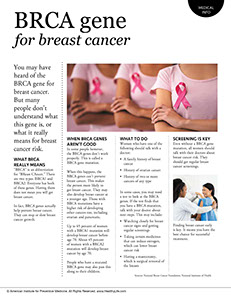
    Women wearing pink shirts with pink ribbons.

    You may have heard of the BRCA gene for breast cancer. But many people don’t understand what this gene is, or what it really means for breast cancer risk.

    What BRCA really means

    “BRCA” is an abbreviation for “BReast CAncer.” There are two types: BRCA1 and BRCA2. Everyone has both of these genes. Having them does not mean you will get breast cancer.

    In fact, BRCA genes actually help prevent breast cancer. They can stop or slow breast cancer growth.

    When BRCA genes aren’t good

    In some people however, the BRCA genes don’t work properly. This is called a BRCA gene mutation.

    When this happens, the BRCA genes can’t prevent breast cancer. This makes the person more likely to get breast cancer. They may also develop breast cancer at a younger age. Those with BRCA mutations have a higher risk of developing other cancers too, including ovarian and pancreatic.

    Up to 65 percent of women with a BRCA1 mutation will develop breast cancer before age 70. About 45 percent of women with a BRCA2 mutation will develop breast cancer by age 70. People who have a mutated BRCA gene may also pass this along to their children.

    What to do

    Women who have one of the following should talk with a doctor:

    *  A family history of breast cancer

    *  History of ovarian cancer

    *  History of two or more cancers of any type

    In some cases, you may need a test to look at the BRCA genes. If the test finds that you have a BRCA mutation, talk with your doctor about next steps. This may include:

    *  Watching closely for breast cancer signs and getting regular screenings

    *  Taking certain medicines that can reduce estrogen, which can lower breast cancer risk

    *  Having a mastectomy, which is surgical removal of the breasts

    Screening is key

    Even without a BRCA gene mutation, all women should talk with their doctors about breast cancer risk. They should get regular breast cancer screenings. Finding breast cancer early is key. It means you have the best chance for successful treatment.

    Sources: National Breast Cancer Foundation, National Institutes of Health

    © American Institute for Preventive Medicine

  • Know The Different Heart Disease Types

    MEDICAL NEWS

    Heart on a blue background.

    You’ve probably heard the terms cardiovascular disease, heart disease and coronary heart disease. But did you know each of these terms means something different?

    Let’s learn some of these “heart” terms and what they mean for your health. If you have a type of cardiovascular disease, work with your doctor to come up with a heart health plan. Your plan might include a healthy diet, exercise and medications.

    What is cardiovascular disease?

    Cardiovascular disease is any type of disease that affects the heart or blood vessels. “Cardio” refers to the heart, and “vascular” refers to the blood vessels.

    Types of cardiovascular disease include:

    *  Coronary heart disease

    *  High blood pressure

    *  Stroke

    *  Heart failure

    *  Peripheral artery disease

    What is heart disease?

    Heart disease is any type of condition that affects the heart’s function or structure. The most common type of heart disease is coronary heart disease. Heart disease also includes:

    *  Heart rhythm disorders known as arrhythmias

    *  Cardiomyopathy

    *  Congenital (present at birth) heart defects

    *  Coronary artery disease (CAD)

    *  Heart failure

    Heart disease is a type of cardiovascular disease.

    What is coronary heart disease?

    Coronary heart disease is also called coronary artery disease (CAD). Coronary heart disease happens when a fatty substance called plaque builds up in the arteries. Sometimes people call this clogged arteries or atherosclerosis.

    The plaque reduces the amount of blood getting to the heart. This can cause angina, or chest pain. It can also cause blood clots and can lead to a heart attack.

    Sources: American Heart Association and National Heart, Lung, and Blood Institute

    © American Institute for Preventive Medicine

  • The Facts About Donating Organs

    MEDICAL NEWS

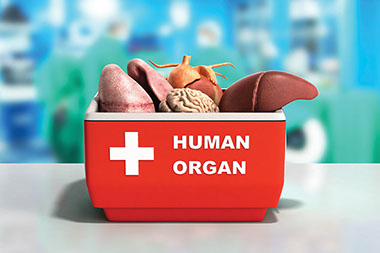
    Illustration of organs.

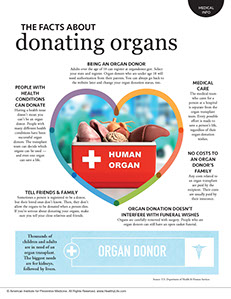
    Thousands of children and adults are in need of an organ transplant. The biggest needs are for kidneys, followed by livers.

    Being an organ donor

    Adults over the age of 18 can register at organdonor.gov. Select your state and register. Organ donors who are under age 18 will need authorization from their parents. You can always go back to the website later and change your organ donation status, too.

    People with health conditions can donate

    Having a health issue doesn’t mean you can’t be an organ donor. People with many different health conditions have been successful organ donors. The transplant team can decide which organs can be used – and even one organ can save a life.

    Tell friends & family

    Sometimes a person is registered to be a donor, but their loved ones don’t know. Then, they don’t allow the organs to be donated when a person dies. If you’re serious about donating your organs, make sure you tell your close relatives and friends.

    Medical care

    The medical team who cares for a person at a hospital is separate from the organ transplant team. Every possible effort is made to save a person’s life, regardless of their organ donation wishes.

    No costs to an organ donor’s family

    Any costs related to an organ transplant are paid by the recipient. Their costs are usually paid by their insurance.

    Organ donation doesn’t interfere with funeral wishes

    Organs are carefully removed with surgery. People who are organ donors can still have an open casket funeral.

    Source: U.S. Department of Health & Human Services
    © American Institute for Preventive Medicine
  • Stroke Faq’S

    MEDICAL NEWS

    Purple background with paper cut out of head and brain.

    A stroke occurs when oxygen flow to the brain is disrupted. Within minutes of a stroke, brain cells begin to die from lack of oxygen. As more cells die, parts of the brain become damaged and may no longer function properly.

    Three main types of strokes

    *  Ischemic stroke is caused by a blockage in the blood vessels of the brain. It is the most common type of stroke.

    *  Transient ischemic stroke (TIA), also known as a mini-stroke, is a type of ischemic stroke in which blood flow is blocked for only a few minutes. TIA’s are often a warning sign that a more severe stroke may occur.

    *  Hemorrhagic stroke is caused by a blood vessel in the brain leaking blood or bursting. The buildup of blood puts pressure on brain cells, which causes damage.

    Signs & Symptoms

    *  Numbness or weakness in the face, limbs, or body on one side

    *  Sudden vision trouble

    *  Confusion and difficulty speaking

    *  Severe headache

    *  Dizziness and trouble with balance or walking

    Early identification of a stroke is essential to minimize harm to the brain. Every minute is critical for getting fast and effective treatment.

    Knowing the warning signs of a stroke means you can quickly seek medical help. Getting medical attention within the first few hours of a stroke ensures the best possible outcome and recovery. If you suspect a stroke, call 911 right away.

    Effects of a stroke

    The brain controls many essential body functions, including movement, speech, breathing, digestion, memories, and emotions. The damage caused by a stroke can lead to long-term disability or even death.

    The exact impact of a stroke depends on the area of the brain affected, the length of time between the start of the stroke and treatment, and any underlying conditions.

    Possible side effects of a stroke include:

    *  Weakness or paralysis on one or both sides of the body

    *  Difficulty forming or understanding speech

    *  Impairment of memory, concentration, thinking, and judgment

    *  Trouble chewing or swallowing

    *  Bladder and bowel control issues

    *  Depression

    © American Institute for Preventive Medicine
  • Cataracts Can Be Treated

    MEDICAL NEWS

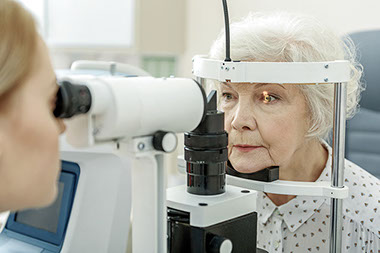
    Elderly women getting her eyes checked by a doctor.

    The eye has a clear lens inside that allows you to focus on things. But, as we get older, the lens may not be clear anymore. Proteins inside the lens stick together, causing a cloudy spot. This is a cataract.

    Cataracts are common. More than half of people age 80 and over have cataracts or had cataract surgery.

    What causes cataracts?

    Cataracts cannot always be prevented. Many people get them simply from getting older. This is because proteins in the eye’s lens start to break down with time.

    But there are some things you can do to reduce your risk of getting cataracts:

    *  Get regular eye exams.

    *  Don’t smoke – or quit if you do smoke.

    *  Limit or avoid alcohol.

    *  Protect your eyes with proper sunglasses and hats that shield the sun.

    *  Eat a healthy diet and get exercise. This can help prevent diabetes and high blood pressure, which may cause cataracts.

    Do I have cataracts?

    Many people don’t realize they have cataracts. This is because changes in vision happen very slowly over time.

    People who have cataracts may notice:

    *  Colors look faded or yellowed; things look blurry or cloudy

    *  Seeing a “halo” around lights

    *  It’s harder to read without a very bright light

    *  Trouble with night vision

    *  Double vision in one eye

    What can I do about cataracts?

    While cataracts may take away your clear vision, there is good news. Many cataracts can be corrected with surgery.

    The operation usually takes less than an hour. The doctor will replace the cloudy lens with a clear artificial lens. Usually, no stitches are needed. You may also have the surgery without general anesthesia, or being put to sleep. The doctor will numb the eye area so you won’t feel anything.

    People usually have only minor pain afterward. You may need to use eye drops after surgery to help the eye heal, or wear a protective eye shield when you sleep. Your doctor can let you know when it is safe for you to drive and do other activities.

    In most cases, the eye is totally healed within a few weeks and vision is much better.

    Sources: American Academy of Ophthalmology, National Eye Institute

    © American Institute for Preventive Medicine