Category: Mental Health

  • Violence & Abuse

    Mental Health

    Violence is the intended use or threat of force or power against one or more persons or even oneself. It results in physical or emotional harm, deprivation, or, too often, death. Worldwide, violence causes 44% of deaths among males; 7% among females.

    Abuse is one form of violence. It can be emotional, physical, economic, and/or sexual.

    Violence and abuse are law and order issues, as well as, personal and public health issues.

    Signs & Symptoms

    A person who commits violence and abuse does the things listed below. The signs often progress from ones that cause less harm to ones that can threaten life.

    *  Uses verbal abuse, such as name calling.

    *  Acts possessive and extremely jealous.

    *  Has a bad temper. Does violent acts in front of others, but doesn’t harm them. An example is putting a fist through a wall.

    *  Gives threats.

    *  Acts cruel to animals.

    *  Pushes, slaps, and/or restrains others.

    *  Punches. Kicks. Bites. Sexually assaults.

    *  Chokes others. Breaks bones. Uses weapons.

    Causes

    Violence and abuse are ways to gain and keep control over others. Persons who commit violence or abuse come from all groups and backgrounds. Often, they have these problems:

    *  Poor skills to communicate.

    *  A family history of violence. They may have been abused in the past. They may have seen one parent beat the other.

    *  Alcohol or drug abuse.

    Treatment

    Treatment for the victim of abuse or violence depends on the situation and includes:

    *  Emergency medical care. Calling the police.

    *  Going to a safe place, such as a shelter for victims of abuse.

    *  Counseling.

    *  Training to be assertive.

    In general, persons who abuse others or commit violence find it hard to change their behavior without professional help.

    Questions to Ask

    Self-Care / Prevention

    To Handle Being in an Abusive Relationship

    *  Get help!

    *  Have a safety plan for times you feel unsafe or in danger.

    – Decide who you will call (e.g., police, neighbors, relatives, a shelter). Make a list of these telephone numbers. Memorize them, too.

    – Decide where you will go. If you have children and pets, develop safety plans. Practice the safety plans with your children. Have a plan for taking them with you. Have plans for where they should go if you can’t get away.

    – Keep extra keys to your car and house in a safe place unknown to the person abusing you.

    – Put some cash in a safe place that you can get quickly in case you need money for transportation to a safe place.

    To Manage Conflict Without Violence

    *  When you communicate, state your needs without putting others down.

    *  Learn to deal with frustration, rejection, ridicule, jealousy, and anger.

    *  Accept differences in others. This includes sexual preferences, ethnic and religious backgrounds, etc. You do not need to change your beliefs, but don’t expect other persons to change theirs, either.

    *  Be an active listener. Focus on what the other person is saying. Try to understand his or her point of view. Or, simply accept it as an opinion.

    *  Take a course that teaches skills to manage conflict.

    *  When you can’t resolve a conflict on your own, get help.

    Resources

    National Center for Victims of Crime

    202.467.8700

    www.ncvc.org

    National Domestic Violence Hotline

    800.799.7233

    www.thehotline.org

    Healthier at Home book by the American Institute for Preventive Medicine. www.HealthyLife.com. All rights reserved.

    © American Institute for Preventive Medicine
  • Grief / Bereavement

    Mental Health

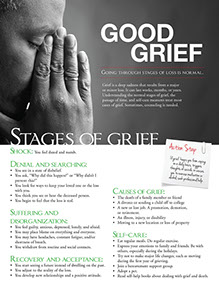
    Grief is a deep sadness or sorrow that results from a loss. The loss can be a major or minor one. It can result from something positive or negative. Bereavement is grieving most often linked with the death of a loved one.

    Signs & Symptoms

    Stages of Grief

    1. Shock.

    You feel dazed or numb.

    2. Denial and searching.

    *  You are in a state of disbelief.

    *  You ask questions, such as, “Why did this happen?” or “Why didn’t I prevent this?”

    *  You look for ways to keep your loved one or loss with you.

    *  You think you see or hear the deceased person.

    *  You begin to feel that the loss is real.

    3. Suffering and disorganization.

    *  You feel guilty, anxious, depressed, lonely, afraid, etc.

    *  You may place blame on everyone and everything.

    *  You may get physical symptoms. These include headaches, stomachaches, constant fatigue, and/or shortness of breath.

    *  You withdraw from routine and social contacts.

    4. Recovery and acceptance.

    *  You begin to look at the future instead of dwelling on the past.

    *  You adjust to the reality of the loss.

    *  You develop new relationships.

    *  You develop a positive attitude.

    Grieving the loss of a loved one can last weeks, months, or years.

    Causes

    *  A new or lost job, a promotion, demotion, or retirement.

    *  Relationship changes, such as getting divorced or having a child leave home.

    *  An illness, injury, and/or disability.

    *  The death of a family member or friend. Loss of property. Moving to a new place.

    Factors that shape a person’s response to a loss, such as death include:

    *  Age, gender, and health.

    *  How sudden the loss was.

    *  Cultural background. Religious beliefs.

    *  Finances.

    *  Social network.

    *  History of other losses or traumatic events.

    Each of these factors can add to or reduce the pain of grieving.

    Treatment

    Understanding the normal stages of grief, the passage of time, and self-care measures treat most cases of grief. When these are not enough, counseling can help.

    Questions to Ask

    Self-Care / Prevention

    *  Eat regular meals.

    *  Get regular physical activity.

    *  Allow friends and family to help you. Don’t hold your feelings inside. State how you really feel. Visit them, especially during the holidays, if you would otherwise be alone. Travel during the holidays if this helps.

    *  Share and maintain memories of a lost loved one. Being reminded of the past can help with the process of coming to grips with a loss.

    *  Try not to make major life changes, such as moving during the first year of grieving.

    *  Join a support group for the bereaved. People and places to contact include your EAP representative, your student counseling center, churches or synagogues, funeral homes, and hospice centers.

    *  Adopt a pet.

    *  Read self-help books about grief and death.

    Resources

    Healthier at Home book by the American Institute for Preventive Medicine. www.HealthyLife.com. All rights reserved.

    © American Institute for Preventive Medicine
  • Manger Anger

    Mental Health

    Don’t let mental wrath create physical problems.

    “Holding on to anger is like grasping a hot coal with the intent of throwing it at someone else; you are the one who gets burned.” – Buddha

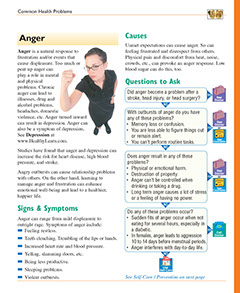
    Too much or chronic anger can lead to depression, headaches, heart disease, high blood pressure, or problems with alcohol or drugs. It can also trigger domestic violence, property damage, or road rage.

    Learn to manage anger.

    Managing your anger can enhance emotional well-being and lead to a happier, healthier life.

    *  Share your anger with a trusted friend, family member, teacher, etc.

    *  Express your feelings in ways that don’t offend or  accuse others.

    *  Keep a record of reasons and times you have too much anger. You may start to see patterns that can be changed.

    *  Channel your energy in positive ways. Write poetry, clean out your cabinets, or take a walk.

    *  Distract yourself. Play music.

    *  Learn to accept things that you cannot change, such as traffic jams.

    *  Lighten up. Look for humor in situations that result  in anger.

    *  Meditate or do yoga.

    *  Think before you act or speak.

    *  Eat healthy foods and don’t skip meals.

    Signs of anger:

    *  Feeling restless

    *  Clenched teeth

    *  Trembling lips or hands

    *  Increased heart rate or blood pressure

    *  Yelling. Slamming doors.

    *  Being less productive

    *  Sleeping problems

    *  Violent outbursts

    Action Step

    If anger interferes with your day-to-day life or has caused physical or emotional harm to you or someone else, seek help from your doctor or a mental health care provider.

    ays to Well-Being book by the American Institute for Preventive Medicine. www.HealthyLife.com. All rights reserved.

    © American Institute for Preventive Medicine