Category: Uncategorized

  • Avoid A Walking Injury

    BE FIT

    Older couple hiking using walking sticks.

    Walking is great exercise – but an injury will leave you sidelined. Keep your walks safe and healthy with these tips.

    Get the right shoes.

    Comfortable, supportive shoes are a must. Experts recommend getting new walking shoes after walking for 300 – 500 miles in them. If your shoes are uncomfortable or show signs of wear, toss them. A new pair is an investment in your health.

    Don’t do too much.

    If you haven’t exercised in a while, start off slow. Walking for just a few minutes may be enough at first. Increase your distance by  10% each week. Doing too much, too soon can cause painful shin splints or other injuries.

    Prevent blisters.

    Synthetic fiber socks may help you prevent blisters. Cotton socks can trap moisture and cause rubbing. If you have diabetes or nerve problems, see a doctor if you get blisters or sores on your feet.

    Know your knees.

    If your knees hurt when you walk, talk to your doctor. Knee pain can be caused by arthritis, damaged ligaments and other health problems.

    If you don’t have any health issues, you may need a new pair of shoes. In some cases, doing stretches or leg strengthening exercises can help. Some people find that soft ground like grass is easier on their joints. Walking on concrete may cause more pain.

    Be aware.

    Newer hybrid and electric cars are very quiet. Don’t rely on hearing alone when crossing the street. Stop and look both ways. If you’re using headphones, keep them turned down low. This helps protect your hearing and helps you hear people, animals or cars nearby.

    Source: American Heart Association

    © American Institute for Preventive Medicine

  • Apple Coffee Cake

    HEALTHY EATING

    Image of an apple coffee cake.

    Ingredients

    5 cups apple (tart, cored, peeled, and chopped)

    1 cup sugar

    1 cup raisins (dark)

    1/2 cup pecans (chopped)

    1/4 cup vegetable oil

    2 teaspoons vanilla

    1 egg (beaten)

    2-1/2 cups all-purpose flour (sifted)

    1-1/2 teaspoon of baking soda

    2 teaspoons cinnamon (ground)

    Directions

    Preheat oven to 350ºF. Lightly oil a 13-by-9 inch pan. In a large mixing bowl, combine apples with sugar, raisins, and pecans. Mix well, let stand 30 minutes. Stir in oil, vanilla, and egg. Sift together flour, soda, and cinnamon. Stir into apple mixture about a third at a time. Just enough to moisten dry ingredients. Turn batter into pan. Bake 35-40 minutes. Cool cake slightly before serving.

    Makes 20 servings. Per serving: 180 calories, 5 g total fat, 100 mg sodium, 33 g carbs, 1 g fiber, 3 g protein

    Used with permission from the US Department of Health and Human Services, A Healthier You, based on the Dietary Guidelines for Americans.

    © American Institute for Preventive Medicine

  • Classic Macaroni And Cheese

    HEALTHY EATING

    Image of a bowl of macaroni and cheese.

    Ingredients

    2 cups macaroni*

    ½ cup onion, chopped

    ½ cup fat-free evaporated milk

    1 medium egg, lightly beaten

    ¼ tsp ground black pepper

    1¼ cups (4 oz) low-fat sharp cheddar cheese, finely shredded

    Cooking spray

    Directions

    1. Preheat oven to 350° F.

    2. Cook macaroni according to package directions-but do not add salt to the cooking water. Drain and set aside.

    3. Spray casserole dish with nonstick cooking spray.

    4. Lightly spray saucepan with nonstick cooking spray. Add onion to saucepan and sauté for about 3 minutes over medium heat.

    5. In a bowl, combine macaroni, onion, and the remaining ingredients, and mix thoroughly.

    6. Transfer mixture into casserole dish.

    7. Bake for 25 minutes or until bubbly. Let stand for 10 minutes before serving.

    Makes 8 servings. Per serving: 200 calories, 4 g total fat, 11 g protein, 29 g carbs, 1 g fiber, 120 mg sodium

    *To increase fiber content, use whole wheat pasta.

    Source: The National Heart, Lung, and Blood Institute’s Heart Healthy Recipes

    © American Institute for Preventive Medicine
  • Fall In Love With Fall Vegetables

    HEALTHY EATING

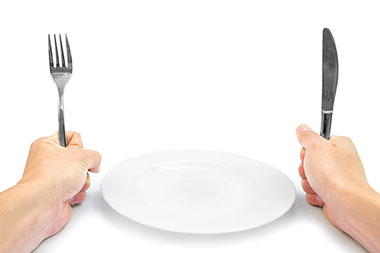
    Image of a variety of fall vegetables.

    Perhaps the days of watermelon and cucumbers are behind us for now, but fall has plenty of delicious in-season veggies and fruits to offer.

    Eating what’s “in season” often means you can get food that’s fresher, more nutritious, and costs less. Check out the grocery store or farmer’s market for some of these delicious fall favorites:

    *  Pumpkins

    *  Carrots

    *  Winter squash, such as acorn, butternut and buttercup

    *  Broccoli

    *  Cauliflower

    *  Sweet potatoes

    *  Mushrooms

    *  Spinach

    *  Grapes

    Of course, some produce is available year-round when it can be shipped from far away. But, check out where the food was grown to ensure you’re getting something fresh. The USDA requires that fresh and frozen fruits and vegetables, along with some meats and fish, have a label on them stating the “country of origin.” In general, the farther it’s had to travel, the less fresh it will be when it gets to your grocery store.

    Remember many of your favorites can be found in the frozen food section if it’s not available fresh at certain times of year.

    © American Institute for Preventive Medicine

  • Halloween Candy Control

    HEALTHY EATING

    Image of halloween treats.

    Despite all your work to help your kids eat healthy, holidays like Halloween can quickly throw your efforts off track. Candy in the stores and at school, and, of course, while trick-or-treating means your kids have plenty of access to junk food. It might be downright scary.

    While a little candy isn’t harmful, it can be easy to overdo it when junk food seems to be everywhere. And the health problems associated with sugary snacks and unhealthy foods are real:

    *  The Centers for Disease Control and Prevention says 1 in 5 school-aged children has obesity. While candy alone isn’t to blame, experts know that eating too many foods high in calories and low in nutrition (such as candy and sugary treats) are part of the problem.

    *  Sugary treats can cause cavities. The American Dental Association says some of the worst offenders are sticky treats that cling to teeth and those that sit in the mouth for a long time like hard candies and suckers. But, any high-sugar snack can spell trouble for someone’s dental health.

    The good news is, even health-conscious families can enjoy the fun of Halloween (and a few treats) if they have a plan in place before the spooky day arrives:

    *Don’t leave candy out where it can be grabbed any time.Kids (and adults) tend to reach for whatever is available, and may mindlessly eat whatever is sitting out. Put candy and other goodies in a hard-to-reach cupboard instead. This requires more effort to get to it, so it is “out of sight, out of mind.”

    *Teach kids moderation.If you make candy and sweets off-limits, kids may want the forbidden food even more. Instead, allow them a small treat after they’ve eaten a healthy dinner.

    *Lead by example.If you have a hard time avoiding sweet treats, now is a great time to make healthy eating a family effort. Reserve your candy and other treats for after dinner. Make it a small amount, such as one fun-sized candy bar.

    *Buy what you don’t like.If you like to grab a piece here and there while the trick-or-treaters visit your house, buy candy you won’t be tempted to eat.

    *Donate your candy!Teach kids to do good by giving their candy to soldiers and charitable causes, such as for kids who are in the hospital. A variety of organizations accept candy, but check first. Try your local food bank, Operation Gratitude, the Halloween Candy Buy Back and Ronald McDonald House.

    © American Institute for Preventive Medicine

  • Iron In Foods: Why It Matters

    HEALTHY EATING

    Image of grilled chicken and steak.

    People need iron because it transports oxygen to the body’s organs and tissues. The body uses iron to make new red blood cells. It’s also important for healthy cells, skin, hair and nails.

    Eating foods that contain iron is important. This is the main way most people get the iron they need.

    Iron deficiency: a common problem

    Iron-deficiency anemia means you don’t have enough iron in your body. It is the most common nutritional deficiency in the U.S. It affects more women than men. Causes of iron-deficiency anemia include:

    *  Not getting enough iron from foods

    *  Digestive health problems such as celiac disease, Crohn’s and ulcerative colitis which don’t allow the body to absorb iron well

    *  Heavy menstrual periods

    *  Stomach bleeding, which may be caused by an ulcer or using aspirin, ibuprofen or naproxen for long periods of time

    *  Losing too much blood from surgery, frequent blood tests or an injury

    Low iron can be serious

    If iron levels get too low, a person may have an increased risk of:

    *  Depression

    *  Heart problems

    *  Infections

    Pregnant women who have low iron may deliver their baby too early. Sometimes the baby doesn’t grow as much as they should.

    Children who don’t get enough iron can have problems with learning, thinking and developing their motor (movement) skills.

    © American Institute for Preventive Medicine

  • Oven-Crusted Chicken Breast

    HEALTHY EATING

    Image of oven-crusted chicken breast.

    Ingredients for chicken:

    4 boneless, skinless chicken breasts (3 oz each)

    1 egg white (or substitute liquid egg white)

    1 cup fat-free evaporated milk

    1 cup breadcrumbs

    1/4 cup rolled oats, crushed; pulse a few times in the food processor

    1 cup whole-wheat flour

    2 Tbsp olive oil or vegetable oil

    Ingredients for salad:

    2 Tbsp lemon juice

    1/2 Tbsp olive oil

    4 cups red leaf lettuce, rinsed and dried

    1 cup cherry tomatoes, rinsed and halved

    1/4 tsp salt

    1/4 tsp ground black pepper

    Directions

    Preheat oven to 350ºF. Place chicken in a freezer bag with the air squeezed out and pound each breast down to one-half-inch thickness. Combine the egg white and evaporated milk in a bowl and mix well. In a separate bowl, combine the breadcrumbs and crushed oats and mix well. Coat the chicken breasts in flour and shake off the excess. Dip the chicken breasts in the egg and milk mixture and drain off excess. Then dip the chicken breasts in the breadcrumb mixture to coat. Discard leftover breading mixtures.

    Heat oil in a large sauté pan. Stir fry the chicken over medium-high heat on one side until golden brown (about 2-3 minutes). Turn carefully. Pan fry the second side for another 2-3 minutes or until golden brown. Remove from the pan and place on paper towels to soak up excess oil. Place on baking sheet and finish cooking in the oven for about 5-8 minutes (to an internal temp of 165ºF).

    For the salad, combine lemon juice and olive oil, and mix well to make a dressing. Toss the lettuce leaves and cherry tomatoes with the dressing, salt, and pepper.

    Makes 4 servings (1 chicken breast, 1 cup salad): 264 calories, 11 g total fat (2 g saturated fat), 49 mg cholesterol, 263 mg sodium, 3 g fiber, 18 g carbohydrates.

    From the National Heart, Lung, and Blood Institute’s cookbook Keep the Beat Recipes: Deliciously Healthy Dinners.

    © American Institute for Preventive Medicine

  • Spring Clean Your Diet With Green Eating

    HEALTHY EATING

    Image of kale.

    Bright emerald green is symbolic of spring and food bursting with flavor and nutrients. Spring “clean” your diet, suggests Kari Kooi, a registered dietitian at The Methodist Hospital in Houston. She recommends these 5 green powerhouse foods:

    *Asparagus:These green spears offer a bounty of nutrients. Asparagus is high in an antioxidant that can help reduce skin damage from the sun. Also, asparagus contains the most folate of any vegetable. Folate plays a vital role in heart health and the prevention of birth defects.

    *Avocado:Add some thin slices of smooth avocado to your sandwich or salad without feeling guilty. The monounsaturated fat in avocado is what’s mostly responsible for avocado’s super-food status. This type of happy fat can help drive down levels of bad cholesterol.

    *Brussels sprouts:These baby cabbages are loaded with antioxidants and filling fiber. A cruciferous vegetable, Brussels sprouts contain powerful cancer-fighting sulfur compounds that are responsible for their pungent aroma. These green vegetables take on a whole new flavor and crispy texture when roasted in the oven.

    *Kale:This beautiful ruffled green is being called “the queen of greens.” Kale is brimming with eye-nourishing phytochemicals that have been shown to prevent macular degeneration (vision loss) and cataracts. Kale is a better source of calcium than spinach.

    *Kiwifruit:Rich in vitamin C, potassium, and fiber, kiwis make a perfect portable snack. Just slice a kiwifruit in half and scoop out the emerald sweet and tart flesh with a spoon.

    © American Institute for Preventive Medicine

  • Top 3 Food Myths That Won’t Die

    HEALTHY EATING

    Image of healthy foods.

    Eating healthy can be confusing. The Internet is full of healthy eating advice – and some of it is conflicting. For starters, ignore these food myths, which could be standing in the way of your healthy eating goals.

    Myth #1: Health food is expensive and exotic.

    While some exotic foods are good for you, you don’t have to eat them as part of a healthy diet. Instead, you can eat everyday foods that promote good health.

    Focus on getting a variety of foods in your diet that are mostly whole foods and not processed. This includes fruits, vegetables, nuts, seeds, lean meats, fish, whole grains and dairy. A balanced diet that includes all food groups will contain the nutrients your body needs. No fancy foods or major expense is required.

    Myth #2: Fat is bad for you.

    Plenty of extremely healthy foods are high in fat – the healthy kind of fat.

    Avocadoes, nuts, olive oil, eggs and fatty fish are a few foods that contain heart-healthy fats such as monounsaturated and omega-3 fats. These healthy fats can lower the risk of heart disease and stroke.

    Don’t try to avoid all fats. Instead, look for healthy, whole foods that contain the unsaturated types listed above and eat small amounts of them.

    But, do keep an eye on saturated fat. The American Heart Association says you should limit saturated fat to 13 grams per day on a 2,000-calorie diet. Try to limit red meat, sausage, and high-fat dairy foods. Finally, try to avoid trans fats completely. These are found in many processed foods. They are listed on the nutrition label and will say “partially hydrogenated” oil in the ingredients.

    Myth #3: All sugar is bad.

    It’s true that many people eat far too much sugar. But, many nutritious foods, such as fruit, contain some sugar with other important nutrients like vitamins and fiber.

    If you’re trying to eat healthier, skip “added sugars.” These are sugars that are added to a product to make it sweeter. Thanks to food label changes, it’s easy to see how much added sugar is in packaged foods.

    Eat fresh fruit for dessert and skip foods with added sugar, such as regular soda and sweets, and you’ll cut down on sugar intake without following any extreme diet.

    Sources: American Heart Association, United States Department of Agriculture

    © American Institute for Preventive Medicine

  • What’s America’s Favorite Vegetable?

    HEALTHY EATING

    Image of tomatos.

    The potato (sadly in the form of French fries) is number one. But when you look at non-starchy veggies, the tomato comes out on top.

    Eating canned tomatoes provides the greatest source of antioxidants to Americans’ diets-more than any other non-starchy vegetable. People who eat diets rich in fruits and vegetables tend to have a decreased risk of cancer and heart disease, report researchers from the Academy of Nutrition and Dietetics.

    Experts have not identified exactly what it is about fruits and vegetables that confer the health benefits, but it is known that fruits and vegetables contribute antioxidants to the diet. Tomatoes are a good option for those who want to increase their intake of antioxidants.

    Canned tomatoes (used in spaghetti sauce and chili, for example) are available year round providing a convenient and cost-effective way to increase antioxidant intake during any season.

    © American Institute for Preventive Medicine