Category: Uncategorized

  • For The Health Of Your Wealth

    FINANCIAL HEALTH

    Image of female talking to an advisor.

    Do you want to take control of your financial life? It’s up to you to understand your own money, says investment advisor Paul Taylor, a member of the National Ethics Bureau. Taylor offers the following suggestions:

    For your cash flow, keep in mind the four A’s: Accounting, Analysis, Allocation, and Adjustment. The four A’s describe a systematic and disciplined approach to your daily, weekly, monthly, and yearly spending habits.

    *  Accounting involves gathering all your relevant financial information-income, recurring bills, and other expenditures-creating a central list of each item, and pulling it together in a place where it’s easy to find.

    *  Analysis is reviewing the information to determine whether you have a shortfall or surplus, and finding places to reduce expenses. Saving $100 a month on dining out, for instance, would allow you to apply $100 to your mortgage loan principal, saving you a substantial amount in interest payments.

    *  Allocation involves determining your financial commitments and priorities, needs versus wants, and distributing your income accordingly.

    *  Adjustment involves periodic reviews of your financial information and shifting assets to meet changing needs.

    © American Institute for Preventive Medicine

  • Stay Warm, Save Money

    FINANCIAL HEALTH

    Image of thermostat being set at 71 degrees.

    When temperatures drop, energy bills are higher. Duke Energy offers some simple energy (and money) saving tips:

    *  Check your heating system’s ductwork to ensure that it is well insulated and completely covered. Ductwork should be properly sealed and not allowed to hang loose under the house.

    *  Keep your thermostat at a comfortable setting. If you are going to be away for several days, turn the thermostat to a lower setting, but not off.

    *  Have your heating or cooling system checked each season by a qualified technician to make sure it is operating properly. Heating and cooling account for at least half of your energy bill.

    *  Check insulation, seal cracks, and weather-strips between heated and unheated areas such as garages, basements, and attics.

    *  If you have a window air conditioning unit, remove it for the winter months to prevent heat from escaping through and around the unit. If it cannot be moved, cover it to prevent drafts.

    *  Always make sure the fireplace damper seals tightly and remains closed except when a fire is burning or smoldering in the fireplace.

    *  Insulate your water heater with at least R-6 insulation. The water heater is the second-largest energy user in your home. You can save enough money in energy bills to pay back the cost of materials within months and then keep on saving.

    *  Ceiling fans help keep you comfortable in the summer and winter. Reversing the direction of the blades pushes warm air down into the room. Fans should turn counter-clockwise in the summer and clockwise in the winter.

    *  On sunny days, leave the draperies open to allow the sun’s rays to warm your house.

    © American Institute for Preventive Medicine

  • Breast Cancer And Rashes

    MEDICAL NEWS

    Image of pink ribbon.

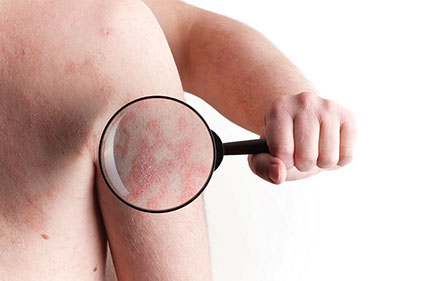
    When you spot a rash on your skin, you probably don’t worry too much about it. After all, most rashes are simply due to minor problems like a mosquito bite, chafing, or an irritating skin care product. Though most rashes are not dangerous, it’s important to pay attention to your skin. A rare, dangerous form of breast cancer known as inflammatory breast cancer (IBC) often starts with a rash or skin changes on the breast. IBC doesn’t cause a telltale “lump” that many people expect from breast cancer. It may not show up on a mammogram either.

    What rashes should be checked?

    Many things can cause rashes on the breast, but some signs should be checked by a doctor. Call your doctor if you notice any of these changes on the breast:

    *  Pain, tenderness or itching on the breast

    *  Skin that looks or feels thicker

    *  An area that feels hard

    *  Skin that has pits or ridges or looks like an orange peel

    *  A nipple that turns inward or changes shape

    *  Swelling that makes one breast look larger than the other

    *  Skin that is swollen

    *  A breast that feels warm or heavy

    Don’t panic – but get checked

    It’s important to know that IBC is very rare. It makes up about 1 to 3 percent of all breast cancer cases.

    Some less serious problems like mastitis (an infection of the milk ducts) can have some of the same symptoms as IBC. If you notice any changes in your breasts, be sure to contact your health care provider.

    The many types of breast cancer

    There are several different kinds of breast cancer. Some start in the milk ducts, glands or other tissue, such as muscle or fat.

    The most common type of cancer is invasive (or infiltrating) ductal carcinoma. This type of cancer makes up about 80 percent of all breast cancer cases. It starts in a milk duct and spreads into the fatty tissue in the breast.

    Be aware of these other breast cancer signs and call your doctor if you notice them:

    *  A lump or mass in the breast

    *  Nipple discharge (not breast milk for nursing mothers)

    *  Pain or swelling in the breast or nipple

    *  Any unusual changes to the breast or nipple, including new moles

    Seeing your doctor for regular visits and getting mammograms as recommended is the best way to detect breast cancer early.

    Source: American Cancer Society

    © American Institute for Preventive Medicine

  • Even When Drinking Stops, Alcohol’s Effects Do Not

    MEDICAL NEWS

    Image of an alcoholic drink with a car key.

    During a night of drinking, it’s easy to misjudge alcohol’s lasting effects. Many revelers believe that they can drive safely once they have stopped drinking for the night and have had a strong cup of coffee.

    The truth is that alcohol continues to affect the brain and body long after the last drink has been downed, according to the National Institute on Alcohol Abuse and Alcoholism. Even after someone stops drinking, alcohol in the stomach and intestine continues to enter the bloodstream and circulate through the body. As a result, judgment and coordination can be impaired for hours after drinking.

    Driving home late at night is especially hazardous because natural drowsiness is magnified by the depressant action of alcohol. Driving abilities may even be impaired the next day, when any alcohol remaining in the system, or the general headache and disorientation associated with hangovers, contributes to general feelings of sluggishness, even though the person no longer feels “drunk.”

    Caffeine in a cup of coffee does not “sober anyone up” but may help with the late-night drowsiness. It doesn’t counteract the effect of alcohol on decision-making or coordination. The body needs time to metabolize (break down) alcohol and even more time to return to normal. There are no quick cures – only time will help.

    © American Institute for Preventive Medicine

  • Know About Prostate Cancer

    MEDICAL NEWS

    Image of prostate cancer ribbon.

    Experts at Mount Sinai Medical Center offer this prostate cancer prevention advice:

    *Age is the strongest risk factor:Almost two-thirds of prostate cancers are found in men over the age of 65.

    *Family history can be important:Having a father or brother with prostate cancer more than doubles a man’s risk of developing this disease.

    *Race is a factor:Prostate cancer occurs more often in African-American men than in men of other races.

    *Follow a healthy diet:Eat more low-fat, high-fiber foods such as fruits and vegetables, and limit intake of red or processed meat.

    *Diagnose cancer early:Speak with your doctor about your risk for prostate cancer and the benefits of screening. For men at high risk, screening should be considered at age 40.

    Screening works

    Screenings consists of a PSA blood test, which measures the level of PSA, a protein that is produced by the prostate gland, and a digital rectal exam, which can uncover physical abnormalities of the prostate that may be a sign of cancer.

    NOTE:

    Prostate cancer screening guidelines vary with different health groups. Ask your doctor at what age you should discuss prostate cancer screening. Ask about the benefits and risks of PSA blood tests.

    © American Institute for Preventive Medicine

  • Prediabetes: Are You At Risk?

    MEDICAL NEWS

    Prediabetes infograph.

    © American Institute for Preventive Medicine
  • Tastes Better, Still Harmful

    MEDICAL NEWS

    Image of e-cigarettes.

    More than two out of every five middle and high school students who smoke report using either flavored little cigars or flavored cigarettes, according to a report by the Centers for Disease Control and Prevention (CDC). The study, based on data from a 2011 National Youth Tobacco Survey, is CDC’s first attempt to measure usage of flavored little cigars and cigarettes by youth in the U.S. The findings were published online in the Journal of Adolescent Health on Oct. 22, 2013.

    “Flavored or not, cigars cause cancer, heart disease, lung disease and many other health problems. Flavored little cigars appeal to youth and the use of these tobacco products may lead to disfigurement, disability and premature death,” CDC director Dr. Tom Frieden said in an agency news release. “We need to take comprehensive steps to reduce all tobacco use for all of our youth.”

    One reason flavored cigarettes and little cigars appeal to young people is because the candy and fruit flavors mask the harsh taste of tobacco. The flavored little cigars are also more affordable. Unlike cigarettes, they are not taxed in most states and can be bought individually or in doubles, so teens do not have to buy a whole pack at a time.

    Little cigars have become more popular in recent years. Sales have increased 240 percent from 1997 to 2007, with flavored brands making up almost 80 percent of the market share.

    The CDC also reported that e-cigarette (electronic cigarette) use among young smokers has doubled, due in part to brands that come in flavors such as bubble gum, gummy bear, orange cream soda and cotton candy.

    Health officials are concerned that flavored tobacco products obscure the health risks of smoking and entice young people into continued use of tobacco.

    © American Institute for Preventive Medicine
  • Warning Sign For Fragile Bones

    MEDICAL NEWS

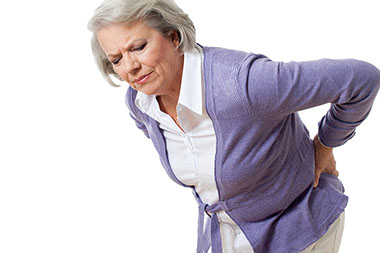
    Image of older women with a broken arm.

    A broken wrist is a warning sign, according to the International Osteoporosis Foundation. If you’re an adult age 50 or over and have broken your wrist, get tested for osteoporosis, they urge.

    Osteoporosis is a chronic “silent” disease that causes bones to weaken and become more fragile and breakable. At age 50, up to 1 in 2 women and 1 in 5 men will go on to suffer a brittleness fracture in their lifetimes. Fractures can result in pain, disability, loss of quality of life and independence, or even early death.

    Consider these facts from the IOF:

    *  A first fracture doubles the risk for future fractures.

    *  One in 4 women who suffer a vertebral (spinal) fracture will experience another fracture within one year.

    *  50% of all hip fractures come from 16% of the postmenopausal women with a history of fracture, including wrist fractures.

    *  Despite the fact that a first fracture is a clear warning sign, only 2 in 10 patients with initial bone breaks get a follow-up test for osteoporosis or risk of falls.

    *  Osteoporosis can be treated and bones can become stronger.

    © American Institute for Preventive Medicine

  • The Dangers Of Distracted Driving

    WELL-BEING

    Image of women driving while looking at her phone about to hit a pedestrian.

    Though driving a car may seem like a simple task, it requires quick reflexes, concentration and reasoning. When a driver is distracted, some – or all – of these important skills can be lost.

    Distracted driving means the driver is doing something other than focusing on the road ahead. It can be anything that takes the driver’s mind off of driving, hands off the wheel or eyes off the road. In the age of smartphones, tablets and other electronic devices, it’s easy to get distracted when driving – even for just a second.

    Though it seems harmless, a quick glance at a phone to read a text can be dangerous or even deadly. The National Highway Traffic Safety Administration (NHTSA) says sending or reading a text takes your eyes off the road for 5 seconds. That’s like driving the length of an entire football field with your eyes closed if you’re going 55 miles per hour. In that amount of time, a driver can hit a pedestrian, run a red light or stop sign, or crash into another vehicle.

    The NHTSA says nearly 3,500 people died and almost 400,000 were injured in 2015 due to distracted driving crashes. Here’s what we can do to help stop distracted driving:

    *  Never use a phone while driving. Put it in the back seat or out of reach to reduce the urge to look at it “just for a second.”

    *  Talk with your teens about distracted driving and tell them that the texts can wait. Lead by example.

    *  Sign a pledge to not drive distracted and stick to it. Ask family members and friends to sign it too. The “It Can Wait” pledge is available atitcanwait.usaa.com.

    Did you know?

    There are laws that prohibit distracted driving. Talking on a hand-held cellphone while driving is banned in 15 states and the District of Columbia. Text messaging is banned for all drivers in 47 states and the District of Columbia.

    To learn about your state laws, go towww.iihs.org/iihs/topics/laws/cellphonelaws.

    © American Institute for Preventive Medicine