Category: Uncategorized

  • Kidney Stones Hurt

    MEDICAL NEWS

    Image of male doctor.

    Although they can be painful, kidney stones rarely cause permanent damage, and you may be able to prevent them, according to the National Institutes of Health. Back or side pain that won’t go away is the primary symptom of a kidney stone. You may also have pinkish or foul-smelling urine, a fever, or painful urination. Caucasians are more prone to kidney stones than African Americans, and men are more prone than women. Age is also a factor. The chance of getting a kidney stone rises as men enter their 40s and continues to rise into their 70s. For women, the risk peaks in their 50s.

    Each day, about 50 gallons of blood flows through your kidneys. The kidneys remove waste products including various minerals and other substances from the blood and transfer them into urine so your body can get rid of these waste products. In people who get stones, certain minerals in the urine combine with other waste products and start to form a stone.

    Kidney stones aren’t all the same. The most common type is made of the mineral calcium, combined with either oxalate or phosphate. Less common types of stones are made of uric acid or other chemicals, all of which are naturally found in the body. No one knows why these substances form kidney stones in some people but not in others, since we all have them in our urine.

    Most kidney stones eventually pass out of the body during urination. But some can grow large enough to begin blocking the flow of urine. That causes intense pain and may also put you at risk for infection. Most kidney stones that don’t pass on their own are treated in an outpatient setting. The most common procedure is called lithotripsy. Greek for “stone crushing,” this technique uses shock waves to reduce kidney stones into small fragments, which then easily flow away in urine.

    If you’ve had more than one kidney stone, you’re at higher risk for forming another. But there are ways to help prevent most types of kidney stones. First, your doctor needs to know what type of stone it is. If you pass a stone, try to catch it in a strainer. A laboratory analysis can help your doctor plan a strategy to prevent more stones. Other tests, which may include urine and blood tests, can help your doctor figure out why you had a kidney stone.

    Drinking more water may help prevent kidney stones. Depending on the type of stone you’re at risk for, your doctor may also advise you to avoid certain foods or drinks. For example, people prone to forming calcium oxalate stones should avoid spinach, peanuts, and chocolate. People prone to forming uric acid stones should cut back on meat. Doctors can also prescribe certain medications to help prevent these types of stones.

    Stone watch

    Call a doctor if you have any of the following signs of a kidney stone:

    *  Extreme pain in your back or side that won’t go away

    *  Blood in your urine (it will look pink)

    *  Fever and chills

    *  Vomiting

    *  Urine that smells bad or looks cloudy

    *  A burning feeling when you urinate

    © American Institute for Preventive Medicine

  • Pap Smear Needed Even With Hpv Vaccine

    MEDICAL NEWS

    Image of women talking with her doctor.

    HPV (human papillomavirus) vaccines that are often recommended to help prevent infections related to cervical and other cancers should not discourage women from also getting a Pap smear, UT Southwestern Medical Center cancer experts said.

    “Women should continue to be screened even if they have undergone HPV vaccination. The vaccine does not target all types of HPV that cause cancer. It is intended to reduce the risk of cancer, but has not been proven to eliminate the need for screening,” explains Dr. Jayanthi Lea.

    Unless you have a history of precancerous lesions, cancer, immune deficiency, or other risks, testing every three years between ages 21 and 65 is sufficient, Dr. Lea said. “There is also the option of combining a Pap test with HPV testing for women over age 30. Screening this way is typically performed every five years.”

    © American Institute for Preventive Medicine

  • Surprisingly Simple Ways To Prevent Disease

    MEDICAL NEWS

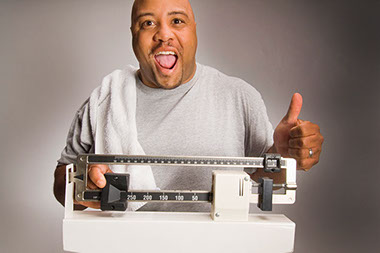
    Image of happy man with thumbs up as he weighs himself.

    Five new studies support simple steps to prevent illness and improve overall health. The American Journal of Medicine reports the following based on multiple studies in several countries:

    *  Eating fresh fish regularly may reduce your risk of colorectal cancer.

    *  Still trying to stop smoking? Try acupuncture and hypnosis. Several studies found smokers had good success.

    *  Have your teeth cleaned regularly. Scaling removes harmful bacteria. You can reduce your risk for heart attack and stroke.

    *  Talk to your doctor about weight loss. People who were moderately obese, followed a diet plan from their doctors (not a weight loss clinic), and stuck with it at least 12 weeks, lost over 10% of their body weight.

    *  Low-dose aspirin, for people who can take it, offers preventive cancer benefits along with heart healthy help.

    © American Institute for Preventive Medicine
  • Understanding Your Gallbladder

    MEDICAL NEWS

    Image of man talking to his doctor.

    The hardest working digestive helper might well be your gallbladder, a pear-sized organ that sits just under the liver and next to the pancreas.

    The gallbladder stores bile, a thick liquid that’s produced by the liver to help digest fat. When you eat, the gallbladder’s thin, muscular lining squeezes bile into the small intestine through the main bile duct. The more fat you eat, the more bile the gallbladder injects into the digestive tract.

    Bile has a delicate chemical balance. It’s full of soluble cholesterol produced by the liver. This is a different type of cholesterol than the kind related to cardiovascular disease. If the chemical balance of bile gets slightly off, the cholesterol can crystalize and stick to the wall of the gallbladder. Over time, these crystals can combine and form gallstones.

    Gallstones can range from the size of a grain of sand to that of a golf ball. When the gallbladder injects bile into the small intestine, the main bile duct can become blocked by these stones. That may cause pressure, pain, and nausea, especially after eating meals.

    Gallstones can cause sudden pain in the upper-right abdomen, called a gallbladder attack. In most cases, though, people with gallstones don’t realize they have them.

    The causes of gallstones are unclear, but you’re more likely to have gallstone problems if you have too much body fat, especially around your waist, or if you’re losing weight very quickly.

    If left untreated, a blocked main bile duct and gallbladder can become infected and lead to a life-threatening situation. A surgeon can remove the gallbladder. You can live normally without it.

    Symptoms of a gallstone attack

    Talk with your doctor if you have:

    *  Severe pain in the upper-right side of the abdomen that starts suddenly and lasts from 30 minutes to many hours

    *  Pain under the right shoulder or in the right shoulder blade

    *  Indigestion after eating foods high in fat or protein, including desserts and fried foods

    Seek help right away if you have these signs of a serious attack:

    *  Abdominal pain that lasts more than 5 hours

    *  Nausea and vomiting

    *  Fever or chills

    *  Yellowish color of the skin or the whites of the eyes

    *  Dark urine or light-colored stools

    © American Institute for Preventive Medicine

  • Brighter, Whiter Smile

    WELL-BEING

    Image of older couple smiling.

    Whitening procedures and products can help restore a whiter smile. But there’s a dark side to whitening your teeth, according to the Pennsylvania Dental Association. Certain tooth whitening procedures being done by nondentists at salons, spas, and even shopping malls may not be what’s right for you.

    The association says to have a thorough exam performed by a licensed dentist before having any tooth whitening procedure. You may have problems with some of the solutions especially if you have many fillings, crowns, and extremely dark stains.

    After a thorough exam, your dentist can determine if bleaching is right for you. The following are common treatment options your dentist may recommend:

    *Prescription bleaching kits.These are dispensed by a licensed dentist and contain peroxides that will bleach the tooth enamel. Gel whiteners are placed in a tray similar to a mouth guard. By obtaining the bleaching solution from your dentist, he or she can make a custom-fitted tray specifically designed to fit your teeth. Poorly fitting trays can irritate your gums and cause tissue burning.

    *Zoom whitening.Also known as power whitening, this is a high concentration of hydrogen peroxide gel coupled with a high-intensity light used to whiten the teeth. This in-office procedure takes about one hour. The teeth whitening lasts about three years.

    *Whitening toothpaste.This will not change the natural color of teeth, but some contain a special chemical or polishing agent to help remove stains from the tooth surface.

    © American Institute for Preventive Medicine

  • Gas Leak

    WELL-BEING

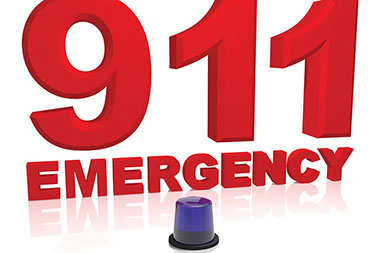
    Illustration of 911 Emergency written.

    Be aware of all the possible signs of a gas leak, including a distinct unpleasant smell. The odor is added to natural gas to help identify leaks.

    If a leak is suspected:

    *  Stay calm.

    *  Don’t light a match, candle, or cigarette, and don’t turn any electrical devices on or off, including light switches, or use any device or equipment that could cause a spark.

    *  Immediately evacuate the area where the leak is suspected and from a safe location call your gas company or 911.

    © American Institute for Preventive Medicine

  • If You Help Others, You’Ll Be Healthier

    WELL-BEING

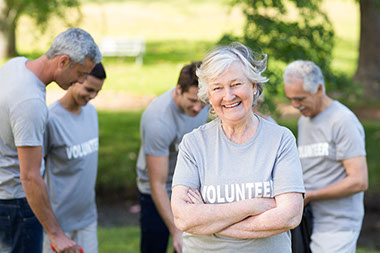
    Image of a group of volunteers.

    The benefits of volunteering or helping other people seem to pay off for the giver and not necessarily the receiver.

    Providing tangible help to others protects your health and may lengthen your life, according to a 5-year study by researchers at 3 universities.

    The lead researcher Dr. Michael J. Poulin, assistant professor of psychology at the University of Buffalo, says, “Giving assistance to others may offer health benefits to the giver by buffering the negative effects of stress.” The study was published in the American Journal of Public Health.

    Here’s why giving works. The study subjects were people from Detroit. They told researchers they had experienced stressful events during the past year such as serious illness, burglary, job loss, financial troubles, or death of a family member. They also reported the amount of time they had spent in the past year helping friends, neighbors or relatives who did not live with them. They did errands, shopping and housework. They also provided transportation, child care and other tasks.

    The researchers concluded that helping others reduced the risk of illness and death by protecting the givers, even though they themselves had significant life stress. The social interaction was an important factor.

    © American Institute for Preventive Medicine

  • National Preparedness

    WELL-BEING

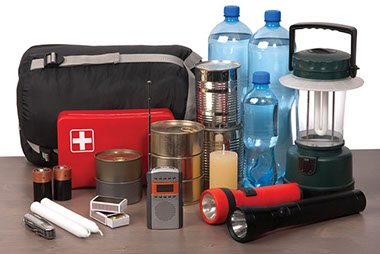
    Image of emergency kit.

    Floods, tornadoes and hurricanes are common stories in the news. Would you and your family be ready for these weather disasters and other unexpected events, such as a house fire or a terrorist attack?

    The Federal Emergency Management Agency (FEMA) in the US Department of Homeland Security wants you to learn what you need to do to be prepared for a variety of disasters. Its website,www.ready.gov, takes you through the following steps to make preparation easier:

    *  Be informed

    *  Make a plan

    *  Build a kit

    *  Get involved

    Each of these areas covers what to do when you are at home, as well as other locations. These include workplaces, schools, and college campuses. You will also find out ways to address caring for pets, aiding family members with access and functional needs and safely shutting off utilities.

    Pre-financial disaster planning is also important. Disasters leave many people without access to finances or with expensive damages. Learn what documents, such as your house deed and insurance policies to keep in a safety deposit box or other safe place away from your home. Make copies of important documents and keep them in your emergency kit or an emergency financial first aid kit (EFFAK). Get a complete list of what to put in the EFFAK fromwww.fema.gov/media-library/assets/documents/29791.

    The Centers for Disease Control and Prevention has many resources and tools to help you be prepared for disasters. Access these fromwww.cdc.gov/features/beready.

    Some disasters strike without warning, so get started today to be prepared.

    © American Institute for Preventive Medicine

  • Safer Winter Driving For Under $30

    WELL-BEING

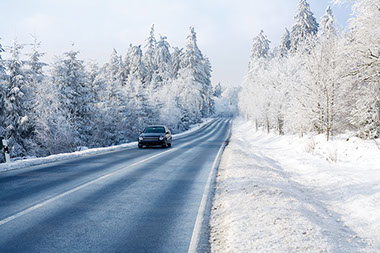
    Image of car driving down a snowy road.

    Rain, fog, snow, ice, and sleet-all the challenges of winter driving. You can’t control the weather, but you can take care to be prepared (and spend less than $30 to be safer), say auto claims experts from MetLife.

    *  Cold weather can cut the life of a car battery in half. Buy a battery tester for less than $1, and check the health of your battery to make sure you won’t be left stranded out in the cold.

    *  Check to see if your antifreeze is at the recommended 50/50 ratio of antifreeze to water to protect your car’s cooling system from freezing. Buy an antifreeze tester for less than $2.

    *  Properly inflated tires guarantee the best possible contact with the road, giving you more control. Check your air pressure to make sure it matches your tire guidelines. Air pressure drops as the temperature drops.

    *  If your windshield wipers leave a streak across the windshield, it’s time to invest in winterized wiper-blade refills (around $7).

    *  Top off the windshield wiper fluid and always carry an extra gallon ($2).

    *  Buy an ice scraper and de-icer for about $2 to break up any ice that might be blocking your vision or clogging your locks.

    *  If your car is stuck in snow or ice, have a folding snow shovel (about $7) and a bag of cat litter (around $2) handy to dig yourself out and provide traction for your tires on the slippery surface.

    *  Keep free stuff from your home in your car: old blankets, hats, gloves.

    © American Institute for Preventive Medicine