Category: Uncategorized

  • Make Your Summer Workout Easier

    BE FIT

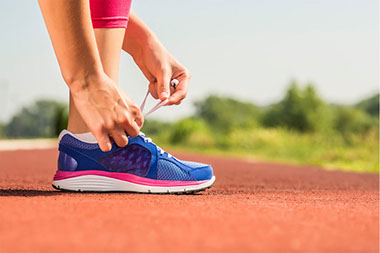
    Feet wearing tennis shoes and a bottle of water on grass.

    You can still enjoy a productive workout during the warmer months. Try these tips:

    1.Start early with water.Don’t wait to start drinking water right before you exercise. Drink water throughout the day to keep your body hydrated. Then, drink additional water during and after your workout.

    2.Go indoors when heat and humidity are too high.Don’t try to brave extreme weather with an outdoors workout. Heat exhaustion and heat stroke are dangerous and can happen to anyone. On heat advisory days, take your workout indoors.

    3.Wear the right clothes.Choose light-colored clothing that is made for sweating and workouts. Many new, lighter fabrics will keep sweat and moisture away, which makes you feel cooler. Cotton clothing is best suited for low-humidity weather conditions.

    4.Shun the midday sun.In the summer, limit or avoid heavy workouts from 10 a.m. to 4 p.m. The sun and temperatures will be hottest during these times. Instead, go out early in the morning or in the evening.

    Source: Academy of Nutrition and Dietetics

    © American Institute for Preventive Medicine

  • Move For Mental Health

    BE FIT

    Man in workout clothes, drinking water with headphones on.

    Movement doesn’t just strengthen your body. Your mental health and well-being benefit from regular exercise, too. When you move your body, every part of you feels better. This includes your thoughts, feelings, and emotions. What’s good for the body is good for the brain. While exercise is not a replacement for mental health treatment, it is a tangible way to impact your mind for the better.

    Reduced stress

    We all experience stress on a regular basis. It’s a normal and unavoidable part of life. But how we manage stress can mean the difference between a peaceful mind or one in turmoil.

    Exercise is a great stress management tool. When you get your blood pumping, it releases feel-good hormones called endorphins that counteract the effects of stress. Exercising also reduces tension and fatigue, giving you more energy to manage stressful situations.

    Better sleep

    When you don’t sleep well, it’s challenging to manage your body’s stress response. And when you don’t manage stress levels well, your body’s stress response makes it difficult to sleep.

    Exercise can interrupt this frustrating cycle. By positively influencing your natural circadian rhythm, movement makes it easier to fall asleep and sleep deeply. And a healthy dose of movement helps you feel comfortably tired at the end of the day.

    Improved mood

    Most people report they feel happier and in a better mood after exercise. And you don’t have to be a runner to feel the benefits. Whether you lift weights or take a brisk walk, the benefits are the same. Even getting up to do some chores can shake off the “blahs.”

    By increasing blood flow and alertness, movement helps you feel more confident, capable, and positive. In turn, this boost in mood supports your overall sense of well-being.

    Brain Health

    Mental health is directly related to brain health. A well-functioning, healthy brain thinks, feels, and copes better.

    Regularly getting your heart pumping is good for the blood vessels in the brain. Exercise also protects against the build-up of plaque in the vessel walls. This helps protect the brain from damage and declining function.

    © American Institute for Preventive Medicine
  • Eating & Exercise Tracker™

    Fitness

    Learn by Logging

    Each day, for 45 days, simply:

    1.  Record the date, your weight, and the hours of sleep you get per night.

    2.  Write down what you eat and drink for meals and snacks and times you have them. List calories for each. Studies have shown that people who write down what they eat and drink lose more weight than people who don’t.

    3.  Check off how many 8 oz. glasses of water you drink a day. Include fluids from other beverages.

    4.  Cross off your mood for each meal and snack.

    5.  Identify times that you eat too much or too many unhealthy foods. Doing this can help you make healthy changes, such as avoiding mindless snacking.

    6.  List physical activities you do and for how long (or how many steps you take). Writing down the activities you do helps you make physical activity a priority.

    See the “Tracking” on this page or download the “Print on Demand” for a tracking journal.

    Health Goals

    Check the healthy changes you want to make.

    *  Eat more fruits and veggies. Aim for 5-9 servings/day.

    *  Lose weight. Start with a goal of losing 10% of your current weight. Aim for a slow, steady weight loss (1-2 lbs. / week).

    *  Whittle your waist. General health goals: < 40 inches for men; < 35 inches for women

    *  Drink at least 6-8 glasses of water a day. Drinking water instead of one 12 oz. soft drink/day could help you lose 15 lbs. in a year!

    *  Get more sleep. Aim for 7-8 hours of sleep/ night.

    *  Exercise more.

    Healthy Eating Choices

    *  Lots of vegetables and fruit

    *  Less high calorie, high fat, high sugar foods

    *  Lean meat, chicken, turkey, and fish

    *  Low-fat and nonfat dairy foods

    *  Limit portion sizes for meals and snacks. Little piece or serving

    *  Labels. Read the “Nutrition Facts” on food labels. Choose foods that give dietary fiber, vitamins A and C, calcium, and iron. Choose foods that are low sugar and fat, especially trans fat and saturated fat.

    *  Limit sodium to 1,500-2,400 mgs. /day.

    *  Start the day with a healthy breakfast.

    *  Eat at regular times during the day.

    *  Eat when you are truly hungry, not as a response to boredom, stress, and emotions.

    Tip the Scales in Your Favor

    One pound of body fat is worth 3,500 calories. To lose one pound of body fat per week:

    *  Eat 500 fewer calories a day.

    *  Burn an extra 500 calories a day.

    *  Eat 250 fewer calories and burn an extra 250 calories a day (or any other combination of 3,500 calories per week).

    My Healthy Eating Plan

    Use ChooseMyPlate to help you make healthy food choices and proper serving sizes. Find out more about this and get a custom eating plan fromwww.choosemyplate.gov.

    What is a Serving?

    Grains (1 oz. serving)

    – 1 slice of bread; ½ English muffin

    – 1 cup dry cereal

    – ½ cup cooked cereal, pasta, or rice

    Veggies (1 cup serving)

    – 1 cup raw or cooked veggies

    – 2 cups raw, leafy veggies

    – 1 medium baked potato

    Fruits (1 cup serving)

    – 1 large banana, orange, or peach

    – 1 small or ½ large apple

    – 1 cup berries or 100% fruit juice

    – ½ cup dried fruit

    Milk

    – 1 cup fat-free or low-fat milk or yogurt

    – 1½ oz. hard cheese

    – 2 oz. processed cheese

    Meats & Beans (1 oz. serving)

    – 1 oz. cooked lean meats or poultry

    – 1 egg

    – ½ oz. nuts or seeds; 2 Tbsp. hummus

    – ¼ cup chickpeas, lentils, or tofu

    – 1 Tbsp. peanut butter

    Oils

    – 1 tsp. oil or trans fat-free margarine

    – 1 Tbsp. salad dressing

    Serving Size Matters

    People tend to think they eat less than what they actually do. One way to find out how much you eat is to use measuring cups and spoons and a food scale. Do this for everything you eat and drink for at least one day. You can also use common objects to estimate serving sizes.

    1 cup = 2 hands cupped or clenched fist

    ½ cup = Computer mouse

    1 oz. = Domino

    3 oz. =  Deck of cards

    1 Tbsp. = One die

    2 Tbsp. = 1 ping-pong ball

    1½ oz. low-fat cheese =  4 dice

    Physical Activity Guidelines

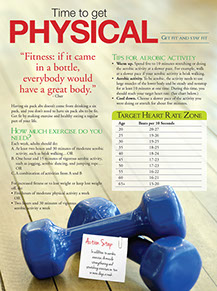
    Each week, adults should do at least  2 hrs. and 30 min. of moderate-intensity physical activity, such as walking, gardening, and water aerobics or 1 hr. and 15 min. of vigorous-intensity physical activity, such as jogging, race walking, and swimming laps.

    To lose and control your weight, you may need to increase these times. Start slowly. Build gradually. Consult your health care provider before beginning an exercise program.

    Source: http://whatscookingamerica.net/Information/CalorieBurnChart.htm

    Cover image to the Eating and Exercise Tracker book by the American Institute for Preventive Medicine. www.HealthyLife.com. All rights reserved.

    © American Institute for Preventive Medicine
  • Make An Appointment To Exercise & Keep It

    Fitness

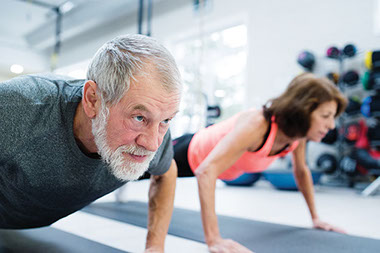
    Image of an exercise class.

    Like many people, you’re probably wondering when you’ll find the time to exercise when your days are already jam-packed with job responsibilities, family demands, and other obligations. It’s true that trying to fit something new, like exercise, into a busy schedule takes some doing. But it can be done. Here are some pointers to get you started.

    *  Make an appointment to exercise, just as you would schedule any other important obligation, and write it on your calendar.

    *  Choose an exercise or fitness activity that you’ll enjoy, so you’ll look forward to your workout and be less tempted to skip it.

    *  Look for openings in your schedule you may have overlooked-after the kids leave for school in the morning, before dinner, or during lunch hours you normally spend with friends or business colleagues.

    *  And one more thing: Don’t give up if you occasionally have to skip your workout because of a cold, bad weather, or emergencies. Perfect attendance isn’t important.

    Exercise Early

    What’s the best time of day to exercise? A study conducted by the Southwest Health Institute in Phoenix, Arizona, showed that 75 percent of morning exercisers were likely to still be at it one year later, as opposed to 50 percent of those who exercised at midday and 25 percent of those who exercised in the evening. It seems that as the day progresses, would-be exercisers are more likely to think of excuses to avoid working out.

    Page image from A Year of Health Hints book by the American Institute for Preventive Medicine. www.HealthyLife.com. All rights reserved.

    © American Institute for Preventive Medicine

  • Walk For Wellness

    Fitness

    Older women on a walk and using walking sticks.

    Many of us take it for granted, but walking does more than take us from one point to another. It’s an aerobic exercise that can improve your physical and emotional health. Walking can lower your risk of, and help manage, heart disease, diabetes, depression, and sleep issues, and can help you maintain a healthy weight.

    And best of all? It doesn’t require a gym membership or expensive equipment. Indoors or out, walking is a positive step towards living a healthier life.

    Page from HealthyLife Weigh book by the American Institute for Preventive Medicine. www.HealthyLife.com. All rights reserved.

    © American Institute for Preventive Medicine

  • Cancer-Fighting Foods

    HEALTHY EATING

    Top view cup of tea and tea pot.

    A healthy diet plays an important role in supporting a healthy immune system. And a strong immune system can prevent and neutralize cancer cells.

    Some specific foods contain compounds that have cancer-fighting properties. While more research is needed, these foods may offer protective benefits in a balanced diet.

    Colorful fruits & vegetables

    The rich color of fruits and vegetables comes from phytonutrients, plant compounds that provide health benefits.

    Eating a variety of different colored fruits and vegetables provides the body with a wealth of potent antioxidants, vitamins, and minerals to support good health.

    Dark green and orange vegetables, tomatoes, cruciferous vegetables, and alliums (onions, garlic, etc.) show particular promise for cancer-fighting ability.

    Beans, peas, & lentils

    Packed with fiber and nutrients, pulses such as beans, peas, and lentils show evidence of lowering the risk of colorectal cancer.

    Regular consumption of these powerful plants provides a boost of fiber that feeds and nourishes the microbiome in the gut.

    Your microbiome is an essential player in the immune system and one of the first lines of defense against colon cancer growth.

    Walnuts

    While all kinds of nuts and seeds should be part of a healthy plant-based diet, walnuts deserve a special mention.

    Walnuts contain healthy fats and plant compounds called polyphenols which may combat oxidative stress in the body.

    The tannins in walnuts give them their distinctive taste and may also provide cancer-fighting benefits.

    Tea

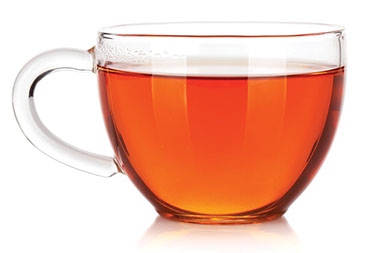
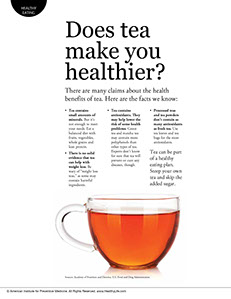
    Your daily cup of tea is more than a soothing drink. Tea contains flavonoids. These compounds act as antioxidants, reduce inflammation, and may potentially be anti-carcinogens.

    The plants found in tea create flavonoids as part of their own personal protection system. When you drink tea, those same compounds that protect the plants from disease and pests go to work defending you.

    © American Institute for Preventive Medicine
  • Eat Your Greens

    HEALTHY EATING

    Variety of greens.

    Spring is fresh greens season. Lettuce, kale, arugula, swiss chard, and spinach are among the first fruits of the garden due to their cold tolerance and rapid growth.

    While they are easy to grow, their delicate leaves and short shelf life mean they won’t last long in your fridge. How you clean and store them will determine whether you get a crisp salad or a bitter bite.

    When properly handled and prepared, spring greens are a healthy source of vitamins A and K, plus calcium, potassium, and a wealth of phytochemicals.

    Here is what you need to know to get the most out of your spring greens:

    Plan to eat the greens within a day or two:

    *  Separate the leaves and soak them in an ice-water bath once you get them home. The ice-cold water will keep them crisp and help prevent nutrient loss.

    *  Pat the leaves dry or spin in a salad spinner to remove excess moisture.

    *  Store clean, dry greens in a sealed container or bag.

    *  Eat within a few days.

    Plan to hold the greens for several days before eating:

    *  Wait to wash them until you are ready to eat them.

    *  Rinse with water, or soak in an ice water bath to refresh the leaves.

    *  Pat dry or spin in a salad spinner to remove excess moisture.

    *  Gently tear leaves into bite-sized pieces and use immediately.

    © American Institute for Preventive Medicine

  • Healthy Weight, Healthy Kids

    HEALTHY EATING

    Young child smiling eating vegetables.

    Many kids struggle to be at a healthy weight. They may be overweight or obese. Childhood obesity can cause serious health problems now and later in life.

    There is no simple fix, but there are ways we can help children get or stay healthy.

    What is childhood obesity?

    In adults, a BMI of 40 or higher is considered obese. It’s not the same with children. A child’s age and gender must be considered when calculating their BMI. In children, this is called BMI-for-age. This is because children’s body fat amounts vary as they grow.

    Percentiles matter when looking at a child’s BMI. A child whose BMI is at or above the 95th percentile may have obesity. This means their BMI is higher than 95 percent of other children of their age and gender. Your child’s doctor can help you calculate their BMI.

    Why is it unhealthy?

    Children with obesity are at a higher risk of:

    *  Asthma

    *  Sleep apnea

    *  Type 2 diabetes

    *  Bone and joint problems

    *  High blood pressure

    *  Unhealthy cholesterol levels

    What can adults do?

    *  Take them for regular doctor checkups. Your child’s doctor can offer eating and exercise advice.

    *  Allow them to eat fruits and vegetables in place of processed foods high in fat and sugar.

    *  Have them drink water in place of juice or soda.

    *  Aim for one hour of activity each day. This can be walking, biking or dancing. Choose things they enjoy!

    *  Make sleep a priority. Most children need at least eight hours. Ask your child’s doctor about this.

    Sources: Centers for Disease Control and Prevention, U.S. Department of Health and Human Services

    © American Institute for Preventive Medicine
  • Organic Food & The Dirty Dozen™

    HEALTHY EATING

    Varity of fruits.

    In recent decades, as organic foods became available, more people are asking if their fruits and vegetables need to be organic.

    At the moment, the debate about organic foods is ongoing. While there appears to be environmental benefits to organic farming practices, more research is needed to show how organic food impacts long-term health.

    Pros & cons of organic

    In order for a food to be certified “organic” by the USDA it must meet certain criteria. These include:

    *  No prohibited pesticides or synthetic fertilizers

    *  No hormones or antibiotics

    *  No GMOs or artificial preservatives

    *  Organic soil managment

    *  Animals provided natural conditions such as grass pastures

    *  Healthy water systems

    These standards generally result in farming practices that have less negative environmental impact. In addition, the absence of pesticides and hormones may benefit human health. But, for all the reasons organic food may be good, there is one big reason it can be out of reach: COST.

    When farmers practice organic techniques, it requires more time and effort, leading to higher food costs.

    Make organic affordable

    If you want to purchase organic without breaking the bank, one option is to simplify by focusing on The Dirty Dozen™.

    The Dirty Dozen™ is a list released each year by the Environmental Working Group, a non-profit organization focused on improving agriculture in the U.S. The fruits and vegetables on this list contain the highest concentrations of pesticides of any produce. If you’re going to buy organic, these foods are the best place to start.

    Choosing organic when you buy The Dirty Dozen™ allows you to make the biggest impact with the fewest dollars.

    The Dirty Dozen™

    1.  Strawberries

    2.  Spinach

    3.  Kale, collard greens, and mustard greens

    4.  Nectarines

    5.  Apples

    6.  Grapes

    7.  Cherries

    8.  Peaches

    9.  Pears

    10. Bell and hot peppers

    11. Celery

    12. Tomatoes

    Not buying organic? No problem!

    If organic isn’t the right choice for you, don’t worry. What’s most important is making healthy food choices, regardless of the organic label.

    Just be sure to thoroughly clean any fruits and vegetables you buy. A good wash protects you from contaminants and can reduce pesticide residue.

    © American Institute for Preventive Medicine

  • Orange Honeyed Winter Squash

    HEALTHY EATING

    Orange honeyed winter squash on plate.

    Ingredients

    *  3 acorn squash (small)

    *  2 tablespoons orange juice

    *  1/4 cup honey

    *  2 tablespoons butter or margarine

    *  nutmeg (1/8 teaspoon, optional)

    Directions

    1.  Preheat oven to 400 degrees.

    2.  Cut squash in half. Remove seeds and place halves cut side up in a shallow baking pan.

    3.  In a small bowl, combine orange juice and honey. Mix well. Pour a small amount of this mixture into each squash cavity.

    4.  Add 1 teaspoon of butter/margarine to each squash half. Sprinkle with nutmeg, if desired.

    5.  Cover pan with aluminum foil to keep steam in and speed cooking.

    6.  Bake covered for 30 minutes. Remove foil and continue baking for 30 minutes more, or until squash is tender.

    Nutritional Information: Servings 6

    Per serving: 166 calories, 4 g total fat, 2 g saturated fat, 8 mg sodium, 35 g carbohydrates, 3 g fiber, and 2 g protein.

    © American Institute for Preventive Medicine