Category: Uncategorized

  • Passive-Aggressivebehavior

    Mental Health

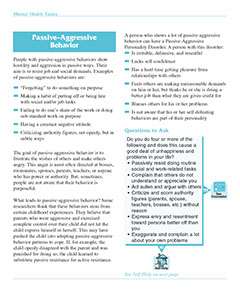
    People with passive-aggressive behaviors show hostility and aggression in passive ways. Their aim is to resist job and social demands. Examples of passive-aggressive behaviors are:

    *  “Forgetting” to do something on purpose

    *  Making a habit of putting off or being late with social and/or job tasks

    *  Failing to do one’s share of the work or doing sub-standard work on purpose

    *  Having a constant negative attitude

    *  Criticizing authority figures, not openly, but in subtle ways

    Signs, Symptoms & Causes

    The goal of passive-aggressive behavior is to frustrate the wishes of others and make others angry. This anger is most often directed at bosses, roommates, spouses, parents, teachers, or anyone who has power or authority. But, sometimes, people are not aware that their behavior is purposeful.

    What leads to passive-aggressive behavior? Some researchers think that these behaviors stem from certain childhood experiences. They believe that parents who were aggressive and exercised complete control over their child did not let the child express himself or herself. This may have pushed the child into adopting passive-aggressive behavior patterns to cope. If, for example, the child openly disagreed with the parent and was punished for doing so, the child learned to substitute passive resistance for active resistance.

    A person who shows a lot of passive-aggressive behavior can have a Passive-Aggressive Personality Disorder. A person with this disorder:

    *  Is irritable, defensive, and resentful

    *  Lacks self-confidence

    *  Has a hard time getting pleasure from relationships with others

    *  Feels others are making unreasonable demands on him or her, but thinks he or she is doing a better job than what they are given credit for

    *  Blames others for his or her problems

    *  Is not aware that his or her self-defeating behaviors are part of their personality

    Questions to Ask

    Self-Help

    *  Take an assertiveness training course – these are offered at many hospitals, colleges, high schools, churches, and community education programs. Assertiveness training can help you express your feelings in the proper manner instead of using “hidden aggression.”

    *  Stand back and try to look at your problems in an objective way. Determine if your own actions contribute to your problems, not the actions of everyone else.

    *  Confront your problems. Make your needs, desires, and feelings known to others instead of holding them in. Do this for one problem at a time. For example, if you stall on doing a project:

    – Break it down into smaller parts.

    – Make a check list to complete each part and check each item off as it is completed.

    – Give yourself a meaningful reward with each item checked off.

    – Focus on pleasing yourself with each completed task, not making someone else mad if the task is not done.

    *  Seek professional counseling if Self-Help do not improve your problem. You may need the help of a skilled therapist to help you get in touch with the underlying anger and pain which causes you to act in a passive-aggressive way.

    What You Can Do to Help Someone

    *  Learn to recognize the signs of a Passive-Aggressive Personality Disorder. If you think that your friend or relative may have this disorder, encourage them to see their physician or counselor. Do so in a caring and assertive way. Let the person’s physician know about your observations if you are the person’s parent or spouse.

    *  Encourage the person to take an assertiveness training course or other course that teaches effective ways to communicate.

    *  Don’t make excuses for your friend’s or relative’s behavior. Don’t do their work for them or “bail them out” when they do not take care of their own responsibilities.

    Minding Your Mental Health Book. Published by the American Institute for Preventive Medicine. www.HealthyLife.com. All rights reserved.

    © American Institute for Preventive Medicine
  • Medication Basics

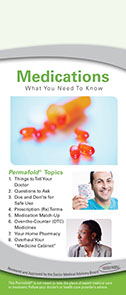
    Medication

    Image of female pharmacist.

    Tell Your Doctor

    Before medicine is prescribed for you, let your doctor know the names and doses of all of the medicines and dietary supplements you take. Let your doctor know if you have medicine allergies or have had bad side effects from a medicine. Be prepared to discuss other concerns, too.

    *  Bring all of your prescribed and over-the-counter (OTC) medicines, vitamins, and herbs, in their original containers, with you to office visits.

    *  Ask your health insurance plan for a printout of the prescribed medicines you take.

    *  Make an easy-to-use “pill card” at the Web site:www.ahrq.gov/qual/pillcard/pillcard.htm.

    *  Use the “Medicine Record Form” below. Fill in the lines and check boxes as needed. Add new medicines when you get them. Make copies of the blank form so you can use it again.

    *  If it is hard for you to swallow pills

    *  If cost is a factor. There may be a generic or lower-cost medicine.

    *  If you use alcohol, tobacco, or “street” drugs

    *  If your health plan has a list of medicines they use. This is called a formulary. Your health plan provides a list. Take the list with you.

    *  If your health plan lets you order 3 months worth of prescriptions by mail. Your doctor will have to write the prescription for a 3-month supply.

    *  If another health provider is treating you for any problem, such as high blood pressure

    *  If you are or could be pregnant or if you are breast-feeding

    Questions to Ask

    When prescribed medicines, get answers to the below questions.

    *  What is the name of the medicine? What will it do? When should it be taken?

    *  How long should it be taken?

    – Do I need to get one or more refills?

    – Will I need more or less of this medicine as time goes on?

    – Will I need this medicine the rest of my life?

    – Is there a way to measure if what I take is enough or too much? Are any tests needed to show if the medicine is helping?

    – How often should we review my use of this medicine?

    *  Are there side effects? What do I do about side effects, if I have any? Which side effects should I let you know about?

    *  Should I take it with a lot of fluids? If so, how many ounces of fluid per day?

    *  Should I take it with food or on an empty stomach?

    *  Is there anything I should avoid while taking it (e.g., alcohol, grapefruit juice, sunlight, etc.)?

    *  Is there a generic form?

    *  How should I store the medicine? Is the medicine less potent once the container is opened?

    *  Will it interact or interfere with other medicines I am taking?

    *  Should I stop taking it if I feel better?

    *  What should I do if I miss a dose? Should I take it as soon as I remember or should I wait until the next scheduled dose? If I miss a dose (or more), how will this affect other medicines I take? Do I need to change how I take any of them?

    *  Do you have any written information on the medicine? (You can ask your pharmacist for this, too.)

    Dos and Don’ts

    Dos for Safe Use

    *  Use the same pharmacy for all prescribed medicines. Your pharmacist can check for harmful interactions.

    *  Check with your doctor or pharmacist before taking OTC medicines, herbal products, and supplements.

    *  When you get your medicine, read the label and look at the medicine. If you have any concerns, tell your pharmacist.

    *  Keep medicines in their original containers and out of the reach of children.

    *  Throw away all expired medicines. Crush pills. Dissolve them in water. Mix this with used coffee grounds or kitty litter and put it in the trash in a sealable bag.

    *  Try to reduce the need for medicines, such as sleeping pills and laxatives. Check with your doctor on ways, other than medicines, to help treat your problems.

    Don’ts for Safe Use

    *  Don’t stop taking medicines your doctor has prescribed, even if you feel better. Check with your doctor first.

    *  Don’t drink alcohol while on a medicine if you don’t know its effect. Some medicines, such as sedatives, can be deadly when used with alcohol. Read medicine labels for warnings.

    *  Never take someone else’s prescribed medicine. Don’t give your prescribed medicine to others.

    *  Don’t take medicine in the dark. Make sure the light is on so you can read the label. Wear your glasses or contact lenses, if you need to.

    *  Don’t buy an OTC medicine if the package is damaged or has been tampered with.

    Tips to Make Sure You Take Your Medicine(s)

    *  Follow your treatment plan. Keep a current Medicine Record Form. Check it regularly.

    *  Use products called compliance aids:

    – Check-off calendars

    – Containers with sections for daily doses. Some have 4 separate sections for each day; one each for Breakfast, Lunch, Dinner, and Bedtime.

    – Caps (or wristwatches) that beep when it is time to take a dose

    *  Ask family members or friends to remind you to take a dose and check that you took it.

    *  Talk to your doctor if you don’t take your medicines as prescribed. It’s okay to feel guilty or embarrassed. But don’t let this stop you from talking to your doctor.

    OTC Medicines

    Over-the-Counter (OTC) Medicines

    Over-the-counter (OTC) medicines are ones that you can get without a prescription. In general, they are less potent than prescribed ones.

    Use OTC Medicines Wisely

    *  Ask your doctor what OTC products you should avoid and which ones are safe for you to use. These include herbal products and supplements. Find out what your doctor prefers you take for pain and fever. Ask your pharmacist if an OTC medicine is safe for you to take with your prescribed medicines.

    *  Do not exceed the dose on a label or take OTC medicines on a regular basis unless your doctor tells you to.

    *  If you have an allergy to a medicine, check for it in the list of ingredients on all medicines.

    *  Read information and warnings on the label to help you decide whether or not the product is safe for you to take. Check with your doctor or pharmacist, too. For information on reading OTC medicine labels, accesswww.fda.gov. Search for “Over-the-Counter Medicine Label.”

    *  Don’t take an OTC medicine if you are pregnant or nursing a baby unless your doctor says it is okay.

    *  Be sure to store medicines in a convenient dry place, out of children’s reach.

    *  Don’t ever tell children that medicine is candy.

    *  Before you take an OTC medicine, check the expiration date. Replace items as needed.

    Your Home Pharmacy

    Medication brochure by the American Institute for Preventive Medicine. www.HealthyLife.com. All rights reserved.

    © American Institute for Preventive Medicine

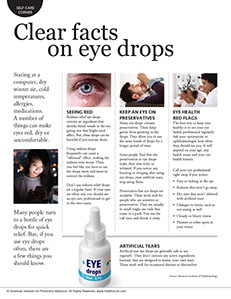
  • Clear Facts On Eye Drops

    SELF-CARE CORNER

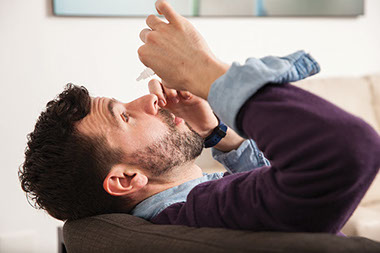
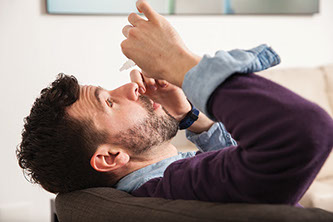
    Image of man placing eye drop in eye.

    Staring at a computer, dry winter air, cold temperatures, allergies, medications. A number of things can make eyes red, dry or uncomfortable.

    Many people turn to a bottle of eye drops for quick relief. But, if you use eye drops often, there are a few things you should know.

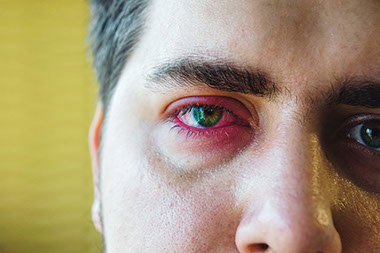
    Seeing red

    Redness relief eye drops contain an ingredient that shrinks blood vessels in the eye, giving you that bright-eyed effect. But, these drops can be harmful if you overuse them.

    Using redness drops frequently can cause a “rebound” effect, making the redness even worse. Then you feel like you have to use the drops more and more to control the redness.

    Don’t use redness relief drops on a regular basis. If your eyes are often red, you should see an eye care professional to get to the root cause.

    Artificial tears

    Artificial tear eye drops are generally safe to use regularly. They don’t contain any active ingredients. Instead, they are designed to mimic your own tears. These work well for occasional dryness or discomfort.

    Keep an eye on preservatives

    Many eye drops contain preservatives. These keep germs from growing in the drops. They allow you to use the same bottle of drops for a longer period of time.

    Some people find that the preservatives in eye drops make their eyes itchy or irritated. If you notice any burning or stinging after using eye drops, even artificial tears, stop using them.

    Preservative-free eye drops are available. These work well for people who are sensitive to preservatives. They are usually in small single-use vials that come in a pack. You use the vial once and throw it away.

    Eye health red flags

    The best way to keep eyes healthy is to see your eye health professional regularly. Ask your optometrist or ophthalmologist how often they should see you. It will depend on your age, any health issues and your eye health history.

    Call your eye professional right away if you notice:

    *  Pain or itching in the eye

    *  Redness that won’t go away

    *  Dry eyes that aren’t relieved with artificial tears

    *  Changes in vision, such as not seeing as well

    *  Cloudy or blurry vision

    *  Floaters or other spots in your vision

    Source: American Academy of Ophthalmology

    © American Institute for Preventive Medicine
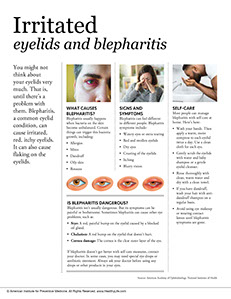
  • Irritated Eyelids And Blepharitis

    SELF-CARE CORNER

    Grandfather and grandson flexing arms.

    You might not think about your eyelids very much. That is, until there’s a problem with them. Blepharitis, a common eyelid condition, can cause irritated, red, itchy eyelids. It can also cause flaking on the eyelids.

    What causes blepharitis?

    Blepharitis usually happens when bacteria on the skin become unbalanced. Certain things can trigger this bacteria growth, including:

    *  Allergies

    *  Mites

    *  Dandruff

    *  Oily skin

    *  Rosacea

    Signs and symptoms

    Blepharitis can feel different to different people. Blepharitis symptoms include:

    *  Watery eyes or extra tearing

    *  Red and swollen eyelids

    *  Dry eyes

    *  Crusting of the eyelids

    *  Itching

    *  Blurry vision

    Self-care

    Most people can manage blepharitis with self-care at home. Here’s how:

    *  Wash your hands. Then apply a warm, moist compress to each eyelid twice a day. Use a clean cloth for each eye.

    *  Gently scrub the eyelids with water and baby shampoo or a gentle eyelid cleanser.

    *  Rinse thoroughly with clean, warm water and dry with a clean towel.

    *  If you have dandruff, wash your hair with anti-dandruff shampoo on a regular basis.

    *  Avoid using eye makeup or wearing contact lenses until blepharitis symptoms are gone.

    Is blepharitis dangerous?

    Blepharitis isn’t usually dangerous. But its symptoms can be painful or bothersome. Sometimes blepharitis can cause other eye problems, such as:

    *Stye:A red, painful bump on the eyelid caused by a blocked oil gland.

    *Chalazion:A red bump on the eyelid that doesn’t hurt.

    *Cornea damage:The cornea is the clear outer layer of the eye.

    If blepharitis doesn’t get better with self-care measures, contact your doctor. In some cases, you may need special eye drops or antibiotic ointment. Always ask your doctor before using any drops or other products in your eyes.

    Sources: American Academy of Ophthalmology, National Institutes of Health

    © American Institute for Preventive Medicine
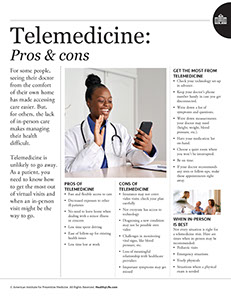
  • Telemedicine: Pros & Cons

    SELF-CARE CORNER

    Doctor smilng and waving Hi while on a telemedicine call.

    For some people, seeing their doctor from the comfort of their own home has made accessing care easier. But, for others, the lack of in-person care makes managing their health difficult.

    Telemedicine is unlikely to go away. As a patient, you need to know how to get the most out of virtual visits and when an in-person visit might be the way to go.

    Pros of telemedicine

    *  Fast and flexible access to care

    *  Decreased exposure to other ill patients

    *  No need to leave home when dealing with a minor illness or concern

    *  Less time spent driving

    *  Ease of follow-up for existing health issues

    *  Less time lost at work

    Cons of telemedicine

    *  Insurance may not cover video visits; check your plan carefully

    *  Not everyone has access to technology

    *  Diagnosing a new condition may not be possible over video

    *  Challenges in monitoring vital signs, like blood pressure, etc.

    *  Loss of meaningful relationship with healthcare providers

    *  Important symptoms may get missed

    Get the most from telemedicine

    *  Check your technology set-up in advance.

    *  Keep your doctor’s phone number handy in case you get disconnected.

    *  Write down a list of symptoms and questions.

    *  Write down measurements your doctor may need (height, weight, blood pressure, etc.).

    *  Have your medication list on-hand.

    *  Choose a quiet room where you won’t be interrupted.

    *  Be on time.

    *  If your doctor recommends any tests or follow-ups, make those appointments right away.

    When in-person is best

    Not every situation is right for a telemedicine visit. Here are times when in-person may be recommended:

    *  Pediatric visits

    *  Emergency situations

    *  Yearly physicals

    *  Situations where a physical exam is needed

    © American Institute for Preventive Medicine
  • Burn Calories Without Trying

    BE FIT

    Image of women holding up tablet with calorie tracking.

    When you’re not exercising, you can still burn extra calories! Use little ways to get more fit every day.

    Don’t make things convenient.

    Take the stairs instead of the elevator. Park farther away from your destination and walk. Use your bike instead of a car for quick grocery store runs. Put your favorite snack foods in the basement, rather than on the main floor near the TV.

    Get up.

    Take a short break every hour if you sit at a desk. Get up, move your arms and legs or even do a few jumping jacks. Use a hands-free headset so you can get up and walk or lift weights while you’re on the phone. Have a meeting? See if you can stand during part of it or even have a walking meeting.

    Sneaky exercises.

    Do some isometric exercises if you sit a lot. Try squeezing your glute muscles and knees together for eight counts, holding for five seconds then release. Do this every couple of hours.

    Move whenever you can. Walk in place instead of standing still.

    © American Institute for Preventive Medicine
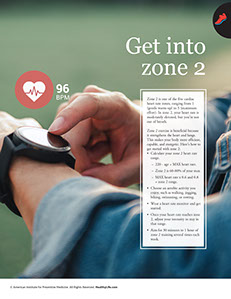
  • Get Into Zone 2

    BE FIT

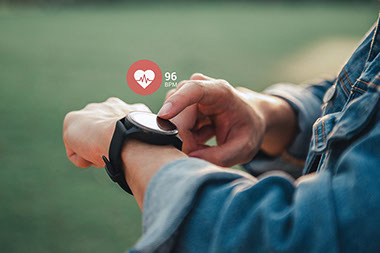
    Close up of man using smart watch with heart beat showing at 96 bpm.

    Zone 2 is one of the five cardiac heart rate zones, ranging from 1 (gentle warm-up) to 5 (maximum effort). In zone 2, your heart rate is moderately elevated, but you’re not out of breath.

    Zone 2 exercise is beneficial because it strengthens the heart and lungs. This makes your body more efficient, capable, and energetic. Here’s how to get started with zone 2:

    *  Calculate your zone 2 heart rate range.

    – 220 – age = MAX heart rate.

    – Zone 2 is 60-80% of your max.

    – MAX heart rate x 0.6 and 0.8 = zone 2 range.

    *  Choose an aerobic activity you enjoy, such as walking, jogging, biking, swimming, or rowing.

    *  Wear a heart rate monitor and get started.

    *  Once your heart rate reaches zone 2, adjust your intensity to stay in that range.

    *  Aim for 30 minutes to 1 hour of zone 2 training several times each week.

    © American Institute for Preventive Medicine
  • Tips For Exercise After Knee Replacement

    BE FIT

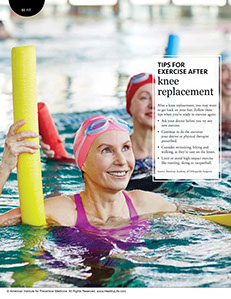
    Three older women doing water exercises.

    After a knee replacement, you may want to get back on your feet. Follow these tips when you’re ready to exercise again:

    *  Ask your doctor before you try any new exercise.

    *  Continue to do the exercises your doctor or physical therapist prescribed.

    *  Consider swimming, biking and walking, as they’re easy on the knees.

    *  Limit or avoid high-impact exercise like running, skiing or racquetball.

    Source: American Academy of Orthopaedic Surgeons

    © American Institute for Preventive Medicine
  • Benefits Of Walking

    Fitness

    Couple hiking through trees with walking sticks.

    Walking doesn’t make just your feet happy. It is good for your whole body!

    *  Great way to keep fit without risk of injury.

    *  Special equipment not needed.

    *  Burns calories. Builds stamina.

    *  Enhances muscle tone. Makes the heart stronger.

    *  Helps relieve stress and lifts your mood.

    *  Aids digestion and regularity.

    *  Enhances feelings of well-being.

    *  Lowers the risk of, and helps manage, diabetes, heart disease, high blood pressure, and osteoporosis.

    Page from HealthyLife Weigh book by the American Institute for Preventive Medicine. www.HealthyLife.com. All rights reserved.

    © American Institute for Preventive Medicine