Category: Uncategorized

  • Alcohol Increases Risk For Breast Cancer

    SELF-CARE CORNER

    Image of middle-aged women smiling wearing a pink blazer.

    Breast cancer is the second leading cause of cancer death for women in the United States, after lung cancer. Dr. Erica Mayer, a breast cancer expert at Dana-Farber Cancer Institute, says there are at least 5 simple ways women can reduce their risk of getting the disease:

    1.Limit alcohol.Research has shown having too much alcohol can increase your risk of breast cancer. If you choose to drink alcohol-including beer, wine, or liquor-limit yourself to no more than one half to one drink a day on average.

    2.Get a mammogram.Many health organizations advise women to get regular mammograms starting at age 40. “Mammography screening does not prevent or cure breast cancer, but it may detect the disease before symptoms occur,” said Dr. Mayer.

    3.Eat a healthy diet and keep your weight under control.The American Cancer Society recommends a diet rich in vegetables, fruits, whole grains, and fiber. “High-fat diets can lead to being overweight or obese, which is a risk factor for breast cancer,” said Dr. Mayer.

    4.Exercise.There’s growing evidence that physical activity reduces a woman’s breast cancer risk.

    5.Determine if you have family history of breast cancer and be vigilant to early detection.Twenty to 30% of people who develop breast cancer have a family history of the disease. About 5 to 10% of women carry a BRCA1 or BRCA 2 mutation, the so called “breast cancer genes.”

    © American Institute for Preventive Medicine
  • Face Facts About Acne

    SELF-CARE CORNER

    Image of young women washing her face.

    Acne. It’s embarrassing. It’s annoying. And it’s the most common skin condition in the U.S. Fortunately, acne can often be reduced with simple changes to your skin care routine, say experts from the American Academy of Dermatology.

    For clearer skin, follow these tips:

    *  Wash twice a day and after sweating. Perspiration, especially when wearing a hat or helmet, can make acne worse, so wash your skin as soon as possible after sweating.

    *  Use your fingertips to apply a gentle, non-abrasive cleanser. Using a washcloth, mesh sponge, or anything else can irritate the skin. Do not use skin care products that irritate the skin, which may include astringents, toners, and exfoliants. Dry, red skin makes acne appear worse.

    *  Rinse with lukewarm water.

    *  Shampoo regularly. If you have oily hair, shampoo daily.

    *  Let your skin heal naturally. If you pick, pop or squeeze your acne, your skin will take longer to clear and you increase your risk of getting acne scars.

    *  Keep your hands off your face. Touching your skin throughout the day can cause flare-ups.

    *  Stay out of the sun and tanning beds. Tanning damages your skin. In addition, some acne medications make the skin very sensitive to ultraviolet (UV) light, which you get from both the sun and indoor tanning devices.

    *  See a skin specialist for the most current treatments.

    © American Institute for Preventive Medicine

  • Kick Cigarettes Out Of Your House

    SELF-CARE CORNER

    Image of the word "Quit" spelled within a pile of tobacco with a crused cigarette.

    You know that smoking can cause health problems, including heart disease and cancer. But if you smoke inside your home, you could be hurting everyone who lives with you. Anyone who is around cigarette smoke is exposed to secondhand smoke.

    *  Secondhand smoke contains more than 4,000 chemicals. Many of these have been proven to cause cancer and irritate the lungs.

    *  Secondhand smoke can trigger asthma attacks and they happen more often and with more severity in children.

    *  Children whose parents smoke have more ear infections, bronchitis and pneumonia.

    You and your family can be healthier if you don’t allow any smoking in your home. And don’t allow guests to smoke in your home or around your children. If your children regularly visit another home, such as a child care provider, make sure no one smokes in that home.

    If you need help quitting, call 1-800-QUIT-NOW or visitsmokefree.govfor free resources.

    Source: Asthma and Allergy Foundation of America

    © American Institute for Preventive Medicine
  • Got Breakouts? Proven Tips For Clear Skin

    SELF-CARE CORNER

    Image of man looking at face in mirror.

    Acne can be an emotionally challenging condition for people of almost any age. The American Academy of Dermatology says acne affects up to 50 million people each year.

    Fortunately, there are a variety of products that can help you manage acne. If you or your child is dealing with acne, check out some of the most popular options to treat this condition.

    Salicylic acid

    What it does:Reduces redness and unclogs pores.

    Side effects:Minor redness, peeling or stinging.

    How to get it:Drugstore acne cleansers, toners, pads and creams. Dermatologists offer higher strength products and peels.

    Benzoyl peroxide

    What it does:Kills bacteria in the pores that causes acne.

    Side effects:Dryness, redness, peeling or stinging. May bleach hair or clothing.

    How to get it:Drugstore acne washes, creams and gels. Dermatologists offer products that combine benzoyl peroxide with other ingredients, such as an antibiotic.

    Retinoid

    What it does:Decreases the buildup of cells within pores.

    Side effects:Dryness, redness, peeling and burning that can be severe. Should not be used by pregnant or breastfeeding women or women who may become pregnant.

    How to get it:Only available from a dermatologist. Usually used for moderate to severe acne only.

    Antibiotics

    What it does:Kills acne bacteria on the skin.

    Side effects:Dryness and irritation. Some antibiotics can cause antibiotic resistance, especially if not used as directed by a doctor. This means the bacteria is no longer affected by the antibiotic and the medicine will no longer work correctly.

    How to get it:Only available from a dermatologist. Some antibiotics are applied to the skin. Others are taken as a pill.

    Getting breakouts under control can improve self-confidence and emotional well-being. If drugstore products don’t work for you, ask your doctor about stronger options. If your acne treatment is too drying, try a facial moisturizer labeled “non-comedogenic,” which means it won’t clog pores.

    © American Institute for Preventive Medicine

  • Teeth Grinding: Causes And Solutions

    SELF-CARE CORNER

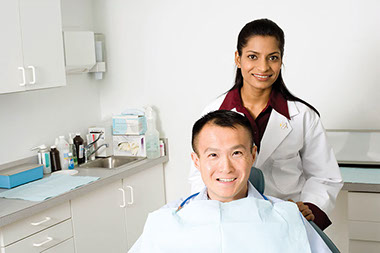
    Image of dentist with a patient.

    Teeth grinding is a movement disorder of the jaw in which there is gnashing, grinding, or clenching of the teeth. It’s called bruxism. Often, people are unaware of their habit.

    The two primary types of teeth grinding are sleep bruxism, which occurs during sleep, and awake bruxism, which occurs when the person is awake.

    There is not a single contributing factor that results in teeth grinding or bruxism, rather it is believed to be the result of complex interactions between many factors, including stress, tension and anxiety; levels of certain chemicals in the brain; other sleep disorders such as snoring or sleep apnea; or a response to pain from earaches or teething (in children).

    “Teeth grinding is most often diagnosed by a combination of information derived from a history reported by the patient and a clinical exam performed by the patient’s dentist,” according to Dr. Erica Harvey, a representative of the Pennsylvania Dental Association.

    While some people noticeably grind their teeth, 80% make no sound, which makes bruxism even harder to discover. Common symptoms include reports of grinding noises during sleep by family members, tooth hypersensitivity, fractured, chipped or worn teeth, and waking up with a constant, dull headache or sore jaws.

    Regular dental checkups can help detect bruxism, and your dentist may recommend these methods to help stop or relieve the symptoms:

    *  Find ways to reduce your stress level and relax.

    *  Avoid or limit the amount of caffeine and alcohol you consume.

    Ask your dentist about the use of a nightguard to prevent further wear of your teeth.

    © American Institute for Preventive Medicine
  • What To Know About Whooping Cough

    SELF-CARE CORNER

    Image of man coughing.

    Pertussis, or whooping cough, is more than just an annoying cough. It is a serious and highly contagious disease. The coughing is so severe it causes those affected to gasp for air in between coughs, which make a “whooping” sound that can last for weeks or months. The cough may cause a person to stop breathing temporarily, turn blue, and even vomit. Many people are unable to eat or sleep due to the severe coughing spells. It can lead to complications, such as pneumonia, cracked ribs, and seizures. It can also be life-threatening.

    Whooping cough is on the rise in the U.S. Here’s what you should know to protect yourself and those around you.

    You can spread it before you even know you have it.

    Whooping cough may feel like you have a cold at first. This stage lasts one to two weeks. It often includes a runny nose, sneezing, low-grade fever, and a mild cough. Unfortunately, many people don’t realize they have whooping cough during this stage and can spread it to others.

    Infants under 6 months of age are the most likely to die from pertussis.

    Babies are given whooping cough vaccine at two, four and six months of age. Until they have had all these vaccines, they are more likely to catch whooping cough. The Immunization Action Coalition says babies under six months of age are the most vulnerable because they don’t yet have strong immunity to protect against it.

    Adults are the most likely to pass the infection to young infants.

    The National Foundation for Infectious Diseases (NFID) says adults are the most common source of whooping cough infection in babies.

    Even if you already had a whooping cough vaccine, you might need another one.

    Vaccines aren’t just for babies and kids. Recommendations for whooping cough vaccination have changed in recent years.

    The NFID says the following adults should be vaccinated:

    *  All adults age 19 and older need a whooping cough booster. This is called a Tdap vaccine. It also protects against tetanus and diphtheria.

    *  Pregnant women need a Tdap vaccine during the third trimester (between 27 and 36 weeks of every pregnancy).

    *  Adults of any age who may be in close contact with babies younger than 1 year of age should get a Tdap vaccine. It should be given at least two weeks before being around the baby, if possible.

    *  Health care employees in hospitals and health centers should get the Tdap.

    *  After getting the Tdap vaccine, all other adults should get the Td (tetanus and diphtheria) booster every 10 years.

    © American Institute for Preventive Medicine

  • Beating Exercise Barriers

    BE FIT

    Image of older couple jogging with their dog.

    Exercise is one of the best things you can do for your health. It reduces your risk of heart disease, type 2 diabetes, and some types of cancer. It can also improve your mental well-being and increase your energy. So why don’t more people do it? A variety of things can come between you and your fitness goals. Here are some ways to overcome them:

    Problem: You find exercise boring.

    Solution:Invite a friend to walk with you or attend an exercise class together. Having a fitness buddy gives you more to look forward to, and helps you stick with your commitment.

    Problem: You’re too tired.

    Solution:Identify a time of day when you feel more energetic. Even a short walk during your lunch hour has health benefits. Remind yourself that once you get started, you may find that your energy levels increase and it gets easier.

    Problem: You think you’re out of shape.

    Solution:You don’t have to do exercises that are too challenging for you. Start with walking, biking, or something else you enjoy. Go at your own pace and build up to longer, harder workouts as your fitness level improves.

    Problem: You’re just too busy.

    Solution:Find small amounts of time to fit in a walk or class. If you have children at home, take them with you for walks and make it a family activity. You can add activity into your daily life. Park farther from your destination and walk. Take the stairs instead of the elevator. March in place or use a treadmill while you watch TV.

    Source: Centers for Disease Control and Prevention

    © American Institute for Preventive Medicine
  • Exercise Benefits Outweigh The Struggle At Any Age

    BE FIT

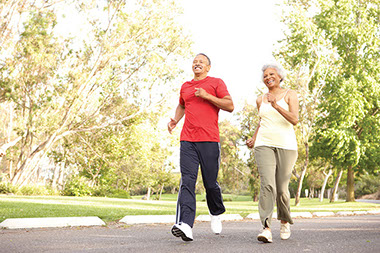
    Image of older couple on a brisk walk.

    The more you age, the more you need exercise to stay independent and healthy, said Dr. Keith Veselik, director of primary care at Loyola University Health System. “Around age 35 is when our muscle mass and resting metabolism starts to decrease. When this happens our bodies require more, not less exercise to manage our caloric intake. When this starts to happen, we can eat the same things, do the same things and may gain 3 pounds a year. That’s 30 pounds in a decade,” he said.

    Dr. Veselik said the best workout program balances heart healthy exercise, strength training, and flexibility. He recommends an hour of cardiovascular exercise 4 days a week, 2 days of strength training for 30 minutes, and balance and flexibility exercises such as stretching, yoga or pilates, 1 to 2 times a week.

    In your 50s:

    *  Muscle and joint aches and pains start becoming more apparent, so get creative about how to keep up cardiovascular exercise that is easy on the joints but gets the heart rate up (hint: swimming, biking, or running on softer surfaces).

    *  Cardiovascular exercise also helps to fight many of the most common and deadly medical concerns, including heart disease, asthma, and COPD.

    *  Don’t go from doing nothing to running a marathon. Talk to your doctor, ask about risk factors, and together create a plan that’s right  for you.

    *  If back pain occurs, protect your back by building strong core muscles and make sure you are lifting heavy objects correctly.

    In your 60s:

    *  Balance and strength should be a major focus. Many people are scared of breaking a hip, which can limit independence.

    *  Bones aren’t as strong and both men and women become more prone to osteoporosis.

    *  Add balance and leg strengthening exercises to increase flexibility, as well as balance to help prevent accidental falls. Weight-bearing exercise is crucial to bone health and keeping bone density strong.

    *  If arthritis develops at this age, exercise can help you cope. Swimming or aquatic classes are especially good.

    *  Walking is a great form of exercise. Just make sure you get your heart rate up.

    In your 70s and beyond:

    To combat seniors’ biggest worry, dementia, know that exercise is the only thing that is proven to prevent Alzheimer’s disease. And many of the major risk factors for dementia – high blood pressure, high cholesterol and diabetes can be countered with exercise.

    © American Institute for Preventive Medicine

  • How Does Your Heart ‘Rate’?

    BE FIT

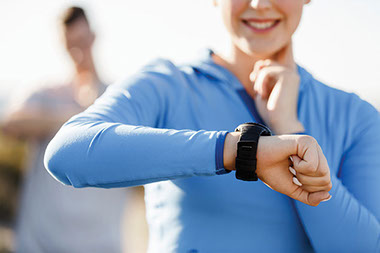
    Image of female checking heart rate.

    When it comes to getting a good workout, no two people are alike. Age, health status, fitness level, and many other factors can play a role in how hard you can – or should – exercise.

    Your target heart rate can tell you if you’re exercising hard enough to burn calories, but not too hard. Your target heart rate is how fast you want your heart to beat during exercise.

    You can find your target heart rate by following these steps:

    1. Get a stopwatch or use a watch or clock that has a second hand.

    2. Periodically during exercise, put two fingers on a pulse point. This can be the inside of your wrist on the thumb side, the inside of your elbow, or the side of your neck.

    3. Count how many times your heart beats in 60 seconds.

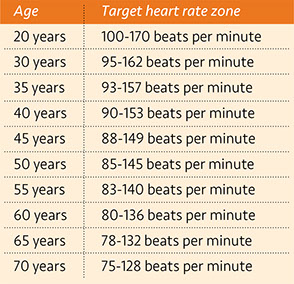
    Next, find your age in the chart and see if your heart rate is within the target heart rate zone listed. If it’s higher than the zone, take your workout down to an easier level. If it’s below, you may be able to exercise a little harder.

    Chart of Target Heart Rate Zone.

    If you’re just starting out with exercise, aim for the lower end of the range. After a few weeks, you can gradually work up to a higher heart rate within the zone.

    People who have heart conditions or other health problems should discuss any exercise or fitness activities with their doctor before starting. Certain medications that treat heart and blood pressure disease can cause a lower heart rate. Discuss your medications with your physician before trying to reach your maximum heart rate.

    Heart rate and blood pressure explained

    Heart rate and blood pressure are not the same thing. Blood pressure is the force of blood moving through your body. Heart rate or pulse is simply the number of times your heart beats per minute.

    A faster heart rate does not necessarily mean your blood pressure is rising. When the heart rate speeds up, blood vessels get bigger, allowing more blood to move through. This means many people can safely raise their heart rate during exercise without affecting their blood pressure.

    Talk to your doctor about blood pressure and get it checked yearly. Most people with high blood pressure can and should exercise with their doctor’s approval.

    Source: American Heart Association

    © American Institute for Preventive Medicine