Category: Uncategorized

  • Ride Your Bike To Work

    BE FIT

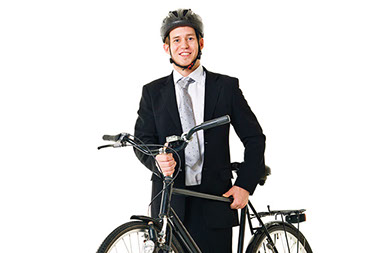
    Image of young man in a business suit with a bike and helmet on.

    Think of the money you’ll save on gas, train fare, and parking. If you live within 10 miles of your work, find solutions to overcome these popular excuses:

    *Not safe:Use less congested roads if rush-hour traffic clogs the main streets.

    *Have to dress nicely at work:Drive to work one day each week and leave a week’s worth of clean clothes.

    *No place to shower:To clean up, use a deodorant soap and washcloth in the restroom.

    *No secure place to park my bike:Check for a storage closet or furnace room, or stash your bike with a friend who lives nearby or at a bike shop.

    *I’d have to ride in the dark:Wear light-colored, reflective clothing, attach lights and reflectors and use a route that’s lit by streetlights.

    *Hate riding in cold and rainy weather:If it’s pouring or sleeting, leave the bike at home.

    *Too far:Drive part way and cycle the rest. Look for a park-and-ride commuter lot.

    Source: Bicycling magazine’s 1,000 All-Time Best Tips

    © American Institute for Preventive Medicine
  • The Downside Of Skiing: Falls And Spills

    BE FIT

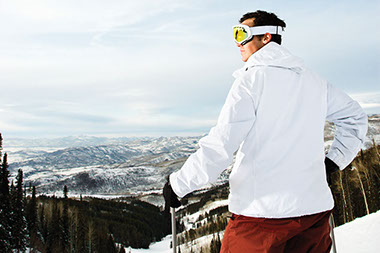
    Image of man on top of a skiing slope.

    If you find yourself heading downhill on skis, but you’re swooshing down on your backside because of a fall, you’ll be glad you prepared for the inevitable spills.

    According to the American College of Sports Medicine, falls account for up to 85% of skiing injuries. The majority of those injuries are sprains, broken bones, cuts, and dislocations-and now more knee injuries because mid-calf plastic ski boots are protecting ankles.

    Thirty to 40% of ski injuries affect the knee area, most likely the MCL (medial collateral ligament). This trauma often occurs with slow twisting falls or when beginners maintain a snowplow position for lengthy periods and stress the ligament. If skiers catch an edge (when the lower leg is suddenly twisted away from the upper leg) or skis separate, the foot is forced away from the body, which causes a distraction force on the inside of the knee.

    Another common knee injury is rupture of the anterior cruciate ligament (ACL), which can be caused by a backward fall as the lower leg moves forward. Catching an edge causes a sudden external rotation below the knee, which can cause the ACL to become sprained or snap (5 times more common in women skiers).

    Your pre-conditioning program should include 4 elements: endurance, strength training, flexibility, and balance. Aerobic fitness is the key to preventing the end-of-the-day injuries. Cross training, which includes multiple sports and activities, will help with cardiovascular endurance, while strength and flexibility focusing on the legs is vital for injury prevention, says Scott M. Levin, MD, a board-certified orthopaedic surgeon and sports medicine specialist.

    “Besides conditioning, skiers need to warm up and stretch before starting down the hill because cold muscles are more prone to injury,” notes Dr. Levin. Warm up with jumping jacks, running, or walking in place for a few minutes and then stretch your hamstrings, hip flexors, and quadriceps.

    © American Institute for Preventive Medicine

  • 10 Ways To Avoid Holiday Weight Gain

    HEALTHY EATING

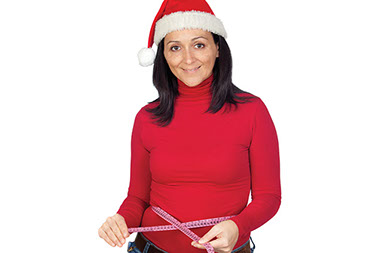
    Image of women wearing a santa hat while taking her waist measurement.

    It can be especially hard to avoid extra pounds when there’s holiday food everywhere you turn. Stick to the basics of healthy eating so you can make it to the new year without regrets.

    1.Drink more water:Drinking water before you eat may help you feel fuller and eat less.

    2.Skip the soda, hot cocoa and high-sugar coffee drinks:Replacing sugary drinks with water can help you lose weight.

    3.Get exercise:Even just a few minutes a day has health benefits and can help you burn calories.

    4.Eat fruits and vegetables:These foods are generally packed with nutrition and low in calories.

    5.Get enough sleep:Lack of sleep can cause more cravings for unhealthy foods.

    6.Listen to your body:Stop eating when you start to feel full, not when you’re stuffed.

    7.Start with small portions:Start with smaller amounts of food on your plate, and wait to see if you need more later.

    8.Keep a food diary:This helps you get a clear picture of what you’ve eaten.

    9.Don’t eat and watch TV:This can lead to mindless eating and consuming too many calories.

    10.Build muscle:Muscles help your body burn more calories, even when resting.

    © American Institute for Preventive Medicine
  • Butternut Squash With Black Beans

    HEALTHY EATING

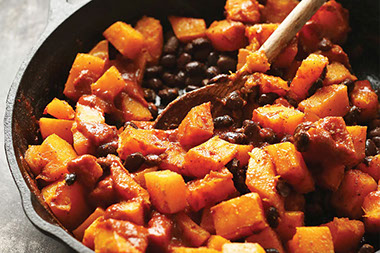
    Image of buttermilk squash with black beans.

    Ingredients

    2-3/4cups butternut squash, cubed

    1 teaspoon vegetable oil

    1 onion (small, chopped)

    1/4 teaspoon garlic powder

    1/4 cup red wine vinegar

    1/4 cup water

    2 cans black beans (16 ounces each, rinsed and drained)

    1/2 teaspoon oregano

    Directions

    1. Heat the squash in the microwave on high heat for 1-2 minutes. This will soften the skin.

    2. Carefully peel the squash with a vegetable peeler or small knife. Cut the squash into 1/2 inch cubes.

    3. Peel and chop the onion.

    4. In a large pan, heat the oil. Add the onion, garlic powder and squash. Cook for 5 minutes on medium heat.

    5. Add vinegar and water. Cook on low heat until the squash is tender, about 10 minutes.

    6. Add the beans and oregano. Cook until the beans are heated through.

    Serves 6: Per serving: Calories: 209; Total Fat: 2 g; Saturated Fat: 0 g; Sodium: 317 mg; Total Carbohydrate: 39 g; Dietary Fiber: 9 g; Protein: 11 g

    Source: USDA Mixing Bowl

    © American Institute for Preventive Medicine

  • Easy Protein Snacks

    HEALTHY EATING

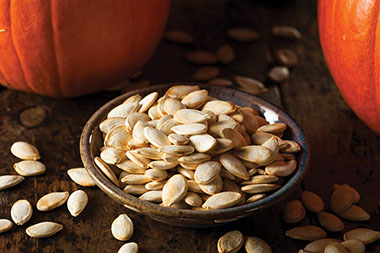
    Image of roasted pumpkin seeds.

    A great way to get healthy protein throughout the day is to make snacks with protein. The protein can help you feel fuller, holding you over until your next meal. These snacks may also help avoid a blood sugar crash that leaves you feeling sluggish and even hungrier than before. Try these ideas for tasty and easy-to-pack snacks:

    *  Hummus with sliced peppers, carrots, celery or cucumbers

    *  Peanut butter or almond butter with a banana

    *  ¼ cup of nuts, such as almonds, walnuts or pistachios with fresh fruit

    *  Roasted pumpkin seeds (buy them roasted or bake on a cookie sheet at 300º for 20 minutes)

    *  Tortilla with black beans, salsa and a sprinkle of low-fat cheese

    *  Roasted soy nuts (available at many supermarkets)

    *  A hard-boiled egg with leafy greens

    *  Low-fat string cheese with an apple or pistachios

    © American Institute for Preventive Medicine
  • Garlic Secrets

    HEALTHY EATING

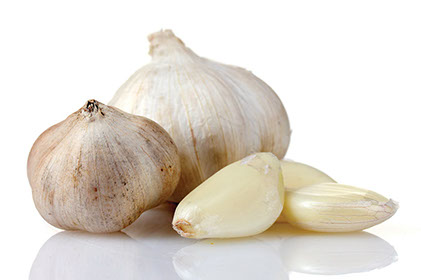
    Image of garlic.

    Use a garlic peeler to quickly peel garlic. A garlic peeler is a cylindrical piece of rubber that you place the garlic in and then roll it on the counter with the palm of your hand. The peel will stick to the inside of the peeler, and the garlic will fall out the end. If you don’t have a garlic peeler, you can do the same thing with a rubber jar opener, say extension experts at the University of Nebraska-Lincoln.

    Bonus tip:

    To mince garlic without having it stick to your knife, add a few drops of water to the garlic and then chop. The garlic sticks to the cutting board and not your knife.

    © American Institute for Preventive Medicine

  • Heart-Shaped Foods Help Your Heart

    HEALTHY EATING

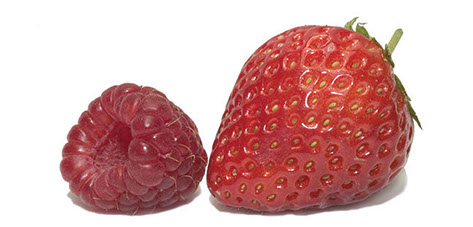
    Image of a berry and strawberry.

    While some dietitians extol the virtues of red wine, dark chocolate, and salmon for heart health, Dr. Katie Eliot, assistant professor of nutrition and dietetics at Saint Louis University, has a different plan.

    Keep it simple. Look to heart-shaped foods to protect your heart.

    “Being red and heart shaped can be a tip off that some foods are good for your heart,” Dr. Eliot said. “Many heart-shaped fruits and vegetables are great sources of antioxidants. These compounds act like shields, taking the hit from free radicals that otherwise damage the body and cause heart disease and cancer.”

    For instance, strawberries and raspberries are loaded with vitamin C and an antioxidant that prevents plaque from forming in arteries. Cherries contain an antioxidant that is thought to protect the blood vessels and is high in potassium, which helps lower blood pressure.

    Tomatoes and red peppers are rich in the antioxidant lycopene, which is in many red fruits and vegetables and works magic by neutralizing free radicals. And acorn squash and apples contain a type of fiber, which reduces bad cholesterol that can clog up your arteries to cause heart attacks and stroke.

    © American Institute for Preventive Medicine
  • Menu Secrets

    HEALTHY EATING

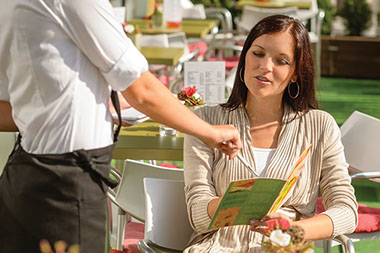
    Image of women at a resturant talking to the waitor about the menu.

    When dining out, two things that affect your menu choices the most are what you see on the menu and how you imagine it will taste.

    But what you order may have less to do with what you want and more to do with a menu’s layout and descriptions, according to a Cornell study in the International Journal of Hospitality Management.

    First,any food item that attracts attention (with bold, highlighted or colored font or set apart in a text box) makes us more likely to order that food item rather than the item listed next to it. “In most cases, these are the least healthy items on the menu,” said lead author, Brian Wansink, author of Slim by Design: Mindless Eating Solutions for Everyday Life.

    Second,menu names with descriptive items sell better and lead you to believe that they taste better. The researchers cite a study where they changed the names of restaurant menu items to make them more descriptive; the seafood filet became Succulent Italian Seafood Filet and red beans and rice became Cajun Red Beans and Rice. Sales of these items went up by 28%, and they were rated as tastier, even though the recipe was identical. Diners were also willing to pay an average of 12% more money for a menu item with a descriptive name.

    The best solutionto healthier restaurant dining may be an easy one. “Just ask your server,” said Wansink, “Ask, ‘What are your two or three lighter  entrées that get the most compliments?’ or ‘What’s the best thing on the menu if a person wants a light dinner?’”

    Eating Out Tip

    Before you choose restaurants, check out their websites. Read menu options and nutrition information, if provided, to help you make healthy choices. When you are at a restaurant, ask if you can make healthier substitutes, such as having a vegetable in place of French fries.

    © American Institute for Preventive Medicine

  • Re-Freeze Foods Safely

    HEALTHY EATING

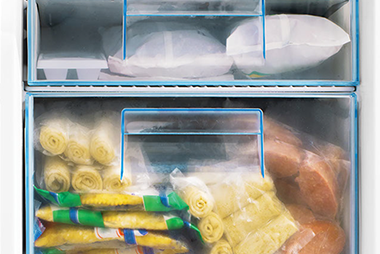
    Image of a freezer.

    It’s an old-wives’ tale that foods cannot be refrozen. But follow guidelines for safe food handling, according to the Partnership for Food Safety Education and the USDA.

    If raw foods such as meat, poultry, egg products, and seafood have been thawed in the refrigerator, then they may be safely re-frozen without cooking for later use. Never thaw raw foods by letting them sit on the kitchen counter. If raw foods are thawed outside of the refrigerator, for example in the microwave or in cool water, they should be cooked immediately. Never re-freeze raw or not fully cooked foods that have been thawed outside of the refrigerator.

    © American Institute for Preventive Medicine
  • Thanksgiving Can Be Healthy – Here’s How

    HEALTHY EATING

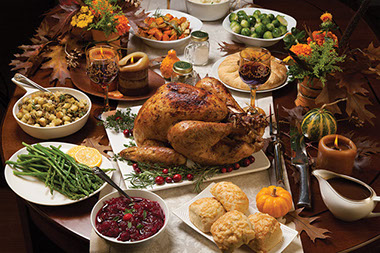
    Image of thanksgiving dinner set on the table.

    At major holidays like Thanksgiving, it can be easy to overeat. Being around friends and family and having access to a wide array of foods at the buffet table can make it difficult to stick to a healthy eating plan.

    Fortunately, you can still enjoy your favorite dishes without all the calories if you plan ahead. Here are some simple ways to keep Thanksgiving healthy and delicious:

    *  Add low-sodium chicken broth to mashed potatoes to add flavor without the calories of gravy and butter.

    *  Substitute Greek yogurt in recipes that call for sour cream or buttermilk.

    *  Use applesauce in place of oil or butter in baked goods.

    *  Use fresh fruits and vegetables as appetizers rather than fried foods.

    *  Don’t come to Thanksgiving overly hungry or you may end up overeating. Have a light meal earlier in the day with healthy protein, such as peanut butter or low-fat cheese, to keep you satisfied.

    *  To avoid mindless eating, sit and socialize away from the food table.

    *  Focus on calorie-free beverages, such as water or tea. Have a glass before you eat.

    *  Be aware of drinking calories. Alcoholic drinks should be consumed in moderation, which is one drink per day for women and two drinks for men.

    Source: Academy of Nutrition and Dietetics

    © American Institute for Preventive Medicine